Signs Your Cat Is Unhappy: Body Language and Behaviors You Shouldn’t Ignore
Learn the most common signs your cat is unhappy—from tail signals to hiding—plus simple ways to help them feel safe again.
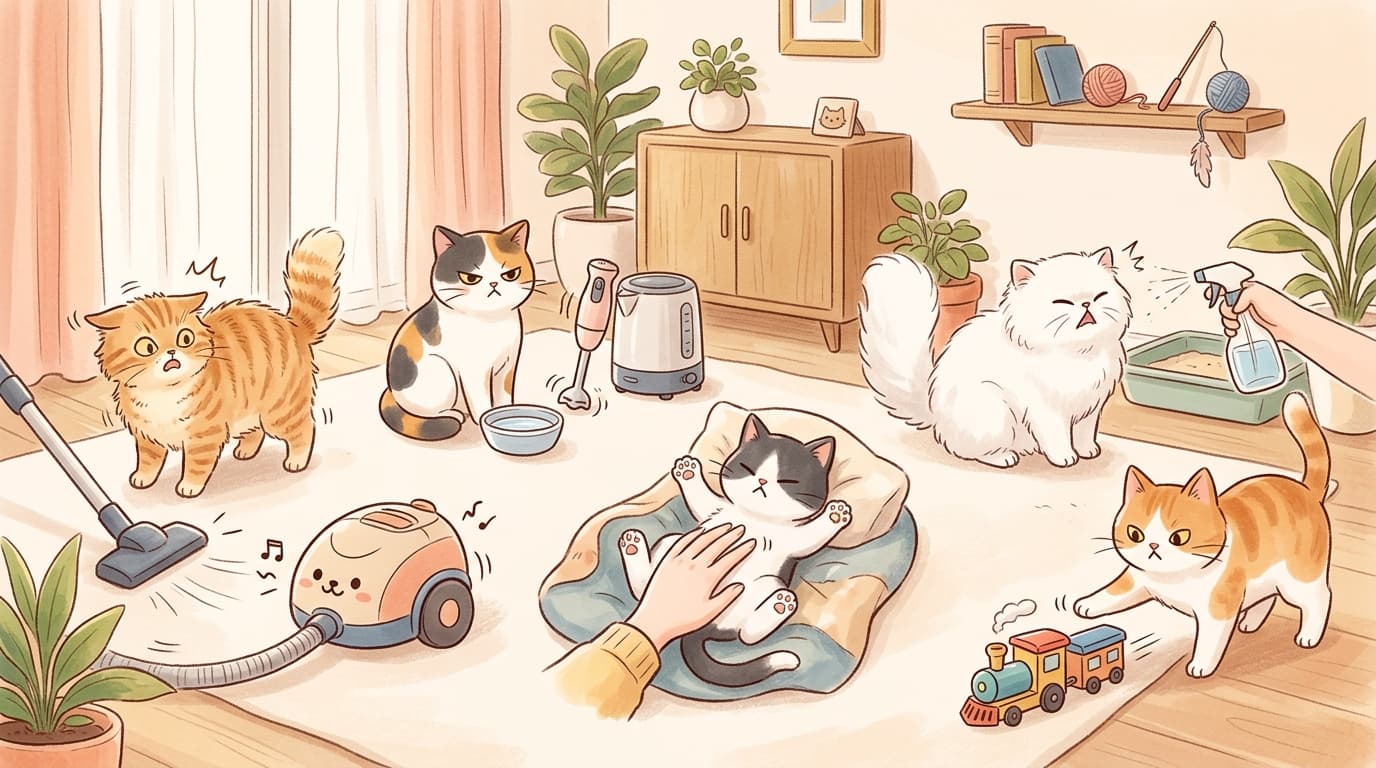
Cats are masters at acting “fine” even when something feels off. Most pet owners don’t realize how much cats communicate through tiny shifts in posture, routine, and sound. If you can spot the signs your cat is unhappy early, you can often fix the problem before it snowballs.
Quick tail clues: what a low or fast tail can mean
A cat’s tail is basically a mood flag. If your cat’s tail is held low, tucked, or whipping back and forth quickly, that’s usually not playful excitement—it’s tension.
- Tail down often shows your cat feels unsure, nervous, or insecure in the moment.
- Fast tail flicking can mean irritation or overstimulation (think: “I’m done with this now”).
If you’ve ever been petting your cat and suddenly the tail starts snapping, that’s your cue to pause and give them space.
“Back arched, fur up” isn’t drama—it’s fear
An arched back with bristling hair is one of the clearest signs your cat is unhappy or scared. Your cat is trying to look bigger to protect themselves.
This can happen after a loud noise, a new pet in the home, a tense interaction, or even a surprise touch. In that moment, your cat isn’t being “spicy”—they’re asking for distance.
The tucked-paws sleep position: cozy… or cautious
Cats often sleep curled up, but if your cat regularly sleeps with paws tucked tightly under their body, it can sometimes be a sign they don’t fully feel safe. It’s a protective posture—like they’re staying ready to move.
Pay attention to context. If your cat also startles easily, hides more, or avoids certain rooms, that “loaf” position may be less about comfort and more about caution.
Squinting or constant blinking can signal stress (or pain)
A relaxed cat may give slow blinks, but frequent squinting or constant blinking can be different—more like discomfort than affection.
If you notice this alongside other changes (less activity, hiding, mood shifts), treat it as a real clue that something is bothering your cat.
Unusual sounds: grunts, moans, screams, and what they’re saying
Cats don’t usually make intense vocalizations for no reason. Grunts, moans, yowls, or screams can be your cat’s way of telling you something is wrong—fear, frustration, stress, or physical discomfort.
A good rule: if the sound is new for your cat, it deserves your attention.
Strange purring: yes, cats can purr when they’re not happy
Purring doesn’t always equal happiness. Some cats purr to self-soothe when they feel insecure, stressed, or uncomfortable.
So if your cat is purring while also hiding, squinting, or acting withdrawn, don’t assume everything is perfect. Look at the whole picture.
Not playing or exploring: a big change in personality
A cat that stops playing, climbing, or investigating their environment may be dealing with stress or discomfort. Even independent cats usually have some curiosity.
You might notice:
- Toys being ignored
- Less “patrolling” around the home
- More time spent staying in one safe spot
Hiding or avoiding contact is a loud message in cat language
When a cat starts hiding more than usual or avoiding people, they’re communicating that something doesn’t feel right. It could be a change in the home, a conflict with another pet, a scary experience, or feeling unwell.
If your normally social cat suddenly becomes a ghost, don’t write it off as moodiness.
Changes in grooming, mood, or routine are warning lights
Cats thrive on routine. When they’re unhappy, you may see shifts like:
- Less grooming (coat looks messy or neglected)
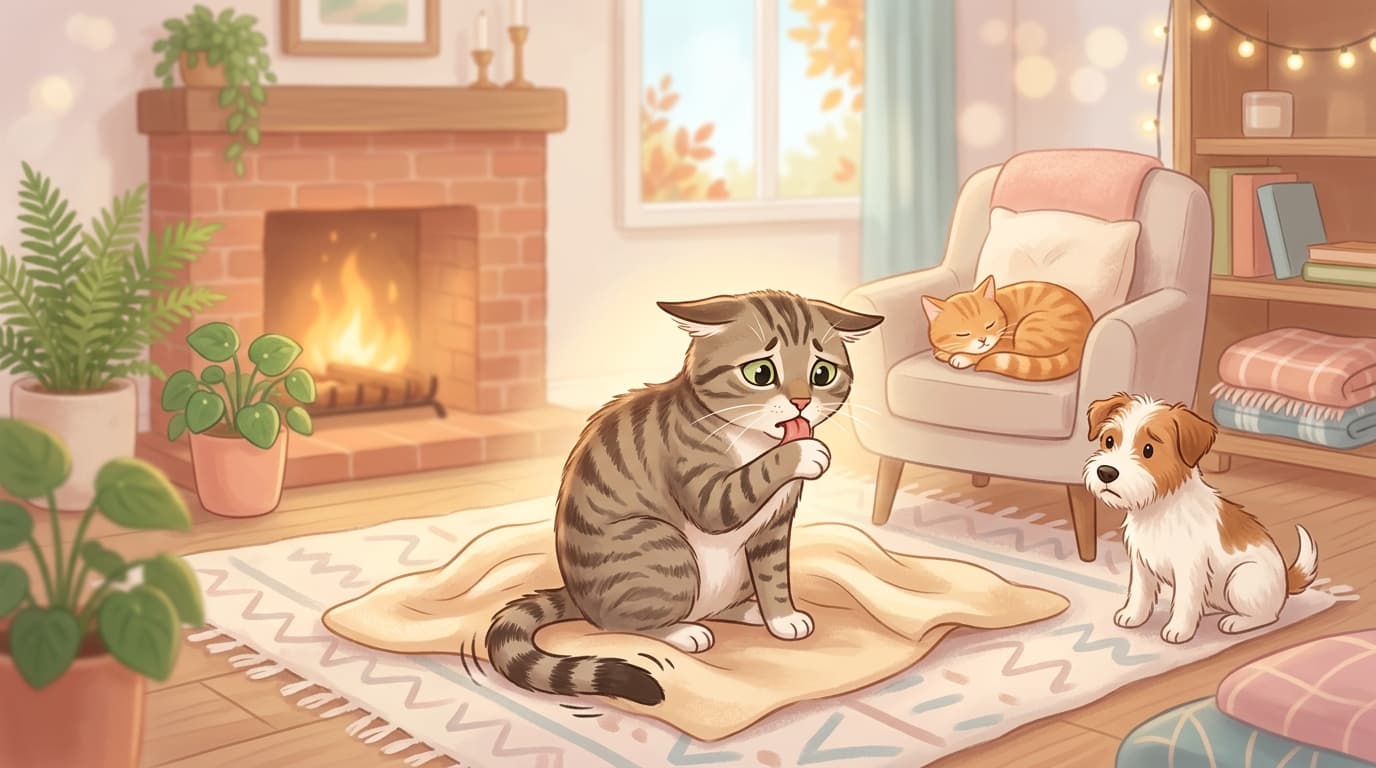
- Over-grooming (focused licking in one area)
- Apathy or “checked out” behavior
- Irritability or sudden sensitivity to touch
These changes are often your cat’s way of showing that they’re stressed, insecure, or uncomfortable.
Eating changes: too much, too little, or suddenly picky
Food habits are one of the fastest ways to spot trouble. A cat that eats far less than usual—or suddenly overeats—may be responding to stress or discomfort.
Also watch for new patterns, like only eating when you’re nearby, refusing a previously loved food, or hovering around the bowl but not eating much.
Helping an unhappy cat: start by looking for the “why”
Once you notice the signs your cat is unhappy, the next step is detective work. Think about what changed recently:
- New people, pets, or schedule changes
- A move, renovations, or loud noises
- A new litter box location, type of litter, or cleaning product
- Less playtime, fewer hiding spots, or more competition for resources
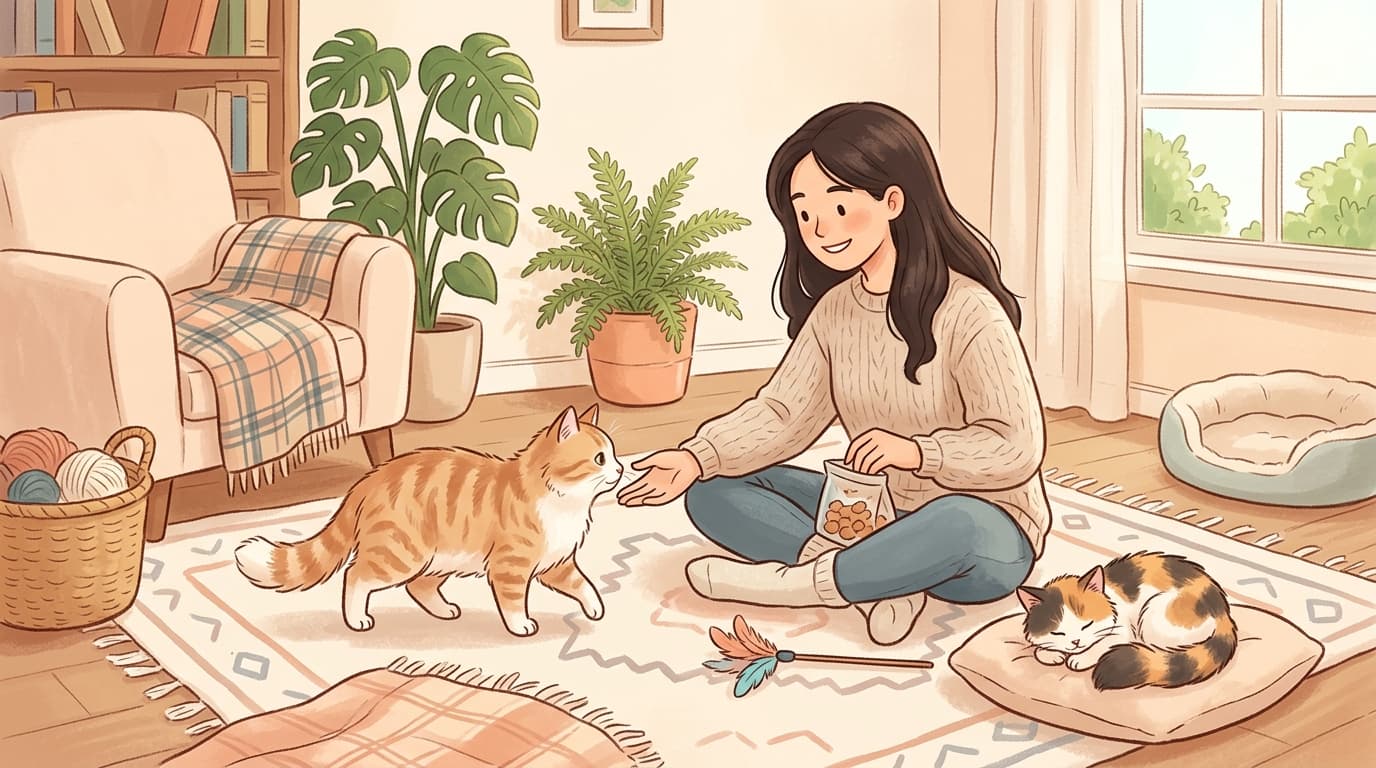
Small fixes can make a big difference: create quiet safe zones, keep routines predictable, offer gentle play on your cat’s terms, and make sure they have easy access to food, water, and litter without feeling cornered.
A simple takeaway
Cats don’t always look sad, but they do show discomfort through body language and behavior. When you notice the signs your cat is unhappy, take them seriously, slow things down, and focus on making your home feel safe and predictable again.
Continue reading

Does Your Cat Really Love You? 8 Quiet Signs of Trust Most People Miss
From slow tail-tip curls to choosing your seat, these 8 subtle behaviors can reveal how deeply your cat trusts you.

Why Your Cat Climbs on You: It’s Not “Just Love” (And What They’re Really Saying)
From lap-sitting to cheek rubs, your cat’s “cute” habits are secret messages about safety, scent, and trust.

Pumpkin for Cats: The Simple Food Add-In That Supports Digestion and Helps Push Out Worms
Plain pumpkin puree can support your cat’s digestion and make the gut less welcoming for worms—plus most cats accept it well.