The One Thing That Shapes How Your Dog Sees You: Your Response in Tiny High-Stakes Moments
Your dog judges you in quiet moments—fear, nudges, mistakes, walks, and pain. Small responses shape trust more than you think.
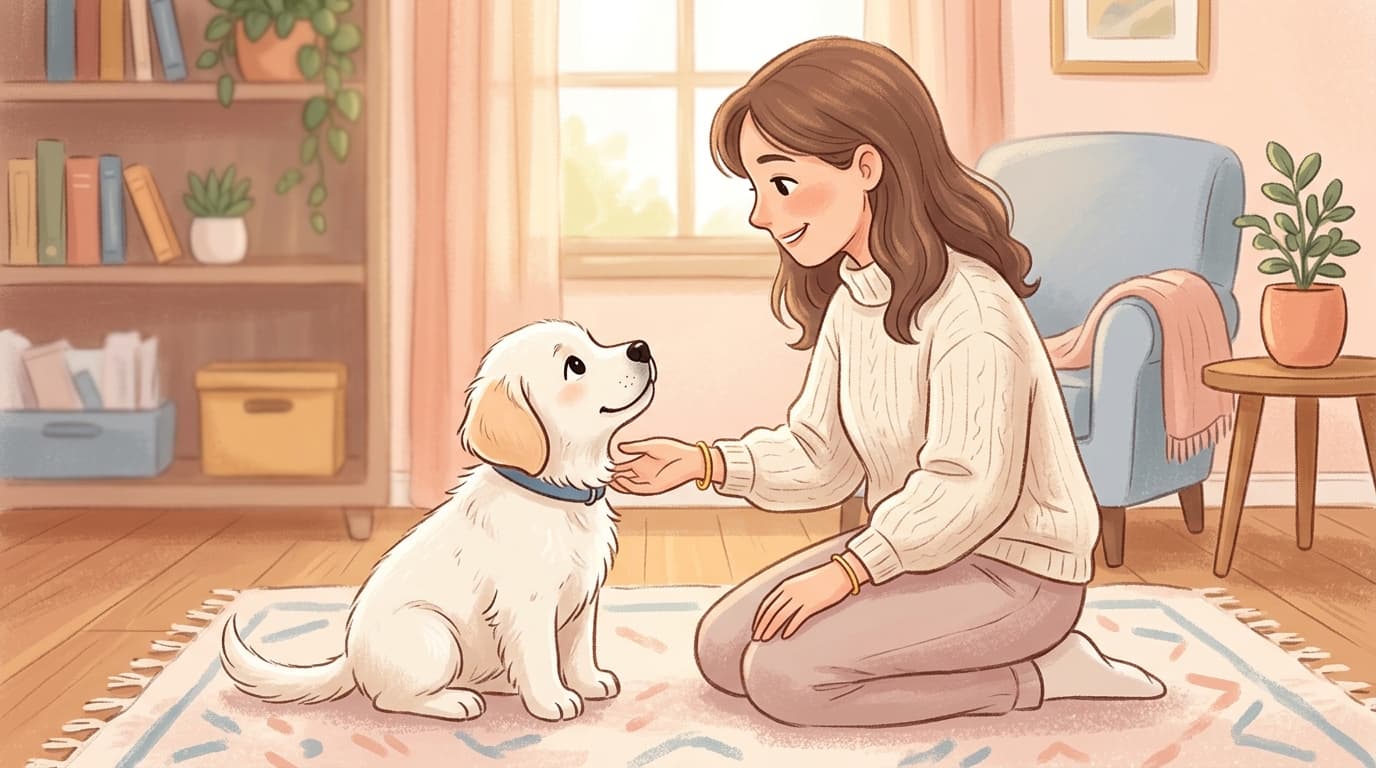
Your dog isn’t building an opinion of you from big, dramatic events. It’s forming one from quick, easy-to-miss moments—especially the ones that carry a little emotional weight. If you’ve ever felt like your dog treats one person as “safe” and another as “unpredictable,” this is usually why.
How your dog sees you is built in stress moments—especially when they look to your face
When something startles your dog—thunder, fireworks, a strange noise—many dogs don’t just react to the sound. They check you. They watch your face, your posture, and even the way you breathe, as if they’re asking, “Is this actually dangerous?”
If you tense, rush in fast, or raise your voice (even in a well-meaning “It’s okay!”), your dog can read that as confirmation that the situation is scary. Over time, your reaction can become part of what they associate with the trigger.
But if you stay loose in your body, keep your movements calm, and act like the world is still normal, you’re giving your dog a powerful cue: this moment is manageable. Dogs that experience that steadiness again and again often start orienting toward their owner more in future scary situations—because you’ve proven you’re a reliable reference point.
The 3-second rule: what you do right after your dog nudges you
Picture it: you’re mid-text, mid-email, mid-anything. Your dog walks over and gently pushes their nose into your hand, or gives a small whine that says, “Hey, are we okay?”
What happens next—especially in the next few seconds—teaches your dog a pattern. Dogs don’t only notice whether you respond. They notice how quickly, how warmly, and how consistently.
If the usual response is a shove-away, a heavy sigh, or a sharp “Not now,” many dogs eventually stop initiating. Not because they’re being dramatic, but because they’re learning that checking in doesn’t work here.
The alternative doesn’t require dropping everything. A quick glance, a soft word, or a two-second touch before you go back to what you were doing can be enough. Those tiny “micro-responses” add up, and they shape whether your dog keeps reaching out to you—or starts keeping to themselves.