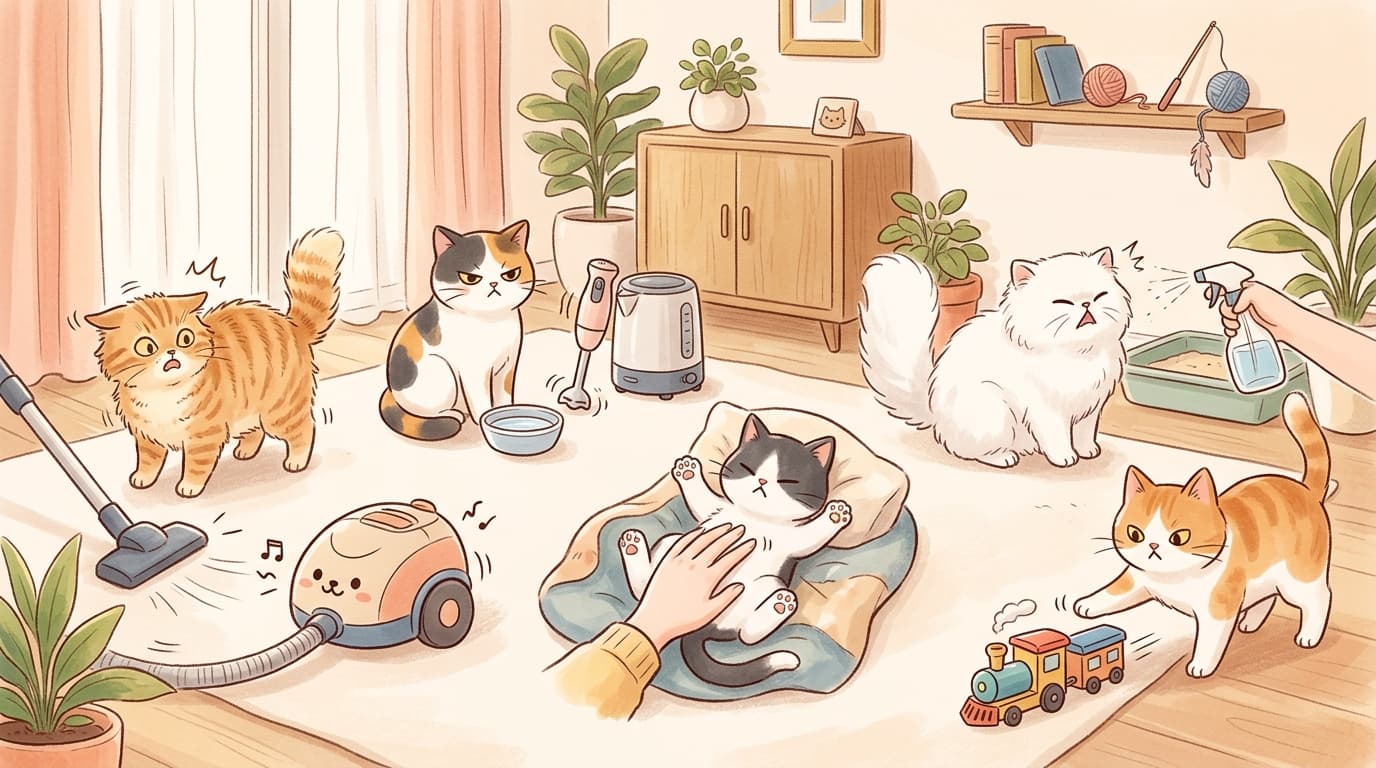
Do Cats Miss You When You Leave? What Their Behavior Really Means
Many cats form secure attachments and miss you—just not as “abandonment.” Learn the real signs and how to prevent boredom.
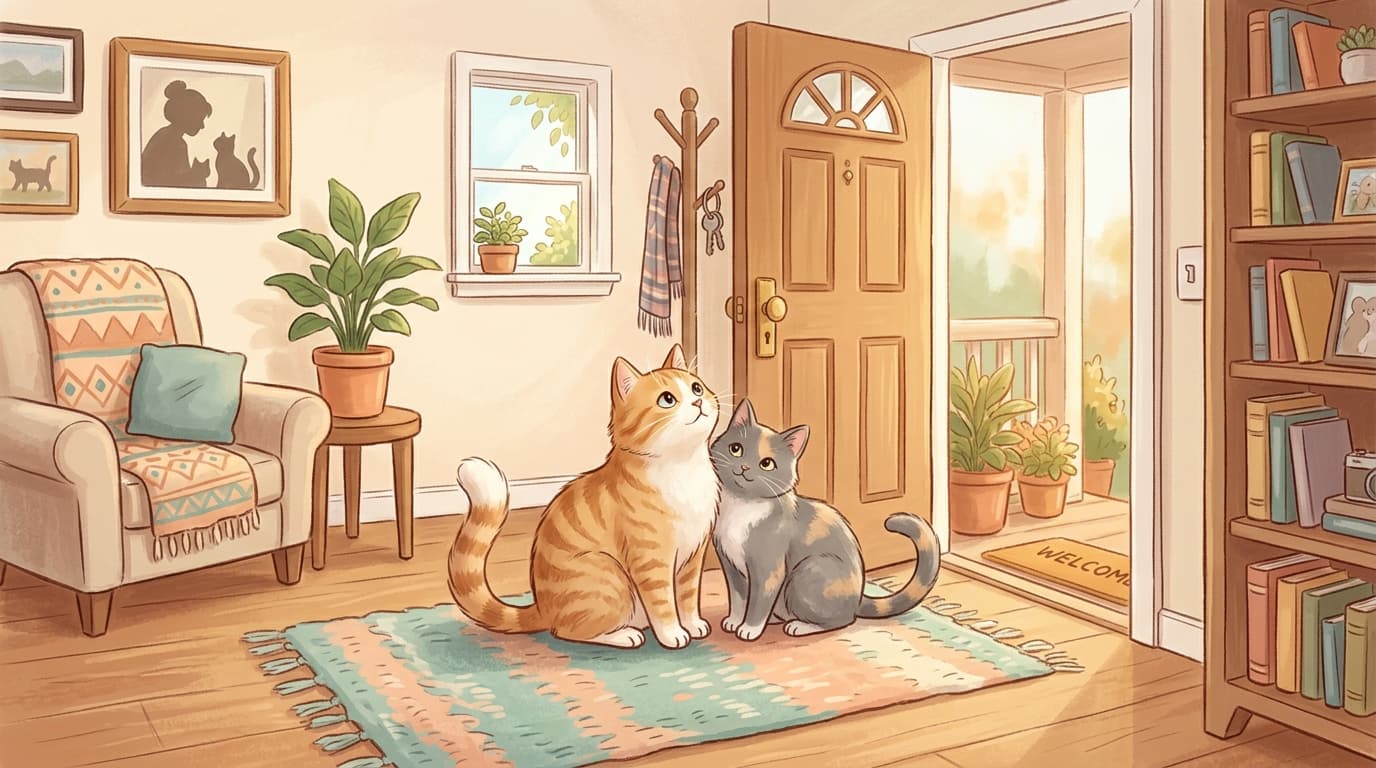
You might picture your cat acting totally unbothered the second you grab your keys. But research suggests many cats aren’t as aloof as their reputation—they can form real, secure bonds with their people.
A well-known study from Oregon State University (2019) found that more than half of cats living with humans develop a “secure attachment,” meaning you’re a source of comfort and safety to them. So yes, your cat can miss you… just not in the way we sometimes imagine.
Do cats miss you when you leave, or do they not care?
Many cats miss their people. They get used to your presence, your voice, your routines, and the little daily moments that make up “home.” If you’ve ever noticed your cat following you from room to room, sitting nearby while you do nothing exciting, or popping up the moment you stand up, you’ve seen that connection in action.
That said, cats vary a lot. Some are more independent, some are social butterflies, and some are attached to one person in particular.
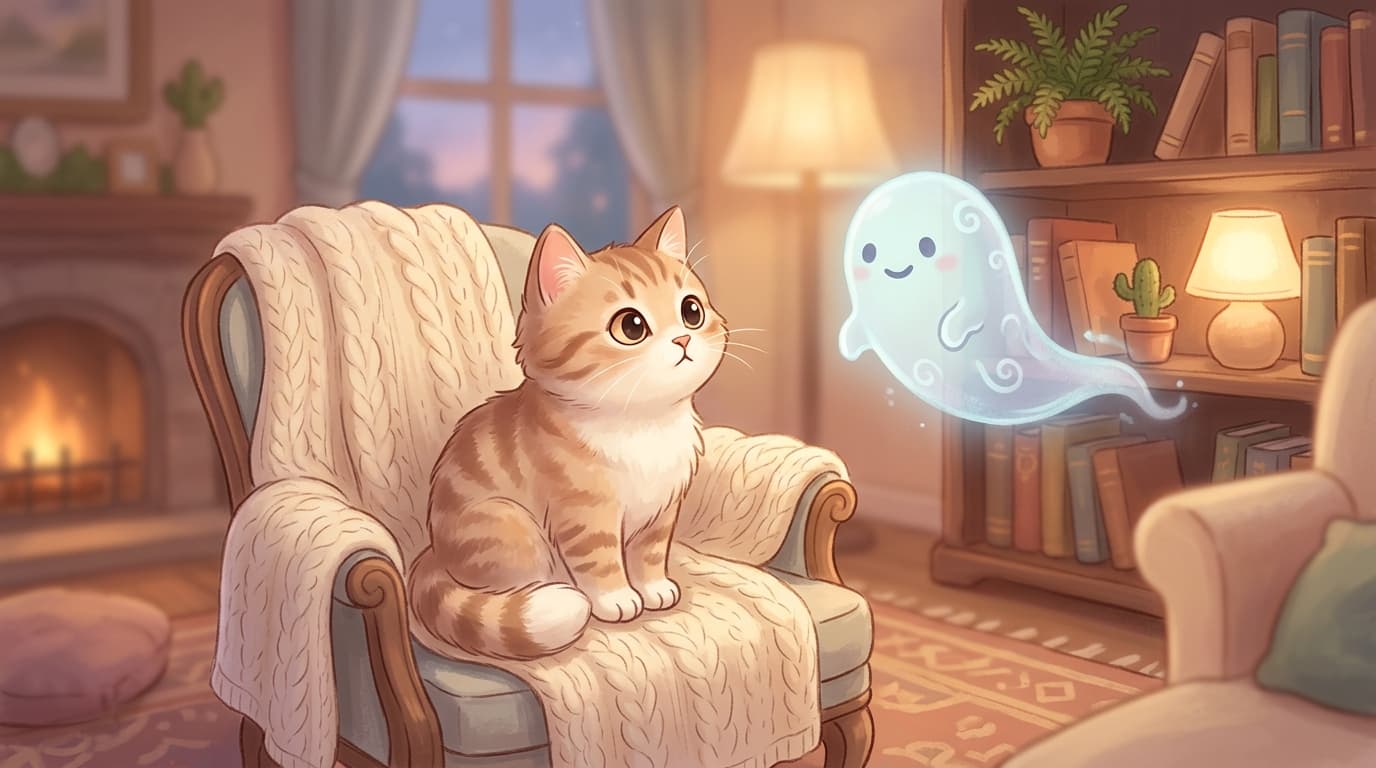
Your cat doesn’t feel “abandoned” (but they can feel uneasy)
Here’s the nuance most pet owners don’t realize: cats don’t interpret you leaving as abandonment.
Abandonment is a very human concept—it requires imagining a long-term intention (“they left me forever”) and building a story around it. Cats don’t tend to think in those abstract terms.
What they can feel is discomfort, sadness, or anxiety—especially if being alone has been stressful before. For example, a cat who has had scary experiences (loud noises, changes in the home, past instability) may be more likely to feel unsettled when the house goes quiet.
Why some cats stay calm when you’re gone
In normal conditions, many cats learn your patterns. They notice that you leave, and you come back. That predictability matters.
Routine is basically a cat’s love language. When your schedule is consistent, it helps your cat feel safe enough to nap, watch birds, and go about their day without spiraling into worry.
The clearest signs your cat missed you
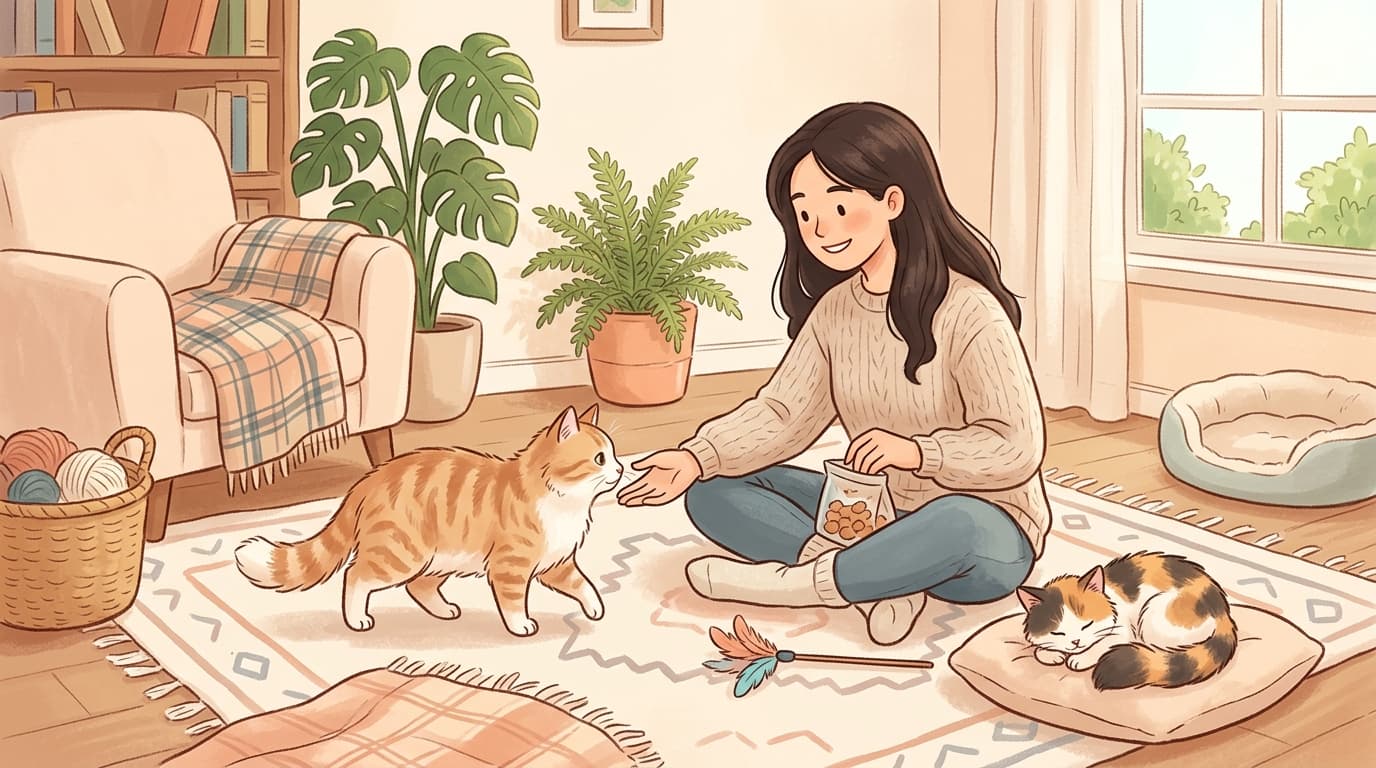
A 2017 study published in PLOS ONE observed that cats can change their behavior when their person returns after being away. In real life, that often looks like a specific “hello routine.”
Look for these classic signs your cat missed you:
- They trot over to greet you (sometimes like they were waiting for the exact sound of your footsteps)
- Happy vocalizing, like chirps or upbeat meows
- Tail held high and upright
- A little “tail tip quiver” or vibrating motion
- Rubbing their face against you (cheeks, chin, forehead)
- Purring during the greeting
If your cat does a few of these, it’s a pretty strong clue you were, in fact, missed.
When the greeting is too intense: possible separation stress
A warm welcome is sweet. But if your cat’s reaction seems over-the-top—frantic pacing, extreme agitation, or a greeting that drags on and on like they can’t settle—your cat may be struggling with being alone.
This doesn’t mean you’ve “spoiled” them. It usually means they’re having trouble regulating their emotions during alone time.
Boredom is a bigger problem than most people think
Most cats tolerate solitude just fine, but boredom can sneak up fast—especially for indoor cats with limited stimulation.
Boredom can show up as:
- Excessive meowing
- Peeing or pooping outside the litter box
- Scratching or destroying household items
Sometimes these behaviors are your cat’s way of saying, “I need more to do,” not “I’m being bad.”
How to make alone time easier for your cat
If you want your cat to handle your absences better, focus on giving them a home that feels interesting even when you’re not in it.
A few practical upgrades that help:
- Interactive toys (especially ones that can be rotated so they don’t get boring)
- Scratchers in the areas your cat already likes to hang out
- Vertical spaces like cat trees, shelves, or stable high perches
- A safe window view so they can watch the outside world (birds, people, cars—cat TV)
Small changes can make a big difference in how your cat spends those hours you’re away.
The takeaway
Do cats miss you when you leave? Many do—and they often show it the moment you come home. They’re not imagining abandonment, but they can feel stress or boredom if alone time isn’t comfortable.
Give your cat a predictable routine and an environment that keeps them busy, and you’ll likely come home to a calmer, happier greeting.
Continue reading

Does Your Cat Really Love You? 8 Quiet Signs of Trust Most People Miss
From slow tail-tip curls to choosing your seat, these 8 subtle behaviors can reveal how deeply your cat trusts you.

Why Your Cat Climbs on You: It’s Not “Just Love” (And What They’re Really Saying)
From lap-sitting to cheek rubs, your cat’s “cute” habits are secret messages about safety, scent, and trust.

Pumpkin for Cats: The Simple Food Add-In That Supports Digestion and Helps Push Out Worms
Plain pumpkin puree can support your cat’s digestion and make the gut less welcoming for worms—plus most cats accept it well.