Do Cats Miss You When You Leave? The Real Truth About Feline Attachment
Cats can miss you without feeling abandoned. Learn what science says, the signs they missed you, and how to prevent boredom at home.
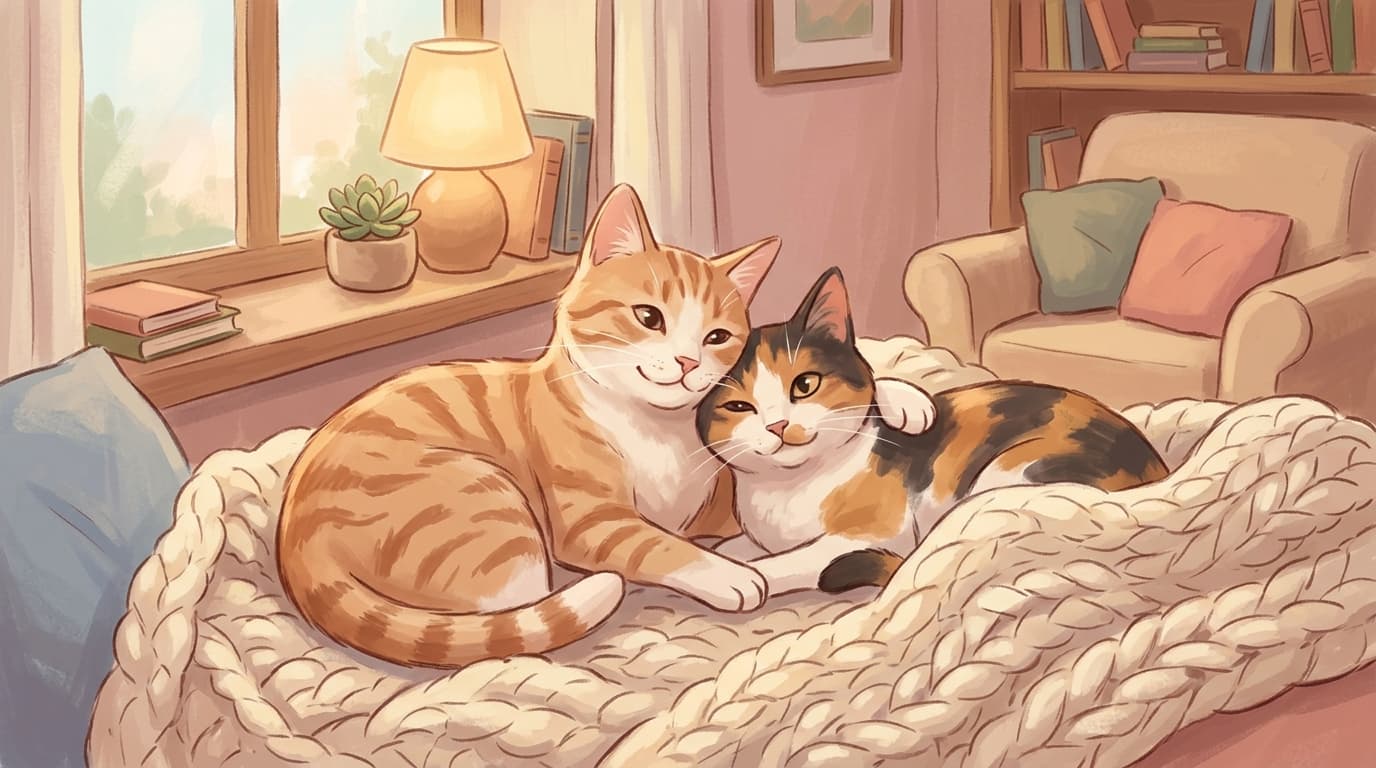
Cats have a reputation for being “independent,” but that doesn’t mean you’re just a moving food bowl to them. Research suggests many cats form genuine bonds with their people—and those bonds show up most clearly the moment you walk back through the door.
Do cats miss you when you leave?
A lot of cats do. In a 2019 study from Oregon State University, more than half of the cats living with people showed what researchers call a secure attachment to their caregivers. In everyday terms, your cat can see you as a source of safety and comfort—similar to how a child feels with a parent.
If you’ve ever noticed your cat following you from room to room, choosing to nap near you, or checking in on you during the day, you’ve seen that attachment in action.
Do cats feel abandoned when you go out?
Missing you isn’t the same as feeling abandoned.
“Abandonment” is a very human idea that depends on imagining long-term intentions and worst-case scenarios. Cats don’t typically process your departure that way. What they can feel is discomfort, sadness, or anxiety—especially if being alone has been scary or unpredictable for them in the past.
For many cats, routine is everything. They learn your patterns: you leave, you come back, life continues. That predictability helps them stay calm.
Signs your cat missed you (the classic “welcome home” routine)
A 2017 study published in PLOS ONE found cats often change their behavior when their person returns after time away. In other words: your cat’s reaction is real information, not you “projecting” emotions.
Common signs your cat missed you include:
- Greeting you at the door or running toward you
- Happy-sounding vocalizing (those chirps and bright meows)
- Tail held upright (a friendly, confident signal)
- A little “tail-tip quiver” that looks like a vibration
- Rubbing their face against you (scent-marking you as safe and familiar)
- Purring and lingering close
Most pet owners don’t realize how meaningful that upright tail and face-rub combo is—it’s basically your cat’s way of saying, “You’re my person.”
When a big greeting might signal separation anxiety
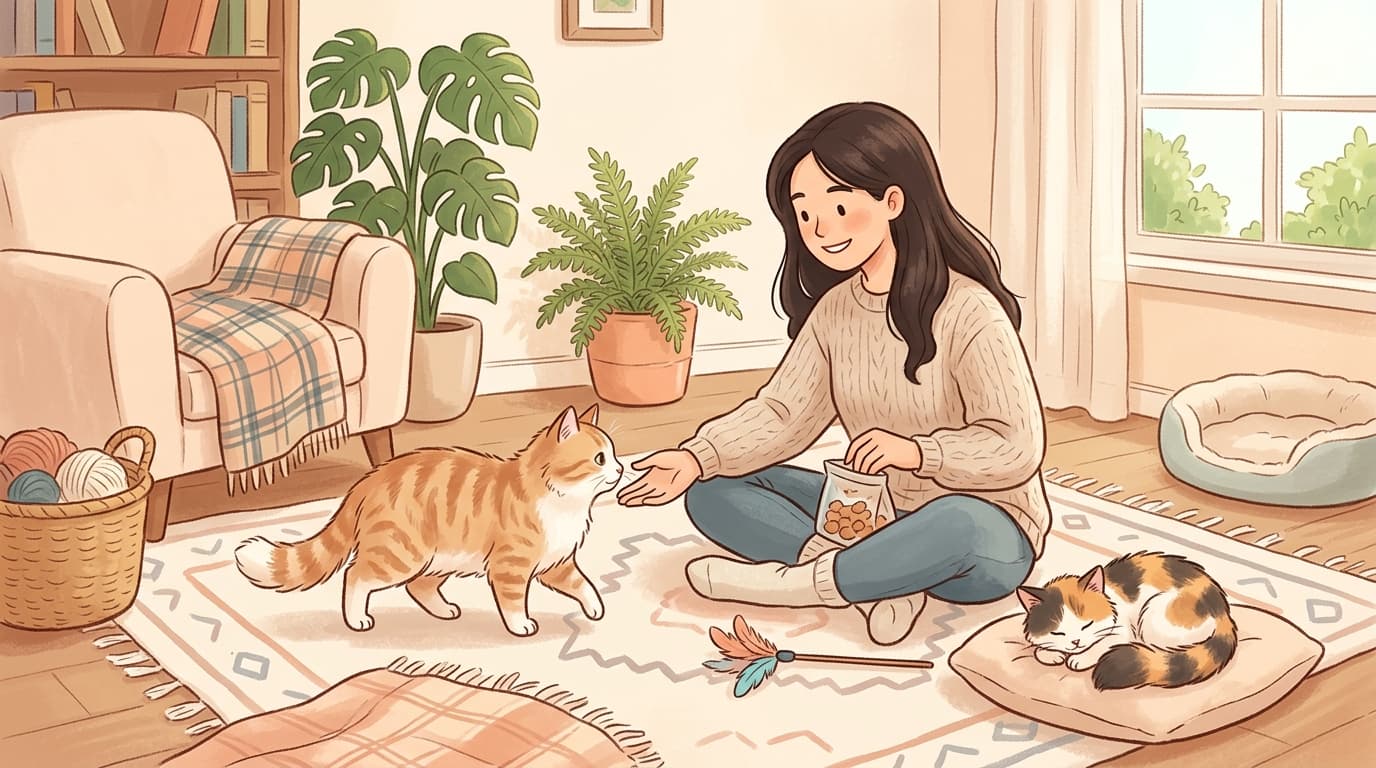
A warm welcome is normal. But if your cat’s reaction seems too intense—frantic pacing, extreme agitation, or a greeting that drags on and on like they can’t settle—it may hint at anxiety during alone time.
You might also notice problems that show up while you’re gone, like excessive meowing, litter box issues, or destructive behavior. Those aren’t “spite.” They’re often boredom or stress expressed the only way a cat knows how.
How to make being home alone easier for your cat
Most cats tolerate solitude pretty well, but they still need a home that feels interesting and secure.
Set up cat-friendly enrichment
Give your cat acceptable ways to climb, scratch, hunt, and watch the world:
- Interactive toys (especially ones that mimic prey movement)
- Scratching posts or scratchers in favorite areas
- High perches or cat trees (vertical space matters)
- A safe window spot to look outside
Keep the basics consistently comfortable
A calm cat usually has a predictable setup:
- Fresh water always available
- A clean litter box (this is a bigger deal than many people think)
- If you’ll be away for long hours, an automatic feeder can keep meals consistent
Use a camera if you’re curious
Want to know whether your cat sleeps peacefully or spirals into boredom the second you leave? A simple home camera can reveal a lot—sometimes you’ll discover your “lonely” cat mostly naps… and sometimes you’ll spot patterns that help you improve their routine.
The takeaway
Your cat can miss you deeply without feeling “abandoned.” They’re built for routine, and when your home meets their needs, they can handle alone time just fine.
Next time you come home, pay attention to the greeting—every purr, face rub, and upright tail is your cat’s quiet way of saying, “I’m glad you’re back.”
Continue reading

Does Your Cat Really Love You? 8 Quiet Signs of Trust Most People Miss
From slow tail-tip curls to choosing your seat, these 8 subtle behaviors can reveal how deeply your cat trusts you.

Why Your Cat Climbs on You: It’s Not “Just Love” (And What They’re Really Saying)
From lap-sitting to cheek rubs, your cat’s “cute” habits are secret messages about safety, scent, and trust.

Why Your Cat Walks on You at Night (And What They’re Really Trying to Tell You)
If your cat steps on your chest at night, it’s not random. Here are the real reasons—and how to respond without encouraging 5 a.m. wakeups.