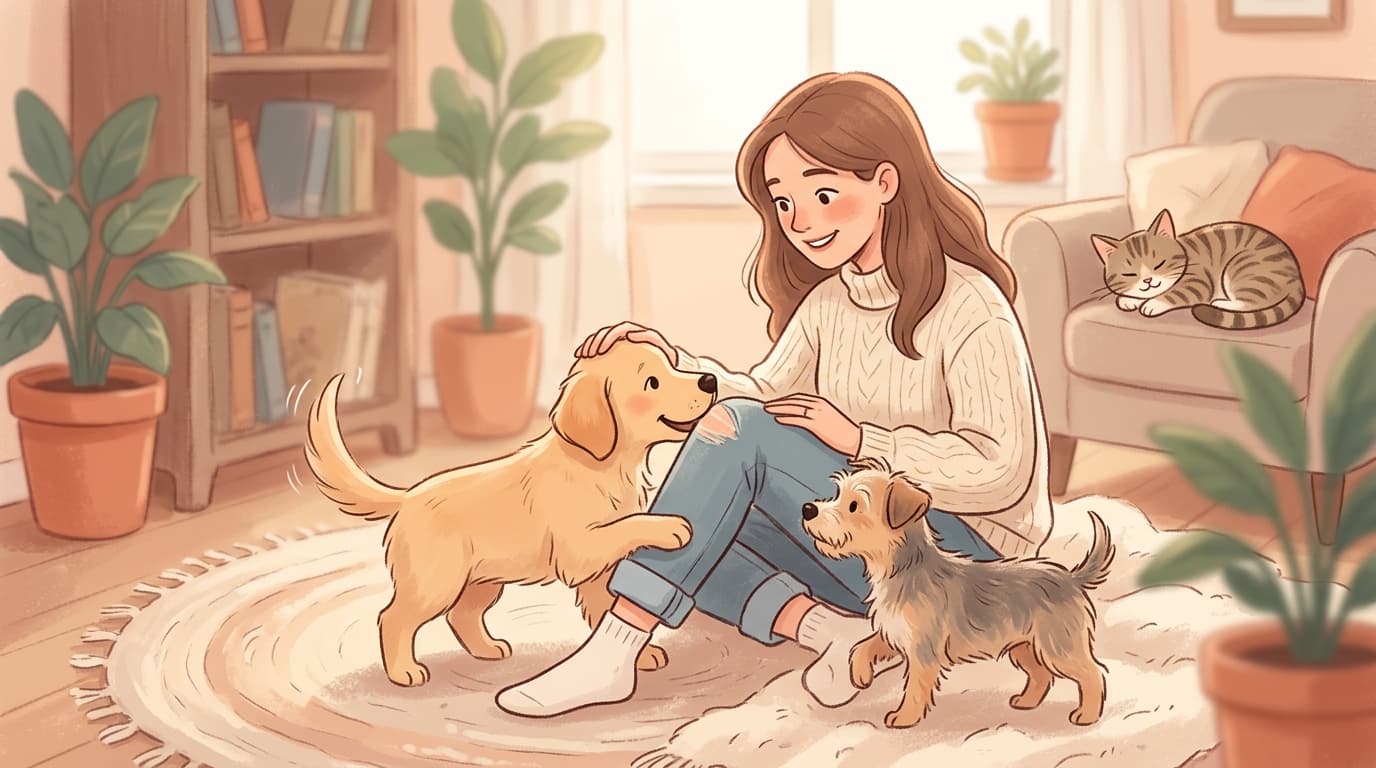
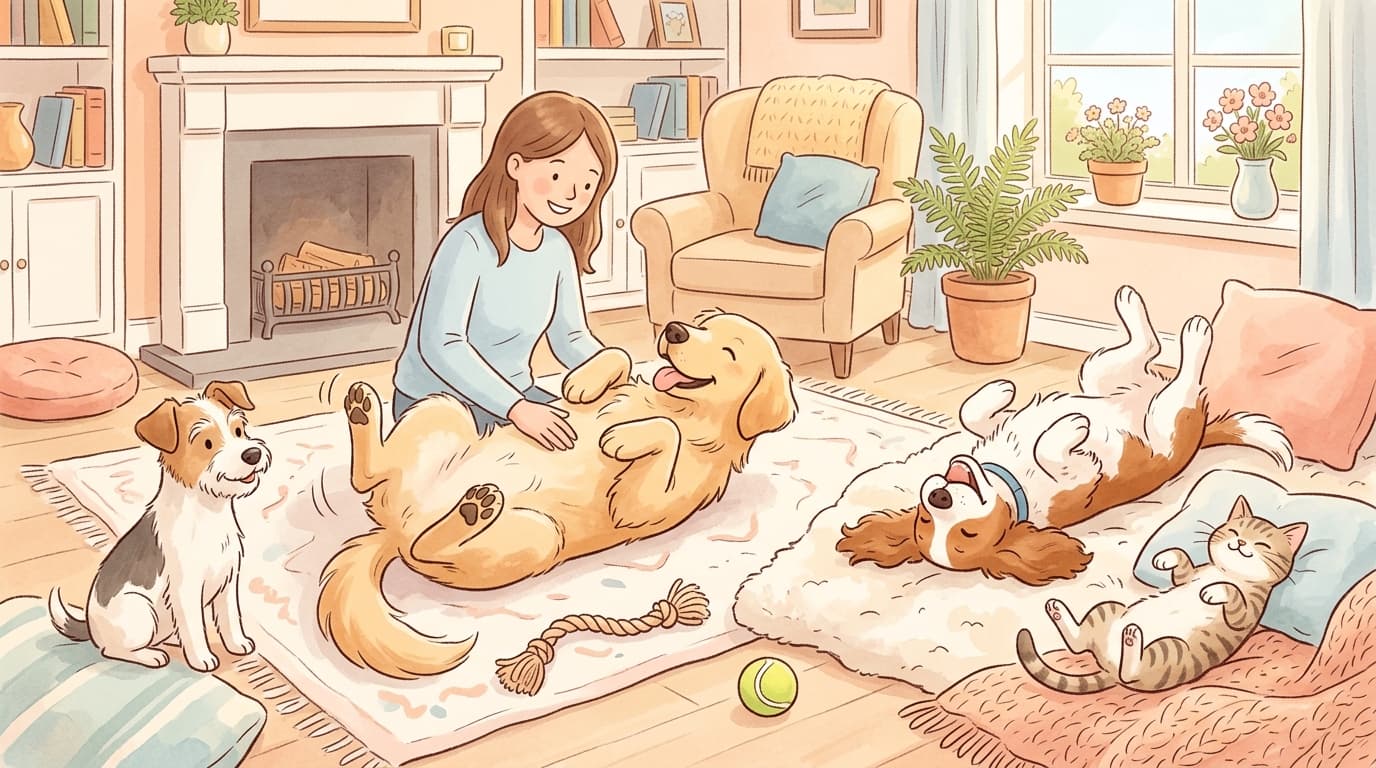
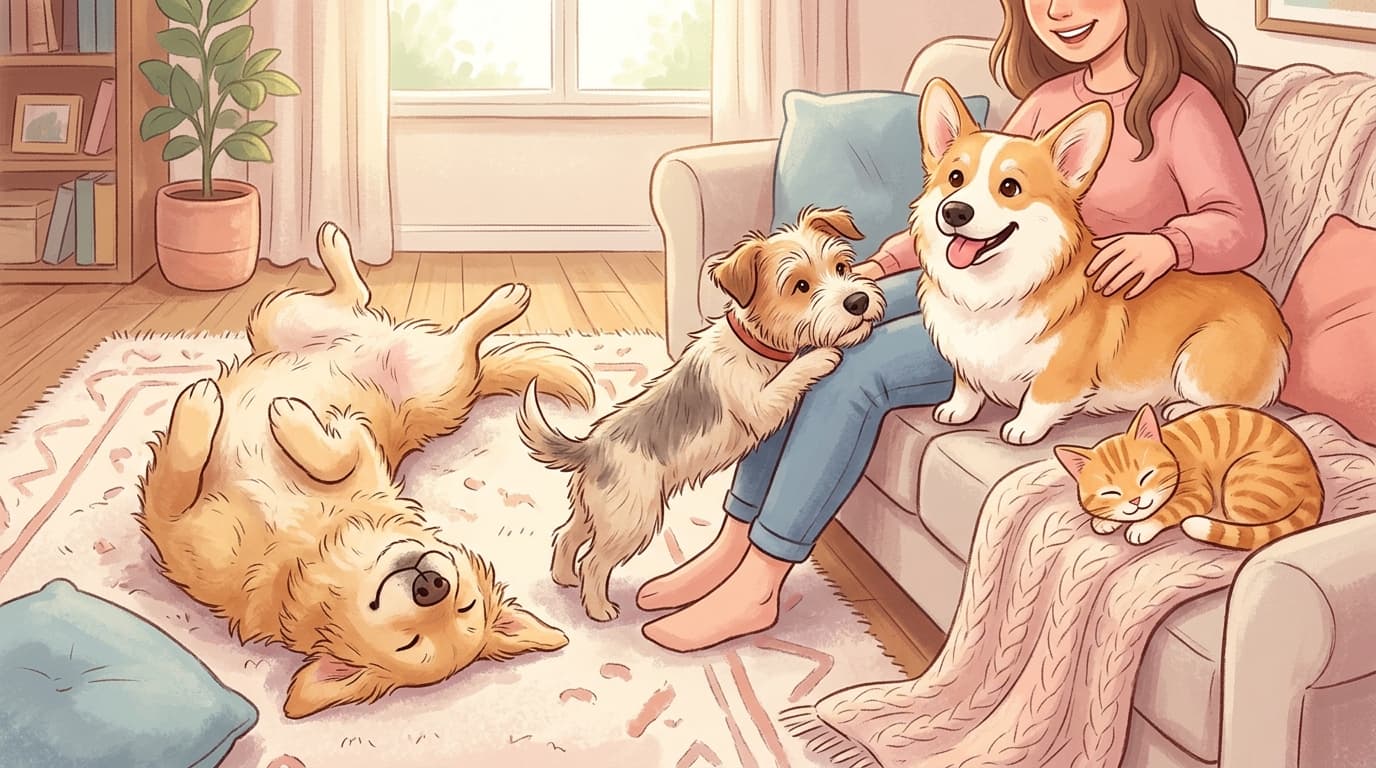
Your dog has been “talking” to you all along—just not with words. Most pet owners spot the behavior but miss the message. And yes, that includes dog crotch sniffing, one of the most awkward (and most useful) things dogs do.
If you’ve ever tried to politely sidestep a greeting because your dog’s nose had other plans, you’re not alone. But from your dog’s perspective, that sniff isn’t a social mistake—it’s a rapid information check.
Dogs have a scent system that absolutely dwarfs ours, plus a special pheromone-detecting organ that helps them pick up chemical clues humans can’t sense. The groin/inner thigh area has lots of sweat glands that produce strong “signature” compounds, which is why it’s so information-dense. In dog terms, it’s the clearest page of the book.
What they can learn in a few seconds can include:
Who you are (individual identity)
Your emotional state (stress, fear, excitement)
Basic biological details like age and sex-related cues
Whether you’ve been around other animals
There’s also a surprising bonus: letting dogs use their nose tends to help them feel calmer and more confident. Scent work and “nose time” have been linked with improved mood and lower stress signals in dogs. So while you’re feeling embarrassed, your dog is often doing the exact thing that helps them settle.
What to do instead of yanking them away:
Keep it short and casual: allow a brief sniff, then redirect with a cheerful cue like “This way.”
If your dog is intense or persistent, practice greetings on leash and reward for switching attention back to you.
For guests, a simple “He’s just gathering information” usually lands better than frantic apologizing.
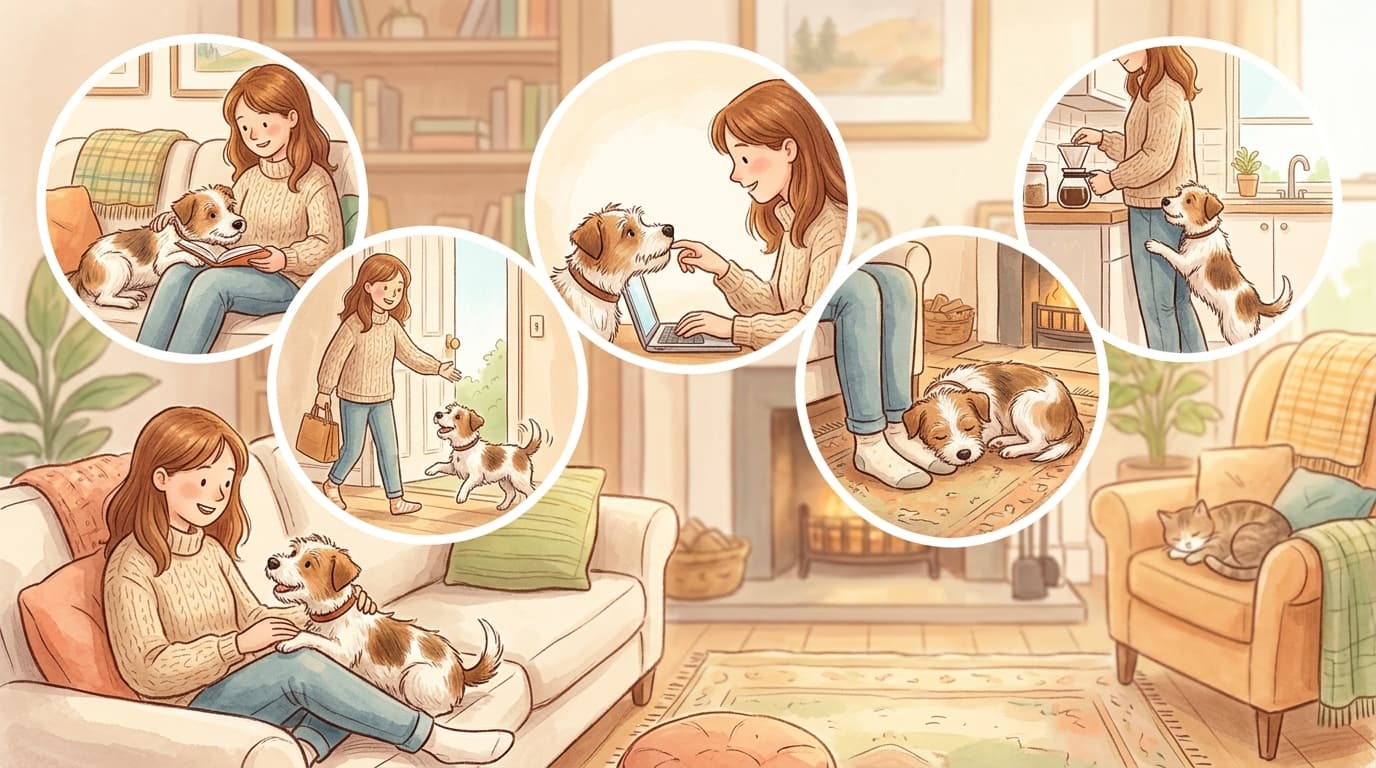
This one gets laughed off as clinginess, but it often comes from something sweeter: you’re your dog’s safe reference point.
Research on dog-owner attachment shows many dogs treat their person like a “secure base.” In plain English, your presence makes the world feel manageable. When you move, they check in. When you disappear behind a door, they may wait simply because staying close is how they keep their map of you updated.
§ 02
Continue reading
IX.
The takeaway: your dog isn’t being weird, they’re communicating
Share this article
How to respond: If you don’t mind the company, it’s fine. If you do mind, teach a comfortable “place” cue and reward them for settling nearby instead of following every step.
Face licking can be affection, greeting, or excitement—but it also has deep roots. In canid families, young animals lick the mouth area of returning adults as part of a strong social ritual. Over time, that instinct softened in our pet dogs into a “you’re back, you’re mine, you’re safe” gesture.
And dogs have another bonding superpower: mutual gaze with their people is associated with oxytocin increases in both dog and human (the warm, connected feeling chemical). If you’ve ever noticed your dog stare at you softly and your mood instantly shift, that’s part of the loop.
How to respond: If you like it, accept it as a greeting. If you don’t, turn your face away and reward four paws on the floor—no scolding needed.
A dog who leans their weight into your leg isn’t necessarily being pushy. Often, it’s closeness for closeness’ sake.
Touch is soothing for many dogs. That slow, steady lean is like your dog choosing to plug into your calm. It’s also a moment many people miss because it’s so gentle—no barking, no pawing, no drama.
Try this: Next time your dog leans, pause for three seconds. Put a hand on their shoulder or chest (many dogs prefer that over head pats) and just be there.
It looks like a request to play, but it’s often emotional self-management.
Some dogs grab a toy, sock, or random object during high-excitement moments because it gives their mouth a job and channels big feelings into something safe. It’s a classic “I don’t know what to do with myself, so I’ll hold something” move.
The meaningful part: they usually bring that object to you. Not because the toy is a gift, but because you’re the person they want to be near while their emotions settle.
How to respond: Take a second to greet them calmly. You can hold the toy briefly, praise softly, and let them decompress before deciding whether it’s playtime.
You know the one—your dog flops down and releases a long, theatrical exhale.
That sigh typically falls into two categories:
“Life is good” sigh: after a walk, meal, or settling near you.
“I was hoping for something else” sigh: after they tried to get your attention and gave up.
Most pet owners don’t realize the second kind is actually part of a conversation. It’s your dog adjusting expectations in real time.
What to do: Notice the context. If it’s the “hope fading” sigh, you can acknowledge them with a quick check-in: a brief pet, eye contact, or a simple “I see you” moment.
Sirens hit frequencies that can feel like a long-distance call to a dog’s brain. For many dogs, howling isn’t rebellion—it’s answering what sounds like a far-off signal.
It’s an old instinct: locate, respond, connect. Some dogs do it once the sound starts; others join in halfway through like they’re trying to match the pitch.
How to respond: If it’s brief, you can ignore it. If it escalates, try interrupting with a simple cue (“come,” “touch”) and reward the shift in focus.
If you’ve ever noticed your dog lock eyes with you mid-squat, it can feel… awkward. But it’s usually about safety.
Bathroom time is a vulnerable moment for animals. Your dog is checking whether you’re watching the environment, whether you’re still nearby, whether the coast is clear.
Try this tonight: When they glance back, give a small nod or calm word. You’re basically telling them, “I’m on lookout.”
Dog crotch sniffing, bathroom following, leaning, toy-carrying, sighing, siren-howling—these aren’t random quirks. They’re your dog’s toolkit for bonding, coping, and making the world understandable. If you start answering the message instead of reacting to the moment, your whole day with your dog feels calmer and more connected.