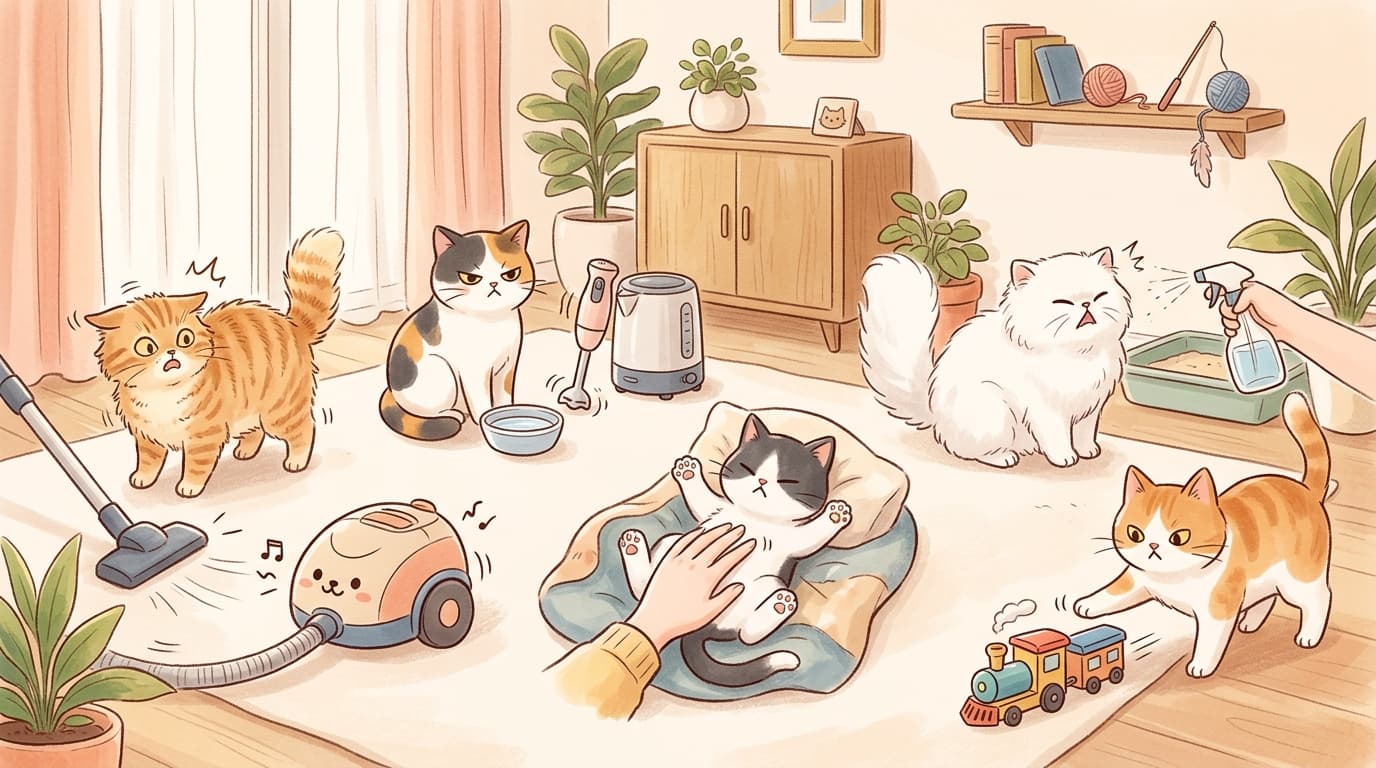
6 Everyday Habits That Secretly Stress Your Cat (and What to Do Instead)
Common routines—yelling, boring days, dry-only food, wrong petting, bad litter spots, long absences—can quietly stress your cat.
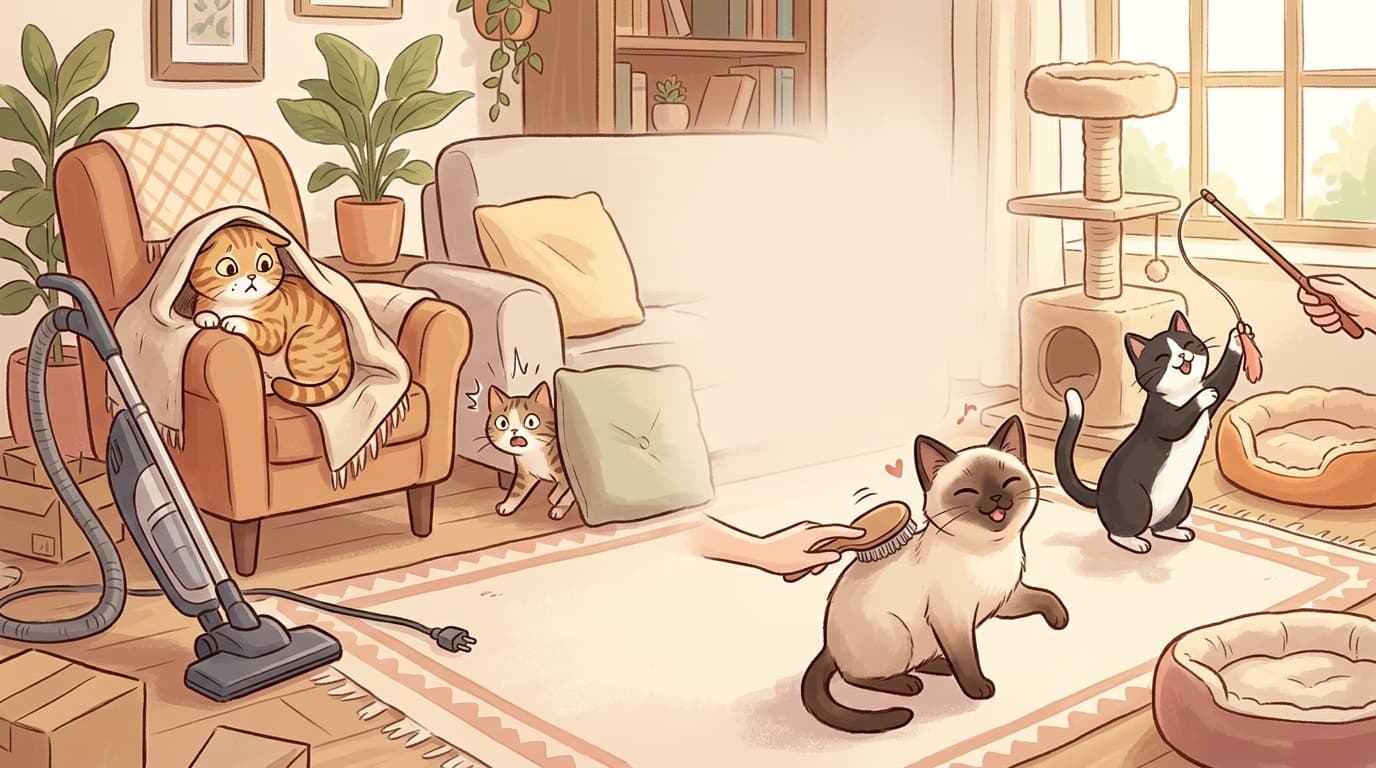
If you love your cat, you’re probably trying to do everything “right.” But some of the most normal, well-meaning routines can quietly chip away at your cat’s trust and raise their stress levels over time.
The tricky part is that cats often suffer in silence. What looks like “calm” can actually be frustration, anxiety, or discomfort.
1) Yelling doesn’t teach your cat—it teaches them you’re unpredictable
Your cat jumps on the counter. Knocks over a glass. Goes to town on the new sofa. Your instinct is to shout their name and hope they connect the dots.
The problem is that most cats don’t link your yelling to the exact behavior you’re trying to stop. What they do learn is that the person they depend on can suddenly become loud and scary. And that can lead to a stressed-out cat who hides more, avoids you, or starts acting out in other ways.
Try this instead: keep your voice firm but calm. A simple “no” in a steady tone can work better than volume. Some people also interrupt the moment with a single clap (not in the cat’s face) and then immediately redirect to something your cat is allowed to do—like a kicker toy, a scratcher, or a wand toy.
2) An “easy” indoor life can turn into boredom and frustration
Most pet owners don’t realize how similar these two can look: a relaxed cat and an under-stimulated cat.
Cats are built to hunt. Not because they’re mean—because their brains are wired for a sequence: watch, stalk, chase, pounce, grab. When that pattern never happens, frustration can build. Over time, a cat who rarely plays can be more prone to weight gain and can even seem “down,” sleeping excessively and showing less interest in life.
If you’ve ever noticed your cat staring into space, zooming around at night, or suddenly picking fights with furniture, boredom may be part of the story.
Try this instead: aim for short, consistent play. Even five minutes a day with a wand toy can make a noticeable difference. Make the toy act like prey: hide it, pause it, let it “escape,” then let your cat catch it sometimes so they feel like they completed the hunt.
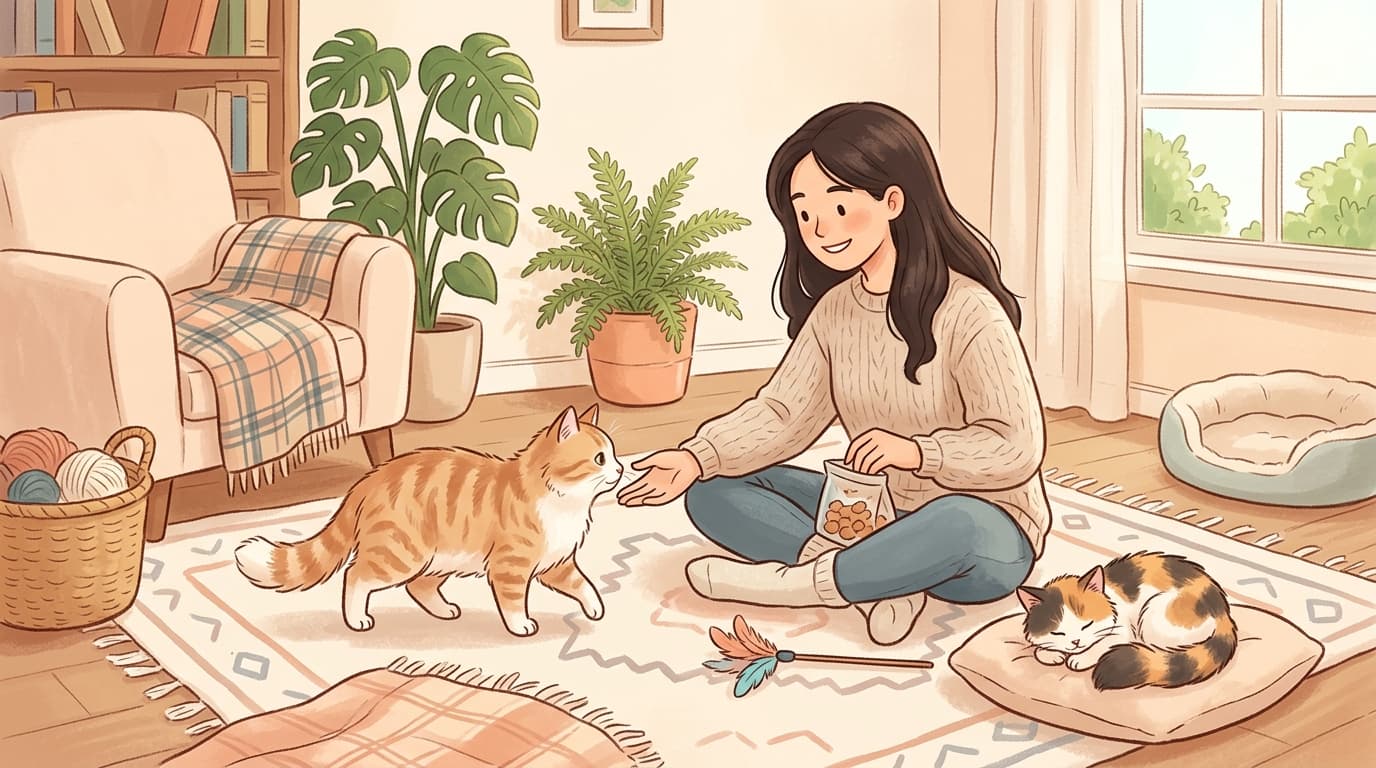
3) Feeding only dry food can leave your cat mildly dehydrated for years
Dry food is convenient, and many cats seem fine on it—until they aren’t.
Cats evolved to get a lot of their water from food. Their thirst drive can be weaker than you’d expect, which means a cat eating only dry kibble may not drink enough to fully compensate. That can create a low-grade, constant dehydration that puts extra pressure on the body over time—especially the kidneys.
Try this instead: you don’t have to ban kibble. Just add moisture back into your cat’s routine. Mix in wet food several times a week (or daily if it works for you), and consider a water fountain—many cats prefer moving water and will drink more when it’s interesting.
4) Petting the “wrong” spots can cause overstimulation and surprise bites
One minute your cat is enjoying the attention. The next minute—bite. No warning, no reason, right?
Often there was a reason: your cat got overstimulated. Cat skin can be extremely sensitive, and what starts as pleasant can turn into “too much” fast—especially with repeated strokes down the back, belly rub attempts, or attention near the tail.
And that belly display? It’s usually trust, not an invitation.
Try this instead: stick to the areas many cats find comforting: cheeks, chin, and the base of the ears. Watch for early “I’m done” signals like a twitching tail, rippling skin, sudden head turns, or a tense body. Stop while things are still good—your cat will trust you more for it.
5) Hiding the litter box can make your cat feel trapped and unsafe
A lot of people tuck the litter box away in a dark corner, behind a door, next to a loud appliance, or inside a cramped cabinet. It looks cleaner to us, but it can feel terrifying to a cat.
Using the litter box is a vulnerable moment. If your cat feels cornered, startled by noise, or unable to escape easily, they may start avoiding the box. And many “accidents” around the home aren’t spite or bad behavior—they’re a cat trying to solve a safety problem.
Try this instead: place boxes in quiet, open-ish areas where your cat has more than one exit route. And follow the simple rule for quantity: one litter box per cat, plus one extra.
6) Assuming your cat doesn’t miss you can lead to quiet loneliness
There’s a popular myth that cats are cold and don’t care when you leave. In reality, many cats form strong attachment bonds with their people.
When you’re gone for long hours, your cat may not cry like a dog—but they can still feel anxious or lonely. Their signs are subtle: sleeping more to pass time, hiding more than usual, over-grooming to self-soothe, eating less, or becoming unusually quiet.
Try this instead: set your cat up for success before you leave—rotate toys, offer puzzle feeders, create window-watching spots. And when you come home, give your cat a real reconnection moment. Even five focused minutes—playing, talking softly, or just sitting near them—can mean a lot.
A small change today can make your cat feel safer tomorrow
You don’t need to be a perfect cat owner. You just need to notice what your cat is trying to tell you and adjust the routines that add stress. A calmer voice, a better play habit, more moisture, kinder petting, a safer litter setup, and a warmer reunion can completely change how secure your cat feels in your home.
Continue reading

Does Your Cat Really Love You? 8 Quiet Signs of Trust Most People Miss
From slow tail-tip curls to choosing your seat, these 8 subtle behaviors can reveal how deeply your cat trusts you.

Why Your Cat Climbs on You: It’s Not “Just Love” (And What They’re Really Saying)
From lap-sitting to cheek rubs, your cat’s “cute” habits are secret messages about safety, scent, and trust.

Why Your Cat Walks on You at Night (And What They’re Really Trying to Tell You)
If your cat steps on your chest at night, it’s not random. Here are the real reasons—and how to respond without encouraging 5 a.m. wakeups.