Female Dog Behaviors That Secretly Mean “I’ve Got You” (And Why They’re So Different)
From quietly stepping in front of you to sensing stress, these female dog behaviors often mean protection, bonding, and deep trust.
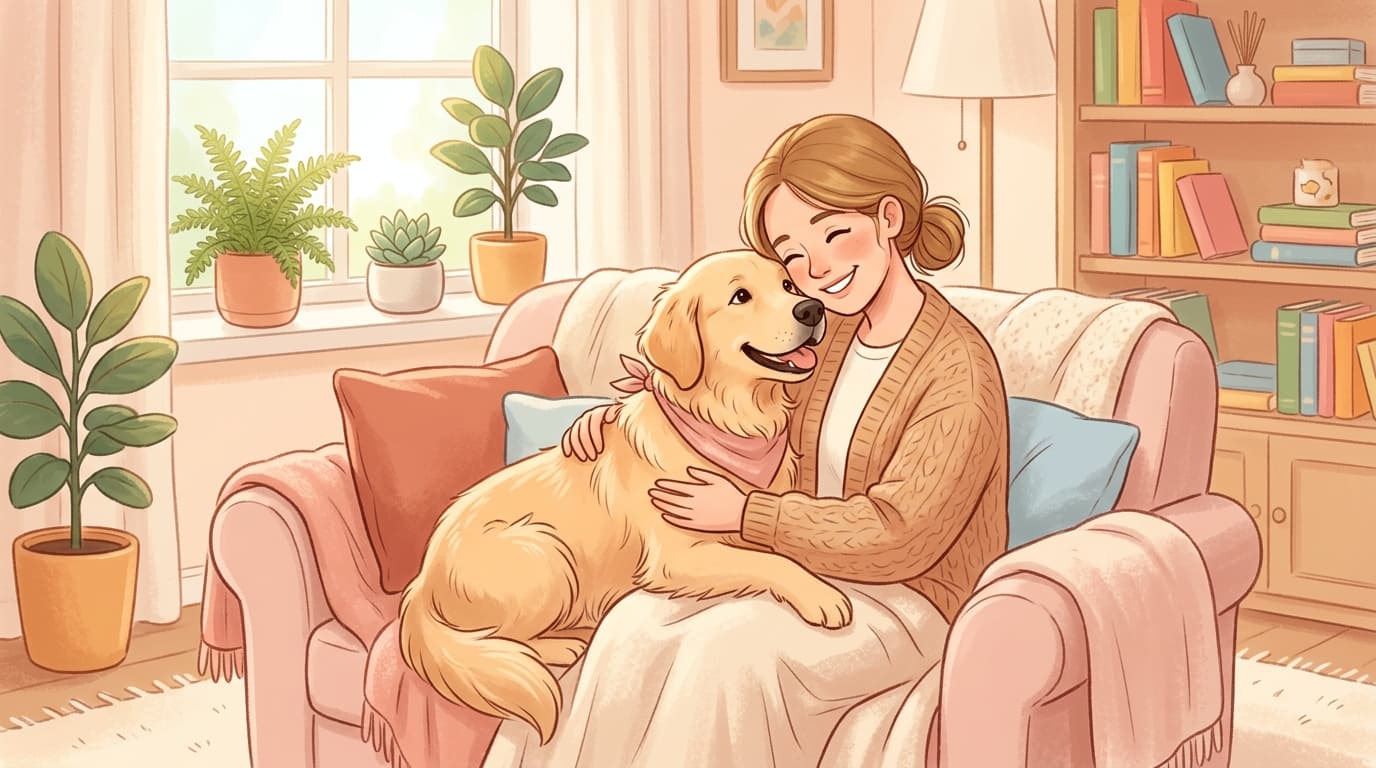
Your female dog might look like pure softness—sweet eyes, gentle manners, the kind of presence that makes a house feel calmer. But a lot of what she does isn’t “just cute.” It’s strategy, bonding, and protection wrapped up in everyday moments.
Below are some female dog behaviors that often have surprisingly big meaning, especially in homes where she’s deeply attached to her people.
Female dog behavior: quietly putting herself between you and “something off”
If you’ve ever noticed your female dog subtly shift her body so she’s between you and a stranger, the door, or a weird noise outside, that’s not random pacing. Many female dogs default to a calmer, more calculated kind of protection—less dramatic barking, more positioning.
You might see it on walks (she edges in front of your legs) or at home (she plants herself in the hallway facing the entry). It’s a physical “block” that says, “You stay back there. I’ll handle the front.”
Female dog behavior: showing up when you’re stressed—without asking for anything
One of the most heart-melting patterns with many female dogs is how they respond to your bad days. Not with chaos. Not with demands. Just presence.
If you’ve ever slumped onto the couch and suddenly felt her body settle next to you, that can be her reading the tiny changes you don’t realize you’re broadcasting—your face, your voice, your breathing, even your stress scent. And instead of trying to “fix” it, she offers the canine version of comfort: closeness, stillness, and gentle contact.
Female dog behavior: choosing a “person,” even if that person isn’t the main caretaker
Most pet owners don’t realize that the dog who gets fed the most isn’t always the dog’s favorite human. Female dogs often form a particularly intense bond with one person in the household—the one whose emotional vibe feels safest and most predictable to them.
Signs you’ve been chosen: she follows you room to room, brings you her prized toys, leans her chin on your feet while you work, or settles near you even when other people are calling her.
Female dog behavior: acting oddly gentle around babies and little kids
Even female dogs who’ve never had puppies can show surprising “mom energy” around children. You might see extra patience with clumsy hands, a tendency to hover nearby during nap time, or a habit of lying close like a warm barrier.
This isn’t weakness. It’s a nurturing instinct that can turn her into a quiet little guardian—soft with the small ones, alert to anything that feels too rough or too loud.
Female dog behavior: pausing on walks like she’s “overthinking”
That moment when she stops, stares, and seems to calculate the entire universe before taking another step? It’s easy to label it as stubbornness or fear.
But often, it’s risk assessment. Many female dogs prefer to observe first and decide second. Instead of rushing into new situations, they scan, listen, and watch your reaction too. If you’ve ever noticed her looking back at you like she’s asking, “Are we good here?”—that’s part of the process.
Female dog behavior: sticking to the person who’s sick, exhausted, or emotionally fragile
A lot of dogs are sensitive, but many owners swear their female dog becomes a full-time shadow when someone is unwell. She might follow the person with a cold, park herself next to someone recovering from an injury, or refuse to leave the side of the family member who’s clearly struggling.
Dogs pick up on subtle body changes—sweat, breath, hormones, energy level—and female dogs often respond with a very “anchor myself here” kind of care. It can look like loyalty, but it’s also a form of watchfulness.
Female dog behavior: calming the room during tension (yes, even human arguments)
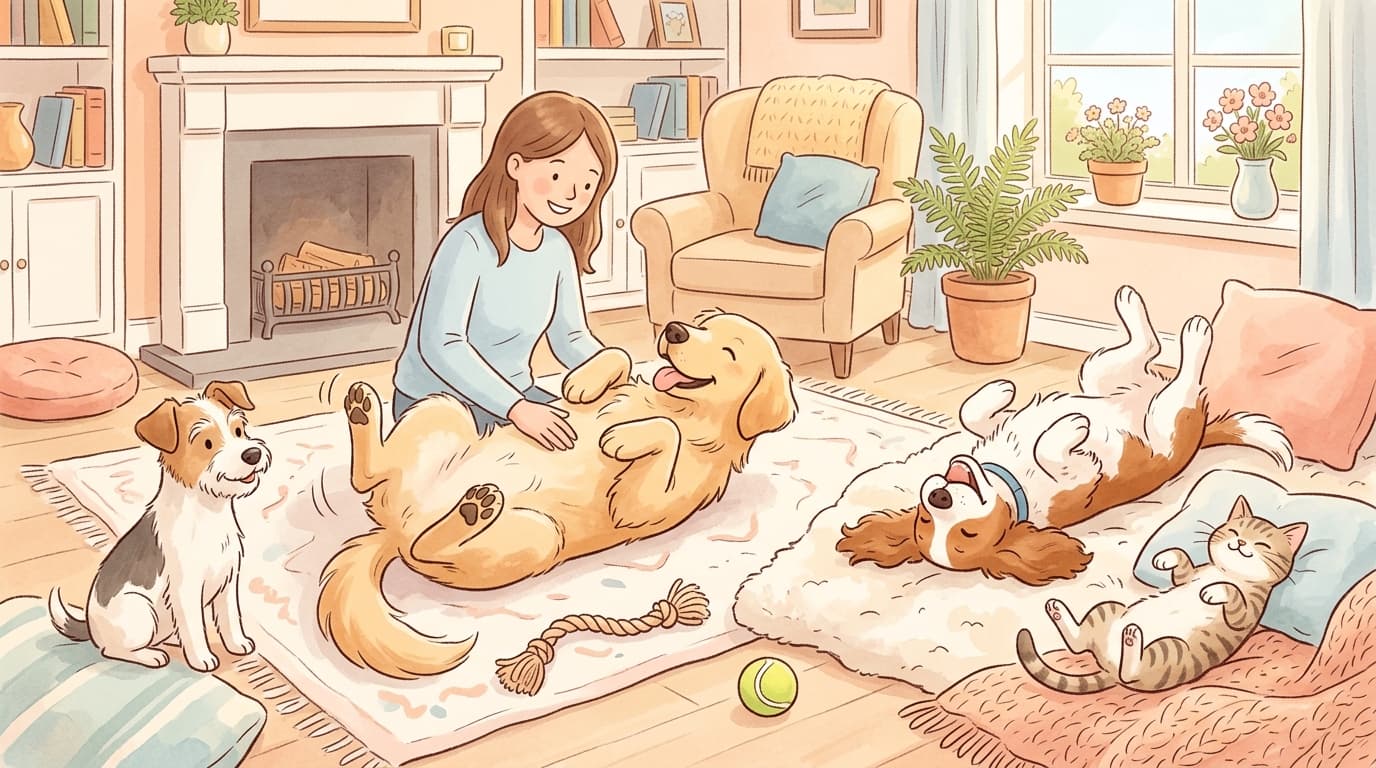
If your home gets loud—multiple dogs playing too hard, kids yelling, adults arguing—watch your female dog.
Many will step right into the middle, yawn dramatically, lick their lips, or stand perfectly still like a living pause button. Those are classic calming signals in dog body language. She’s not trying to be the boss. She’s trying to lower the temperature so the whole “pack” can breathe again.
Female dog behavior: remembering a threat for a long time
Some female dogs have a memory that feels almost unfair. A person who once scared her, a dog that rushed her, a place where something bad happened—she may remember and react long after everyone else has moved on.
This can look like “a grudge,” but it’s also a survival filing system: store the danger, avoid the danger, keep the family safe.
Female dog behavior: gathering the family like she’s counting heads
On hikes, in backyards, or anywhere your group spreads out, you may notice her running ahead, stopping, looking back, and waiting for the slowest person. Or pacing between two separated family members like she can’t relax until everyone is back in one cluster.
That’s pack management. She’s not being nosy—she’s trying to keep her people together, because together feels safe.
Female dog behavior: phantom “mom mode” with toys (or kittens, or anything small)
In unspayed females especially, you might see nesting, collecting toys, guarding them, and acting like she has a whole invisible litter to protect. This is often tied to hormonal shifts after a heat cycle, but emotionally it can look like pure devotion.
And sometimes it’s triggered by attachment: a new kitten, a baby in the house, or even one specific stuffed animal becomes her “responsibility.”
The trust signal many people misread: sitting with her back against you
If your dog settles with her back pressed against your leg (or leans into you while facing the room), it can feel like she’s ignoring you. It’s usually the opposite.
That position exposes her vulnerable side and says, “I trust you enough to not watch you.” And if she’s facing outward, she may also be doing a quiet little security job—watching what you can’t see while staying connected to your body.
A simple way to honor what she’s trying to say
Pay attention to the small, quiet choices your female dog makes: where she stands, who she follows, when she gets still, and how she responds to your mood. Those are her sentences.
The more you notice them, the more you realize she’s not just being sweet—she’s been protecting, translating, and loving you in a language made of posture and presence.
Continue reading

7 Dog Body Language Signals Most Owners Miss (And What Your Dog Is Really Saying)
From play bows to doorway guarding, learn the dog body language signals that reveal trust, comfort, and connection.

Dog Body Language Signs of Love: 7 Little Moments That Mean “You’re My Person”
From the play bow at the door to sleeping pressed against you, these dog body language signs quietly prove how much your dog loves you.

Male Dogs vs Female Dogs: 5 Real Differences You’ll Notice at Home and on Walks
From pee-mail to leash pulling and rough play, here are 5 everyday ways male dogs tend to differ from females.