9 Everyday Habits That Hurt Your Cat’s Feelings (And How to Fix Them)
From strong scents to ignoring them at the door, these daily habits can stress your cat. Simple tweaks can rebuild trust fast.
Some of the things that stress your cat out most aren’t “big mistakes.” They’re tiny, everyday habits that quietly chip away at your cat’s sense of safety—often without you realizing it. The good news is they’re also easy to change once you know what your cat is reacting to.
1) Strong artificial smells that overwhelm your cat
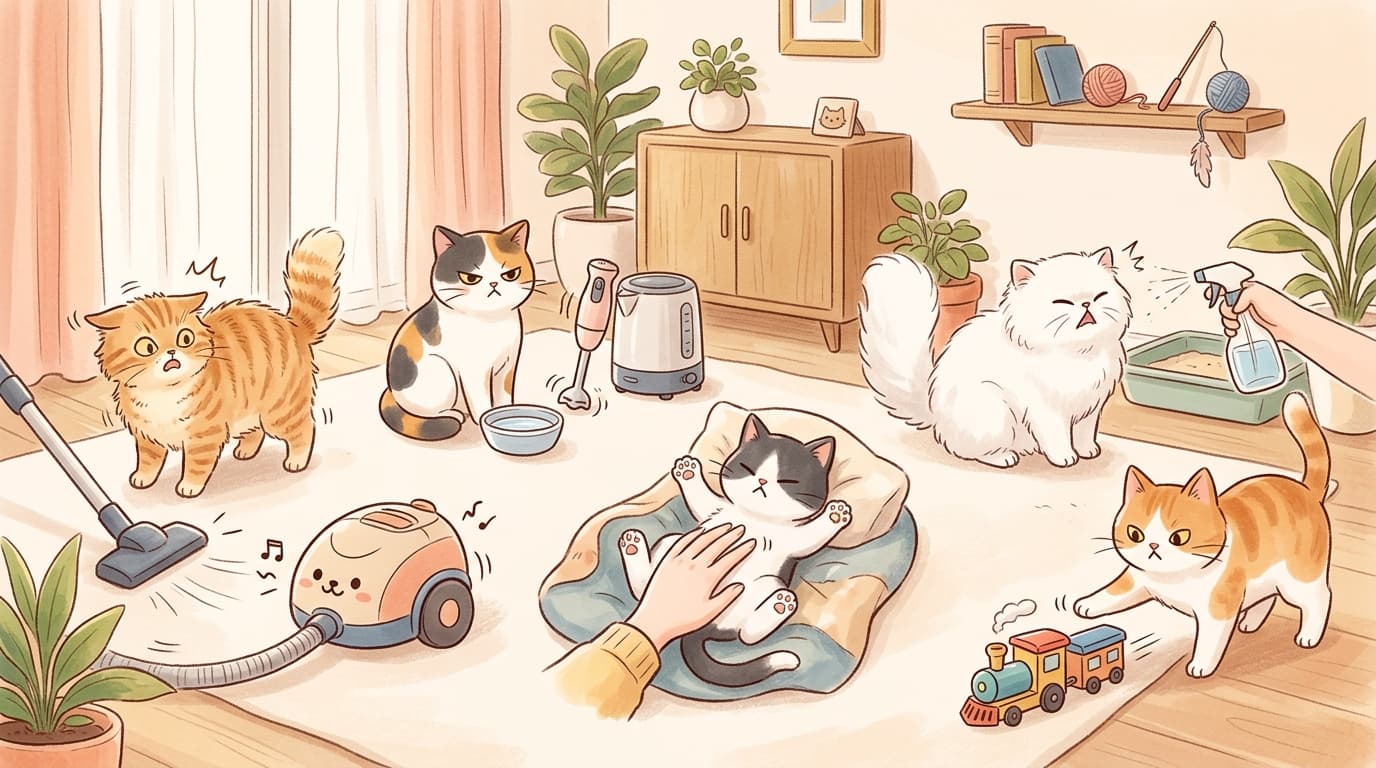
Your cat experiences the world through scent in a way we can’t fully imagine. That “clean” smell from heavy disinfectants, scented candles, plug-ins, and even strong perfume can feel like an assault to a sensitive feline nose.
One sneaky issue: wearing a strong fragrance while you’re just hanging out at home. You might think of it as self-care, but your cat relies on your natural scent to recognize you and feel grounded. When you cover that up, it can create distance and discomfort.
Try this instead: keep home air as neutral as possible. Choose unscented or low-fragrance cleaners, skip perfumed litter, and save strong perfume for right before you leave the house.
2) Forcing social time your cat didn’t choose
If you’ve ever watched your cat hesitate at the doorway when guests arrive, you’ve seen how much cats value control. Being picked up against their will, pushed toward visitors, or rushed into meeting a new pet can create a “silent trauma” that shows up later as hiding, avoidance, or ongoing social anxiety.
Cats often need time (and lots of sniffing) to decide someone is safe. When that choice is taken away, their trust in the situation—and sometimes in you—takes a hit.
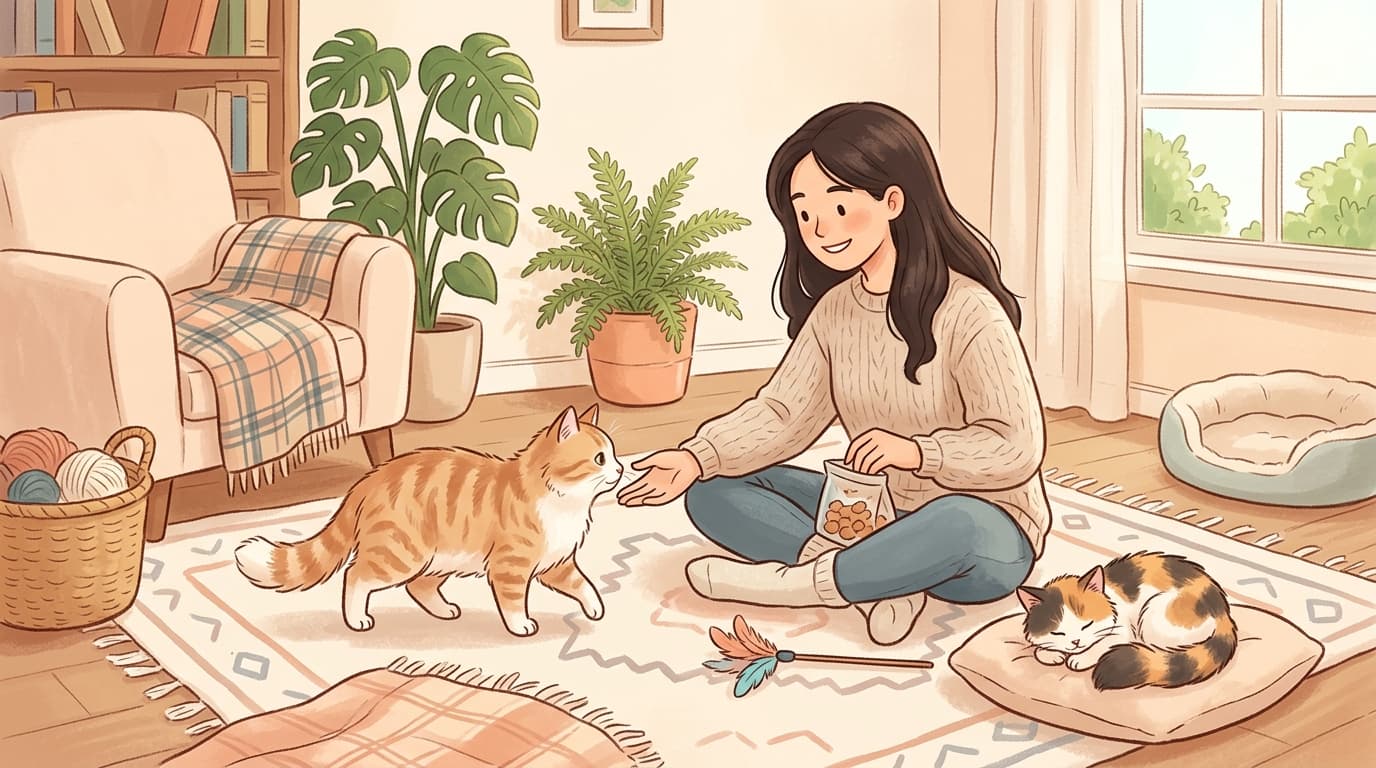
Try this instead: ask visitors to ignore your cat at first. No reaching, no chasing, no forced cuddles. Let your cat approach, sniff, and set the pace.
3) Ignoring your cat’s attempts to “talk” to you
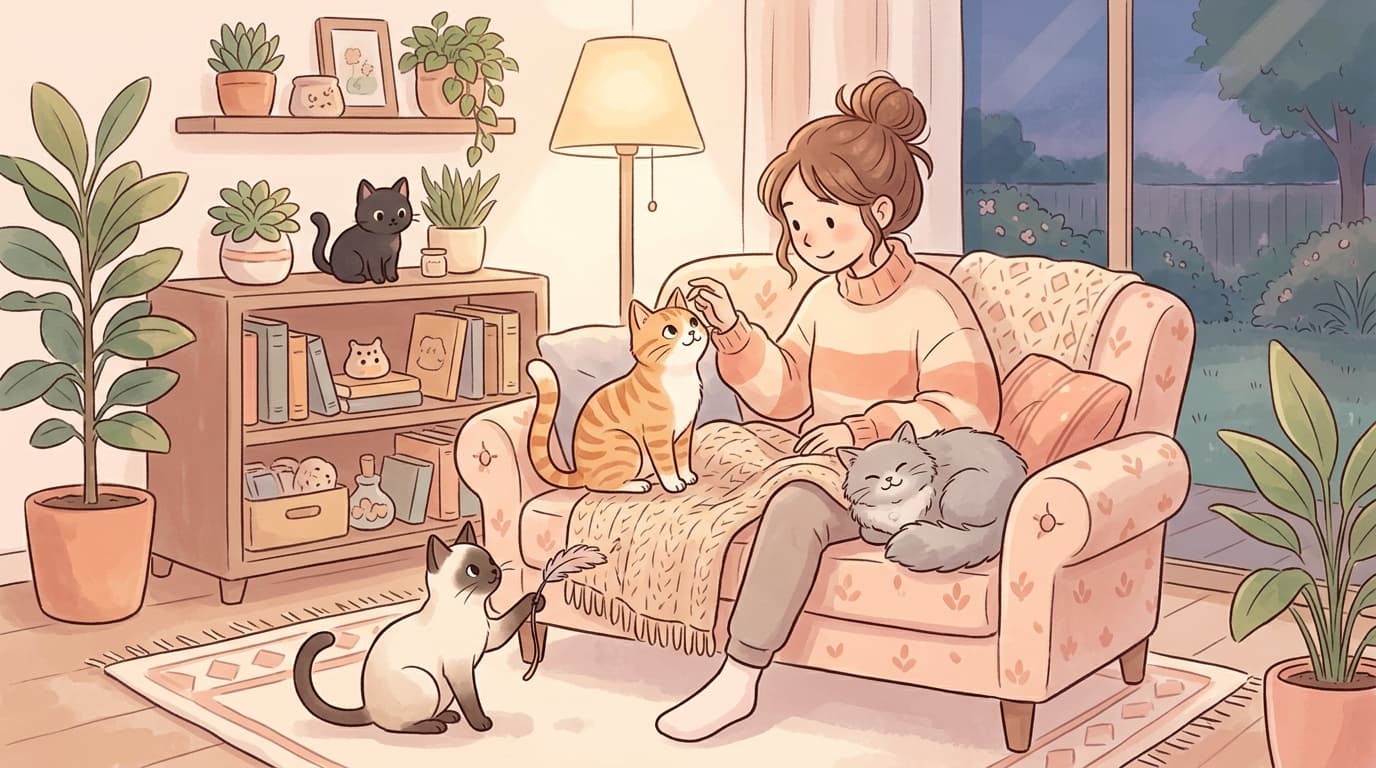
Adult cats don’t typically meow at each other much—they use meowing as a human-facing communication tool. So when your cat meows, brings a toy, or gives you that slow blink from across the room, they’re making an effort to connect.
Most pet owners don’t realize how much repeated “no response” can sting. If your cat tries to engage and you’re always absorbed in your phone or rushing around, they can start to act more distant—or more demanding—because the bond feels shaky.