How Cats Say “Please”: 5 Subtle Signals Your Cat Uses to Ask for Something
Cats do say “please”—with eye contact, meows, body rubs, and tiny routines. Learn the signals and what your cat wants.
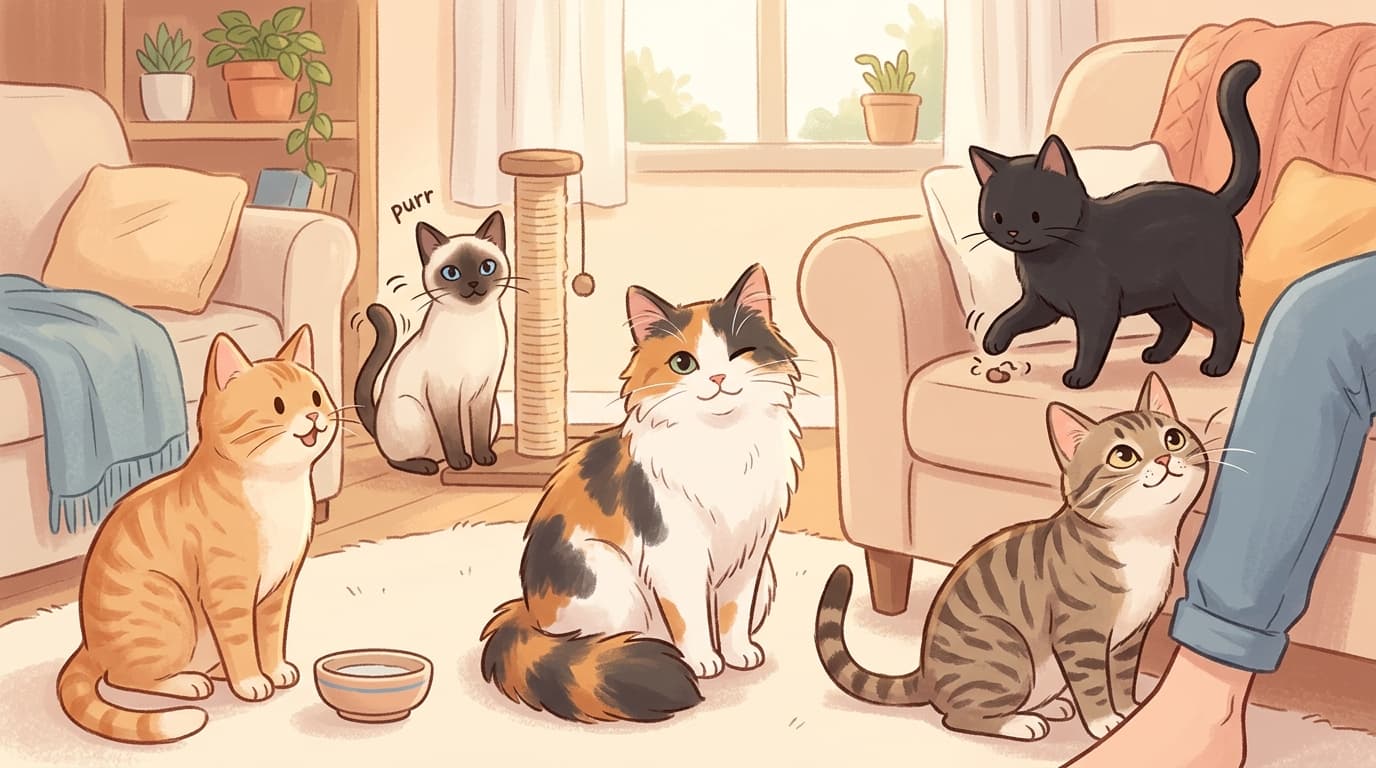
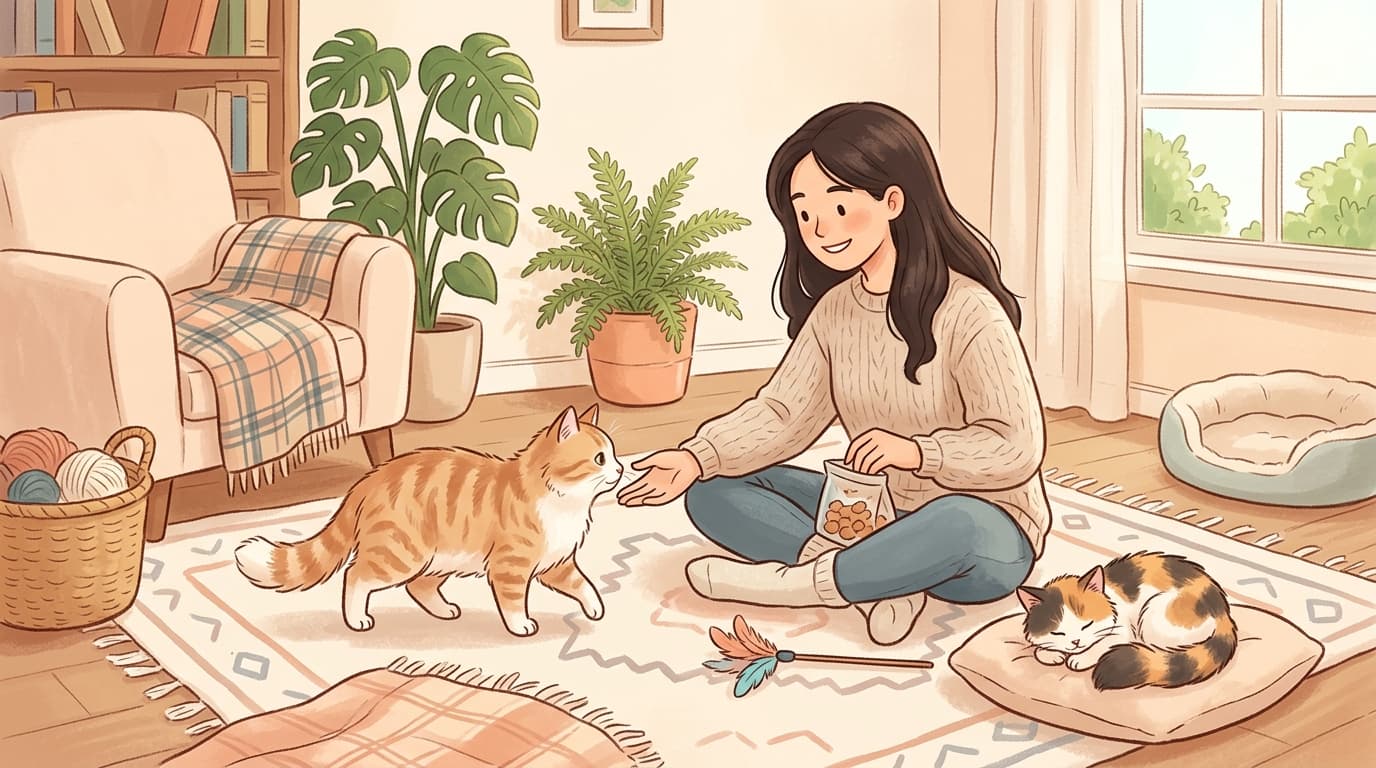
You’re relaxing on the couch, and suddenly your cat appears—staring, weaving around your legs, acting like you’re the most important thing in the room. That’s not random. Cats have a quiet, surprisingly clear way of saying “please” once you know what to look for.
The “please” look: eye contact and the slow blink
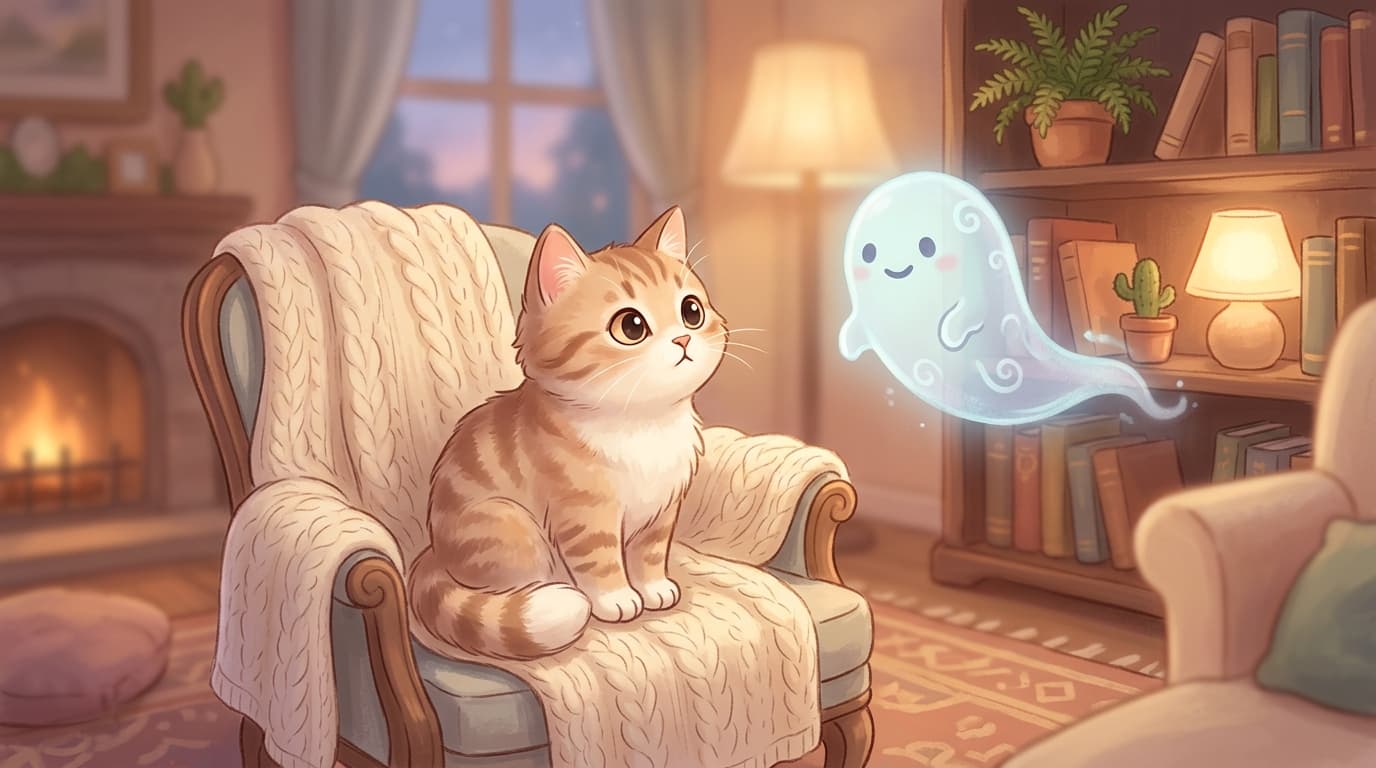
One of the softest ways cats ask for something is with their eyes. If your cat sits nearby and holds calm eye contact, they’re often trying to start a moment with you—attention first, request second.
And then there’s the slow blink. Most cat owners don’t realize how much is packed into that tiny gesture. A slow blink is a sign of trust, yes, but it can also be an invitation. It’s your cat’s way of opening a conversation: “Hey… you there?” If you slow blink back or speak gently, you’re basically replying, and that little back-and-forth often leads to the next, clearer signal.
Meowing is usually for you (and the tone matters)
Adult cats don’t rely on meowing to communicate with each other the way they do with humans. So if your cat meows at you, it’s often a deliberate “I’m talking to my person” moment.
Not all meows mean the same thing, either. A short, bright sound can be a friendly nudge—more like a casual reminder. A longer, louder, more intense meow tends to signal urgency: “I need something now.” Over time, many cats even develop their own custom sounds that you start to recognize instantly. If you’ve ever thought, “That meow means food,” you’re probably not imagining it.
Body contact: rubbing, head bumps, and getting in your way
When your cat rubs against your legs, nudges you with their head, or plants themselves directly in your path, they’re not just being cute. These moves do two things at once:
- They reinforce connection (your cat is mixing their scent with yours, which is bonding in cat-language).
- They turn up the volume on a request.
Leg weaving often ramps up around feeding times, because your cat has learned it works. A gentle head bump can read like, “Pay attention to me.” And the classic move—sitting on your laptop or sprawling across your phone—isn’t sabotage. It’s a very cat-like way of saying, “Change your priorities. I’m the priority.”