How Living With a Dog Can Boost Your Emotional Intelligence (and Your Focus, Too)
Studies suggest living with a dog may strengthen emotional intelligence, attention, and social skills in kids, teens, and adults.

Living with a dog doesn’t just change your routine—it can change the way your brain and emotions work together. Recent research suggests that everyday moments like petting your dog or meeting their gaze may support attention, self-control, and the kind of emotional awareness that makes relationships smoother.
Emotional intelligence and dogs: what the research is finding
Emotional intelligence is basically your ability to recognize emotions (in yourself and others), manage them, and respond in a balanced way. It’s what helps you stay calm during stress, communicate without escalating conflict, and read the room without overthinking it.
A 2025 study comparing people who lived with dogs to people without pets found a clear pattern: dog guardians tended to score higher in emotional intelligence. The difference was especially noticeable in people who had been living with dogs for many years—suggesting this isn’t just a “new puppy glow,” but something that can build over time.
Petting a dog may wake up your brain in a measurable way
Most pet owners don’t realize that a simple cuddle session can be more than comforting—it can be mentally activating.
A 2026 study looked at what happens in the brain during human–dog interactions using encephalography (measuring electrical activity). The researchers observed that petting a dog led to a notable increase in brain activity. Along with that, the results linked these interactions with improvements in cognitive abilities such as attention and concentration.
If you’ve ever noticed that you can think more clearly after a few minutes of stroking your dog’s fur, you’re not imagining it. Those small “reset moments” may be doing real work behind the scenes.
Why dogs can strengthen your emotional skills in everyday life
Even without formal training or therapy settings, living with a dog gently pushes you to practice emotional intelligence daily:
- You learn to read nonverbal cues. Dogs communicate through body language, posture, ears, tail, and tiny facial changes. The more you pay attention, the better you get at noticing subtle signals—something that often carries over into human relationships.
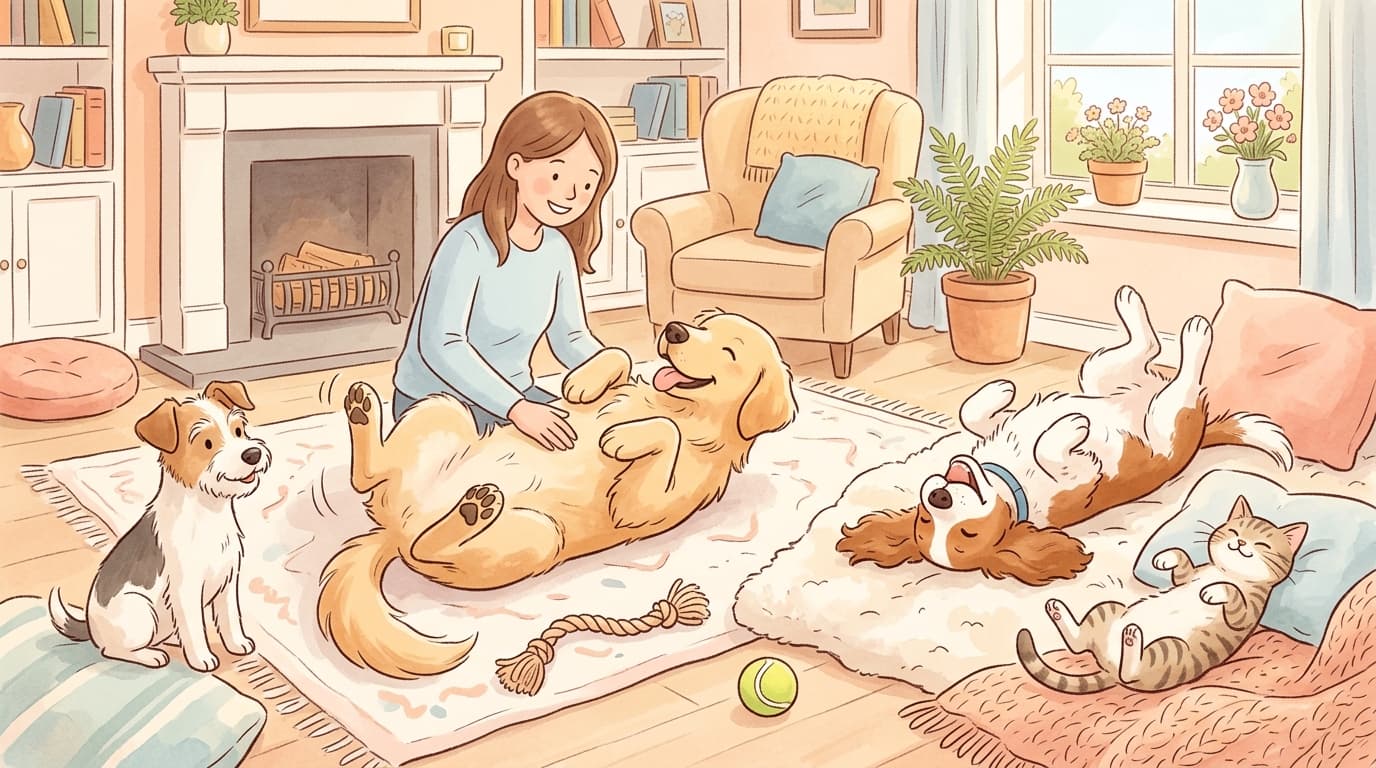
- You get repeated practice with regulation. Dogs don’t respond well to chaotic energy. When you slow down, soften your voice, and stay consistent, your dog settles—and you end up practicing calm leadership.
- You build empathy through care routines. Feeding, walking, grooming, and noticing changes in mood or appetite trains you to think outside your own head.
- You experience steady connection. Dogs are masters of being present. That reliable companionship can make it easier to process feelings instead of bottling them up.
Kids who grow up with dogs may develop stronger social and emotional skills
A Spanish study from 2021 focused on childhood development and found that children who grew up with dogs showed more advanced social development. They also tended to have a greater ability to express feelings and found it easier to interact with both adults and other children.
Think about what that looks like in real life: a child learns to be gentle, to respect boundaries, to notice when the dog wants space, and to handle excitement without overwhelming their pet. Those are social skills in disguise.
Dogs can help teens build social skills and self-control
Research has also looked at adolescents at risk of social exclusion and how structured dog-assisted therapy impacts them. The findings pointed to improvements in social skills, self-control, and personal development.
That makes sense if you’ve ever watched a teen connect with a dog: it’s a relationship with clear feedback, low judgment, and lots of opportunities to practice patience, responsibility, and trust.
Simple ways to get more emotional-intelligence benefits from your dog
You don’t need a special program to make your dog part of your emotional “toolkit.” Try a few of these:
- Do a 60-second check-in during petting. While you stroke your dog, notice your breathing and where you’re holding tension.
- Practice calm eye contact (briefly and gently). Many dogs enjoy soft eye contact, and it can become a grounding moment for you both.
- Use walks as emotional resets. Leave your phone in your pocket for the first five minutes and just observe your dog’s pace, posture, and curiosity.
- Name the emotion before you react. If you’re irritated or anxious, label it silently (“I’m stressed”). Then engage with your dog in a steady, predictable way.
Living with a dog won’t magically solve every hard day, but it can make you a little more aware, a little more steady, and a little more connected. Pay attention to how you feel after those small daily interactions—your dog may be helping you practice emotional intelligence without you even trying.
Continue reading

7 Dog Body Language Signals Most Owners Miss (And What Your Dog Is Really Saying)
From play bows to doorway guarding, learn the dog body language signals that reveal trust, comfort, and connection.

Why Your Cat Climbs on You: It’s Not “Just Love” (And What They’re Really Saying)
From lap-sitting to cheek rubs, your cat’s “cute” habits are secret messages about safety, scent, and trust.

Dog Body Language Signs of Love: 7 Little Moments That Mean “You’re My Person”
From the play bow at the door to sleeping pressed against you, these dog body language signs quietly prove how much your dog loves you.