How Long Can You Leave a Cat Alone? The Real Answer (and 5 Ways to Make It Easier)
Cats are independent, but not indifferent. Learn how long cats can be alone—and 5 simple ways to reduce stress while you’re gone.
Most people assume cats are fine solo all day because they sleep so much. But cats can bond deeply, and your absence can create real, measurable stress—especially when their routine falls apart.
How long can you leave a cat alone?
For many adult cats, being alone for a typical workday can be doable—if their needs are set up properly. The bigger issue usually isn’t the number of hours on the clock, but what happens during those hours: missed routines, an unpleasant litter box, boredom, and meals that don’t arrive the way your cat expects.
If you’ve ever come home to a clingier-than-usual cat, a sudden mess outside the litter box, or a cat that seems “off” after you’ve been away, you’ve seen how quietly stress can build.
Your cat isn’t “needy,” but they are attached to you
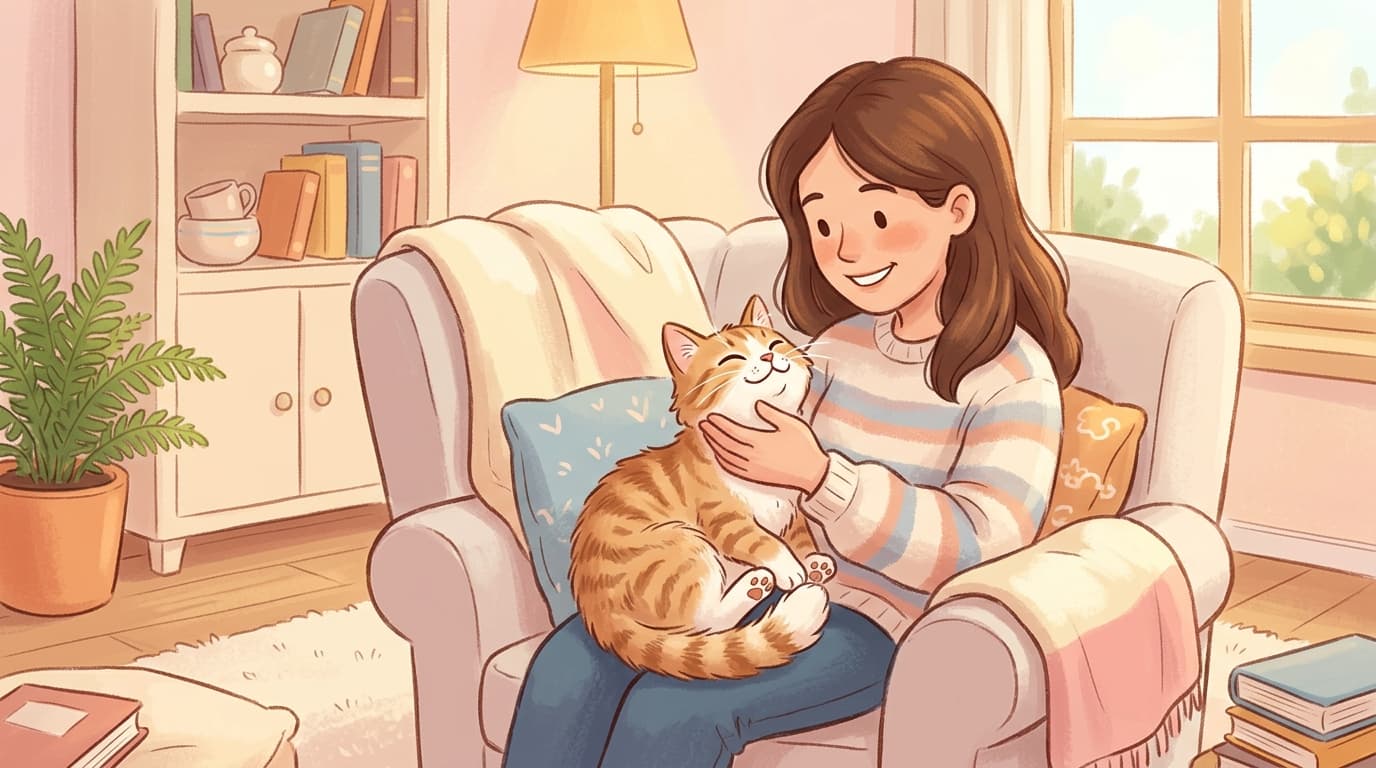
Cats don’t ask for attention the way dogs do, so it’s easy to misread them as emotionally unaffected. In reality, many cats feel safer when you’re nearby. When you leave, they notice—and because cats are masters at hiding discomfort, you may not realize anything is wrong until the stress shows up as a behavior problem.
The goal isn’t to make your cat entertained every second you’re out. It’s to make their day feel predictable, safe, and worth engaging with.
1) Protect your cat’s routine (it’s their emotional anchor)
Cats thrive on reliable patterns. Feeding time, your usual departure, your usual return—these are the “anchors” that make a cat’s world feel stable.
Try to:
- Leave the house around the same time on workdays.
- Keep your pre-leaving sequence consistent (coffee, keys, shoes—yes, they track it).
- Feed meals at the same times every day, including weekends.
To you, a flexible schedule feels freeing. To a cat, unpredictability can feel like the ground shifting under their paws.
2) Scoop the litter box before you go (and take it seriously)
A slightly dirty litter box might seem manageable when you’re home… because you can fix it quickly. But when your cat is alone, that “slightly dirty” box can become unacceptable fast.
Before a long absence:
- Scoop all boxes right before you leave.
- If you’ll be gone more than a day, arrange for someone to scoop daily.
Most pet owners don’t realize how strongly litter box hygiene connects to stress. A cat without a clean bathroom option doesn’t just feel inconvenienced—they feel unsettled.
3) Keep the territory “alive” while you’re gone
A silent, static home can be understimulating for a brain built to track motion and patterns. Passive enrichment can make a huge difference.
Easy wins:
- Leave a safe window view available (birds, squirrels, street activity).
- Add a simple change before you go: a cardboard box in a new spot, a paper bag to explore, a couple of treats hidden in two or three places.
A cat that’s investigating their environment is a cat whose attention is pointed outward—not stuck on the fact that you’re missing.
4) Use enrichment that matches how cats actually play
Many “normal” toys fail when you’re not there because they don’t do anything. Cats quickly decide a motionless object isn’t prey—and then it becomes furniture.
Better options are toys that move, dispense food, or require effort:
- Puzzle feeders loaded with part of your cat’s daily dry food
- Food-dispensing balls on hard floors
- Lick mats with wet food or pâté
Also: rotate toys. A puzzle that was exciting the first week can become boring by the fortieth time.
5) Don’t leave one big pile of food for the whole day
This is one of the most common “helpful” habits that backfires.
It can cause two problems:
- Stress eating: some cats eat compulsively when anxious, then overeat, vomit, or gain weight.
- Food refusal: picky or anxious cats may reject food that’s been sitting out for hours, meaning they barely eat while you’re gone.
Even deeper than appetite is what meals represent: feeding times act like a daily safety signal. When food shows up reliably, your cat’s day feels “on track.” When it doesn’t, stress rises.
If you’ll miss a meal, a scheduled automatic feeder can be the difference between a stable routine and a day that feels broken to your cat.
If you’ll be gone overnight, plan for real company—not just a bowl refill
For longer absences, your cat needs more than food delivery. Arrange for a trusted person to visit twice a day—not only to feed, but to spend real time with your cat. Prolonged isolation without human contact is stressful for many cats, even the ones that seem “independent” when you’re home.
The takeaway
Your cat isn’t indifferent to you leaving—they’re sensitive to the patterns you keep and the ones you break. Nail the routine, keep the litter box clean, add simple enrichment, and make meals predictable, and you’ll come home to a cat who truly rested instead of just endured the day.
Continue reading

Bengal vs Savannah Cat: Personality, Size, and Care Differences That Actually Matter
Bengal vs Savannah cats: compare size, personality, energy, and care needs so you can pick the breed that fits your home.

8 Simple Ways to Show Your Cat Affection (That Most People Rarely Do)
From pre-meal play to cozy boxes, these 8 small habits make your cat feel safer, calmer, and more connected to you.

Pumpkin for Cats: The Simple Food Add-In That Supports Digestion and Helps Push Out Worms
Plain pumpkin puree can support your cat’s digestion and make the gut less welcoming for worms—plus most cats accept it well.