Living With a Dog Can Boost Your Emotional Intelligence (And Research Backs It Up)
Research suggests living with a dog can improve emotional intelligence, attention, empathy, and social skills in kids and adults.
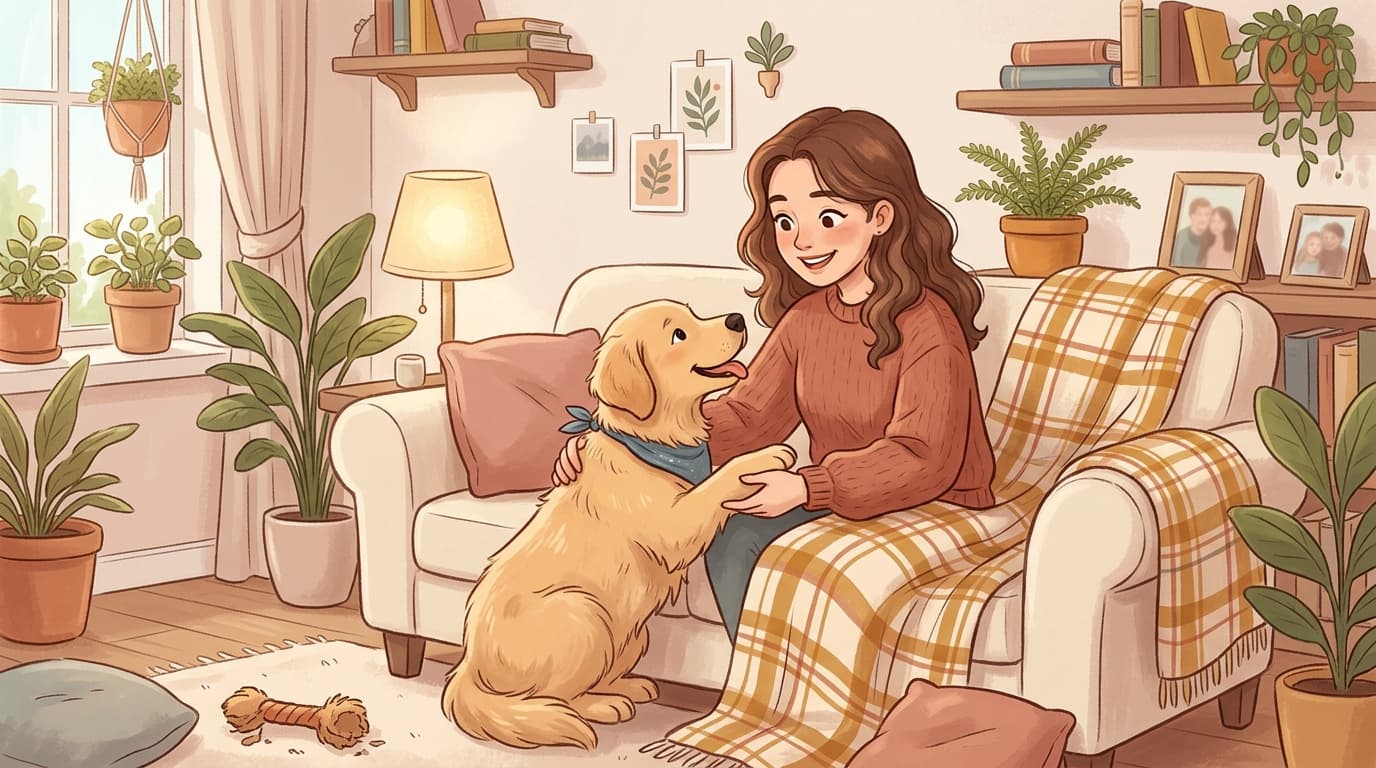
Living with a dog can quietly change the way your brain and your heart work. It’s not just about feeling less lonely—research suggests daily life with dogs may actually boost emotional intelligence.
Emotional intelligence is your ability to recognize, understand, and manage your own emotions, while also reading the feelings of the people around you. In real life, it looks like better self-control, more empathy, and smoother relationships—at home, at work, and everywhere in between.
What emotional intelligence really looks like in daily life
Emotional intelligence isn’t about being “nice” all the time or never getting upset. It’s the skill of noticing what you’re feeling, naming it accurately, and choosing what to do next instead of running on autopilot.
It also includes being able to pick up on someone else’s mood—like realizing a friend’s “I’m fine” doesn’t sound fine—or adjusting your approach when you can tell a conversation is getting tense. Most pet owners don’t realize how often dogs pull us into these tiny moments of awareness.
How living with a dog can strengthen emotional intelligence
Dogs are emotional creatures, and they communicate constantly—just not with words. When you live with a dog, you get daily practice in:
- Reading nonverbal cues: posture, tail position, facial expressions, energy levels
- Regulating your reactions: staying calm during barking, accidents, or stressful walks
- Practicing empathy: responding to fear, excitement, discomfort, or overstimulation
- Building consistency: routines that encourage patience and responsibility
If you’ve ever noticed your dog getting restless before you even realized you were stressed, you’ve seen this connection in action. Over time, that kind of feedback loop can make you more tuned in—both to yourself and to others.
What brain research suggests happens when you pet a dog
Recent research has looked at what happens in the brain during simple dog-human interactions like petting and eye contact. Using brain activity measurements, scientists observed that touching a dog can increase electrical activity in the brain.
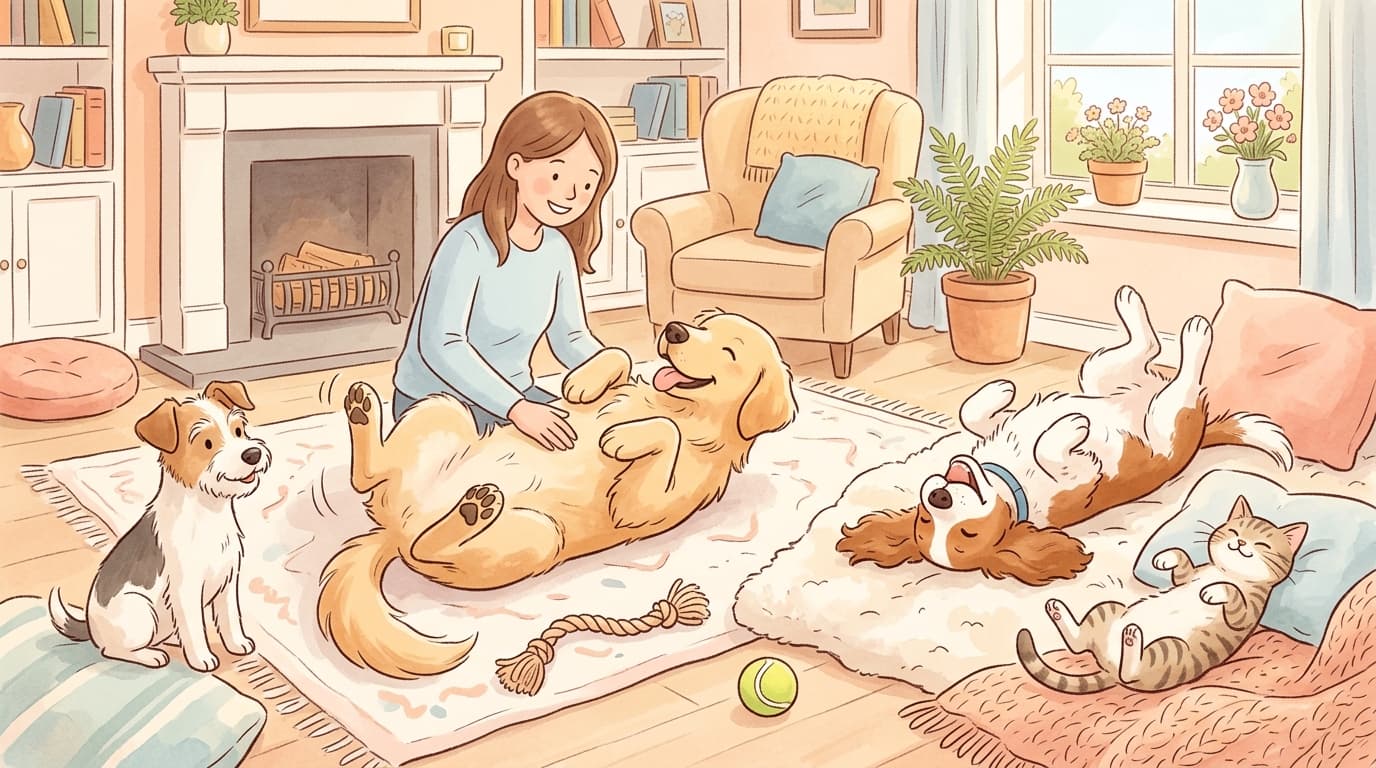
In everyday terms, that lines up with improved mental skills such as attention and concentration—the same skills that help you pause, think, and respond thoughtfully (instead of snapping, spiraling, or shutting down). It’s a small action—hand on fur, a few slow strokes—but your nervous system often treats it like a reset.
Long-term dog owners tend to score higher in emotional intelligence
Another line of research compared emotional intelligence levels between people living with dogs and those without pets. The takeaway was clear: people who share life with dogs tend to show higher emotional intelligence, and the effect appears stronger the longer they’ve lived with a dog.
That makes sense if you think about emotional intelligence as a “use it or lose it” skill. Years of daily check-ins—Is my dog anxious? Overexcited? Comfortable?—can train you to notice emotions earlier and respond better.
Why the effect can be even bigger for kids and teens
For children and adolescents, emotional and social skills are still under construction. Adding a dog to the household can create more chances to practice empathy, communication, and self-regulation in a natural way.
A study on childhood development found that kids who grow up with dogs often show:
- More advanced social development
- Better ability to express feelings
- Easier interactions with adults and other children
Dogs can act like social “bridges.” A child who feels shy talking to adults may feel more confident speaking up when it’s about the dog. And caring for a pet—feeding, gentle handling, noticing needs—turns emotions into something practical and understandable.
Dogs in youth programs: social skills, self-control, and confidence
Researchers have also looked at teens facing social challenges, including adolescents at risk of social exclusion. In structured programs that involve therapy work with dogs, participants often show improvements in:
- Social skills (communication, cooperation, trust)
- Self-control (pausing before reacting, managing frustration)
- Personal development (confidence, motivation, sense of progress)
A dog doesn’t judge your past or your popularity. That steady, responsive presence can make it easier for a teen to practice new behaviors and feel safe doing it.
Simple ways to “use” your dog to build emotional intelligence at home
You don’t need a special program to get the benefits. Daily life is already full of small training moments—for you and your dog.
- Practice naming emotions out loud: “You look startled” or “I’m feeling overwhelmed, let’s take a calm walk.”
- Use walks as decompression time: leave the phone in your pocket for part of the walk and notice your dog’s pace and focus.
- Reward calm (in both directions): when your dog settles, take a breath and soften your own body language too.
- Pay attention to patterns: does your dog get clingy when you’re stressed? Do you get impatient when you’re rushed? Those are clues worth keeping.
The takeaway
Living with a dog is more than companionship—it’s daily practice in empathy, attention, and emotional regulation. Over time, those small moments of connection can shape how you understand feelings, respond to stress, and relate to the people around you.
Continue reading

7 Dog Body Language Signals Most Owners Miss (And What Your Dog Is Really Saying)
From play bows to doorway guarding, learn the dog body language signals that reveal trust, comfort, and connection.

Dog Body Language Signs of Love: 7 Little Moments That Mean “You’re My Person”
From the play bow at the door to sleeping pressed against you, these dog body language signs quietly prove how much your dog loves you.

Male Dogs vs Female Dogs: 5 Real Differences You’ll Notice at Home and on Walks
From pee-mail to leash pulling and rough play, here are 5 everyday ways male dogs tend to differ from females.