Maine Coon Cats: 5 Fascinating Facts About This Gentle Giant
From their huge size to their chirpy “talking,” these Maine Coon facts explain why the breed is such a beloved gentle giant.
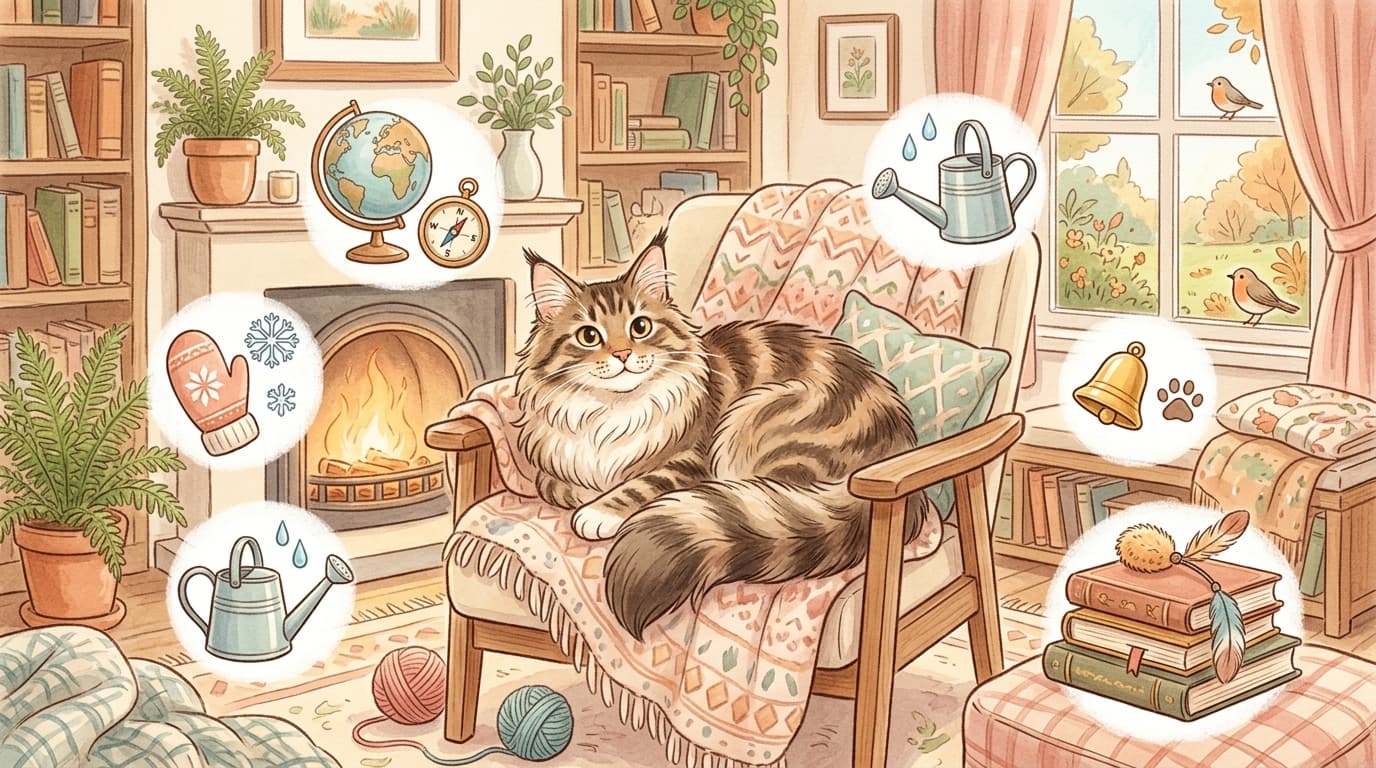
The Maine Coon cat is basically the “gentle giant” of the cat world—big enough to turn heads, sweet enough to win over people who swear they’re not cat people. Most pet owners don’t realize how social and expressive this breed can be until they live with one.
1) Maine Coon cats are seriously large
One of the most famous Maine Coon facts is their size. This is one of the largest domestic cat breeds in the world, and full-grown males can reach around 25 pounds.
That size can look intimidating at first, but it’s usually paired with a surprisingly easygoing vibe. If you’ve ever met a Maine Coon in person, you may have noticed they often carry themselves with a calm, confident presence—more “friendly roommate” than “mysterious predator.”
2) They’re known for being sociable (and a little clingy)
Plenty of cats enjoy their own space. Maine Coons often prefer being where you are.
This breed is famous for tagging along from room to room, watching what you’re doing, and acting like they’re part of every household decision. Cooking dinner? They’re supervising. Folding laundry? They’re helping (or at least sitting directly on the warm pile). If you want a cat with a more dog-like interest in family life, the Maine Coon cat tends to fit the bill.
3) The raccoon-tail legend is fun… but not true
The name “Maine Coon” comes with a popular legend: that the breed is related to raccoons because of its long, fluffy, ringed tail.
It’s a great story, and the tail really does have that bold, bushy look that makes people do a double-take. But Maine Coon cats aren’t related to raccoons. The resemblance is just that—a resemblance—and the legend stuck because it’s too charming to disappear.
4) Their origin story is American… with a twist of mystery
The Maine Coon is believed to have developed in the U.S. state of Maine in the 19th century, but their exact roots aren’t perfectly pinned down.
One theory you’ll hear a lot is that they descended from cats brought over by Vikings, partly because they resemble Norwegian Forest Cats. Whether that Viking connection is true or not, it adds to the Maine Coon’s “old soul” reputation—and helps explain why people talk about this breed like it has a bit of folklore built in.