Netherlands Bans Scottish Fold and Sphynx Cats: What the 2026 Rule Means for Pet Owners
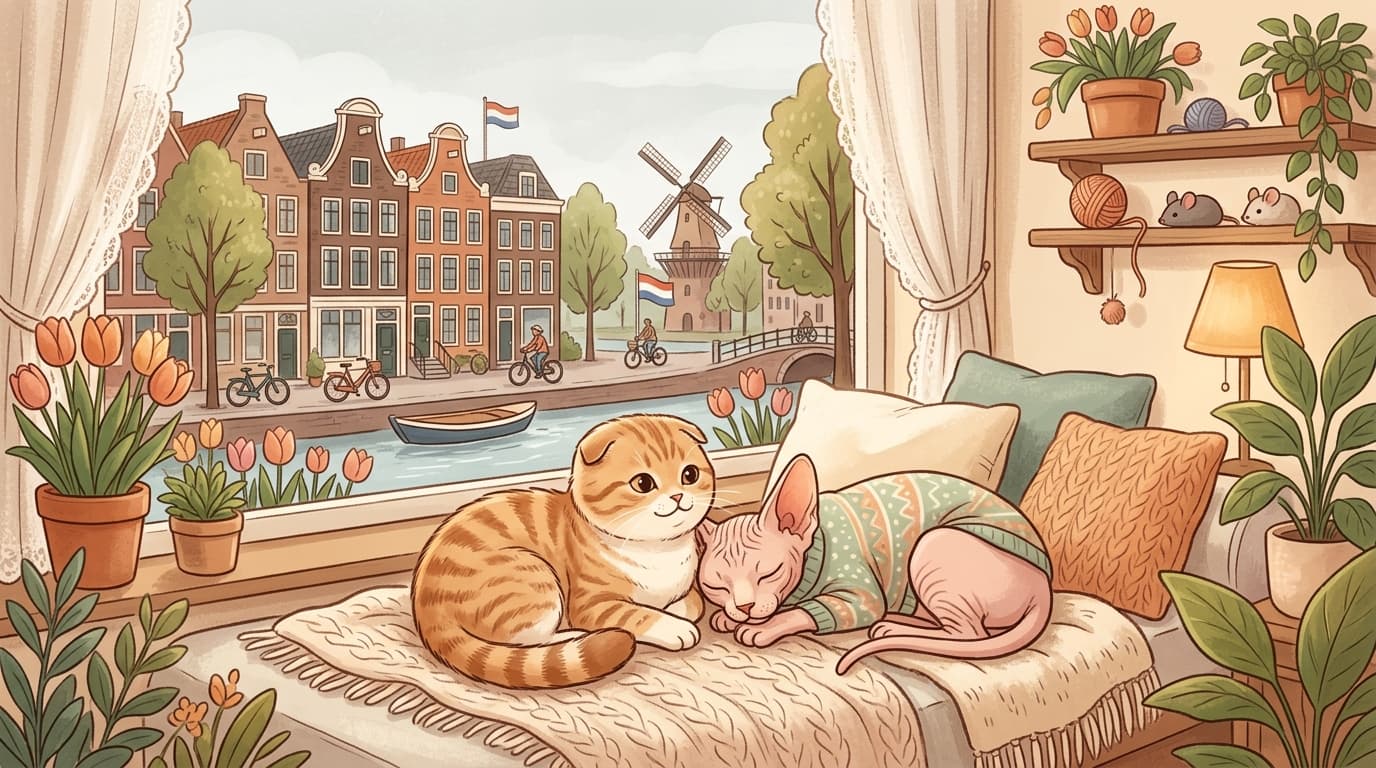
Cute ears and a “naked” look have made Scottish Folds and Sphynx cats wildly popular. But in the Netherlands, those signature features are now being treated as red flags—not quirks. Starting in 2026, owning certain cats with folded ears or no hair will be prohibited due to serious welfare concerns.
The Netherlands’ 2026 ban on Scottish Fold and Sphynx cats, in plain English
From 2026 onward, cats with folded ears (like the Scottish Fold) and hairless cats (like the Sphynx) are banned in the Netherlands for health-related reasons.
There’s an important detail, though: cats born before January 1, 2026 can remain with their families as long as they’re microchipped (identified) before that date. Cats born after that—or cats that aren’t properly identified—fall under the ban.
On top of that, these cats won’t be allowed to participate in cat shows or exhibitions in the Netherlands. The government is also considering limits on their appearance in advertising and social media, aiming to reduce their commercial appeal.
Why Scottish Fold cats are more than “cute ears”
If you’ve ever seen a Scottish Fold in person, you know the look: small, folded ears and a round, sweet expression. The problem is that the folded ear isn’t just a harmless trait—it comes from a genetic mutation affecting cartilage.
And cartilage doesn’t only exist in the ear.
That same mutation can affect the cat’s bones and joints, leading to a condition called osteochondrodysplasia. In everyday terms, this can mean a lifetime of joint deterioration and discomfort.
Common outcomes associated with this condition include:
- Chronic pain
- Stiffness and reduced mobility
- Limping
- Early-onset arthritis
- Severe cases that can even involve paralysis
Most pet owners don’t realize that the “adorable” ear fold is tied to a body-wide issue—and that this joint damage is considered incurable.
Why Sphynx cats face unique health struggles
The Sphynx has its own kind of charm: elegant lines, expressive eyes, and that famous hairless skin. But the lack of fur—and even reduced or absent whiskers—can create real day-to-day challenges for the cat.
Without a coat for protection, Sphynx cats can be more prone to:
- Skin and ear infections
- Trouble regulating body temperature
- Higher vulnerability to cold
- Higher vulnerability to sun exposure (they can burn easily)
- Weaker sensory performance without normal whiskers
If you’ve ever noticed a hairless cat seeking out warm spots constantly, that’s not just personality—it’s often a basic comfort need.
What happens if you already have one of these cats?
Under the Dutch rules described, families aren’t being told to give up cats already living in their homes—as long as those cats were born before January 1, 2026 and are microchipped before that date.
The bigger shift is what comes next: discouraging (and effectively stopping) the future keeping, showcasing, and potentially even promoting of these breeds in the Netherlands.
A bigger European push against “extreme trait” breeding
This decision doesn’t exist in a bubble. Across Europe, there’s growing scrutiny of breeds selected primarily for extreme physical traits—especially when those traits are linked to predictable suffering.
The core message behind the ban is pretty simple: a pet’s look shouldn’t come at the cost of lifelong pain, constant infections, or struggling to stay warm.
The takeaway for cat lovers
If you love cats, it’s worth looking past what’s trendy and asking how that “signature” feature affects daily life for the animal. The Netherlands’ Scottish Fold and Sphynx cat ban is a strong reminder that the sweetest-looking traits can sometimes hide the hardest realities. Choose pets—and support breeders—who prioritize comfort, function, and well-being over aesthetics.
Continue reading

How to Stop Your Cat From Throwing Litter Out of the Box (Fast, Lasting Fixes)
Messy litter box? Fix litter flinging with the right box, litter type, fill depth, placement, and a cleaner routine.

Which Cat Breed Is “Best”? A Real-World Comparison of Personalities, Care, and Ethics
A practical cat breed comparison—from mixed-breed house cats to Persians, Bengals, and Scottish Folds—plus what “best” really means.

Where Your Cat Sleeps Says a Lot About Love (7 Favorite Spots Decoded)
From your feet to your pillow, your cat’s sleeping spot is a quiet love letter. Here’s what 7 common choices really mean.