Netherlands Bans Scottish Fold and Sphynx Cats: What the 2026 Rule Means for Pet Owners
From 2026, the Netherlands bans Scottish Fold and Sphynx cats due to health concerns. Here’s what it means and why it matters.
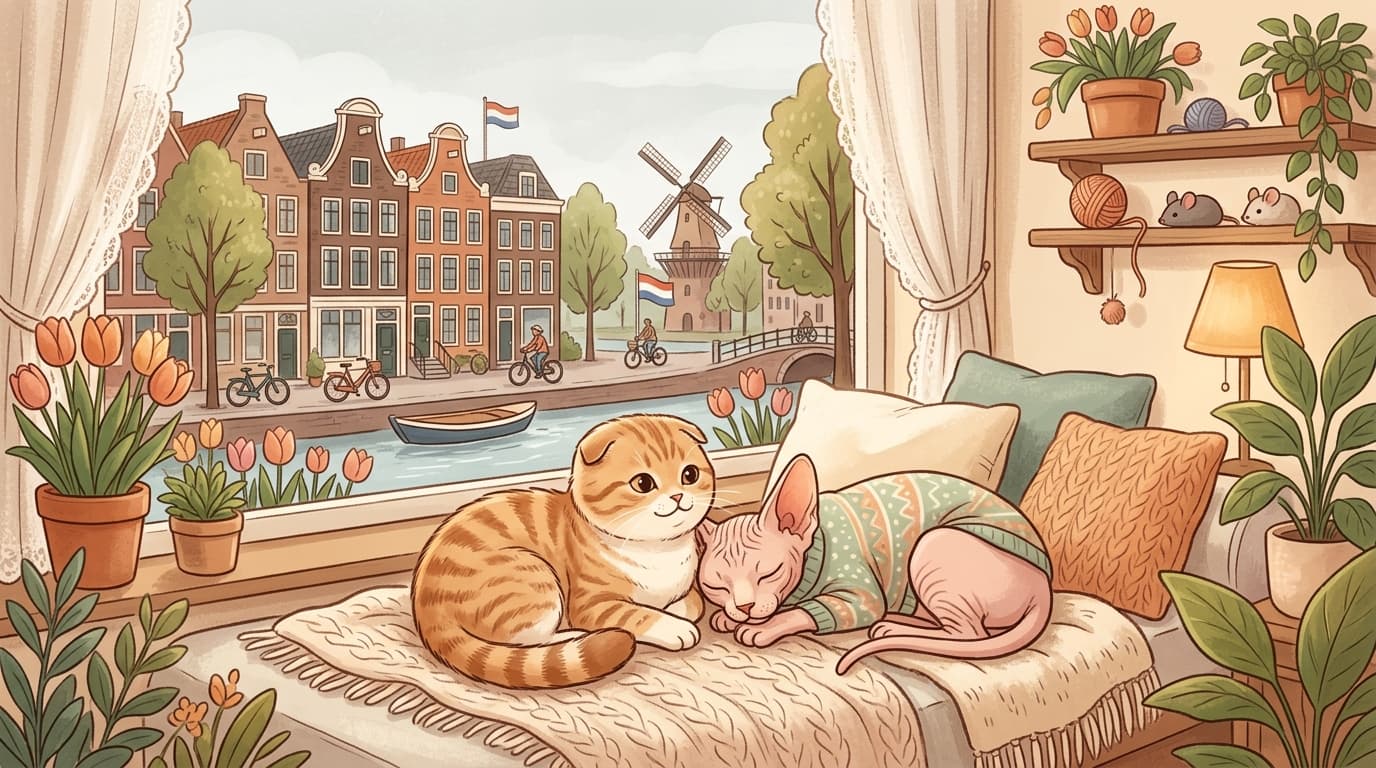
Cute ears and a “naked” look have made Scottish Folds and Sphynx cats wildly popular. But in the Netherlands, those signature features are now being treated as red flags—not quirks. Starting in 2026, owning certain cats with folded ears or no hair will be prohibited due to serious welfare concerns.
The Netherlands’ 2026 ban on Scottish Fold and Sphynx cats, in plain English
From 2026 onward, cats with folded ears (like the Scottish Fold) and hairless cats (like the Sphynx) are banned in the Netherlands for health-related reasons.
There’s an important detail, though: cats born before January 1, 2026 can remain with their families as long as they’re microchipped (identified) before that date. Cats born after that—or cats that aren’t properly identified—fall under the ban.
On top of that, these cats won’t be allowed to participate in cat shows or exhibitions in the Netherlands. The government is also considering limits on their appearance in advertising and social media, aiming to reduce their commercial appeal.
Why Scottish Fold cats are more than “cute ears”
If you’ve ever seen a Scottish Fold in person, you know the look: small, folded ears and a round, sweet expression. The problem is that the folded ear isn’t just a harmless trait—it comes from a genetic mutation affecting cartilage.
And cartilage doesn’t only exist in the ear.
That same mutation can affect the cat’s bones and joints, leading to a condition called osteochondrodysplasia. In everyday terms, this can mean a lifetime of joint deterioration and discomfort.
Common outcomes associated with this condition include:
- Chronic pain
- Stiffness and reduced mobility
- Limping
- Early-onset arthritis
- Severe cases that can even involve paralysis
Most pet owners don’t realize that the “adorable” ear fold is tied to a body-wide issue—and that this joint damage is considered incurable.