Female Dogs Aren’t Just “Smaller Males”: 8 Key Differences Every Dog Owner Should Know
Female dogs often learn faster, bond differently, and hide pain better. Here are 8 real-life differences to understand your girl.
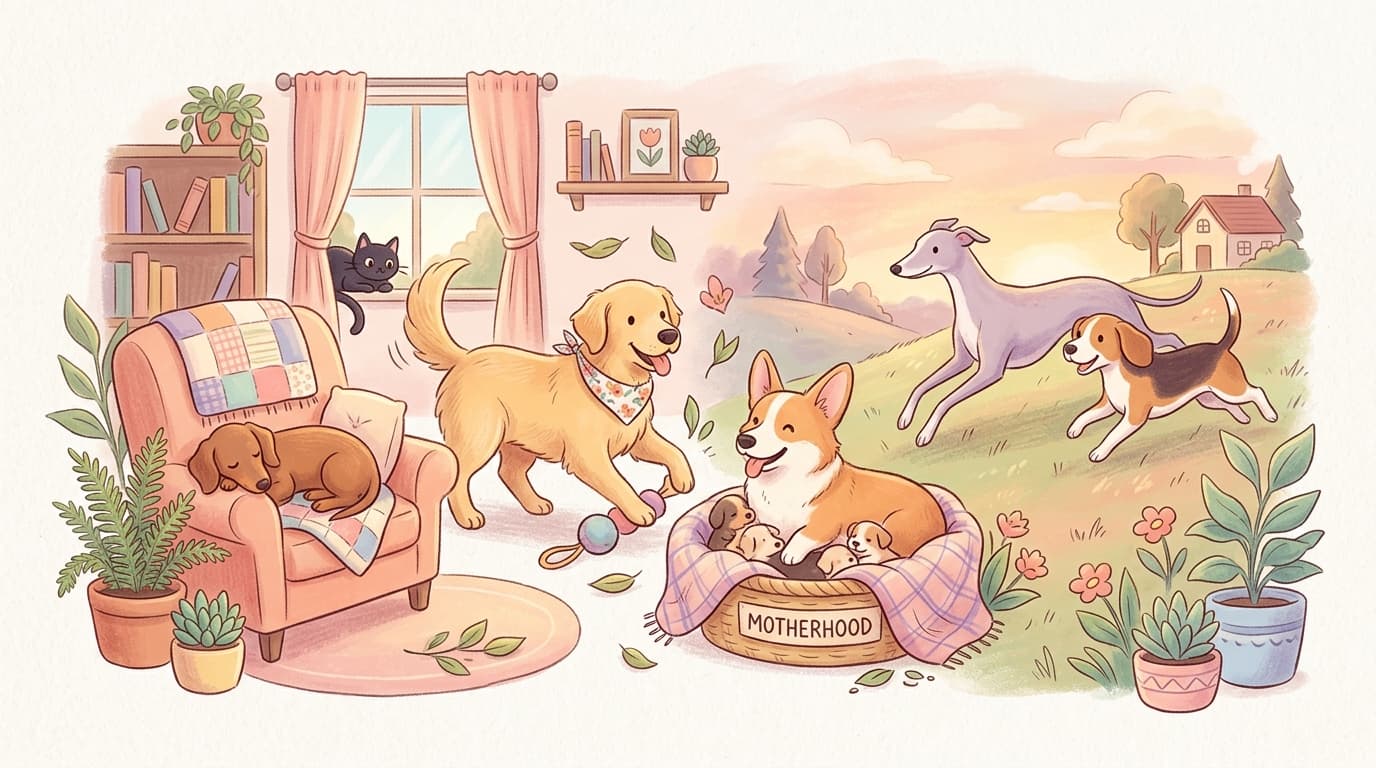
If you’ve ever felt like your female dog is quietly “reading the situation” while other dogs barrel right in, you’re not imagining it. Female dogs often move through the world with a different rhythm than males—different motivations, different social choices, and even different ways of showing (or hiding) discomfort.
Below are eight differences that can help you understand your girl more clearly—and work with her instead of feeling confused by her.
1) Female dogs can be quiet strategists
A lot of male dogs tend to respond fast: movement happens, they’re in it. Many female dogs, by contrast, pause first. That tiny moment of hesitation can look like stubbornness, but it’s often processing.
Studies on canine cognition have found female dogs can perform especially well on tasks that involve cooperating with humans and following human cues. In everyday life, that can show up as a dog who seems to “think it through” before she commits.
What this means for you: If your female dog hesitates before a cue, try not to rush to repeat yourself five times. Give her a beat to decide, then reward the choice you want. Many females do best with clarity and purpose, not pressure.
2) The heat cycle creates a real hormonal roller coaster
If your female dog is unspayed, her body goes through major hormonal shifts about every six months. Estrogen rises first (often bringing physical changes and more emotional sensitivity), then progesterone becomes dominant (which can look like calm… or anxiety, clinginess, or sudden “leave me alone” vibes).
Male dogs don’t have that same cyclical swing. And even if your female is spayed, early hormone exposure during development can still shape temperament and emotional responsiveness.
What this means for you: If your dog suddenly seems extra sensitive, needy, or withdrawn and she’s intact, check the calendar. Patterns often repeat from cycle to cycle.
3) Female dogs can be selective guardians
Most people assume the loud dog is the protective dog. But a lot of female dogs protect in a quieter way: watching, positioning, and deciding whether action is necessary.