The Physics Behind Cat Jumps: How Cats Leap So High With Seemingly Zero Effort
Cats don’t jump “by magic.” Learn how vision, muscle power, and a flexible spine make cat jumps so precise and high.
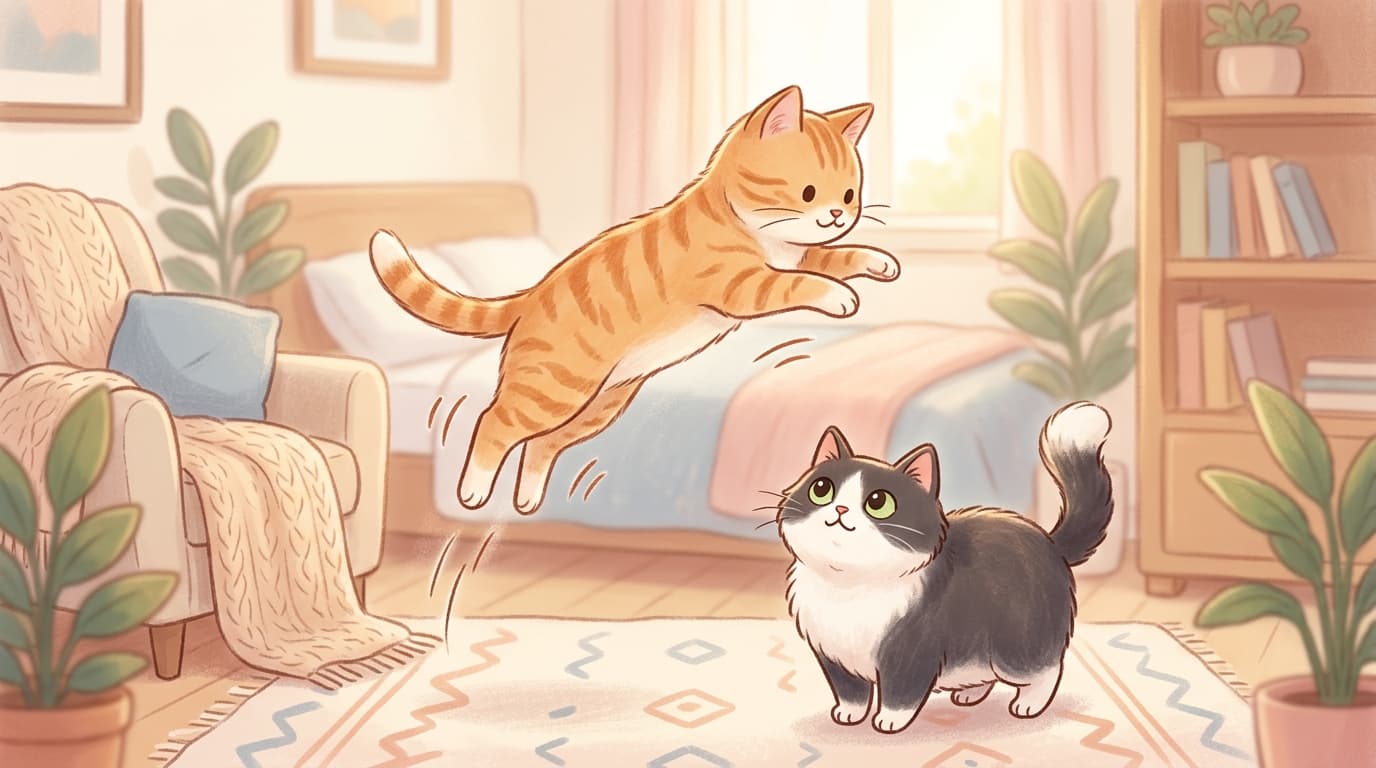
You’ve seen it: your cat calmly stares at a shelf, then launches up like gravity took a coffee break. Those jaw-dropping cat jumps aren’t magic—they’re a mix of brainpower, body design, and practice working together.
Cat jumps start with a “stare”… and it’s not daydreaming
If you’ve ever noticed your cat freezing and locking onto a target before a leap, that’s the planning phase. Your cat’s brain is quickly combining what it sees with what it remembers from past jumps—how far that ledge is, how high it sits, and whether the landing looks stable.
Cats don’t do conscious math, but they do process distance and risk in a split second. That intense focus is basically your cat running a rapid safety-and-success check before committing.
Depth perception: why cats are so good at judging distance
A big reason cat jumps look so effortless is accuracy. Cats have strong binocular vision, meaning both eyes work together to judge depth. That helps them estimate space between surfaces and land where they intend to land—especially when hopping from one narrow spot to another.
It’s the difference between guessing and knowing. And most pet owners don’t realize how much of a jump is decided before the paws even leave the ground.
Built-in springs: powerful legs that store and release energy
A cat’s body is light, but its limbs are surprisingly strong. When your cat crouches, it’s not just “getting ready”—it’s loading up energy like a coiled spring.
The deeper and more controlled that crouch, the more energy gets stored. Then it’s released in a burst, turning that compact little body into a high-powered launch system. This is why some cat jumps reach heights around multiple times a cat’s own body length—without a running start.
The secret weapon for midair control: a flexible spine
Leg power gets your cat into the air. The spine is what makes the jump look graceful.
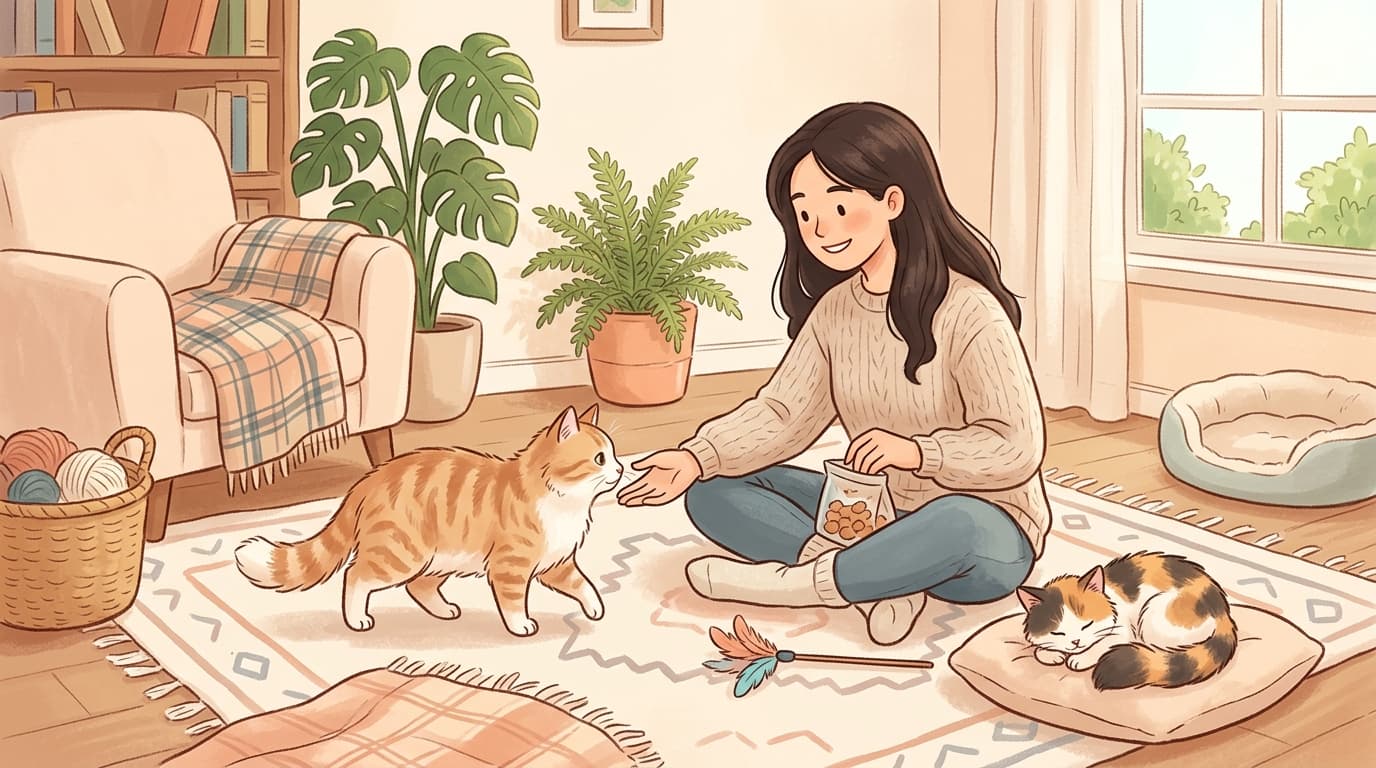
Cats have an unusually flexible backbone, with more vertebrae than humans and very elastic discs between them. That design lets them arch, stretch, and rotate their body while airborne—making tiny adjustments that help them line up the landing.
This flexibility also helps with impact. As they prepare to touch down, cats can position their body to absorb the landing more smoothly, which is one reason they so often land on their feet.
Practice matters: confidence is built one successful jump at a time
Cats aren’t born as perfect acrobats. Experience shapes everything.
A cat that’s made similar jumps many times tends to commit quickly and move with confidence. A cat without much practice (or one that’s had a slip) may hesitate longer, choose an easier route, or decide the jump isn’t worth it.
So if your cat seems cautious, it’s not “being dramatic.” It’s learning what its body can do—and building a mental library of what works.
Cat jump safety: athletic doesn’t mean accident-proof
Even with all that skill, falls can happen. Windows and balconies are common danger zones because one surprise sound, a bird, or a slippery surface can turn a normal moment into a bad drop.
If your cat has access to open windows or outdoor ledges, use sturdy screens or protective barriers designed for pets. Your cat may be a natural jumper, but it doesn’t get a free pass from physics.
The takeaway
Cat jumps look unreal because your cat is doing a lot at once: measuring distance, loading power, adjusting midair, and sticking the landing. Next time your cat pauses and stares before a leap, you’re watching a tiny athlete run the whole routine—quietly, precisely, and with style!
Continue reading

Does Your Cat Really Love You? 8 Quiet Signs of Trust Most People Miss
From slow tail-tip curls to choosing your seat, these 8 subtle behaviors can reveal how deeply your cat trusts you.

Why Your Cat Climbs on You: It’s Not “Just Love” (And What They’re Really Saying)
From lap-sitting to cheek rubs, your cat’s “cute” habits are secret messages about safety, scent, and trust.

Pumpkin for Cats: The Simple Food Add-In That Supports Digestion and Helps Push Out Worms
Plain pumpkin puree can support your cat’s digestion and make the gut less welcoming for worms—plus most cats accept it well.