Why Your Cat Roams the House at Night (and Why It’s Not Random)
Your cat’s nighttime wandering isn’t just instinct—it’s also about routine, energy, and checking that you’re safe.
You finally crawl into bed… and that’s exactly when your cat decides it’s time to patrol the entire home. The midnight footsteps, the random jumping, the door scratching, the sudden meow beside your pillow—annoying, yes, but it’s rarely meaningless.
Your cat’s nighttime roaming is a mix of natural rhythm, built-up energy, and something most pet owners don’t realize at first: you’re part of what they’re checking on.
Your cat’s “time zone” is different from yours
Humans are built around daylight. We wake up, do our busy daytime lives, and power down at night.
Cats don’t work like that. Most cats are naturally most alert around dawn and dusk. Those are the hours their bodies are primed for action, because in nature those times are ideal for hunting. Even if your cat has never chased anything more serious than a toy mouse, the internal schedule is still there.
So when your evening winds down, your cat’s “high alert” window often starts.
Night makes tiny things feel huge to your cat
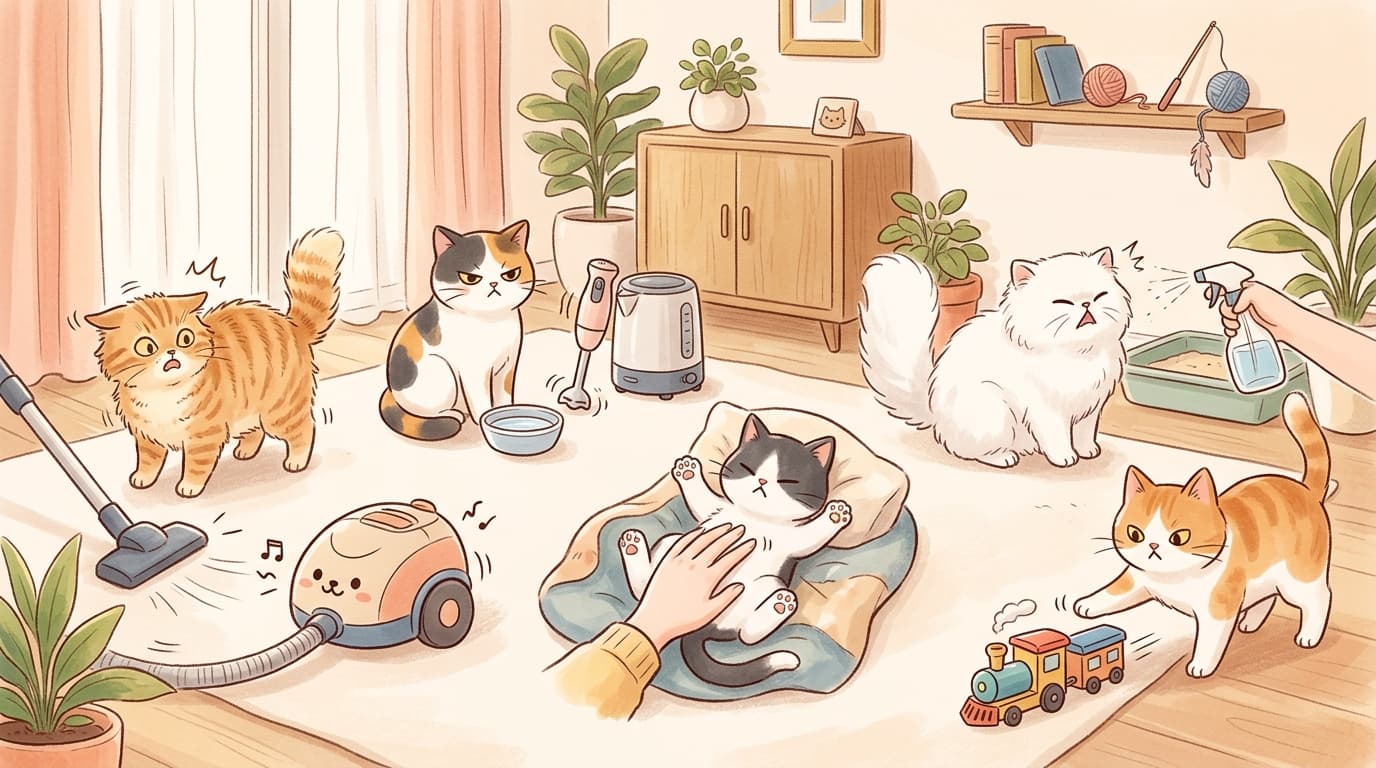
If you’ve ever watched your cat stare at a corner like it’s haunted, you’ve seen this in action. At night, the world gets quieter—and that actually turns the volume up on small details.
A faint click. A soft rustle. A draft under a door. A shadow from a passing car.
What feels like “nothing” to you can be a full-on event to your cat. When they wander, pause at certain spots, and repeat the same route, they’re not just pacing. They’re monitoring, investigating, and reacting to a world you can’t fully hear or see.
Your cat is also checking on you
This is the part that sounds funny until you think about it: your cat’s nightly patrol often includes a quick status check on you.
Cats feel safe when their territory feels stable. And in your cat’s mind, you’re not separate from the territory—you’re part of it. When your cat walks past your bed, stops for a moment, or quietly settles near you, they’re gathering information.
Your breathing is steady. You shift in your sleep. You’re present and calm. To your cat, that’s reassurance. To you, it’s just… sleep.