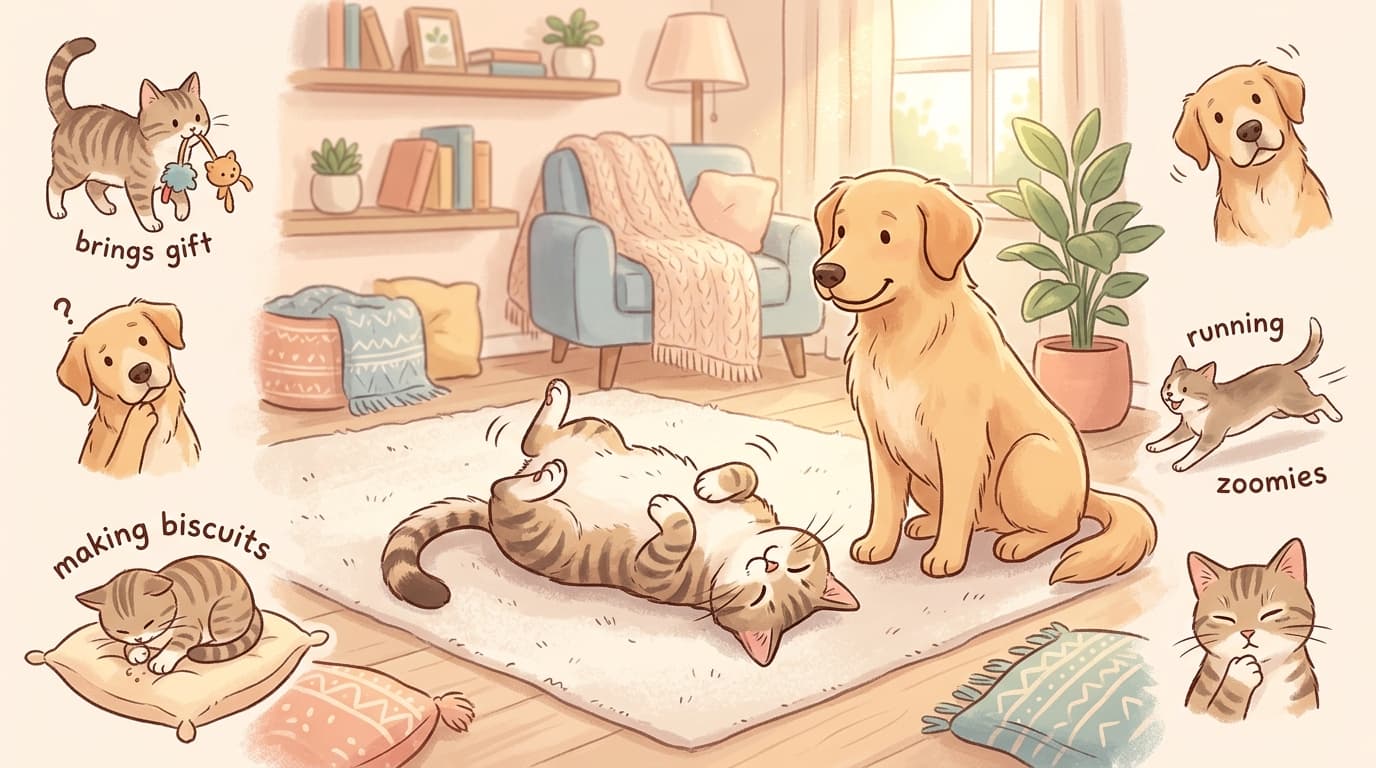
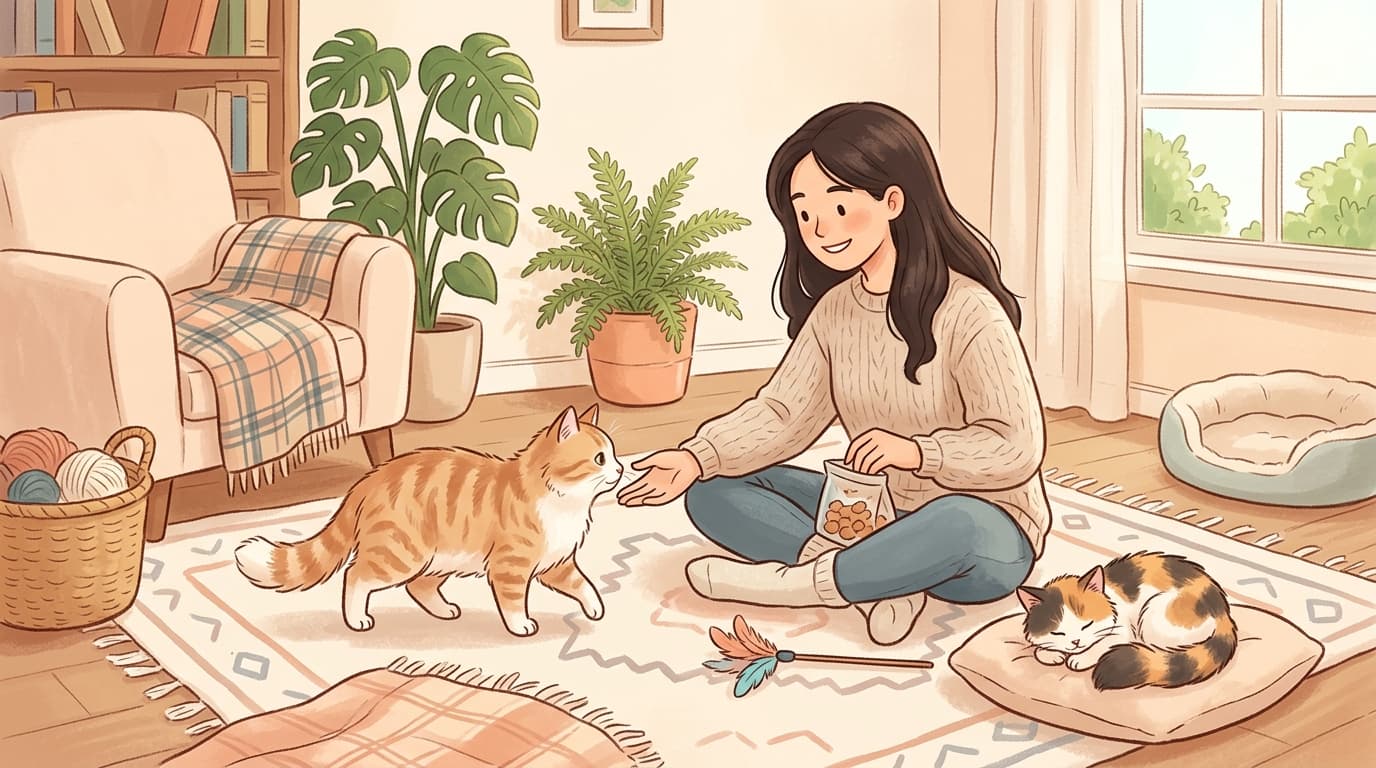
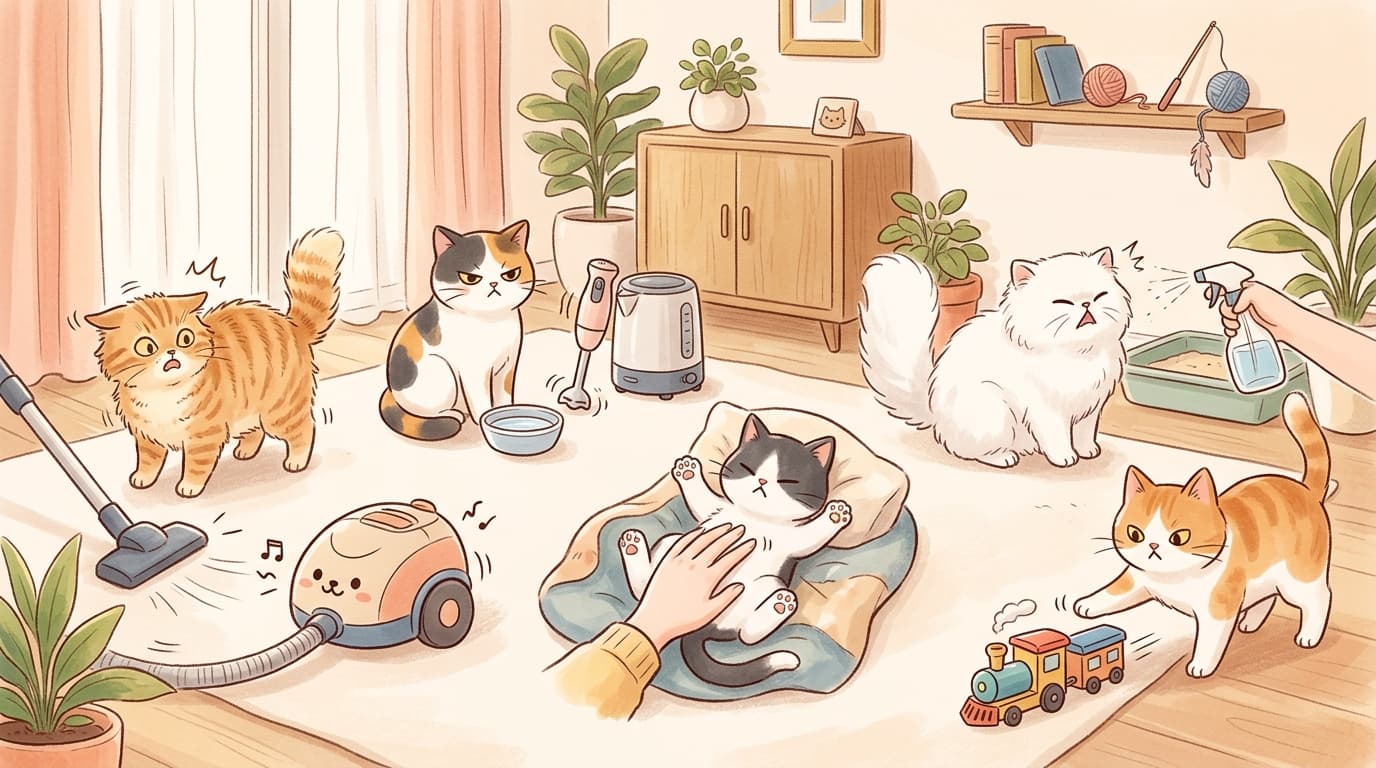
Cats have a talent for doing things that look totally random—until you realize they’re following their own logic. That dramatic belly-up flop in front of you isn’t “just being silly,” and it’s definitely not something to ignore.
Below are 15 common “weird” cat habits, what they usually mean, and how you can respond in a way your cat actually appreciates.
If you’ve ever been enjoying those sandpapery kisses and then—chomp—your cat switches to teeth without warning, it can feel like a mood swing. Most of the time, it’s not.
Licking and gentle nibbling are two steps of the same grooming routine cats use with each other. The tongue smooths and cleans; the teeth help work through stubborn bits (like tangles or tiny debris). When your cat does this to you, they’re basically treating your skin like a friend’s fur and “finishing the job.”
That long, loud, almost mournful meow can sound like an emergency. But in many homes, it’s more like an announcement.
Your cat may be “delivering prey” and calling you to come see it—similar to how a mother cat calls kittens to food. Some cats genuinely want you to notice their catch. If you acknowledge it (even a quick “thank you” and a look), many cats settle down fast because the mission feels complete.
This one looks goofy, but it can be surprisingly practical.
Two common reasons:
- The bowl bothers their whiskers. Deep or narrow bowls can press on whiskers, which are extremely sensitive. Paw-drinking lets them avoid shoving their whole face into an uncomfortable dish.
- Instinct says “test the water.” Still water can feel suspicious to an animal wired to be cautious. A paw dip checks depth, stirs the surface, and helps them “read” what’s going on.
If your cat does this a lot, try a wider, shallower bowl and see what changes.
Some cats don’t just sit in boxes—they destroy them.
Cardboard has a texture that feels satisfying to bite: soft, but with resistance. Chewing it can also scrape teeth a bit like a natural floss. And for many cats, it’s a stress reliever—like a human gnawing on a pen cap.
If the box-munching is constant and intense, boredom may be part of the story. More play sessions and rotating toys can help.
You get up for a drink and your cat teleports into your spot. Coincidence? Not even close.
Your seat is valuable because it’s:
- Warm (your body just heated it to a cat-approved temperature)
- Covered in your scent, which signals safety and “my favorite person is near”
To your cat, that combination beats most fancy pet beds.
Some cats absolutely do the “fetch invitation” thing. They’ll place a toy near you and wait—sometimes nudging it closer if you don’t react.
This usually means you’re their preferred play partner. Cats that were played with a lot as kittens often learn that delivering a toy is the fastest way to start something fun.
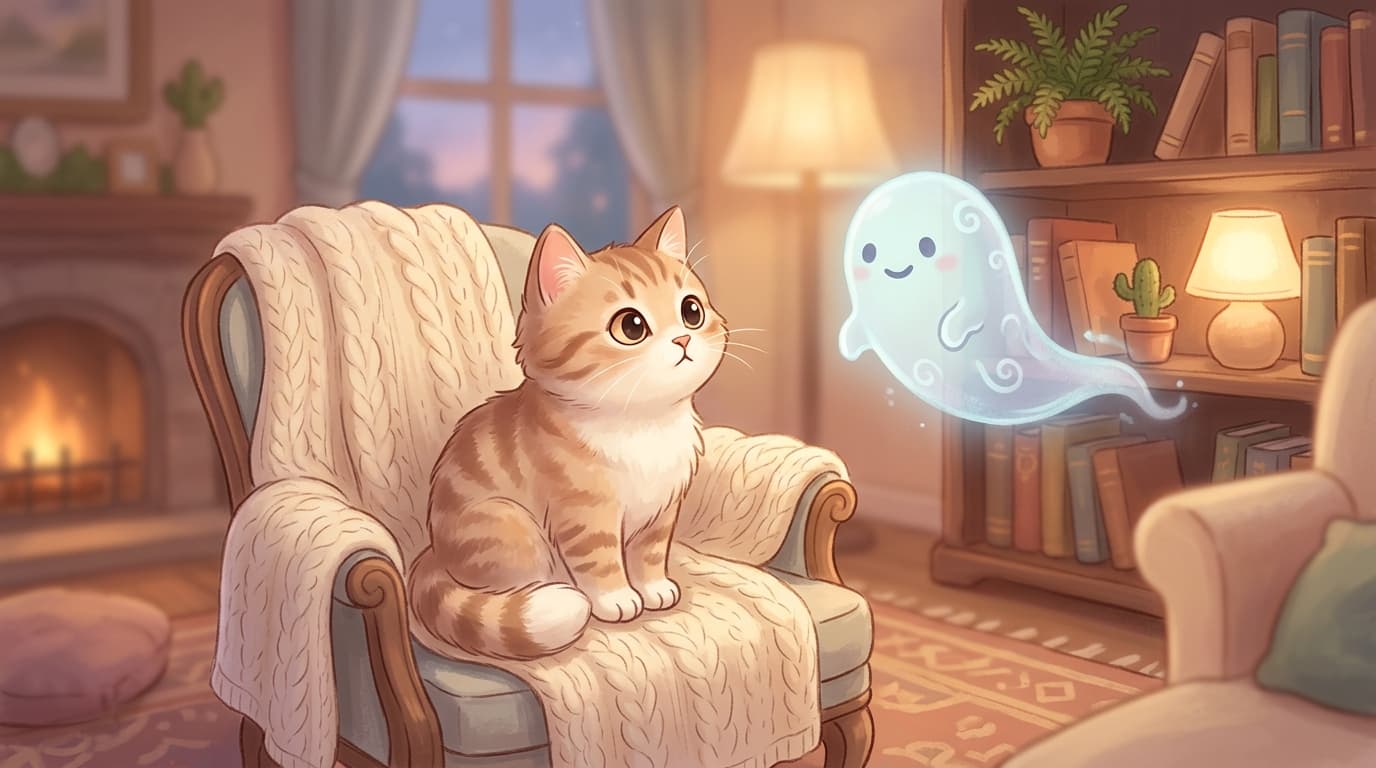
It’s creepy… until you remember your cat’s senses are not your senses.
Cats notice tiny movements, subtle shadows, and high-frequency sounds you can’t detect. A bug in a vent, a mouse behind a wall, plumbing sounds, even faint electrical noise—your cat may be tracking real information. They freeze because that’s what good hunters do: gather data first, move second.
That rhythmic paw-pressing (sometimes with purring and half-closed eyes) is one of the sweetest cat behaviors.
Kneading comes from kittenhood, when kittens press on their mom to stimulate milk flow. As adults, cats often knead when they feel safe, cozy, and deeply content. If claws get involved, it’s usually not aggression—just a relaxed cat forgetting their needles are attached.
It can feel personal. It usually isn’t.
Scratching isn’t only nail maintenance—it’s also territory marking. Cats leave visible scratch marks and invisible scent from glands in their paws. Doing it in front of you can be a confident “this is home” statement, and the eye contact can be more about including you in the moment than challenging you.
If you’ve ever turned on the tap and your cat acted offended, then returned to the sink ten minutes later… you’re not alone.
Sinks offer a perfect cat combo:
- Cool surface (great in warm weather)
- A bowl shape that cradles the body like a snug nest
- Protection on multiple sides
- A slight height advantage to watch the room
In your cat’s mind, it’s basically a deluxe lounge.
New bag? New box? New book? Your cat is on it.
Cats feel driven to investigate changes in their territory. Sitting on a new object helps them smell it up close and mark it with their own scent from paws and body. It’s part inspection, part “this is mine now.” Most pet owners don’t realize how much cats rely on scent to make the world feel stable.
This isn’t always “let me in right now,” although it can look like it.
A cat’s paw pads are packed with nerve endings. Reaching under the door lets them gather information: airflow, temperature, vibrations, scents on the floor. It’s like a little sensory probe to map what’s happening in the blocked-off space.
If it happens once, sure—maybe timing. If it happens often, it can be a sign of social connection.
In humans, contagious yawning is linked to bonding. In cats, it’s not as thoroughly studied, but many observations suggest cats are more likely to “catch” a yawn from their person than from a stranger. It doesn’t necessarily mean your cat feels sleepy because you do—it can mean they’re tuned in to your face and your cues.
It looks like they’re kneading invisible dough or pedaling a tiny bicycle.
This is basically kneading without a surface. Some cats get so relaxed that the comfort-response kicks in even when their paws aren’t touching anything. If your cat does this near you, it’s often a sign they feel extremely safe.
The belly-up roll is one of the biggest trust signals a cat can give. The belly is vulnerable, and exposing it calmly suggests your cat feels safe with you.
But there’s more going on:
- Scent marking: Rolling rubs their scent onto the floor, turning that spot into “cat territory.”
- Attention-seeking (the smart kind): Your cat may have learned that this move reliably earns your voice, your smile, and a moment of connection.
One important nuance: a belly display doesn’t always mean “please pet my stomach.” For many cats, it’s an invitation to interact, not an automatic invitation to touch that specific area.
Your cat’s “weird” habits are usually communication, comfort, or instinct in action. The next time your cat flops belly-up in front of you, pause and respond—because in your cat’s language, that little performance often means trust, belonging, and “notice me.”