Your cat climbing onto you can feel like the sweetest compliment. But a lot of the time, it’s less about romance-level affection and more about scent, safety, and your cat quietly “claiming” you as their person.
If you’ve ever noticed your cat choosing your lap over every soft blanket in the house, you’re not imagining the meaning behind it. Cats communicate constantly—just not in human ways.
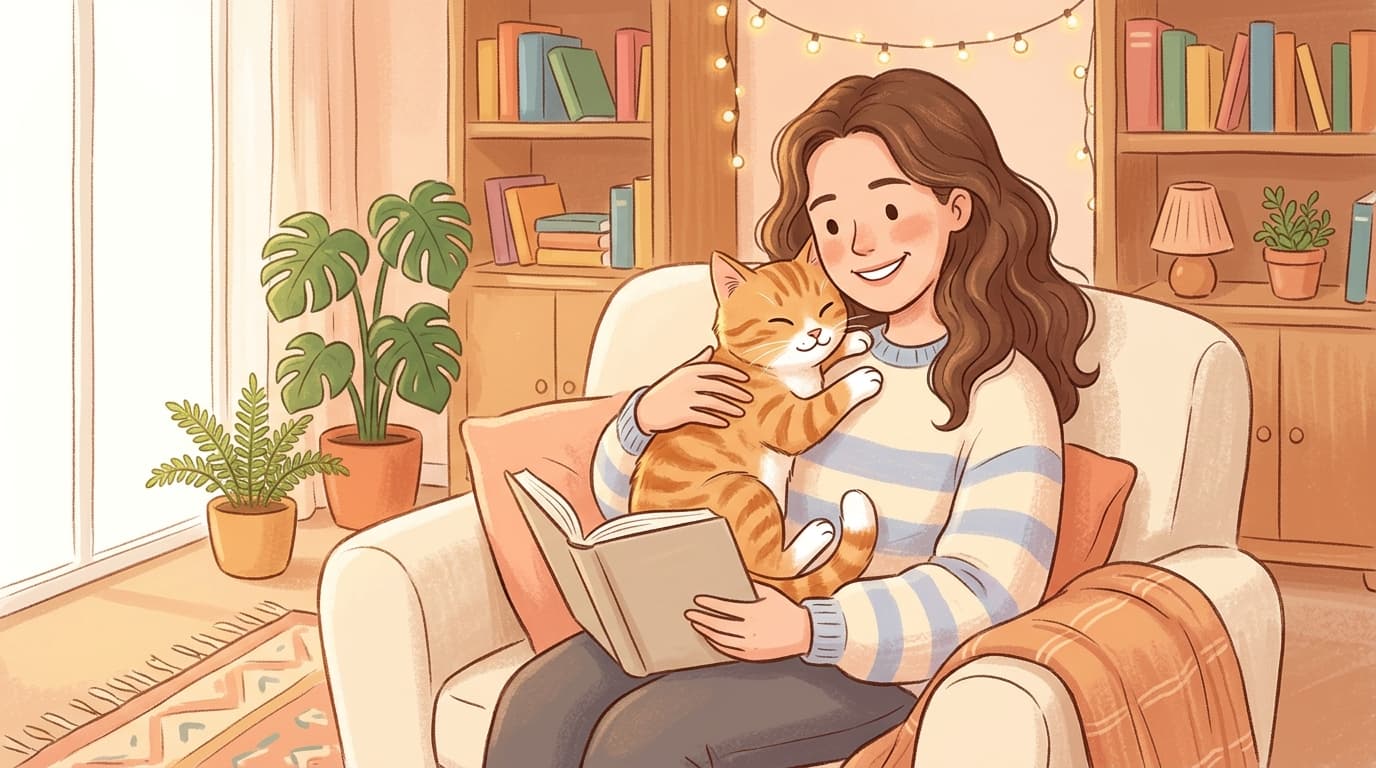
Your lap is basically the ultimate combo platter: warm living heat, your familiar smell, and the steady rhythm of your heartbeat. That heartbeat matters more than most pet owners realize—it echoes the first comforting sounds kittens experience when they’re tiny and pressed against their mother.
So when your cat parks themselves on you, they may be seeking comfort and security as much as closeness. In your cat’s mind, you’re not just a favorite human… you’re a portable “safe zone.”
Ever leave a hoodie on a chair and come back to find your cat kneading it like it’s their job? That’s not just about softness.
Your clothes hold a concentrated version of you—your personal scent, strong and familiar. Curling up on it is a way for your cat to feel close to you even when you’re not available. Cats who do this often have a strong bond and use smell as their comfort language.
When your cat slowly pushes their cheek into your hand (or your leg, or your phone, or your face at the worst possible time), they’re doing more than asking for pets.
Cats have scent glands in their cheeks that leave a subtle chemical signature. In cat logic, marking is reserved for what feels like “mine” and “safe.” So yes, it’s affectionate—but it’s also a quiet declaration that you belong in their inner circle.
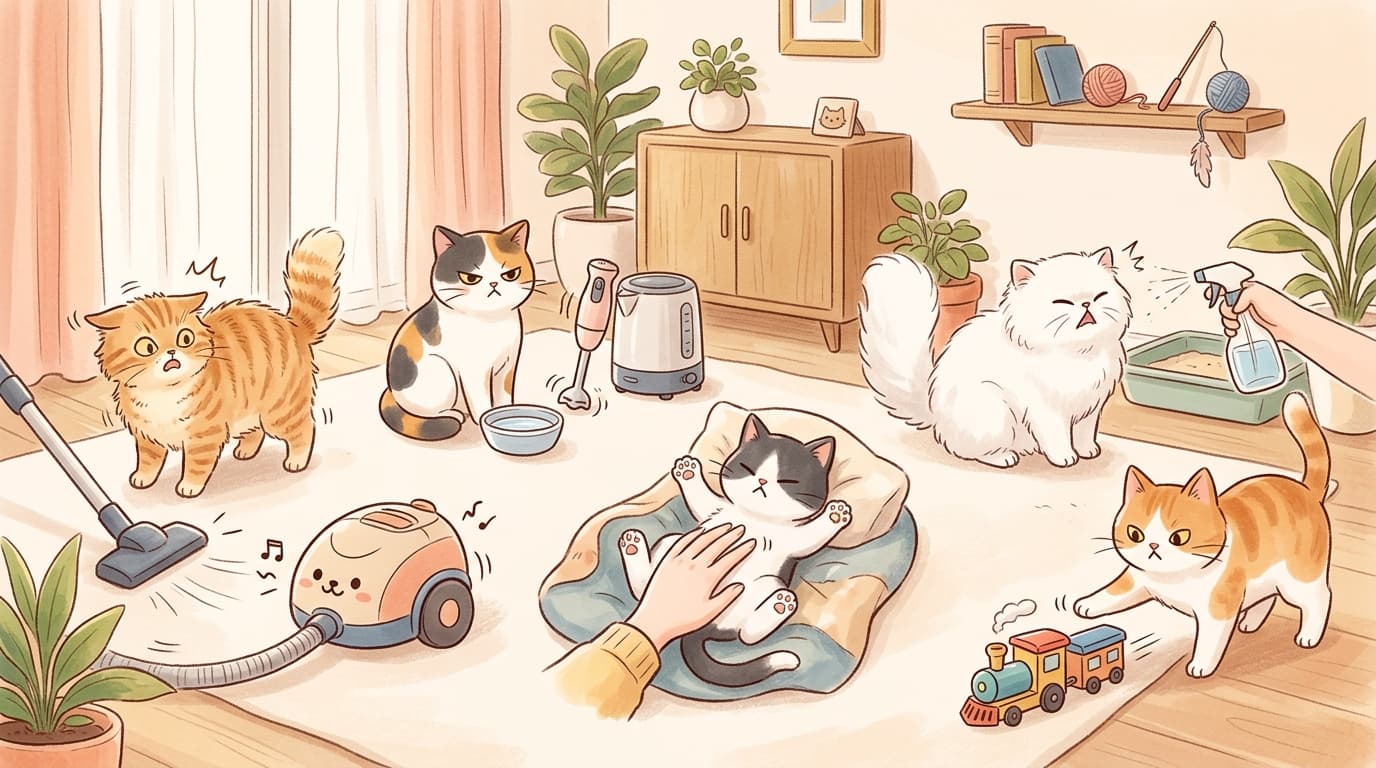
A cat rolling over to show their belly looks like an invitation. Then you reach in… and suddenly you’re negotiating with teeth.
The belly is a vulnerable area for cats. Showing it usually means deep trust, not permission. A better response is to take it as a compliment and stick to safer affection zones like the chin, cheeks, or shoulders.
That weird little stuttering “ch-ch-ch” sound your cat makes while staring out the window isn’t just frustration.
Many researchers believe it’s linked to predatory instinct—like your cat’s body rehearsing the rapid bite used to catch prey. Even with glass in the way, the hunting program still runs.
In a multi-person home, cats often approach the same person first—and it’s not always the one who fills the bowl.
Cats tend to choose the person whose scent feels most comforting and whose energy feels predictable. That first greeting can reveal who your cat feels safest with.
If your cat licks the exact spot you touched, it can feel a little insulting. But it’s not necessarily rejection.
This kind of grooming may be your cat processing the interaction—mixing your scent with theirs and extending the soothing feeling of contact. In other words, they’re not erasing you. They’re blending you into their world.
A cat turning away while sitting near you can look like a snub. In cat language, it’s the opposite.
Cats don’t expose their back to something they don’t trust. If your cat plants themselves near you and faces away, they’re signaling they feel safe enough to stop monitoring you.
If you wake up and your cat is quietly staring at you in the dark, it’s creepy for about two seconds.
Cats are naturally more active around dawn and dusk, and some seem to switch into a watchful mode while you sleep. It can look like intense staring, but it may simply be your cat checking the environment while their favorite human is vulnerable.
Purring often means contentment, yes. But cats can also purr when they’re stressed, hurt, or unwell.
Some evidence suggests purring vibrations may support healing in muscles and bones. So if your cat is purring but also hiding, acting withdrawn, or refusing food, that purr might be self-soothing rather than celebration.
Scratching isn’t spite. It’s a multi-task behavior:
stretches the body and shoulders
helps shed and maintain claws
leaves scent marks from glands in the paws
And interestingly, cats often scratch in areas you use most—like your favorite chair or near a doorway—because those places matter socially. Your cat is mixing their “signature” with yours in the home’s high-importance zones.
A tucked “loaf” position usually means your cat is comfortable but ready to react.
A cat stretched fully on their side—or flopped belly-up with limbs everywhere—often feels completely secure. No defensive posture, no need to be on guard.
Cats seek height because it’s smart survival strategy: from above, they can see everything and feel harder to surprise.
If your cat suddenly starts obsessing over higher perches they used to ignore, it can be a clue that something at floor level is making them feel less secure.
Your cat climbing on you is often a message: “You’re safe, you’re familiar, and you’re mine.” The more you learn their scent signals and body language, the easier it is to respond in ways that make your cat feel understood.
Next time your cat chooses your lap, take a second to listen to what they’re really saying—then enjoy being their favorite place to land.