5 Quiet Signs Your Dog Loves You More Than You Realize
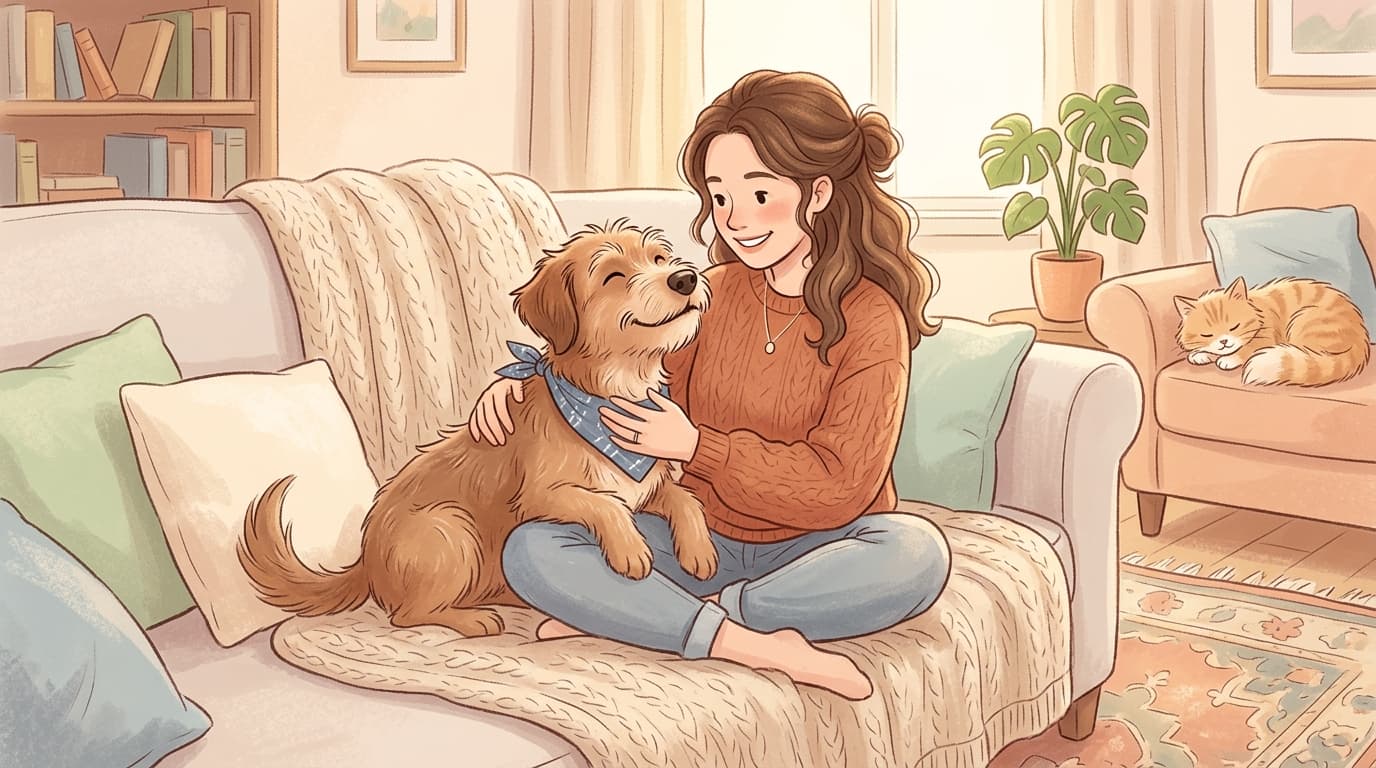
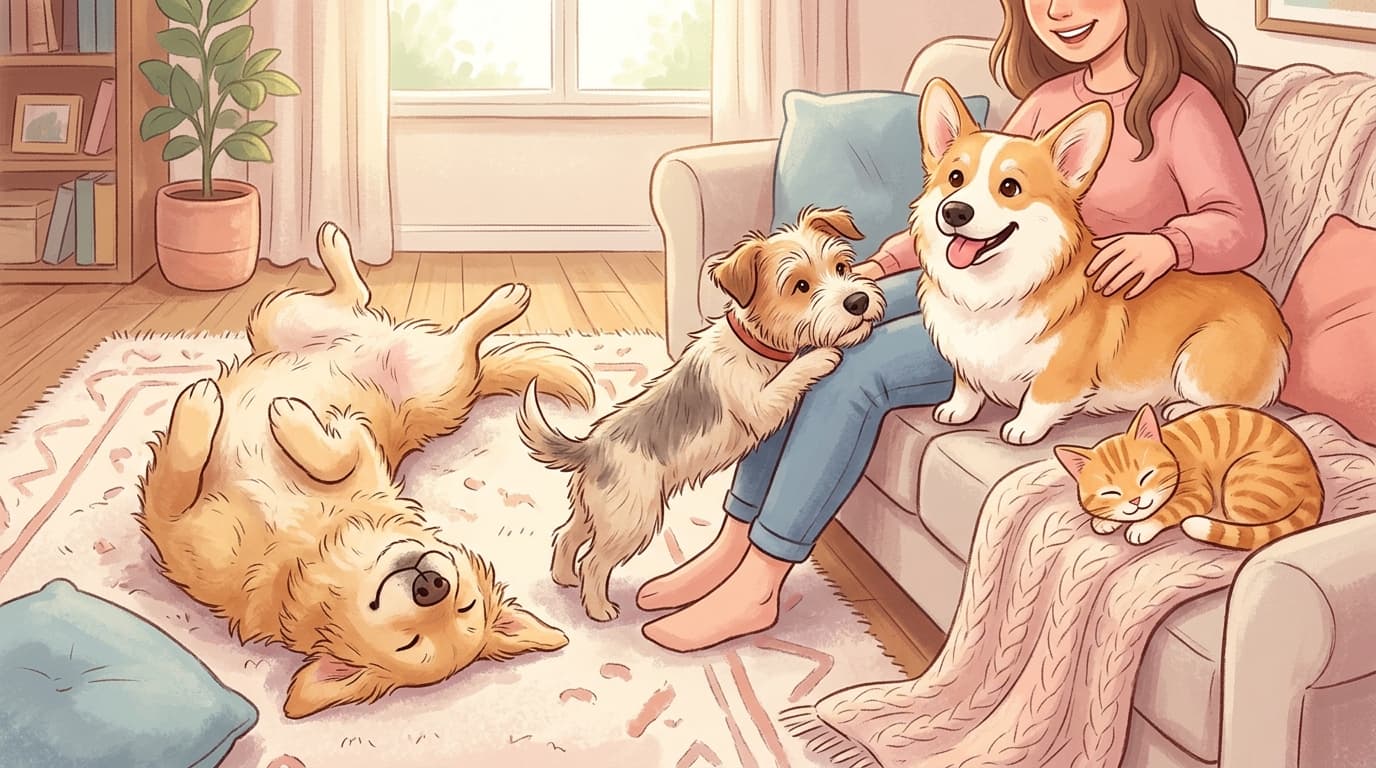
You know the big displays of love—tail helicopters, happy spins, the full-body wiggle. But the deepest devotion is often the stuff that’s so subtle you only notice it once someone points it out.
If you’ve ever felt like your dog “just knows” you, you’re not imagining it. They’re speaking in quiet behaviors that show you’re not just their favorite person—you’re their safe place.
1) The night watch: why your dog sleeps lightly near you
If you share a home (or even just a room) with a dog, you’ve probably seen it: they’re “asleep,” but one ear flicks when you shift. Their eyes crack open when you roll over. They seem to rest, but not all the way.
A strongly bonded dog often stays in a lighter, more alert state when you’re asleep. It’s like they’re off-duty but still on call—keeping track of the space, listening for changes, and staying oriented to you. Most pet owners don’t realize it, but that half-awake posture can be a form of devotion: your dog is choosing to remain slightly vigilant while you’re at your most vulnerable.
And here’s the sweetest part: many dogs relax most deeply only when you’re home. Your presence changes how safe the world feels, which changes how fully they can rest.
2) The “gift” behavior: why your dog brings you a toy (or sock)
You’re sitting on the couch after a rough day, maybe quieter than usual, maybe carrying stress in your shoulders—and suddenly your dog appears with something important. A favorite toy. A treasured chew. A sock they definitely didn’t get permission to borrow.
That offering isn’t always about play. Dogs are surprisingly sensitive to human emotion, and research has found they’re more likely to approach and stay close when a person is distressed (even if they don’t know that person well). When your dog brings you their prized possession, they may be offering comfort the only way they know how.
Think about it from their perspective: that toy is what soothes them, what they guard, what they sleep with. Sharing it is basically your dog saying, “This makes me feel better—maybe it’ll help you too.”
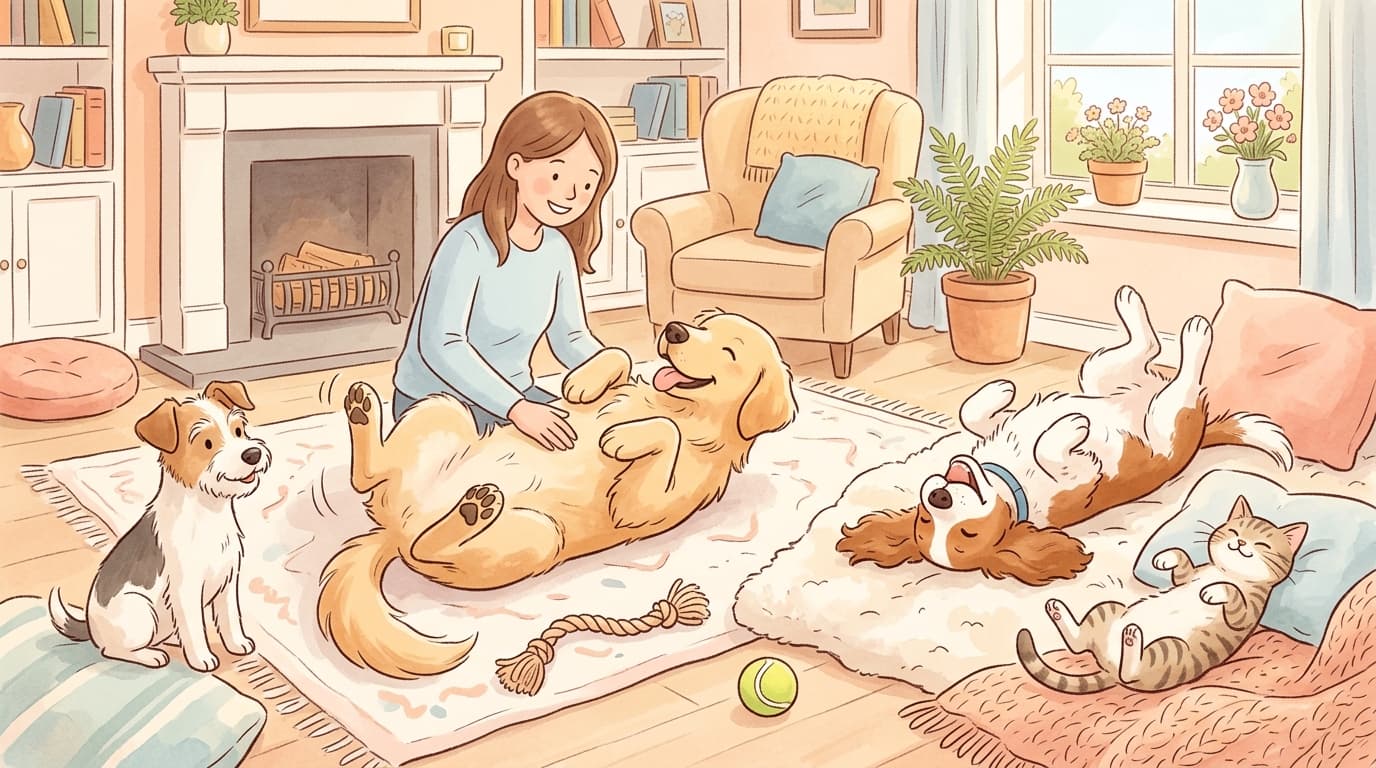
3) The reunion “reset”: the moment your dog’s whole body softens when you come home
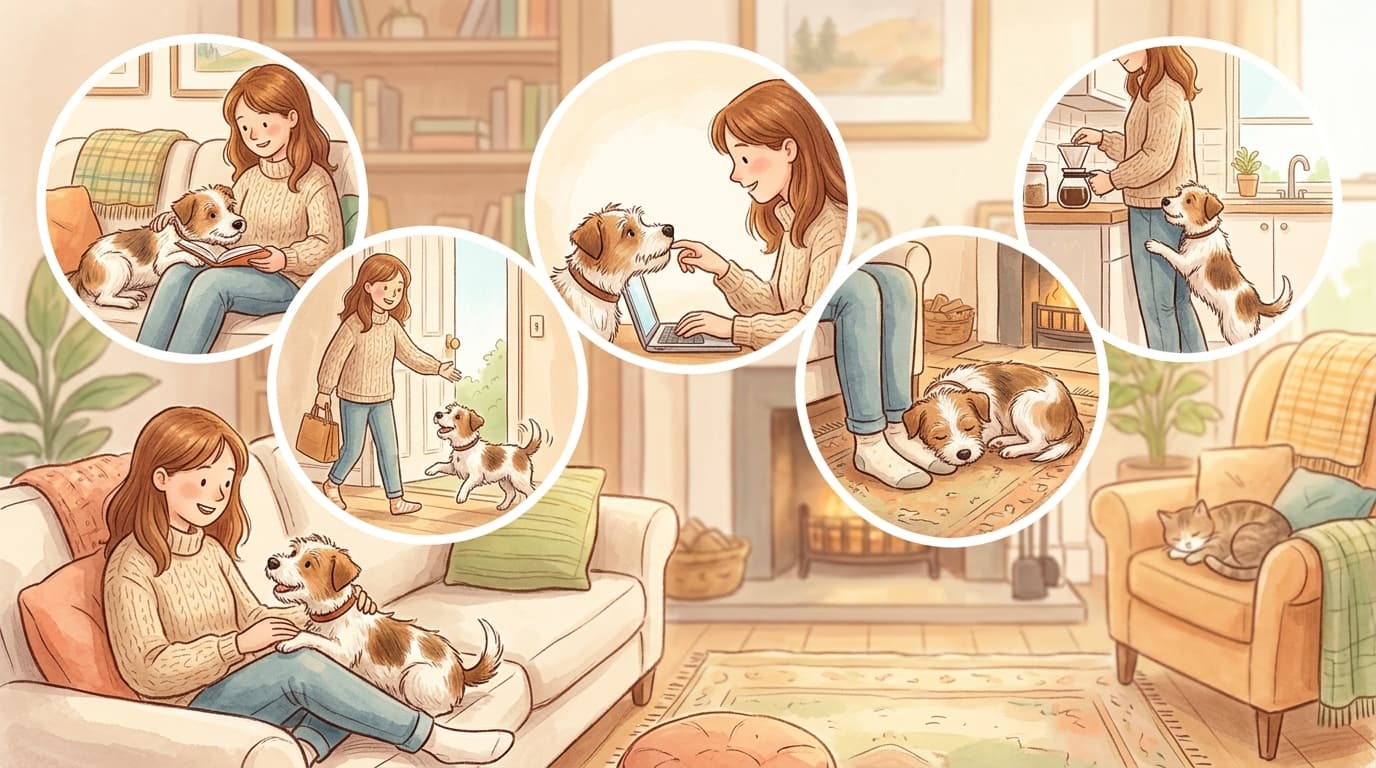
The greeting gets all the attention—the jumping, spinning, squeaking, and tail wagging so hard it looks like it might rearrange furniture.
But watch what happens right after.
Many dogs do a full-body reset once they’re sure you’re really home: shoulders drop, jaw softens, breathing slows, and they lean into you or settle nearby with a big exhale. This isn’t just manners or habit. It’s a visible release of tension, like their nervous system is finally allowed to stand down.
Your dog can be perfectly fine while you’re gone and still spend the day in a low-level state of “ready.” Ready to hear your car. Ready for the key sound. Ready for the door. And when you walk in, their body gets permission to unclench.
If you’ve ever noticed your dog sighing the moment they settle after greeting you, that’s the part to pay attention to. It’s basically them saying, “Okay. Now I can relax.”
4) Protective positioning: where your dog chooses to stand (and why it matters)
Look at your dog the next time you’re chatting at the doorway, sitting on the couch, or standing in the kitchen. Where do they place themselves?
Many bonded dogs choose positions that keep them close and slightly “between”—between you and the hall, you and the door, you and the window. It’s not necessarily aggression or guarding in a scary way. Often it’s simply intentional placement, like they’re volunteering to be the buffer between you and anything uncertain.
Even gentle dogs do this. Protection isn’t always about being tough; sometimes it’s about being present. Your dog may be thinking, in the simplest possible way: “I’m here. I’ve got this. You’re not alone in this space.”
5) Emotional contagion: how your dog feels your stress (and your calm)
Your dog doesn’t just notice your moods—they can start to mirror them.
Long-term studies have found that stress hormones (like cortisol) can become synchronized between dogs and their owners over time. In plain language: your dog can end up carrying some of your emotional weather. The closer the bond, the more that syncing effect can show up.
That’s why your dog might act different before you’ve even said a word. You haven’t “done” anything yet, but your body has—your breathing changed, your muscle tension shifted, your energy got sharper or heavier. Your dog reads that, then adjusts: staying closer, moving gently, watching you more.
It’s also why your calm matters more than you think. When you settle, your dog often settles too. You’re not just their favorite person—you’re their baseline.
A simple way to notice these quiet signs tonight
Pick one normal moment—bedtime, your usual chair, the couch after dinner. Don’t call your dog. Don’t gesture. Just sit and exist.
Watch how long it takes for them to wander over, where they choose to settle, and whether their breathing starts to match yours. Those tiny choices are the everyday love language most people walk right past.
Your dog isn’t silent about loving you. They’re just subtle about it, and once you see the pattern, it’s hard to unsee.
Continue reading

How to Leave Your Dog Home Alone Without Triggering Separation Anxiety
Use these 9 simple routines to keep your dog calm, busy, and secure when you leave the house.

Everyday Habits That Hurt Your Dog’s Feelings (and What to Do Instead)
Small daily habits can quietly stress your dog. Learn what hurts your dog’s feelings—and the simple swaps that rebuild trust.

Female Dogs Aren’t Just “Smaller Males”: 8 Key Differences Every Dog Owner Should Know
Female dogs often learn faster, bond differently, and hide pain better. Here are 8 real-life differences to understand your girl.