6 “Rude” Cat Behaviors That Are Actually Signs of Love
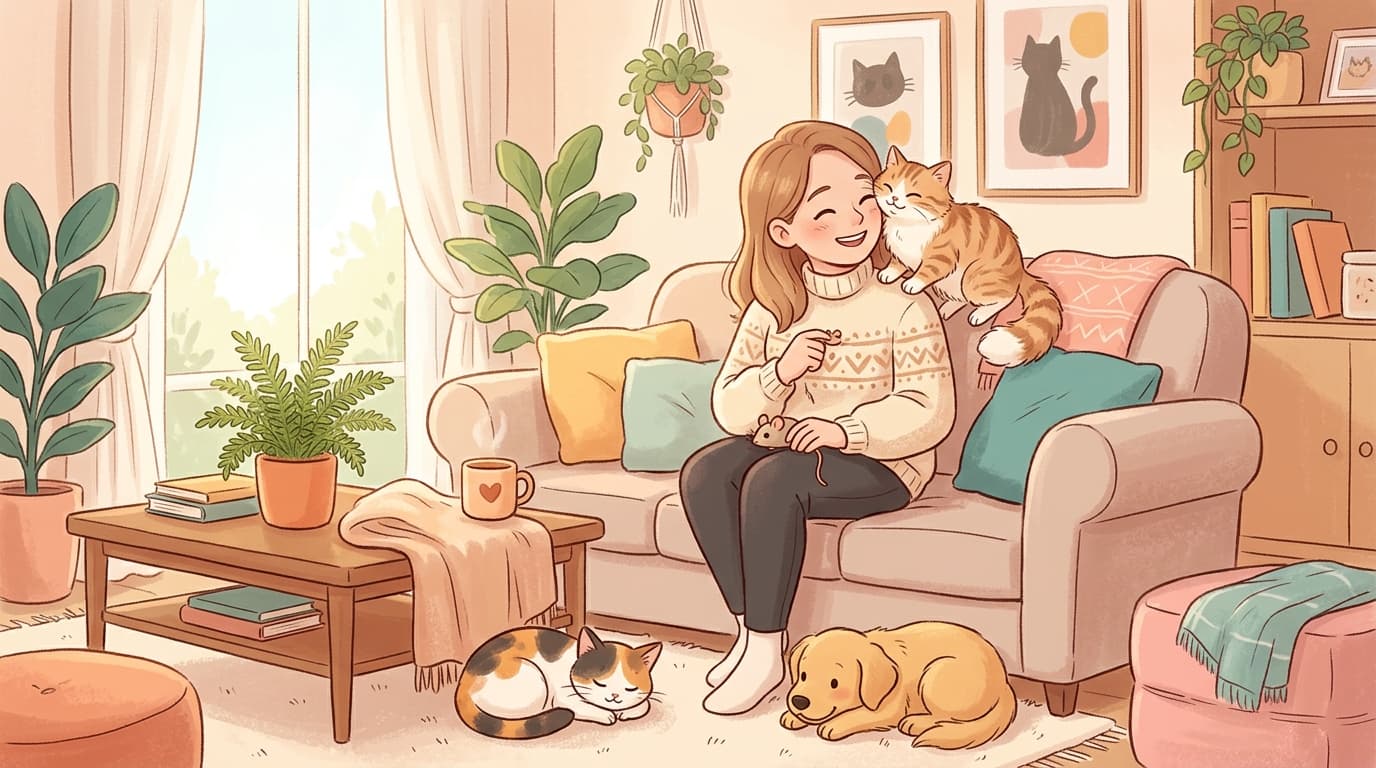
Your cat can look you in the eye, purr like a tiny engine… and then bite you like you betrayed them. Most pet owners don’t realize a lot of “bad manners” are actually your cat’s way of bonding with you.
Below are six annoying cat habits that are often genuine signs of love—just expressed in very cat-like ways.
1) The “bathroom security detail”
You close the bathroom door, and within seconds your cat is outside protesting like you’ve vanished forever. Scratching, meowing, trying to push the door open—super invasive.
But to a cat, the bathroom is a weird, high-alert zone: water noises, strong chemical smells, and a space where familiar scent marks get wiped out. On top of that, using the bathroom is a vulnerable moment in the animal world. So if your cat insists on supervising, they’re not necessarily being needy—they’re acting like your fluffy security guard.
If you’ve ever noticed your cat posted outside the door like a bouncer, you’re not alone.
2) The full-body leg rub that almost takes you out
You’re walking through the kitchen with a mug in your hand, and your cat weaves around your legs like they’re trying to trip you on purpose. It’s easy to assume it’s all about food.
Sometimes it is. But when it happens outside of mealtimes, it’s often social bonding. Cats have scent glands on their cheeks, forehead, and along their body. When they rub on you, they’re mixing their scent with yours—basically stamping you as “safe” and “mine.”
Cats don’t do bear hugs. This is the closest thing.
3) The 3 a.m. “hunting lesson” delivery
It’s the middle of the night. Your cat yowls like it’s an emergency. You stumble out of bed and find them proudly holding a toy (or, if you’re unlucky, something far less cute), staring at you like a teacher waiting for applause.
In the wild, adult cats teach kittens how to hunt by bringing prey and demonstrating what to do. When your cat brings you “practice,” it can be a caretaking behavior—like they’ve decided you’re a lovable disaster who needs help surviving.
Considering cats can sleep up to most of the day, giving up rest for a “lesson” is oddly sweet in its own chaotic way.
4) The “welcome home” scratch session on the sofa
You walk in after a long day, expecting a greeting… and your cat sprints to the couch and starts scratching it with passion while maintaining intense eye contact.
It feels personal. Like punishment.
But cats don’t really operate on human-style revenge. Scratching is one of their main ways to mark territory—both visually and with scent glands in their paws. When you come home, your cat may be refreshing those marks because the household is “whole” again. In their mind, it’s more like putting the family name back on the sign.
Yes, your furniture pays the price. But the message is often: you’re back, and this is still our place.
5) The coldest move: turning their back on you
You call your cat. You try the cute voice. You make the little “pspsps” sound. And they respond by turning around and staring into space like you don’t exist.
It reads as rejection, but it can actually be trust.
A cat’s back is a vulnerable area—they can’t see what’s coming from behind. When your cat calmly turns their back to you, they’re showing they feel safe enough to drop their guard. It’s like they’re quietly saying, “I trust you to watch my blind spot.”
6) The sudden bite during petting
This one hurts—literally. Your cat is purring, leaning into your hand, acting blissed out… and then, out of nowhere, they bite. Sometimes they even lick the same spot afterward, which makes it extra confusing.
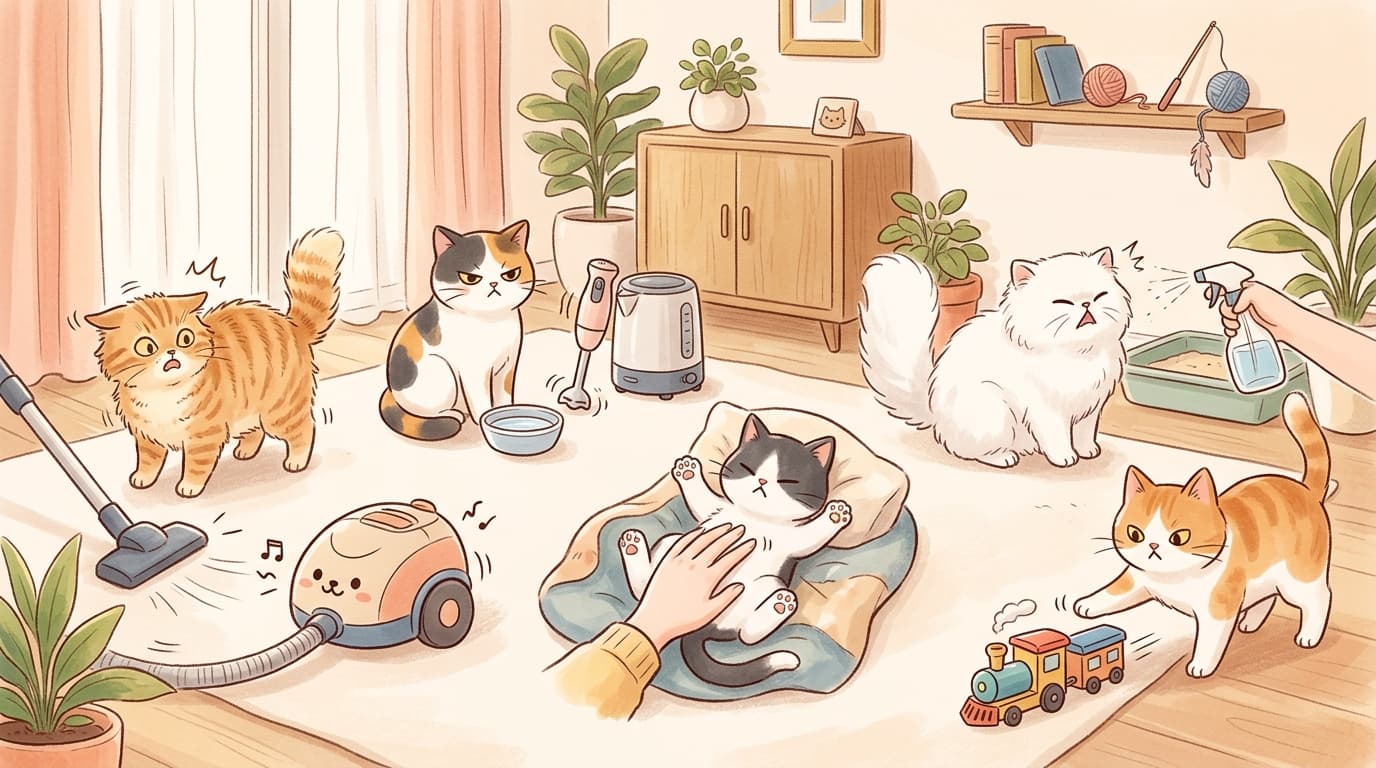
Often, this is overstimulation. A cat’s nervous system can be more sensitive than ours, and petting that feels gentle to you can quickly become “too much” for them. The bite isn’t always anger—it can be an instinctive reset button when their emotions overflow.
How to spot the warning signs before the bite
Watch for a few common signals that your cat is reaching their limit:
- A tail that starts flicking in a stiff, sharp way
- Ears rotating sideways or pinning back
- A twitchy ripple in the skin along their back
- Sudden stop in purring
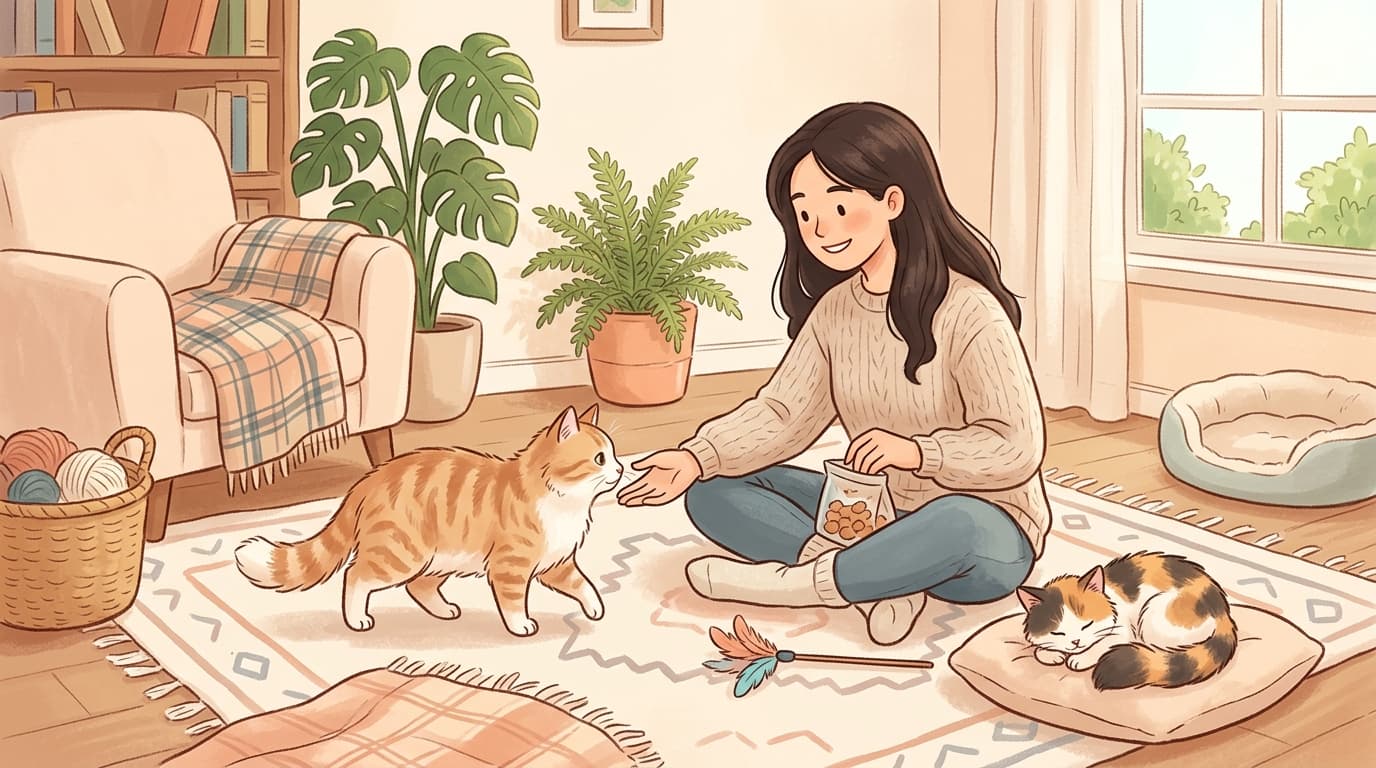
If you see these, ease up and pause. Give them a short break, then let them choose whether they want more affection. You’re not “giving in”—you’re learning their language.
The takeaway
Your cat may not love like a dog, but that doesn’t mean the love isn’t there. The bathroom escort, the leg-weaving “hug,” the midnight gift, the dramatic scratching, the turned back, even the occasional bite—these can all be your cat’s clumsy, honest ways of saying you’re family.
Continue reading

What Your Cat Has Been Waiting for All Along: 6 Small Changes That Build Real Trust
Your cat isn’t asking for more toys—just a few daily habits that make them feel safe, understood, and closer to you.

How to Stop Your Cat From Throwing Litter Out of the Box (Fast, Lasting Fixes)
Messy litter box? Fix litter flinging with the right box, litter type, fill depth, placement, and a cleaner routine.

Where Your Cat Sleeps Says a Lot About Love (7 Favorite Spots Decoded)
From your feet to your pillow, your cat’s sleeping spot is a quiet love letter. Here’s what 7 common choices really mean.