Russian Blue Cat Secrets: 5 Traits Pet Owners Shouldn’t Overlook
Discover 5 standout Russian Blue cat traits—from their quiet nature to emerald eyes and allergy-friendly reputation.
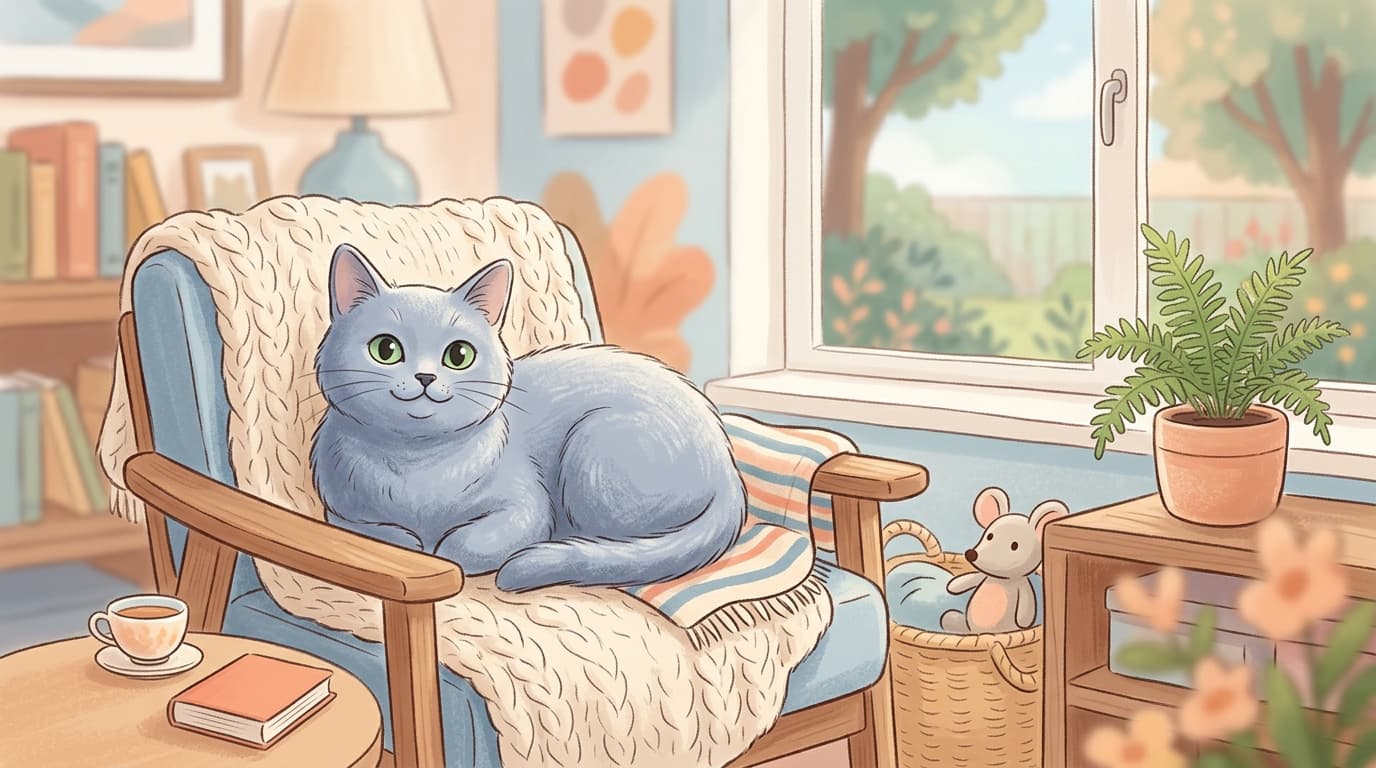
The Russian Blue cat has a way of looking both regal and a little mysterious, like it knows something you don’t. And honestly, there are a few quirks and traits about this breed that can surprise even experienced cat people.
1) Russian Blue cats have a surprisingly royal backstory
The Russian Blue is widely believed to have originated in Arkhangelsk, a port city in northern Russia. Over time, these sleek, plush-coated cats became associated with high society—so much so that stories link them to Russian nobility and even the tsars.
You can kind of see it in their vibe: poised, elegant, and quietly confident without being flashy.
2) The Russian Blue cat is often easier on allergies (but not “hypoallergenic”)
If you’ve ever wanted a cat but worried about sniffles and itchy eyes, the Russian Blue cat is one breed many allergy sufferers look into. No cat is completely hypoallergenic, but Russian Blues tend to produce less of the Fel d1 protein, which is a major trigger for cat allergies.
That doesn’t guarantee a symptom-free home, but it can mean some people feel more comfortable living with this breed compared to others.
3) Don’t expect constant chatter—this is a quieter cat
Some cats narrate their entire day. The Russian Blue usually doesn’t.
Compared with famously vocal breeds (like the Siamese), Russian Blues are typically more soft-spoken. They often communicate with gentle meows, subtle body language, and that classic “meaningful stare.” Most pet owners don’t realize how expressive a quiet cat can be until they live with one.
And if you’ve ever noticed your cat silently planting itself near the treat cabinet and just… looking at you, you already understand how persuasive this breed can be.
4) Russian Blue kittens don’t keep their eye color
One of the coolest Russian Blue cat secrets is hidden in kittenhood: Russian Blue kittens are born with dark blue eyes, which then shift to yellow as they grow. As they reach adulthood, those eyes typically become a vivid green—one of the breed’s most recognizable features.