Shar-Pei Traits: 5 Fascinating Characteristics Behind Those Famous Wrinkles
From protective wrinkles to a blue-black tongue, here are 5 Shar-Pei traits that explain this ancient breed’s unique look and loyal nature.
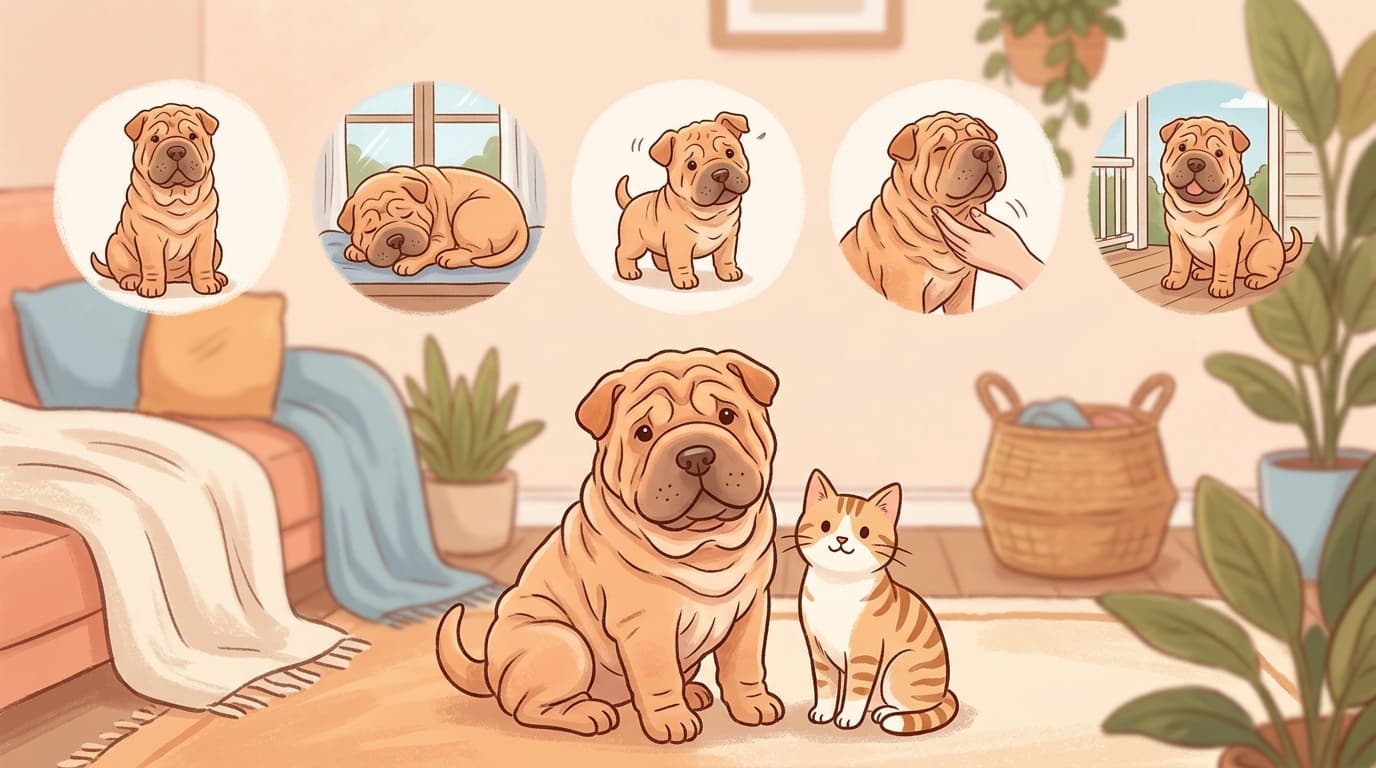
Those squishy wrinkles and serious expression aren’t just for show. The Shar-Pei has a look you can spot from across the park—and a personality that surprises a lot of first-time owners.
Below are five Shar-Pei traits that help explain why this breed feels so unique, both in appearance and in the way they relate to their people.
1) Shar-Pei wrinkles were built for protection
Most pet owners don’t realize the Shar-Pei’s wrinkles had a practical purpose long before they became a signature “cute factor.” Historically, that loose, folded skin helped protect the dog during fights by making it harder for an opponent to get a solid grip.
Because the skin isn’t tight to the body, a Shar-Pei could twist and move more freely, even if another animal latched on. It’s a wild origin story for such an iconic feature—and it explains why the breed’s wrinkled coat is more than just a fashion statement.
2) The Shar-Pei’s blue-black tongue is a rare genetic quirk
If you’ve ever seen a Shar-Pei yawn and did a double-take, you’re not alone. Like the Chow Chow, the Shar-Pei can have a dark blue to bluish-black tongue, which is an uncommon trait in dogs.
It’s one of those little details that makes the breed feel a bit “exotic,” even if your Shar-Pei is just lounging on your couch like royalty.
3) This is an ancient breed with roots going back over 2,000 years
The Shar-Pei isn’t a modern designer dog—it’s an old soul. Records trace the breed back more than two millennia to rural China.
Back then, Shar-Peis weren’t just companions. They worked: guarding homes and helping hunt formidable game like wild boar. That history still echoes in the breed today through their alertness, confidence, and strong sense of territory.
4) Aloof with strangers, deeply devoted to “their” people
One of the most defining Shar-Pei traits is how selective they can be socially. They often seem reserved around unfamiliar people, sometimes even giving off a “please don’t touch me” vibe.