5 Signs Your Cat Sees You as Their “Mom” (According to Cat Behavior Science)
From kneading to greeting you at the door, these 5 behaviors can mean your cat sees you as their safe, mother-like figure.
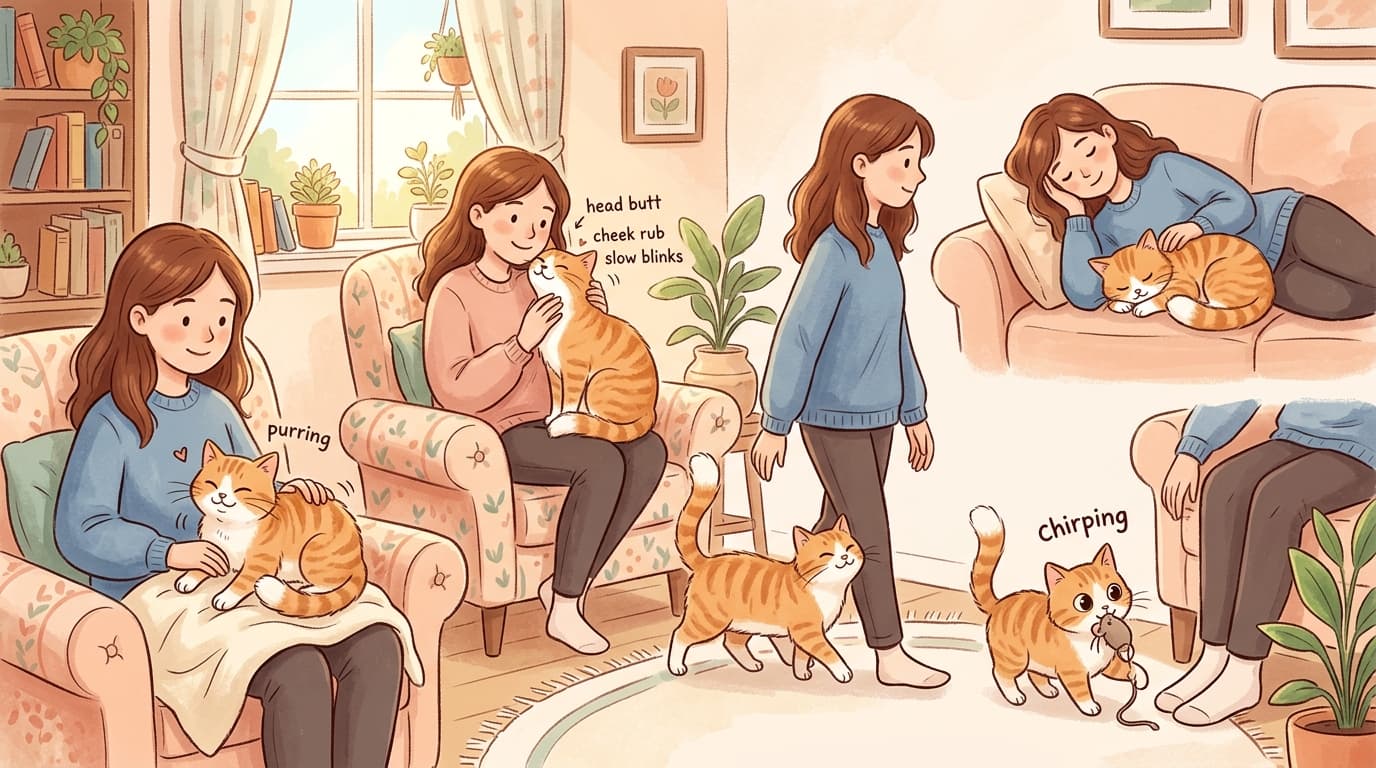
Your cat probably doesn’t think, “That human is literally my mother.” But science suggests many cats treat their favorite person as a comfort base in a very similar way to how they once relied on mom—and the clues show up in everyday behavior.
The “mother figure” idea: what it really means
In cat behavior research, the big takeaway is that cats can form strong attachment bonds with their caregivers. Studies have described how cats may repeat the same comfort-seeking behaviors with their human that they used as kittens with their mother—especially when they’re looking for safety, calm, or connection.
So if you’ve ever felt like your cat is weirdly attached to you (but only on their terms), you’re not imagining it.
1) Your cat sleeps with you (because they feel safest there)
Sleep is a vulnerable time for any animal. When your cat chooses to nap on your bed, curl up against your legs, or claim your pillow like it’s prime real estate, it often means one thing: your presence feels secure.
Cats don’t pick sleeping spots randomly. Warmth matters, yes—but so does trust. If your cat consistently chooses to sleep near you instead of in a quiet corner, you’re likely their safest “home base.”
2) Your cat kneads you with their paws
That slow push-pull motion on your lap, blanket, or belly is one of the most emotional cat behaviors to witness. As kittens, cats knead their mother’s belly to stimulate milk flow—and the action is also linked to comfort and relaxation.
When an adult cat kneads you, they’re tapping into those same soothing pathways. Most pet owners don’t realize it’s not just a cute habit; it’s often a sign your cat feels deeply at ease and bonded.
3) Your cat rubs their face or body on you
If your cat headbutts your hand, drags their cheek along your leg, or presses their face into yours, they’re doing more than saying hello.
Cats have scent glands that release pheromones, and rubbing is a way of “marking” you as familiar and safe. In cat social language, it’s a strong signal of belonging—more like “you’re part of my group” than “you’re my property.”
4) Your cat greets you at the door
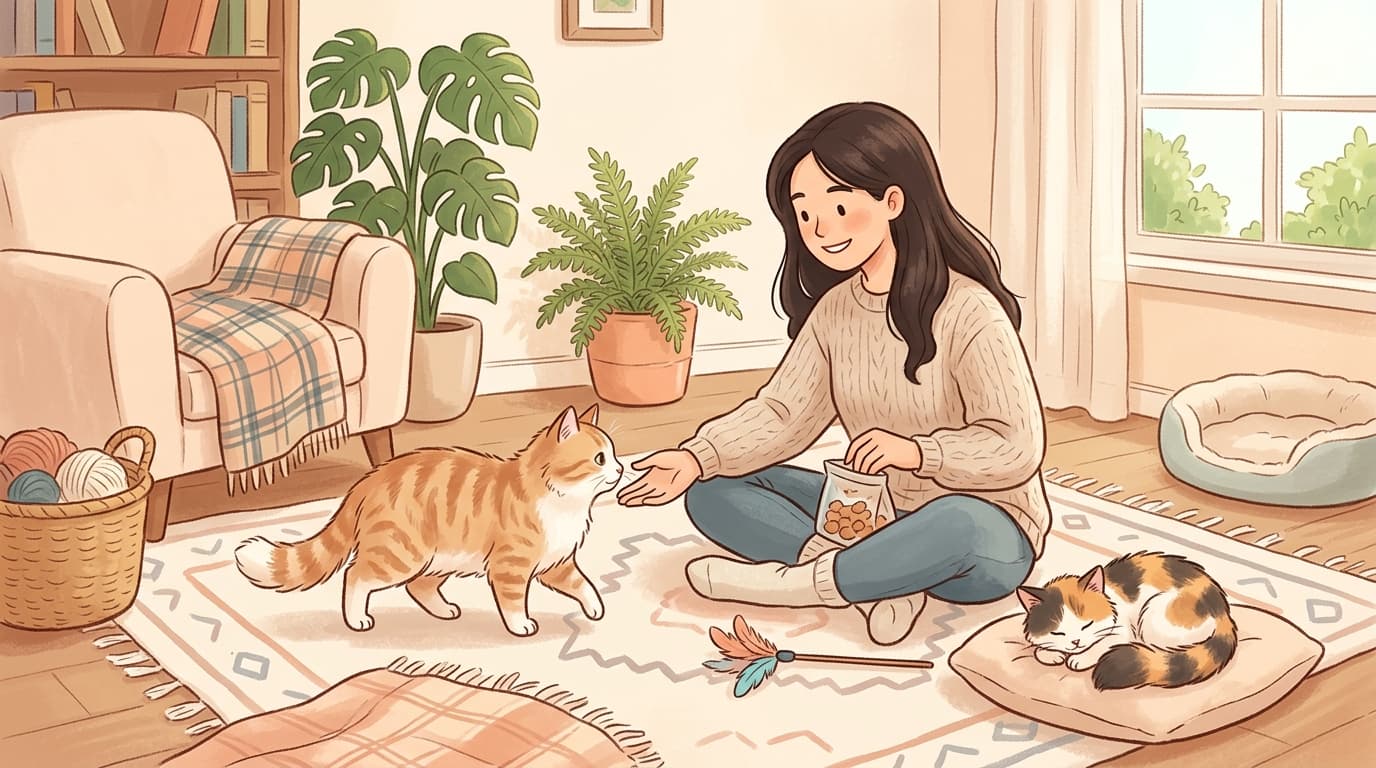
Not every cat does this, which is why it feels so special when it happens. If your cat trots over with their tail up, vocalizes, or immediately starts weaving around your ankles, that’s a genuine reunion ritual.
It’s also a sign of attachment: your return matters to them, and they’re motivated to reconnect right away—sometimes with rubbing, sometimes with meows, sometimes with that intense stare that says, “Where have you been?”
5) Your cat follows you or seeks you out around the house
If your cat keeps showing up in whatever room you’re in—plopping down nearby even though they have plenty of other options—that’s not an accident.
This kind of “shadowing” behavior usually isn’t about food. It’s about preference. Your cat enjoys your company, and being near you helps them feel settled. If you’ve ever noticed your cat trailing you from room to room and then acting casual about it, that’s classic cat logic: they want closeness, but they also want to pretend it was their idea.
What science adds to the conversation
Research has suggested that cats often direct kitten-like attachment behaviors toward their caregivers, treating them as a source of safety and reassurance. Other studies also show cats can read and respond to human cues and communicate intentionally with us—helping explain why the bond can feel so personal and specific.
In plain terms: your cat isn’t “independent” in the way people assume. Many cats form real, meaningful attachments—and they show it in quiet, consistent ways.
The takeaway
If your cat sleeps with you, kneads you, rubs on you, greets you at the door, or seeks you out around the house, you’re not just a food provider. You’re their trusted reference point—the one they relax around, return to, and choose again and again.
Continue reading

Does Your Cat Really Love You? 8 Quiet Signs of Trust Most People Miss
From slow tail-tip curls to choosing your seat, these 8 subtle behaviors can reveal how deeply your cat trusts you.

Why Your Cat Climbs on You: It’s Not “Just Love” (And What They’re Really Saying)
From lap-sitting to cheek rubs, your cat’s “cute” habits are secret messages about safety, scent, and trust.

Pumpkin for Cats: The Simple Food Add-In That Supports Digestion and Helps Push Out Worms
Plain pumpkin puree can support your cat’s digestion and make the gut less welcoming for worms—plus most cats accept it well.