5 Signs Your Dog Has Chosen You as Their Person (It’s More Than Affection)
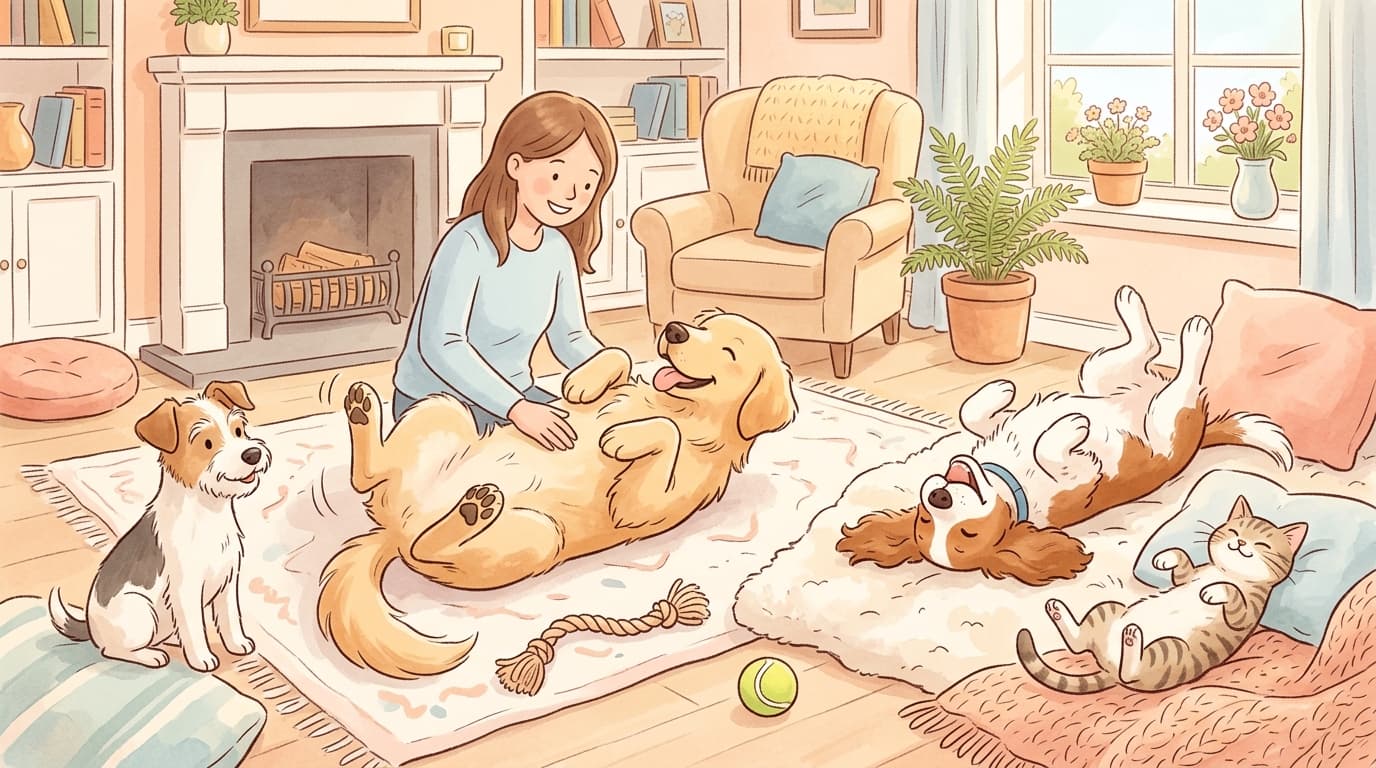
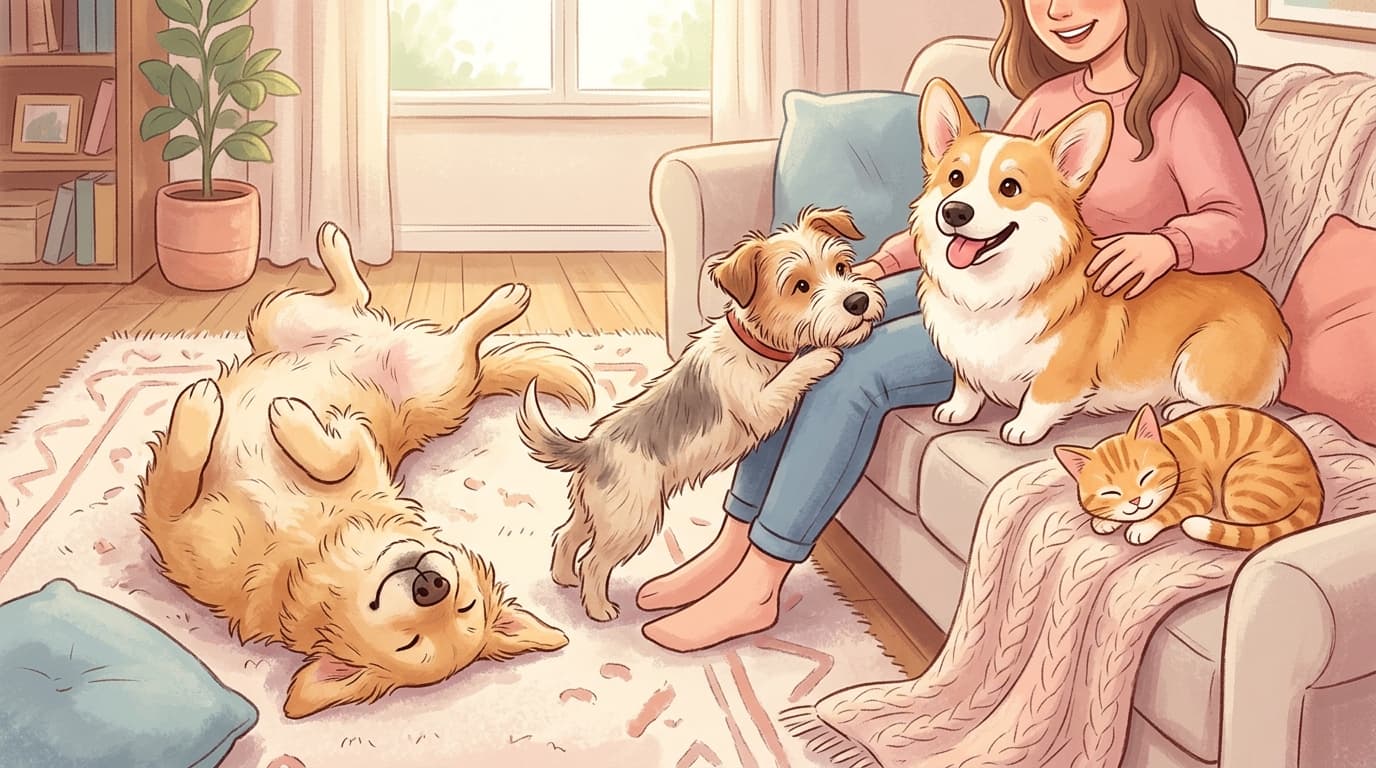
You can live in a house full of people and still be the one your dog is truly bonded to. Most pet owners assume it’s just about who feeds them or who plays the most, but your dog’s body can reveal a much deeper kind of preference. These five behaviors are some of the clearest signs your dog has chosen you above everyone else.
1) Vigilant sleep: they rest differently when it’s you
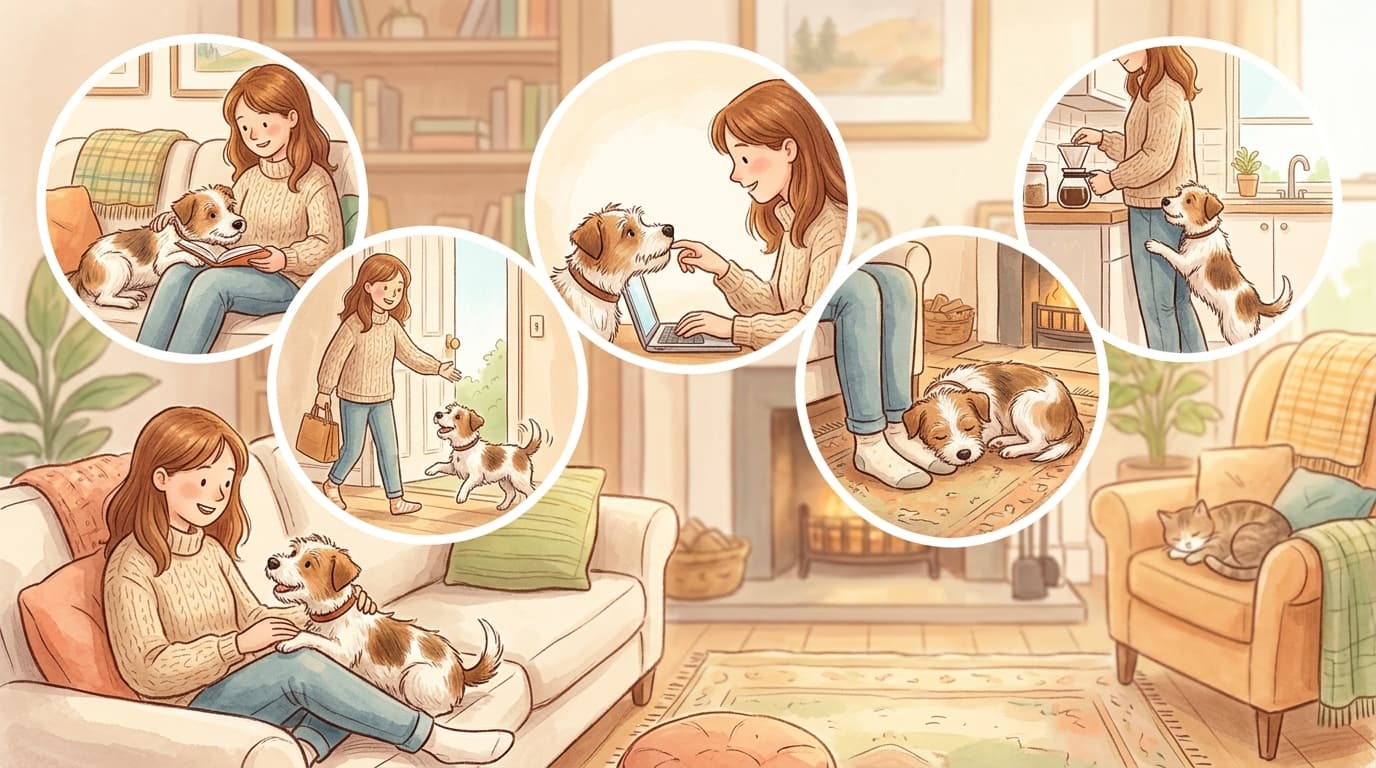
If you’ve ever noticed your dog dozing next to you and popping awake the second you shift your legs, you’re not imagining things. Dogs that are strongly attached to their person can show a more “on-call” kind of sleep when that person is nearby.
Researchers using sleep EEG (a way of tracking brain activity during sleep) have found that dogs with secure attachment patterns show more alert-style brain activity in their owner’s presence. In plain English: your dog may be resting, but part of their brain is still keeping tabs on you.
What you’ll typically see at home:
- They choose to sleep close enough to notice your movements.
- They startle-awaken quickly if you stand up or leave the room.
- They seem to “half-sleep” in busy moments, then sleep deeper later.
It’s not clinginess. It’s your dog’s nervous system treating you like the most important thing in the environment.
2) They bring you a toy when you’re upset (their version of first aid)
A lot of dogs come over when you’re sad. The extra-special ones do something oddly practical: they bring you something.
Studies on dogs and human emotional distress have shown that dogs will often approach a crying person and try to make contact. But in stronger, longer relationships, some dogs add a second layer—offering an object (a toy, a rope, sometimes a random sock) as if they’re trying to help fix the situation.
Most pet owners don’t realize how specific this can be until they see it a few times: your dog isn’t just seeking comfort for themselves. They’re doing a “retrieve-and-deliver” behavior that looks a lot like problem-solving.
Common versions of this include:
- Dropping a favorite toy at your feet when you’re crying
- Nudging you with an object, then watching your face
- Running off to grab something the moment your voice changes
It’s one of the sweetest signals that your dog has assigned themselves a role in your life: emotional responder.
3) The “postural reset”: your calm flips their body from tense to loose
This is the one you can see in real time. Your dog is keyed up—doorbell, thunder, strange noise outside—then you sit down, breathe normally, and settle. Suddenly their shoulders drop. Their face softens. They stop scanning the room like a security guard.
That visible shift lines up with what researchers measuring dog physiology have found during reunions and comfort situations: in the presence of their chosen person, dogs can show reduced stress responses. Things like heart rate and stress hormones can begin trending down, and their overall body language changes in a predictable “unlocking” sequence.
You’ll recognize it as:
- Ears moving from pinned-back to neutral/forward
- Tail carriage becoming more normal
- Less pacing, fewer startled glances
- A deeper, slower breathing rhythm
The key detail is who causes the reset. A friendly guest might not do it. A family member might not do it. But you walk in (or even just settle into your seat), and your dog’s body gets the message: “We’re safe.”
4) Protective positioning: where they place themselves isn’t random
Pay attention to where your dog chooses to lie when nothing is happening. Not the sunny nap spot. Not the cozy bed they use when they’re tired. I mean the “default” location when they have options.
Dogs who view someone as their secure base tend to keep that person in their awareness. That often shows up as purposeful positioning—lying where they can see you, get to you quickly, or place themselves between you and entrances.
Look for patterns like:
- Hanging out in the hallway that leads to you
- Planting themselves near the kitchen while you cook (even if the floor is hard)
- Facing the doorway while still keeping you in sight
- Moving rooms just to maintain the same distance from you
It’s a quiet kind of devotion: “I’m off duty, but I’m still keeping watch.”
5) Stress syncing: your dog’s body can mirror your stress over time
This one is invisible, but it’s one of the most powerful. Research measuring cortisol (a main stress hormone) in dogs and owners has found that over longer periods, some dogs’ cortisol patterns begin to match their person’s patterns—especially in long-term bonds. The longer you’ve been together, the tighter that syncing can become.
That can show up in everyday life like this:
- You’re having a rough week and your dog seems unusually restless, clingy, or on edge
- Your dog paces or pants when nothing is happening—but you’ve been tense all day
- When you finally relax, your dog seems to settle too
It’s not that your dog “copies” you like a parrot. It’s closer to emotional contagion: your dog is so tuned in to you that your nervous system becomes part of their environment.
A simple 90-second test you can do tonight
Want a low-drama way to see how strongly your dog orients to you?
- Sit quietly in a room where your dog can see you.
- Don’t call them. Don’t pat your leg. Don’t make eye contact.
- Stay still for 90 seconds and just observe.
Signs you’re their person:
- They approach within the first 30 seconds.
- They angle their body toward you and stay nearby.
- They settle within your orbit even without touching.
- Bonus: they bring you an object without being prompted.
This works because it removes the usual stuff—commands, treats, excitement—and shows what your dog chooses to do with only your presence.
The takeaway
Being your dog’s person isn’t just about affection; it shows up in sleep, posture, positioning, helping behaviors, and even stress patterns. If you’ve spotted a few of these, your dog isn’t simply attached to you—they’re oriented around you.
Notice it, appreciate it, and give them a little extra patience on the days they seem “too” sensitive. They may just be feeling more of you than you realize.
Meta description: From “vigilant sleep” to stress-hormone syncing, these 5 behaviors can show your dog has chosen you above everyone else.
Continue reading

How to Leave Your Dog Home Alone Without Triggering Separation Anxiety
Use these 9 simple routines to keep your dog calm, busy, and secure when you leave the house.

Everyday Habits That Hurt Your Dog’s Feelings (and What to Do Instead)
Small daily habits can quietly stress your dog. Learn what hurts your dog’s feelings—and the simple swaps that rebuild trust.

Female Dogs Aren’t Just “Smaller Males”: 8 Key Differences Every Dog Owner Should Know
Female dogs often learn faster, bond differently, and hide pain better. Here are 8 real-life differences to understand your girl.