12 Silent Signs Your Cat May Be Sick (That Many Owners Miss)
Cats hide illness. Learn 12 subtle warning signs—weight loss, thirst, litter box changes, hiding, breathing issues, and more.
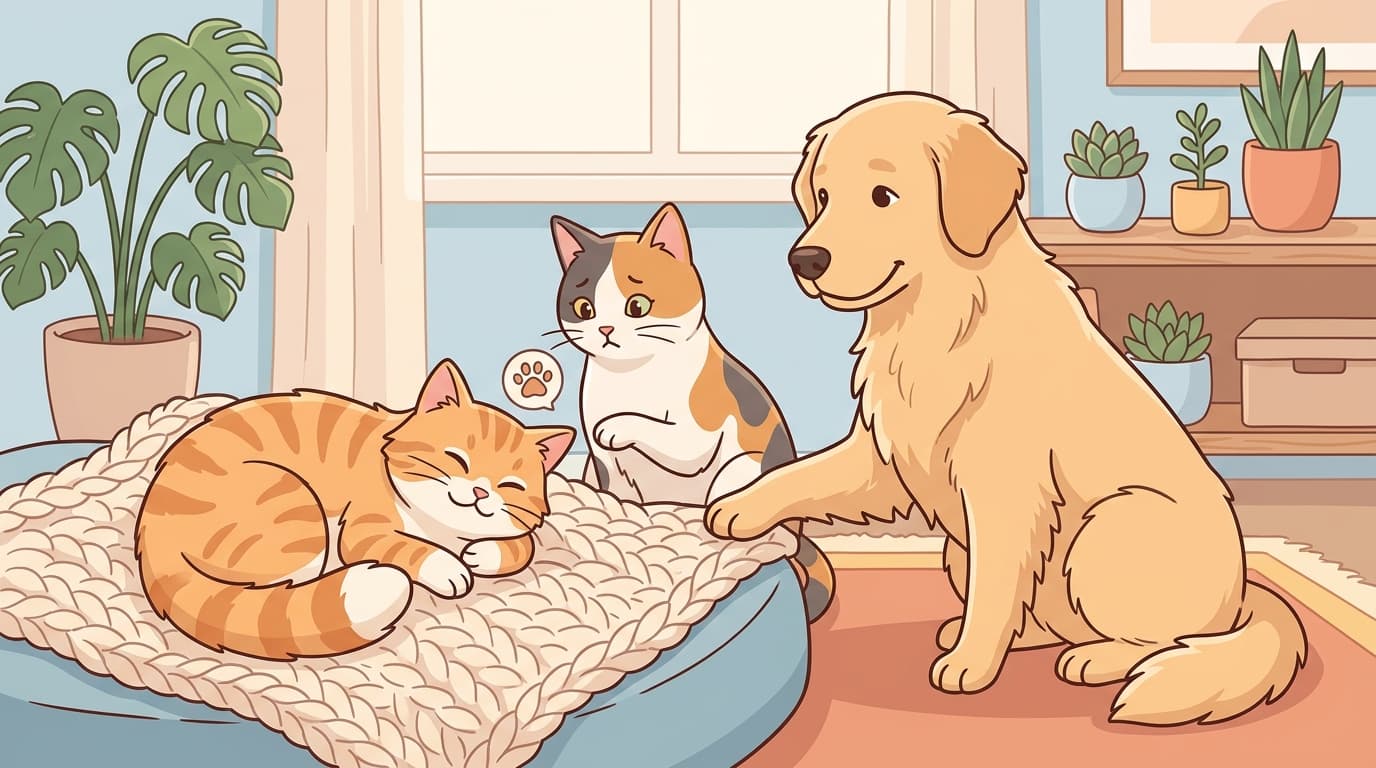
Cats are masters at acting “fine” even when they feel awful. That’s not stubbornness—it’s instinct, and it can fool even loving, attentive owners. The good news is that your cat’s body language and daily habits often whisper clues long before things look obviously serious.
Why cats hide illness so well
In the wild, looking weak makes an animal a target. That survival wiring is still strong in house cats, which is why a sick cat may stay quiet, keep routines as long as possible, and suffer without obvious drama. If you’ve ever thought, “Maybe my cat is just getting calmer with age,” you’re not alone—but sudden changes deserve a closer look.
1) Eating normally but losing weight
If the food bowl is empty like always, yet your cat is getting thinner, that’s a bright red flag. It can mean your cat isn’t absorbing nutrients properly or their body is burning through energy in an abnormal way.
A simple way to catch this early: once a month, weigh yourself holding your cat, then weigh yourself alone and subtract. If your cat loses more than about 10% of their body weight in a month, treat it as urgent.
2) Purring more than usual (especially while hiding)
Most people hear purring and assume “happy.” But cats also purr when they’re stressed, uncomfortable, or trying to self-soothe. Some research suggests the vibration frequencies may support healing in muscles and bones.
Pay attention to changes: louder purring, more frequent purring, or purring while your cat is alone in a hiding spot can be a clue that something hurts.
3) Drinking a lot more water than before
Cats are naturally designed to get much of their moisture from food, so a sudden jump in thirst stands out. If your cat is suddenly hanging around the water bowl, begging at the faucet, or drinking like they just crossed a desert, take it seriously.
In middle-aged cats especially, increased thirst can be an early warning sign of conditions like diabetes, kidney issues, or thyroid problems. Watch for a week—if it’s clearly increasing or not settling back to normal, don’t brush it off.
4) Litter box habits change overnight
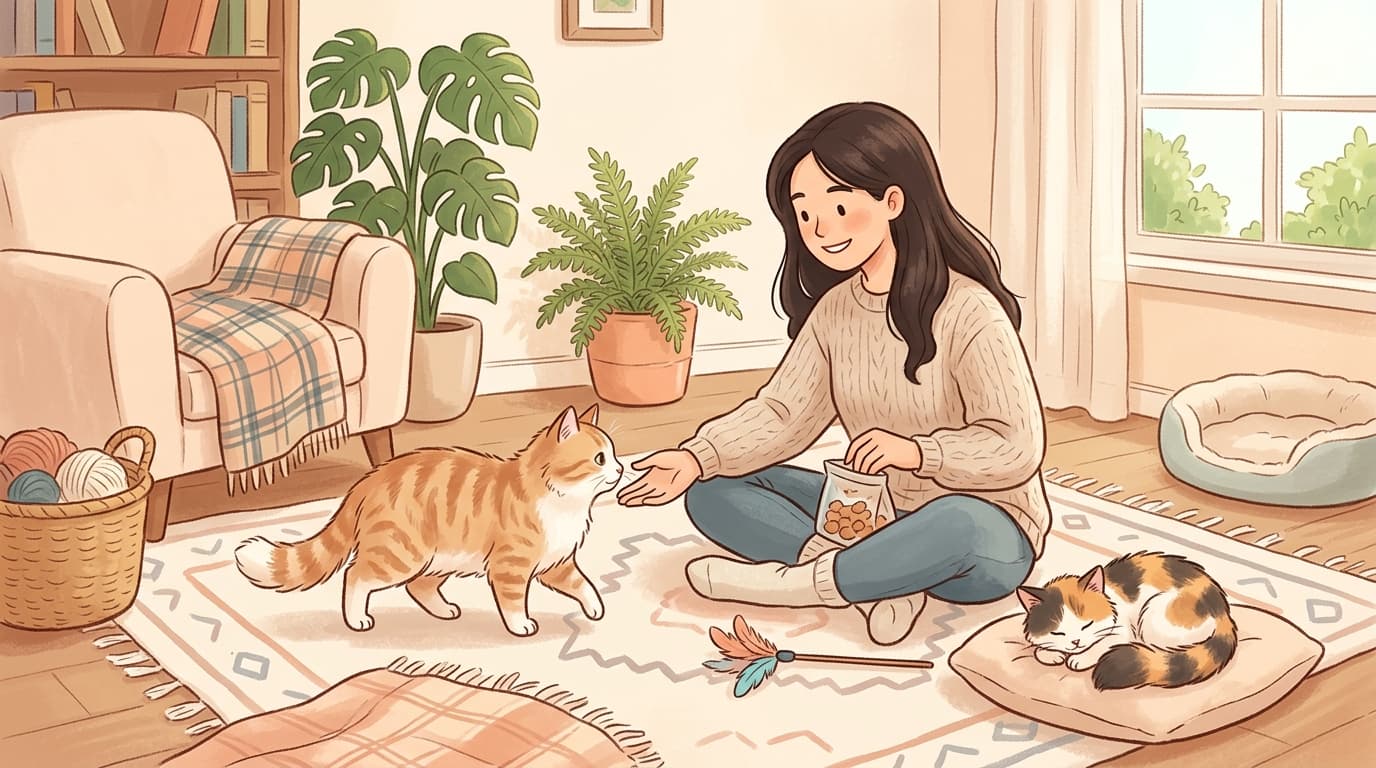
Your cat’s litter box is basically a daily health report. Changes that matter include:
- Peeing outside the box
- A big increase or decrease in urine amount
- Strange color or blood
- Straining, repeated trips, or sitting there a long time with little/no urine
For male cats, a complete urinary blockage can become life-threatening fast—sometimes within a day. If your cat is straining and nothing is coming out, treat it as an emergency.
5) Hiding more than usual
A cat that normally hangs out with you but suddenly disappears under the bed or into a closet is telling you something. Hiding is a classic “I don’t feel safe” response—often linked to pain or weakness.
If your cat hides for a day, it could be stress. If it’s more than a couple of days—especially if they’re not eating or drinking—this is a serious sign.
One more thing: if your cat is hiding, don’t drag them out. Sit nearby, stay calm, and observe their breathing, posture, and eyes. Those details can be incredibly helpful.
6) A sudden drop in play and activity
A slow, gradual mellowing over years can be normal. A sharp change from “chasing toys yesterday” to “won’t even look at them today” is different.
Cats often conserve energy when they feel unwell. Pain, anemia, heart problems, and infections can all make a cat move less and lose interest in their world. The speed of the change is the clue.
7) Weird sleeping or resting posture
Cats sleep in all kinds of positions, but pain can force them into unusual poses. Watch for:
- Sitting tilted to one side
- A “belly to the floor” posture (often linked to abdominal discomfort)
- Front legs stretched out in an awkward way
Also pay attention to jumping. Many owners don’t realize how common joint pain is—studies suggest a high percentage of cats over 10 have age-related joint changes. If your cat avoids stairs, stops jumping up, or lands awkwardly, discomfort may be involved.
8) Grooming changes: too much or too little
Grooming isn’t just hygiene—it’s also emotional regulation for many cats. Big shifts matter:
- Over-grooming one spot repeatedly can suggest itch, skin issues, parasites, allergies, or even pain in that area.
- Neglecting grooming (greasy coat, mats, dull fur) can mean your cat feels too weak or uncomfortable to keep up.
Most pet owners don’t realize how useful “normal grooming patterns” are until they change.
9) A different meow (or sudden silence)
You know your cat’s usual voice. Changes can include:
- Hoarseness
- A suddenly higher or lower pitch
- Becoming unusually quiet
- Vocalizing constantly for no clear reason
Thyroid issues can affect vocalization, and throat problems or infections can change the sound. In older cats, cognitive decline can lead to loud nighttime crying as they seem confused or “lost.”
10) The third eyelid is showing
In the inner corner of your cat’s eye is a pale membrane called the third eyelid. You usually shouldn’t see it.
If it becomes visible, it can be linked to dehydration, poor nutrition, parasites, serious infection, or neurological issues (like Horner’s syndrome). If it’s showing in both eyes, it often points to a whole-body problem; if it’s just one eye, it may be local to that eye—but either way, it’s not a “wait and see” situation.
11) Fast breathing at rest
This one is easy to miss until it’s urgent. A healthy resting cat typically breathes about 20–30 times per minute.
How to check: while your cat is asleep, count chest rises for 30 seconds and multiply by two. If your cat is consistently over 30 breaths per minute at rest, breathing with a lot of belly movement, or breathing with an open mouth, that can signal a serious problem (heart, lungs, fluid in the chest, asthma).
12) Any sudden personality or routine shift
This is the “big umbrella” sign, and it matters because you know your cat’s normal better than anyone.
Examples include:
- A cuddly cat becoming aggressive
- An active cat becoming withdrawn
- Sudden appetite loss—or sudden nonstop hunger
- Unexplained fearfulness, clinginess, or restlessness
Cats are creatures of routine. When that routine breaks for no obvious reason, it’s often your earliest clue that something is happening beneath the surface.
A simple way to use these signs without panicking
You don’t need to memorize every detail—you just need to notice change. Pick two daily check-ins: a quick look at the litter box, and a 10-second scan of posture/breathing while your cat rests. Add monthly weight checks, and you’ll catch many problems sooner.
Your cat can’t say “I don’t feel right,” but they do communicate. The more you learn your cat’s normal, the faster you’ll recognize when something’s off—and that attention is one of the kindest things you can give them.
Continue reading

Does Your Cat Really Love You? 8 Quiet Signs of Trust Most People Miss
From slow tail-tip curls to choosing your seat, these 8 subtle behaviors can reveal how deeply your cat trusts you.

Why Your Cat Climbs on You: It’s Not “Just Love” (And What They’re Really Saying)
From lap-sitting to cheek rubs, your cat’s “cute” habits are secret messages about safety, scent, and trust.

Why Your Cat Walks on You at Night (And What They’re Really Trying to Tell You)
If your cat steps on your chest at night, it’s not random. Here are the real reasons—and how to respond without encouraging 5 a.m. wakeups.