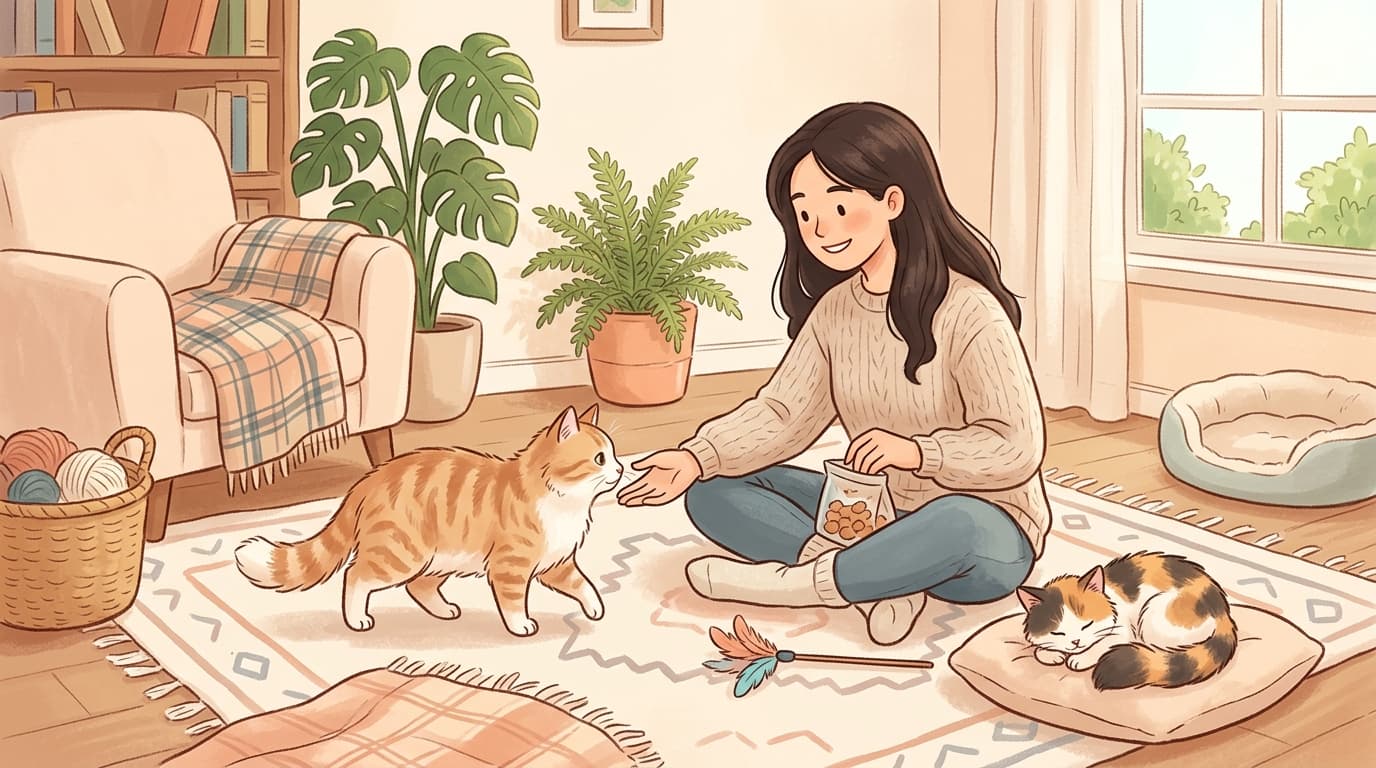
Sleeping With Your Cat: 5 Personality Traits Psychology Links to Bed-Sharing Pet Parents
People who sleep with their cat often share 5 traits: secure attachment, emotional sensitivity, empathy, patience, and sociability.
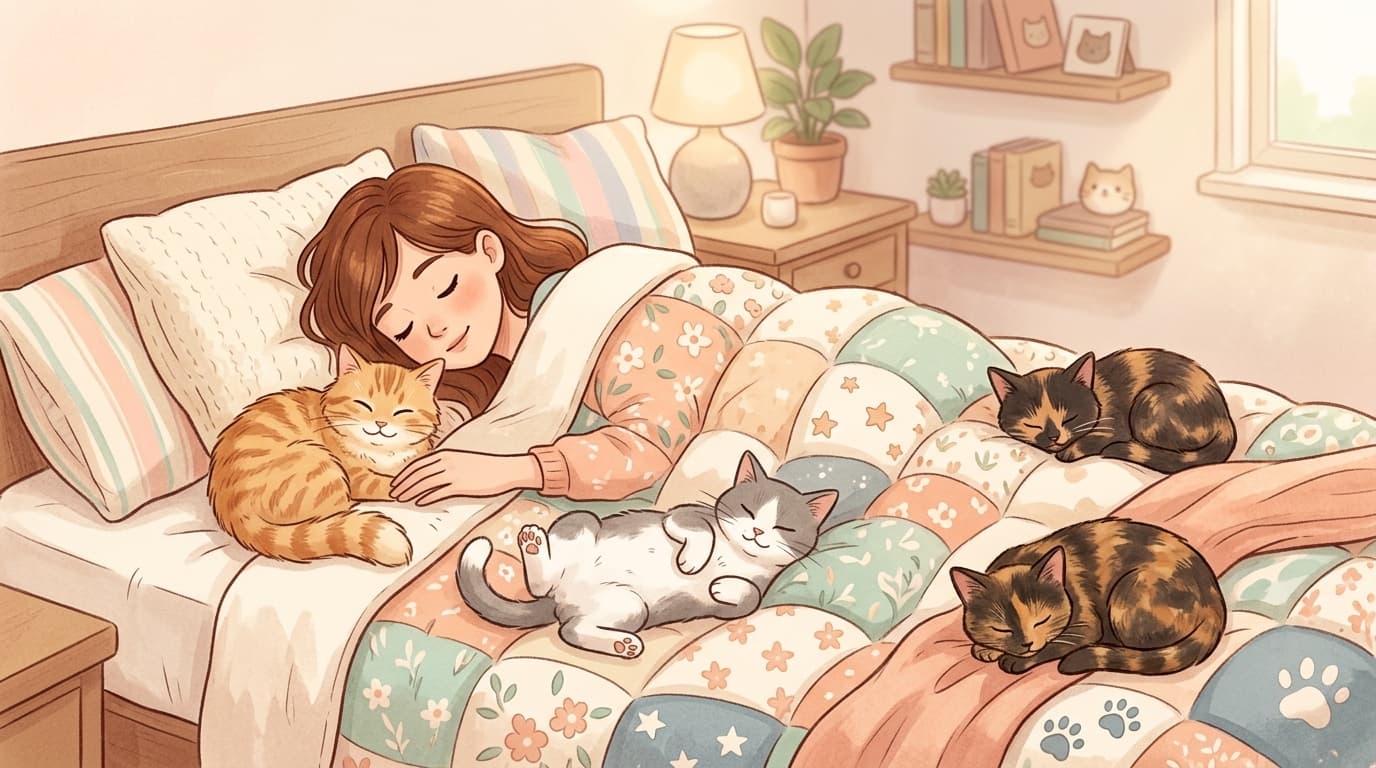
Some people can’t fully relax until they feel a warm cat body nearby. Others love their pets dearly and still want the bed to themselves. Interestingly, psychology connects sleeping with your cat to a handful of personality traits that tend to show up together.
Sleeping with your cat and a strong need for attachment
Attachment isn’t just a childhood thing. Psychologists have long described how humans form bonds to feel safe and grounded, and that idea doesn’t magically disappear once you grow up.
If you sleep with your cat, there’s a good chance you’ve built a “secure attachment” style with them: you feel emotionally connected, and physical closeness helps you unwind. If you’ve ever noticed that you fall asleep faster the moment your cat curls up near your legs, you’ve felt this in real life. It’s not about being needy—it’s about comfort and connection.
Emotional sensitivity (and why your cat feels like a stress buffer)
People who are more emotionally sensitive often crave soothing routines and calming company. For many cat parents, bedtime is exactly that—and their cat is part of the ritual.
Sharing the bed can ease feelings of loneliness and lower stress. That’s partly because closeness and gentle touch are linked with lower cortisol (your stress hormone) and higher oxytocin (the bonding hormone). Add in the steady rhythm of purring—something many people find deeply relaxing—and it makes sense that plenty of cat owners swear they sleep better with their cat nearby.
A more empathetic personality toward animals
Letting your cat claim the coziest spot in the house says something about how you relate to other living beings.
People who sleep with their cat often show strong empathy toward animals: they don’t just focus on their own comfort, they consider their cat’s comfort too. They’re also more likely to “read” nonverbal signals—like when a cat wants closeness versus when they want space—and respect those boundaries. In everyday life, that can look like accepting your cat’s bedtime preferences instead of trying to control every detail.