Sleeping With Your Cat? Psychology Says You May Share These 5 Personality Traits
If your cat sleeps in your bed, psychology links it to attachment, sensitivity, empathy, patience, and sociability.
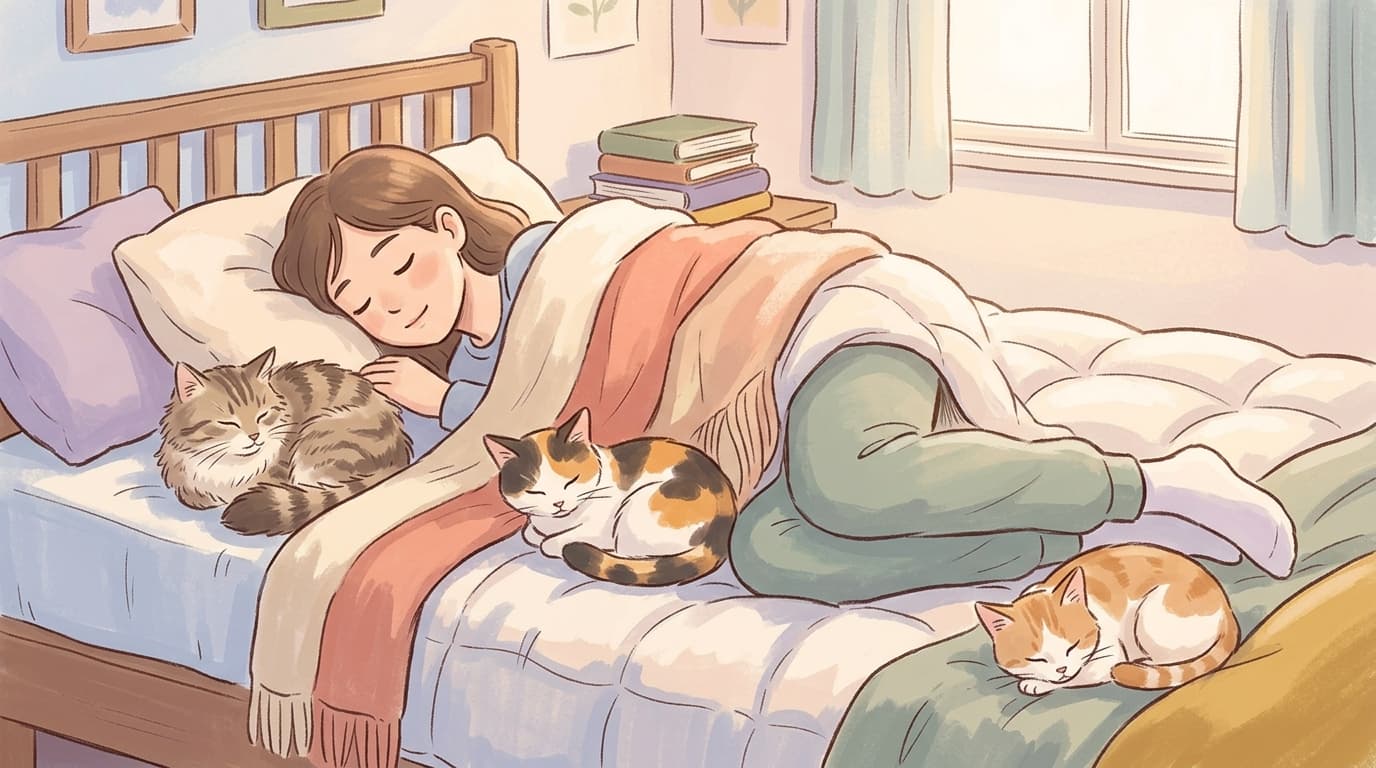
Sharing your bed with a cat isn’t just a cute habit—it can hint at the kind of person you are. Most pet owners don’t realize that something as simple as nighttime routines can reflect deeper emotional patterns.
Sleeping with your cat and a stronger need for attachment
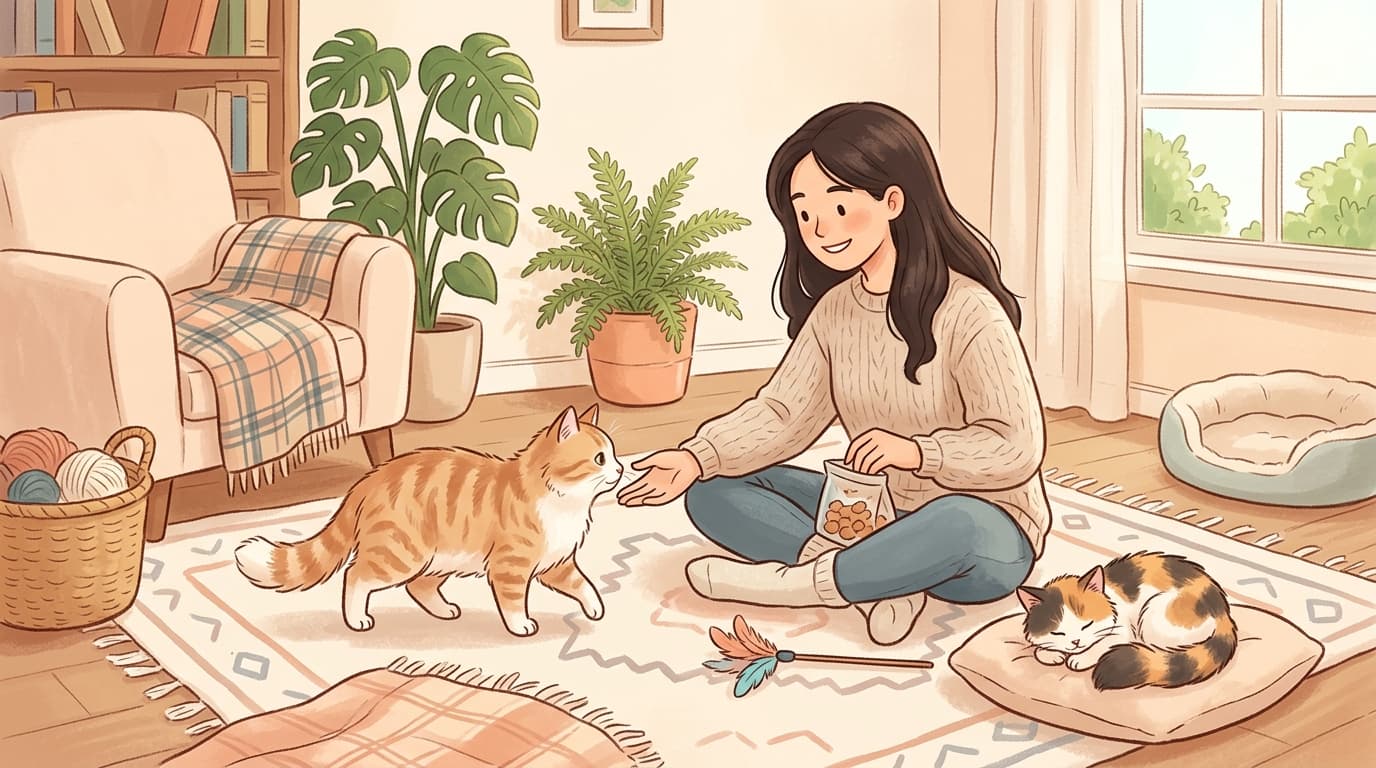
People who sleep with their cat often crave a steady sense of closeness. It’s not “neediness” in a negative way—it’s more like your nervous system relaxes when someone you trust is nearby.
If you’ve ever noticed that you fall asleep faster once your cat curls up next to you, that’s the vibe. You tend to feel more grounded sharing physical space, and that closeness can become part of what makes home feel safe.
Sleeping with your cat and emotional sensitivity
Choosing to share your bed with a cat is often linked to being emotionally tuned-in. Sensitive, affectionate people usually enjoy the quiet comfort of a warm body nearby, especially at the end of a long day.
For many, having a cat in bed can soften feelings of loneliness and help take the edge off stress. The simple rhythm of purring, breathing, and gentle movement can be surprisingly calming when your mind won’t stop replaying the day.
Sleeping with your cat and a more empathetic personality
Letting a cat take up space in the most comfortable spot in the house says something. It often points to empathy—especially the kind that extends beyond people.
You’re more likely to consider what your cat wants, not just what works for you. You may also be good at reading nonverbal cues: a tail flick, a slow blink, the “don’t touch me right now” look. And instead of pushing affection, you’re more inclined to respect your cat’s boundaries.
Sleeping with your cat and higher patience (yes, even at 5 a.m.)
Cats are famously active around dawn and dusk. If you share a bed with one, you’ve probably experienced the early-morning zoomies, the dramatic repositioning, or the occasional paw-to-the-face wake-up call.