Why Your Cat Puts a Paw on You: 5 Real Messages Hiding in That Tiny Tap
That gentle paw tap isn’t always affection. Here are 5 common reasons cats place a paw on you—and what to watch for.
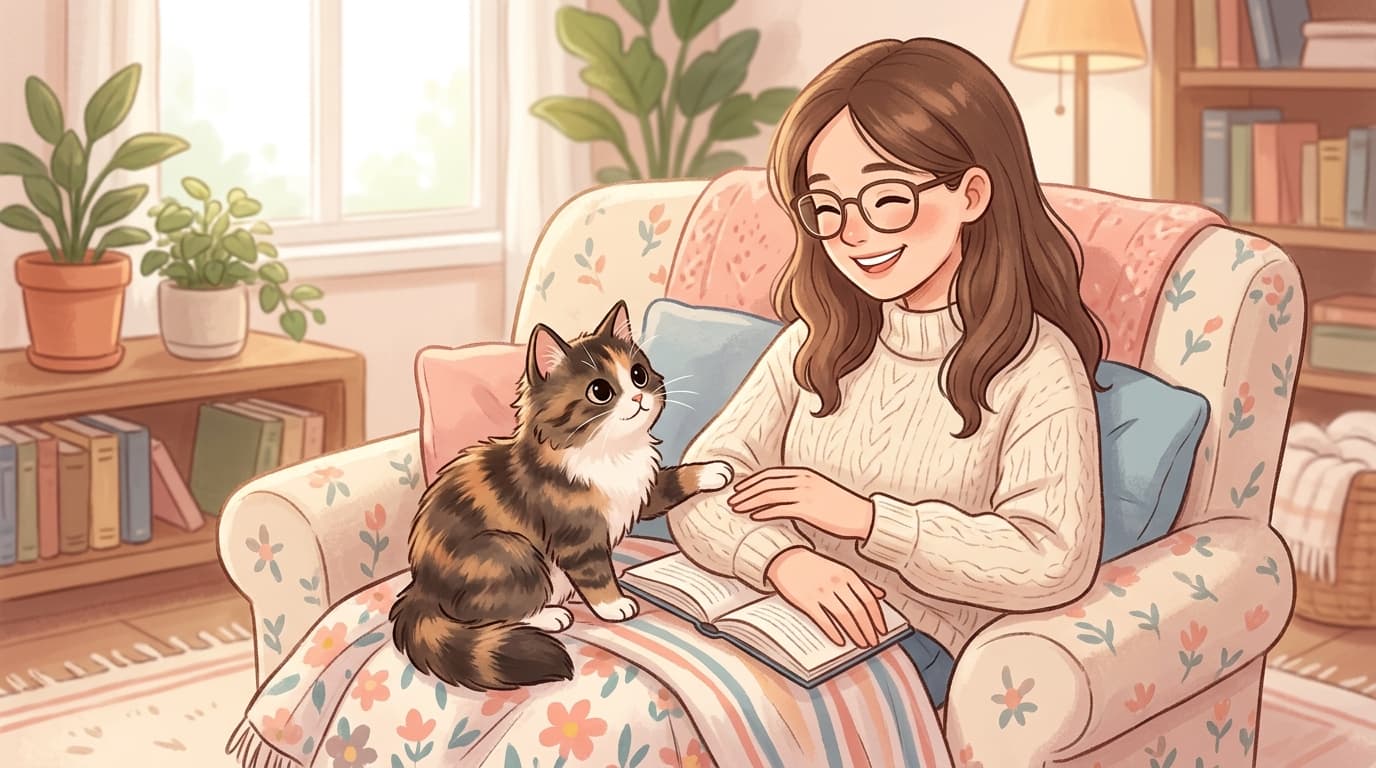
You’re half-asleep, and suddenly there’s a soft paw on your face or chest. It feels sweet… until you realize your cat might not be “cuddling” at all. That little tap can be a full sentence in cat language.
Below are five real reasons your cat puts a paw on you—and how to tell which message you’re getting.
1) Your cat is “claiming” you (scent marking)
Cats don’t relate to ownership the way humans do. In your cat’s mind, you’re not just the provider of food and rent—you’re part of the home base.
When your cat rests a paw on you, they can be leaving scent from glands in their paws. It’s subtle, and you won’t smell it, but other cats (and your cat) read it as familiar and safe. Think of it like a quiet stamp: “This is part of my territory.”
If you’ve ever noticed your cat do a quick touch-and-go—tap you and then stroll off like nothing happened—that’s often what’s going on. It’s not rude. It’s just how cats make their world feel secure.
2) Your cat is steering your behavior (the silent remote control)
Some cats don’t need to meow, knock things over, or cause chaos to get what they want. They train you with tiny gestures.
A paw tap can mean:
- “Keep petting me.”
- “Stop doing that.”
- “Get up… I want something.”
The timing is everything. If the paw appears the exact second you stop scratching that favorite spot, your cat is very likely giving you a polite (but firm) instruction to continue. And if you usually respond—by resuming pets, refilling the bowl, opening a door—your cat learns fast: this human is easy to operate.
3) Your cat is checking that you’re okay
This is the one that surprises most people. Cats can be extremely tuned in to your body: your breathing rhythm, your stillness, your usual sleep patterns.
If you’re sleeping unusually deeply, breathing differently, or lying very still for a long time, your cat may place a paw on you to “confirm” you’re responsive. Sometimes it’s a gentle touch, like they’re trying not to bother you. Other times it’s more insistent, like: “Hey. Move. React.”