What Cats Really Think About You (It’s Not Just “Food Person”)
Cats don’t see you as a servant. Learn how your cat actually reads you—through safety, routine, scent, and trust-building signals.
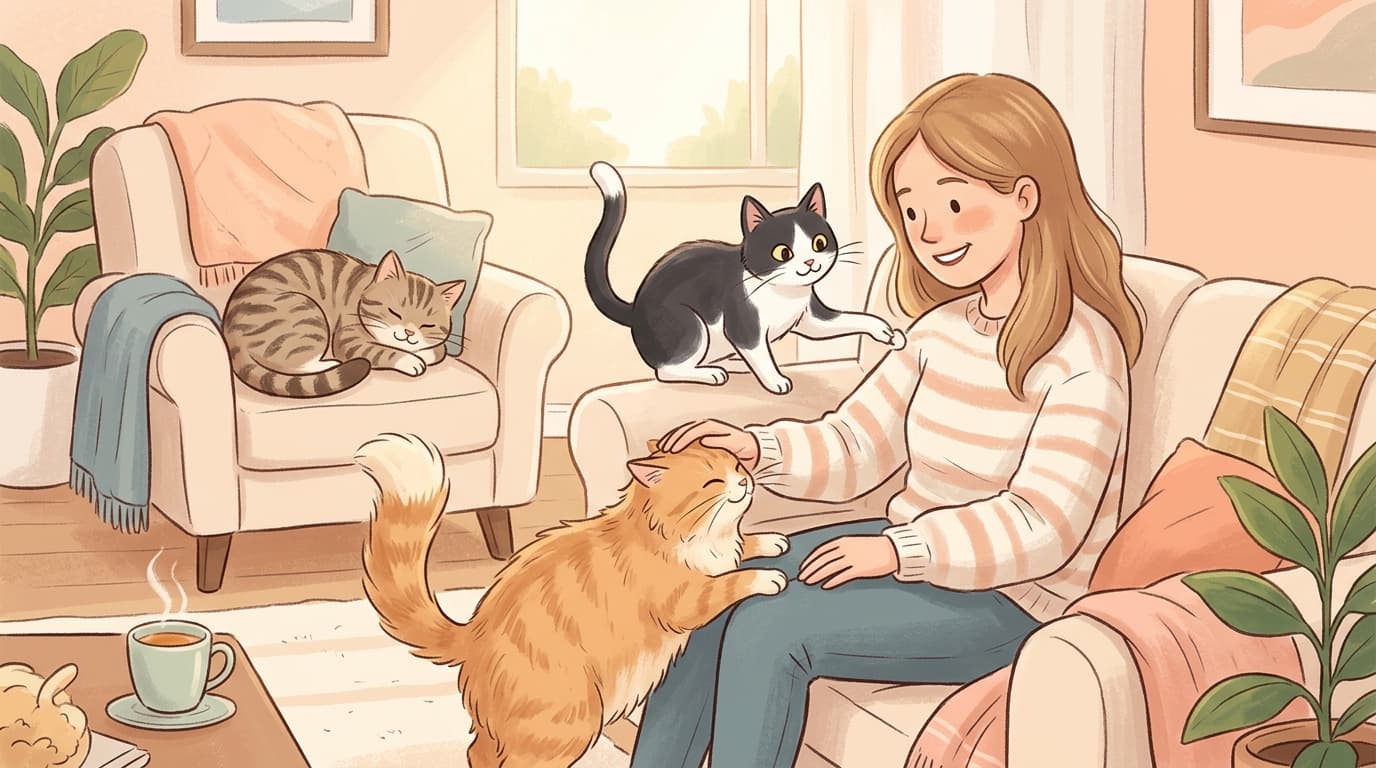
Most people assume cats tolerate us for one reason: dinner. But if you watch your cat closely, you’ll notice something deeper—your cat is constantly evaluating you as part of their world, and their trust is never automatic.
To understand what cats think about us, start with what a cat is
Even the sleepiest couch cat is built like a specialist hunter. Your cat’s senses are tuned for precision: eyes that lock onto movement, ears that pinpoint tiny sounds, whiskers that “map” space and detect subtle air shifts, and a body designed for short, explosive action.
That matters because cats weren’t shaped to survive by following a leader or cooperating in a pack. They were shaped to succeed alone—quiet, alert, efficient. So when a cat chooses closeness, it’s not because they need you the way many social animals need their group. It’s because they want to be there.
If you’ve ever felt oddly honored when your cat finally settles next to you, that’s why. With cats, affection is a decision.
Cats weren’t domesticated like dogs—and it shows
A lot of pets were intentionally bred over centuries to work with humans. Cats took a different path.
Early wildcats likely moved closer to human settlements for a simple reason: rodents. Grain stores attracted mice, mice attracted cats, and suddenly humans and cats had a win-win arrangement. People benefited from pest control; cats benefited from an easy hunting ground and safer territory.
That origin story still echoes today. Cats live with us, but they keep a strong streak of independence. They decide when interaction feels good, when they need space, and when they’re simply not in the mood. That can look like coldness—until you remember that trust from an independent animal carries extra weight.
How cats “label” you: not by species, but by experience
Humans sort the world into neat categories: human, cat, dog, stranger, friend. Cats likely sort things in a more practical way.
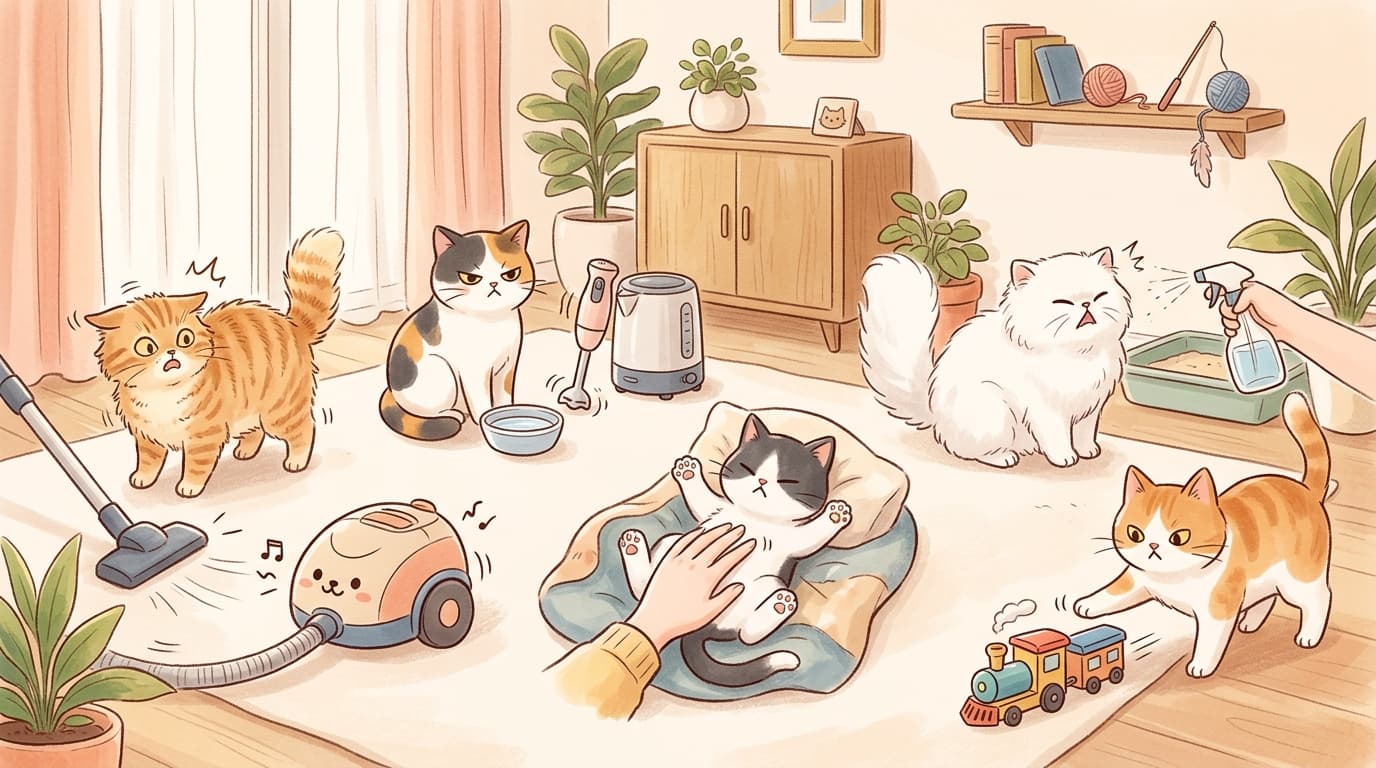
Your cat isn’t sitting around thinking, “Ah yes, my human.” They’re reading you through patterns:
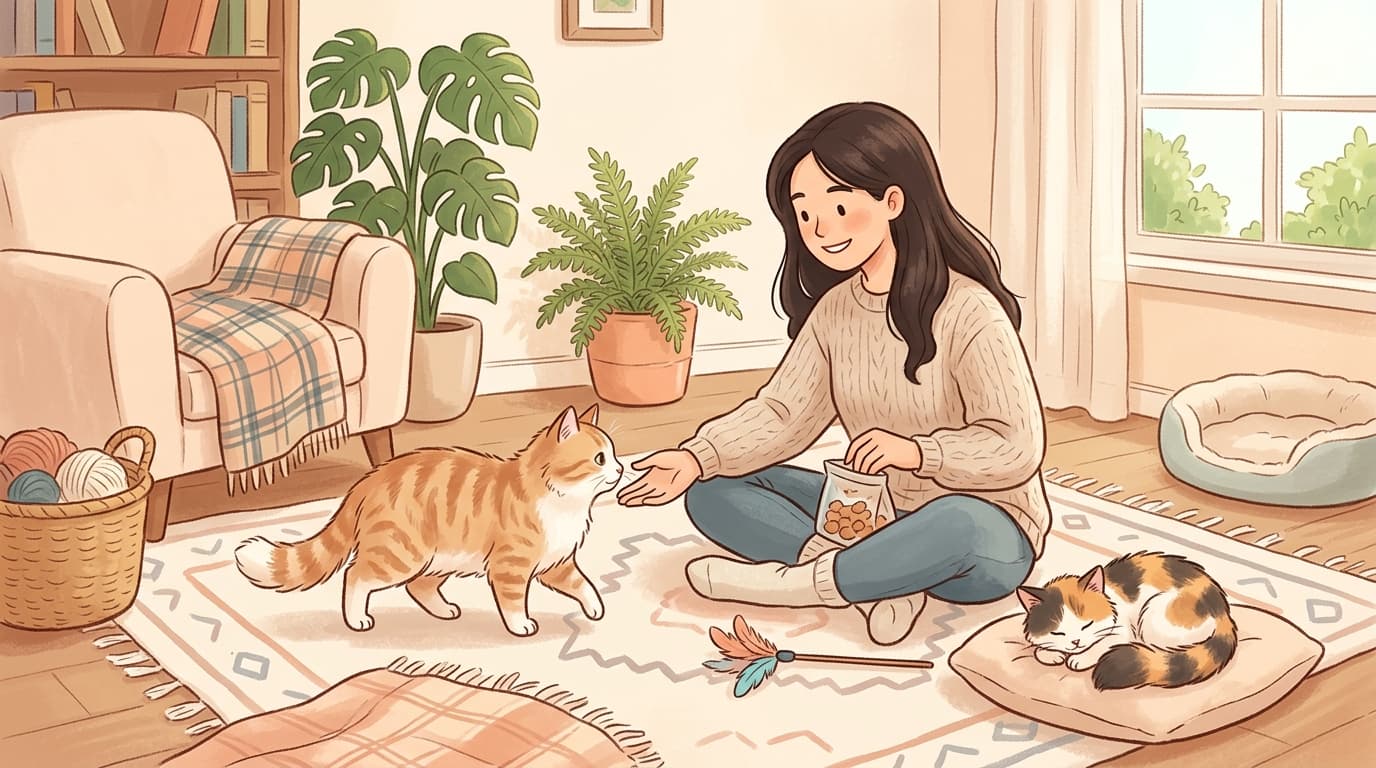
- How you move
- How you sound
- How you smell
- Whether you’re predictable
- Whether you feel safe
- Whether you respond well to their signals
To a cat, you’re probably “big, warm, sometimes loud, usually reliable, not dangerous… and mysteriously skilled at opening doors and producing food.”
And here’s the part most pet owners don’t realize: consistency is huge. A calm, steady routine can mean more to your cat than dramatic cuddles or constant attention. Stability makes the world feel safe.
The roles you play in your cat’s life
Cats don’t usually assign you one single job. In a bonded relationship, you become a mix of roles at once.
1) You’re the provider
Yes, your cat connects you with food, water, warmth, and a secure home. Cats are excellent at learning cause-and-effect.
But the “cats only love food” idea falls apart in real homes. Many cats strongly prefer one person even when multiple people feed them. That’s not just opportunism—that’s relationship.
2) You’re the safe base
When something feels off—visitors, unusual noises, a change in the environment—many cats orient toward the person they trust most.
Some cats make it obvious by climbing into your lap. Others do something subtler: they sit in the same room, quietly watching, just close enough to feel anchored. Not every cat shows attachment in a cuddly way.
3) You’re a social partner
Cats who are bonded often “shadow” their people: greeting you at the door, following you through the house, settling near whatever you’re doing. (Yes, that includes waiting outside the bathroom like it’s their job.)
And they communicate with you using the social tools they use with other cats—not because they think you’re a cat, but because it’s the language they know works.
The signals that reveal what your cat thinks of you
A lot of cat affection is quiet. It’s easy to miss unless you know what you’re looking at.
Head rubbing and scent marking: “You’re part of my circle”
When your cat rubs their head on your leg or hand, they’re mixing scents and building familiarity. It’s a way of making you “safe and known” in their world.
Slow blinking: “I’m relaxed with you”
That soft, sleepy slow blink isn’t random. It’s a calm signal—your cat telling you they feel at ease.
Turning their back while staying nearby: “I don’t need to monitor you”
If your cat sits with you and then casually faces away, that’s trust. They’re comfortable enough to stop keeping tabs on you.
Kneading: comfort without the “you’re my mom” myth
When cats rhythmically press their paws into a blanket, pillow, or your lap, it’s called kneading. It traces back to kittenhood, when nursing kittens knead to stimulate milk flow.
Adult cats often keep the behavior as a sign of deep comfort. It doesn’t mean your cat literally thinks you’re their mother—but it does suggest you’re associated with warmth, safety, and calm.
Why your cat ignores you (and still loves you)
Cats can be maddeningly selective. They don’t always come when called. They sit on your keyboard at the worst possible time. They stare like you’ve committed a personal offense.
But hierarchy—the idea of who’s “in charge”—is largely a human obsession. Cats seem less focused on dominance and more focused on what’s relevant in the moment.
They know you’re good at certain things: opening doors, running the heater, producing meals. They also know they’re better at other things: climbing, leaping, hunting. That doesn’t automatically translate to disrespect. It’s more like a practical partnership where each of you has your strengths.
So what do cats really think about us?
Put it all together and the picture is surprisingly sweet.
You’re not a replacement for another cat. You’re not a servant. And you’re not just a walking food dispenser.
To your cat, you’re a familiar, meaningful presence—a steady part of their territory and their routine. A safe anchor. A social companion. A source of comfort and warmth. Sometimes a playmate. Sometimes a living heating pad.
Cats don’t hand out trust casually. If your cat chooses you—sleeps nearby, slow-blinks from across the room, rubs their head against your hand, purrs beside you—that’s their way of saying you matter.
You may not always get obedience, but you’re getting something better: a relationship your cat freely chose. That’s the kind of love that sticks.
Continue reading

Does Your Cat Really Love You? 8 Quiet Signs of Trust Most People Miss
From slow tail-tip curls to choosing your seat, these 8 subtle behaviors can reveal how deeply your cat trusts you.

Why Your Cat Climbs on You: It’s Not “Just Love” (And What They’re Really Saying)
From lap-sitting to cheek rubs, your cat’s “cute” habits are secret messages about safety, scent, and trust.

Why Your Cat Walks on You at Night (And What They’re Really Trying to Tell You)
If your cat steps on your chest at night, it’s not random. Here are the real reasons—and how to respond without encouraging 5 a.m. wakeups.