Why Your Cat Refuses Wet Food (And How to Fix It Without a Mealtime Battle)
Your cat isn’t being picky—wet food can feel unsafe. Learn the real reasons and a simple, stress-free plan to switch successfully.
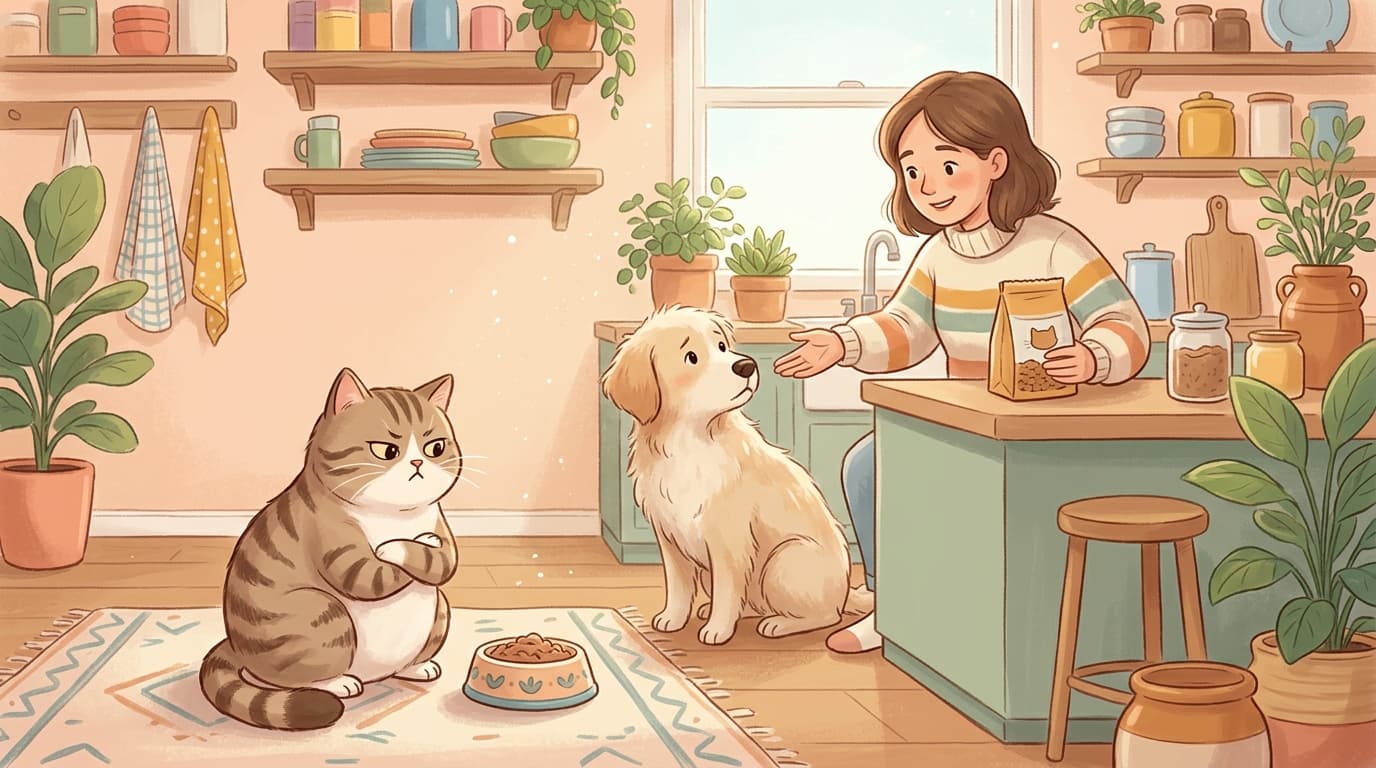
You buy a nice can of wet food, pop it open, and set it down like you’re about to win “Best Cat Parent of the Year.” Your cat sniffs once, looks personally offended, and walks away like you just served betrayal in a bowl.
If your cat refuses wet food, it usually isn’t stubbornness. It’s your cat’s instincts doing their job a little too well.
Your cat refuses wet food because “new” can feel unsafe
Most pet owners don’t realize cats don’t evaluate food the way we do. You’re thinking, “This is healthier and more hydrating.” Your cat is thinking, “Is this safe… or is this how I die?”
In the wild, one bad meal can be a serious problem. So cats evolved to be cautious with unfamiliar foods—especially if the smell, texture, or temperature is different from what they consider “normal.”
If your cat has eaten dry kibble for months (or years), that crunchy smell-and-texture combo becomes their safety baseline. Wet food can look like a completely different substance.
Food neophobia: the hidden reason your cat won’t try wet food
There’s a real behavior behind this: food neophobia (fear of new foods). And cats can be intense about it.
Your cat might happily investigate a new box, a new bag, even a new person. But eating is different. Food goes inside their body, and their instincts treat that as high-stakes.
So when you offer wet food and your cat just stares, sniffs, or backs away, you’re watching a built-in survival system—not a dramatic personality flaw.
The smell of wet food can be overwhelming (yes, even if it’s “tasty”)
Cats rely heavily on scent to decide whether something counts as food. If it doesn’t smell right to them, they often won’t even take a bite.
Wet food typically smells much stronger than dry food because it has more moisture and more exposed fats and proteins releasing aroma. To you, it smells meaty. To some cats, it smells loud.
If you’ve ever noticed your cat sniffing repeatedly, hesitating, or even doing that “scratch around the bowl” move like they’re trying to bury it, that can be a reaction to an odor that feels too intense or unfamiliar.
Temperature matters more than you think
This one surprises a lot of people: cats can be extremely sensitive to the temperature of their food.
In nature, prey is warm. So a cat’s brain often associates “warm-ish” with “fresh and safe.” Cold wet food straight from the fridge can seem wrong—dense, chilly, and not very food-like to your cat.
This is also why a cat might eat wet food one day and refuse it the next, even if it’s the same brand. The biggest change may have been temperature, not flavor.
Texture can be a deal-breaker (even if the flavor is fine)
Cats are texture critics. Some love smooth pâté. Others want shreds they can pull apart. Some enjoy food with gravy or broth. Others hate anything slippery.
Dry kibble is predictable: crunch, crunch, crunch. Wet food can feel uneven, sticky, or too soft. And if your cat doesn’t like how it feels in their mouth, they may reject it instantly—regardless of how “good” it is nutritionally.
The biggest mistake: switching too fast
The fastest way to make a cat refuse wet food is to go from 100% dry to 100% wet overnight.
From your cat’s perspective, that’s not an upgrade. That’s a sudden replacement of the one food they trust.
And here’s the part that accidentally trains them to keep refusing: if your cat ignores the wet food, then you give the old kibble back, your cat learns that waiting you out works. Next time, they’ll resist even harder.
How to fix wet food refusal (fast, but gently)
You don’t need to “win” against your cat. You need to make wet food feel familiar and safe.
1) Transition with a mix, not a hard switch
Start small and make it boringly gradual:
- Day 1–2: 90% dry food + 10% wet food
- Then slowly move to 80/20, 70/30, 60/40
- Work toward 50/50 and beyond at your cat’s pace
Mix it thoroughly so your cat encounters the new smell and texture without feeling like their entire meal has been replaced.
2) Warm the wet food slightly
A quick fix that works for many cats: make wet food mildly warm (not hot).
Try one of these:
- Stir in a little warm water
- Microwave for a few seconds, then mix well and test the temperature
Warming boosts aroma in a way that can make the food more appealing and “fresh” to your cat.
3) Test textures on purpose
If pâté gets the offended look, stop buying pâté for a while.
Experiment with:
- Shreds
- Chunks
- Minced styles
- Foods with gravy or broth
Once you find a texture your cat accepts, stick with it long enough for it to become part of their “safe foods” list.
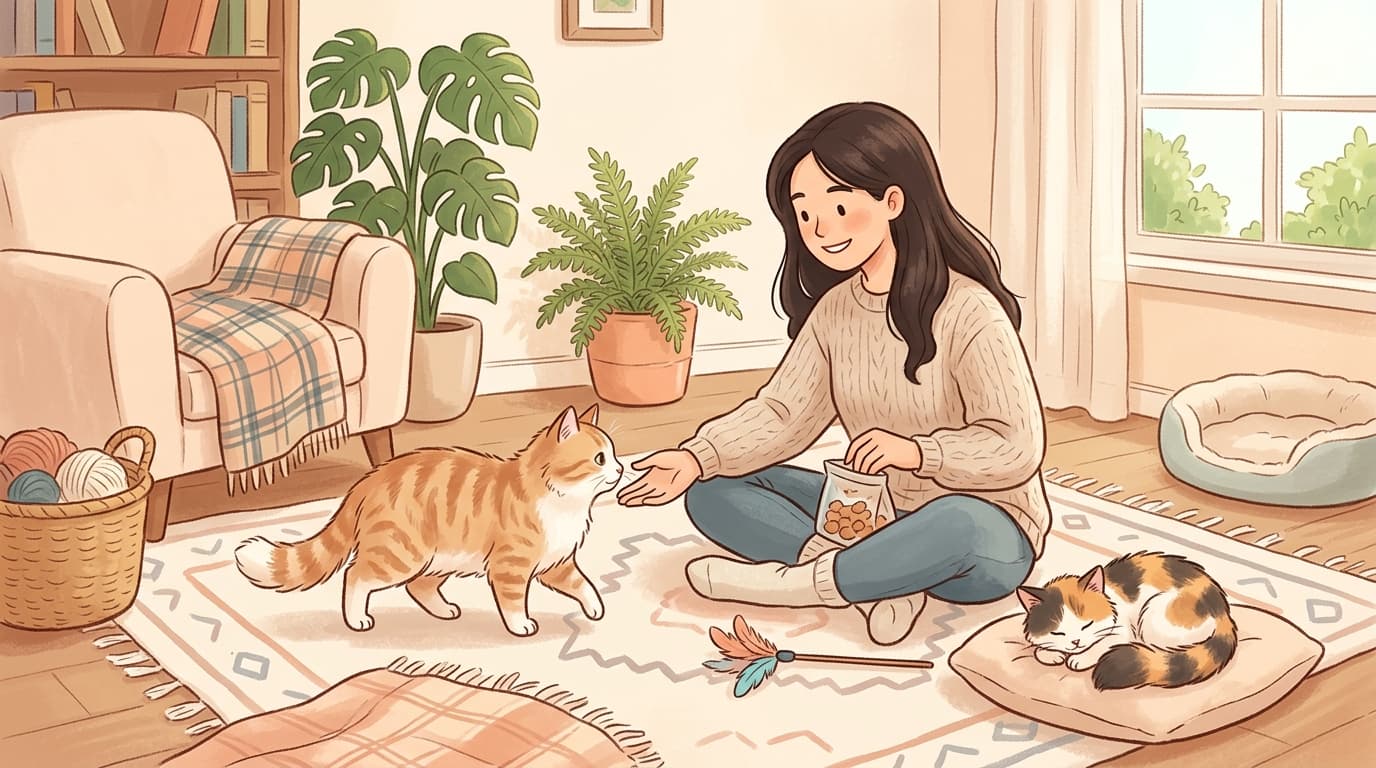
4) Use a familiar topper as a bridge
Sometimes you just need a friendly introduction.
Sprinkle something your cat already loves on top, like:
- Crushed bits of their usual kibble
- A small amount of tuna water (plain, no oil, no salt added)
- Crumbs from a favorite treat
The goal is simple: your cat goes for the familiar taste and “accidentally” tries the wet food underneath. After a few successful tries, the fear response tends to soften.
5) Create meal times instead of all-day grazing
If food is always available, your cat has no reason to engage with something new.
Offer meals at set times (morning, afternoon, evening works for many homes) and remove the bowl after a reasonable window. This adds gentle structure without turning feeding into a power struggle.
What not to do: forcing breaks trust
Never push your cat’s face toward the bowl or try to “make them” eat. And don’t turn it into a hunger standoff.
Cats remember scary food experiences. If mealtime starts feeling unsafe, everything gets harder—feeding, bonding, and future changes.
The real win: calmer meals and a more confident cat
When your cat refuses wet food, it’s not a personal rejection. It’s a cautious little brain trying to keep your cat alive.
Work with those instincts—slow transitions, better temperature, the right texture—and mealtime can stop being a daily showdown. It becomes what you wanted all along: a quiet, easy moment you both can feel good about.
Continue reading

Does Your Cat Really Love You? 8 Quiet Signs of Trust Most People Miss
From slow tail-tip curls to choosing your seat, these 8 subtle behaviors can reveal how deeply your cat trusts you.

Why Your Cat Climbs on You: It’s Not “Just Love” (And What They’re Really Saying)
From lap-sitting to cheek rubs, your cat’s “cute” habits are secret messages about safety, scent, and trust.

Pumpkin for Cats: The Simple Food Add-In That Supports Digestion and Helps Push Out Worms
Plain pumpkin puree can support your cat’s digestion and make the gut less welcoming for worms—plus most cats accept it well.