Why Your Dog Turns Their Head Away When You Pet Them (And How to Respond)
You go in for a sweet pet… and your dog suddenly turns their head away or shifts their body like they’ve changed their mind. It can feel confusing (and honestly, a little rude). Most of the time, though, it’s not rejection—your dog is communicating.
Your dog turning away when you pet them can be a “consent check”
A lot of dogs don’t just accept affection—they negotiate it.
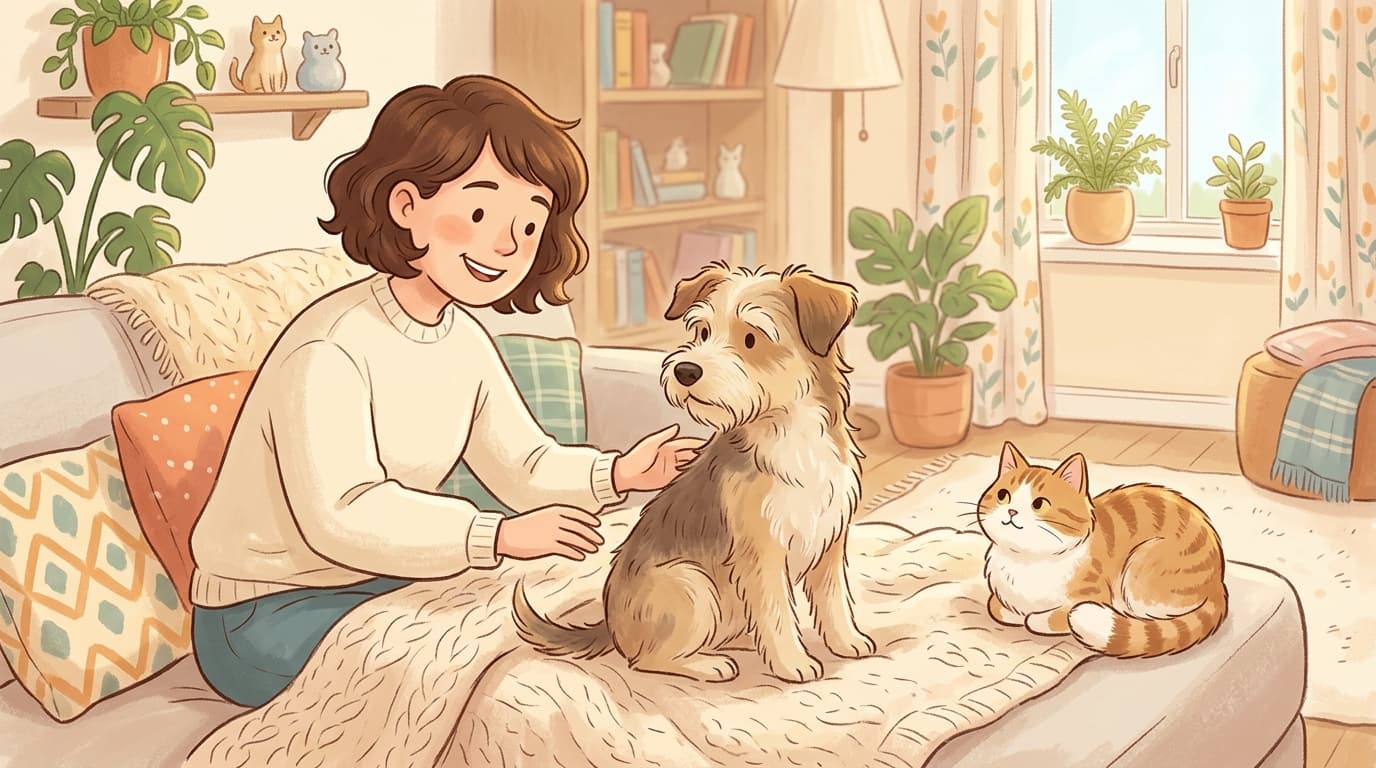
Here’s a pattern many pet owners don’t realize they’re seeing: your dog approaches you, leans in, nudges your hand, or otherwise “asks” for contact. You pet them. Then they briefly turn their head away or pull back.
That little pause can be your dog’s way of checking in: Are we still doing this together? If you soften your hand, gently resume petting, say their name, or lean in calmly, many dogs will move closer again or nudge you right back. That’s your clear “yes.”
If you’ve ever noticed your dog step away for a second and then return like nothing happened, you’ve seen this back-and-forth in action.
Sometimes they’re enjoying it… but keeping one eye on the room
Even during a cuddle, part of your dog’s brain stays on duty—especially in busy homes or multi-pet households.
When a dog angles their body or turns their head while you pet them, they may simply be positioning themselves to monitor what’s happening around them: the hallway, the door, the kitchen, the other dog. It’s basically “split attention mode.”
The good news: this often means your dog trusts you enough to accept affection while still staying tuned in to their environment.
They may just need to adjust—petting can get physically uncomfortable
Think about a long hug. Even if you love it, eventually your shoulders tighten and you need to shift.
Dogs can feel the same way, especially around the neck and shoulders when they’re leaning into petting. Turning away, repositioning, or stepping slightly aside can be a simple “reset” to release tension.
Some dogs will even guide you: they’ll turn their head, then press back into your hand to encourage a different spot or a different angle that feels better.
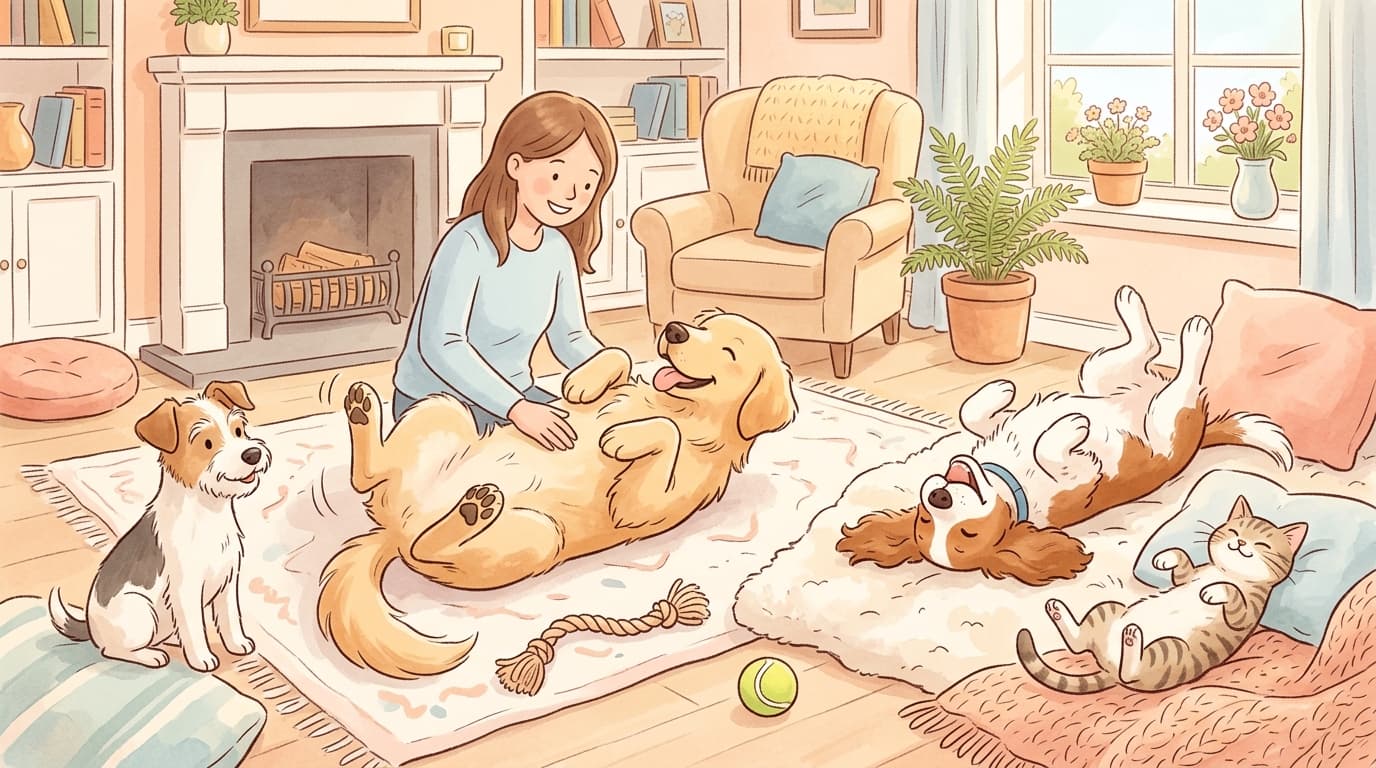
Head-shy dogs: the classic “please don’t pat my head” message
If you reach for a head pat and your dog twists away like you offered them paperwork, you’re not alone.
Many dogs don’t love being petted on top of the head. For some, it feels intrusive—especially if the hand comes from above. And for dogs, face-to-face or over-the-head contact can feel socially intense.
This doesn’t mean your dog doesn’t love you. It often means: I like affection, just not that kind.
Better petting spots than the top of the head
If your dog turns away when you pet them, try shifting to areas many dogs find more soothing:
- Under the chin: encourages gentle eye contact and gives your dog easy “choice” to lean in or move away.
- Chest and shoulders: closer to their center of gravity and often feels secure.
- Side of the neck: can feel more equal and friendly than a top-down pat.
A lot of dogs melt into a good chest rub—slow blinks, soft face, leaning in. That’s usually your green light.
Overexcited greetings can trigger “calming signals”
You come home, your dog is thrilled, and you respond with fast pats, ruffles, hugs, excited voices—the whole reunion.
Sometimes your dog turns their head away or looks off to the side right in the middle of it. That can be a calming signal: your dog trying to bring their own energy down because the moment is a lot.
It’s not “stop loving me.” It’s more like: I love you too… give me a second to settle.
Your dog may prefer affection in short “snack-sized” bursts
Most pet owners assume dogs want long, continuous petting sessions. Many dogs actually prefer shorter rounds with little breaks.
So that head turn or body shift can be your dog’s version of a happy pause—like they’re savoring the moment—before coming back for more. If your dog steps away briefly and then returns, that’s often a sign they’re enjoying the interaction, just in their preferred rhythm.
Turning away can be your dog “training” you where to pet
Dogs are excellent at shaping human behavior.
If your dog turns their head away and then subtly presents their chest, shoulder, side, or belly, they may be directing you to the spot they want most—often areas they can’t easily scratch themselves.
And yes, that hilarious “scratch reflex” leg kick (like they’re shadowboxing the air) is often your proof you found a favorite spot.
What it means when your dog puts a paw on you while you’re petting
A paw placed on your arm during petting is commonly misunderstood.
For many dogs, it’s not “dominance.” It’s participation. It can mean:
- More of that, please.
- Softer.
- Not there—here.
It’s another way your dog helps steer the interaction.
How to respond when your dog turns away mid-pet
Next time it happens, try this simple approach:
- Pause for a beat. Give your dog space to choose.
- Watch what they do next. If they lean back in, nudge you, or move closer, continue.
- Adjust location and pressure. Switch from head pats to chest/shoulders/under-chin, and go slower.
- Keep it in short bursts. A few seconds of petting, a quick pause, then continue if invited.
The takeaway
If your dog turns away when you pet them, they’re usually not snubbing you—they’re communicating preferences, comfort, and consent. Pay attention to the pause-and-return pattern, and you’ll get better at giving affection the way your dog actually enjoys it.
Continue reading

How to Leave Your Dog Home Alone Without Triggering Separation Anxiety
Use these 9 simple routines to keep your dog calm, busy, and secure when you leave the house.

Everyday Habits That Hurt Your Dog’s Feelings (and What to Do Instead)
Small daily habits can quietly stress your dog. Learn what hurts your dog’s feelings—and the simple swaps that rebuild trust.

Female Dogs Aren’t Just “Smaller Males”: 8 Key Differences Every Dog Owner Should Know
Female dogs often learn faster, bond differently, and hide pain better. Here are 8 real-life differences to understand your girl.