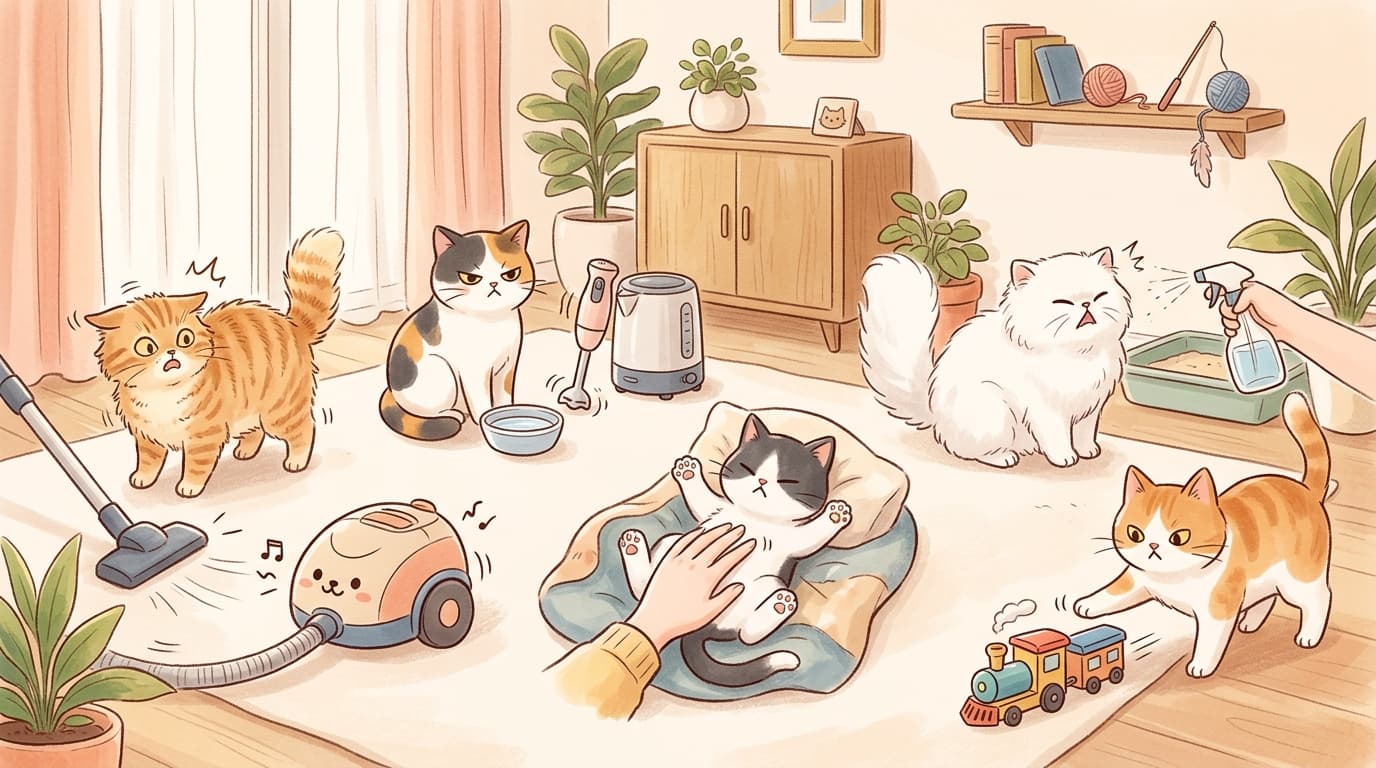
Why Female Cats Are the Real Powerhouses: The Quiet Science Behind Your Home’s Boss
Female cats often run the social world, hunt smarter, and bond deeper. Here’s why your girl cat may be the true boss of the house.
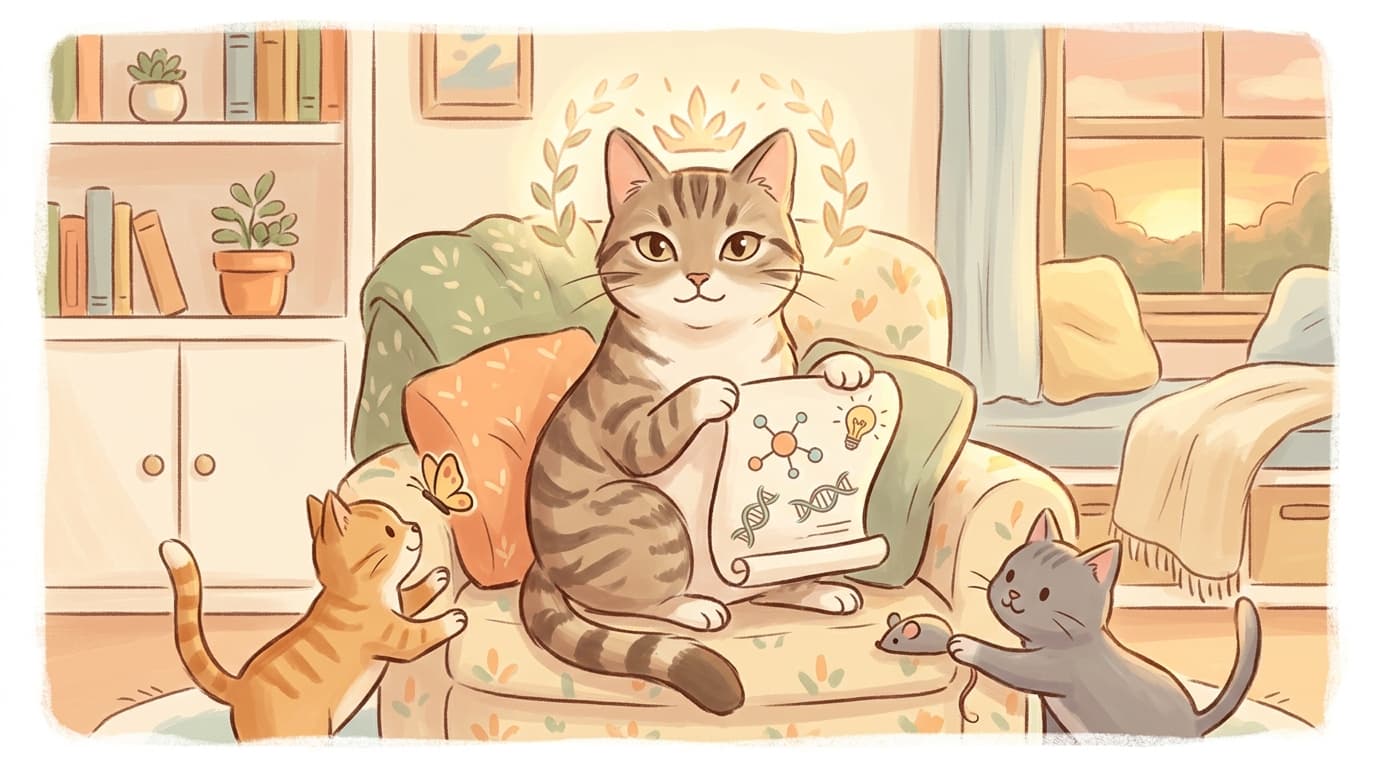
Living with a female cat can feel less like having a pet and more like sharing your home with a sharp-eyed manager who already knows your schedule. She’s not being “bossy” for fun—many of her habits are rooted in how cats evolved to survive and organize their world.
Female cats and the matriarchal side of cat society
A lot of people assume cats are loners with no real social structure. But in free-living colonies, female cats often form the core social group—especially related females—while males tend to drift around the edges.
That pattern explains a lot of what you see at home. Your girl cat is often the one who “runs the building”: monitoring who belongs where, what’s normal, and what’s changed. If you’ve ever felt like she’s silently supervising every room you enter, you’re not imagining it.
The “right paw” detail that hints at strategy
Watch your cat reach into a narrow container for a treat or hook a toy out from under the couch. Many female cats show a preference for using their right paw, while males more often lean left.
Why does that matter to you? Paw preference is linked to how the brain organizes movement and attention. In everyday life, it can look like this: instead of charging in and hoping for the best, your female cat may pause, line up the angle, and then make a precise, controlled move.
Want to try it? Put a treat in a slim jar or a tight box opening and see which paw she uses first—and which one she keeps using.
Female cat biology: the exhausting reality of heat cycles
Female cats carry a biological workload male cats simply don’t. Unspayed females can go through repeated heat cycles, and in cats, ovulation is typically triggered by mating. That means the cycle can keep restarting, which can be physically and behaviorally draining.
Those loud vocalizations and restless pacing aren’t “drama.” They’re the outward signs of a powerful hormonal loop that can leave a cat stressed and frustrated.
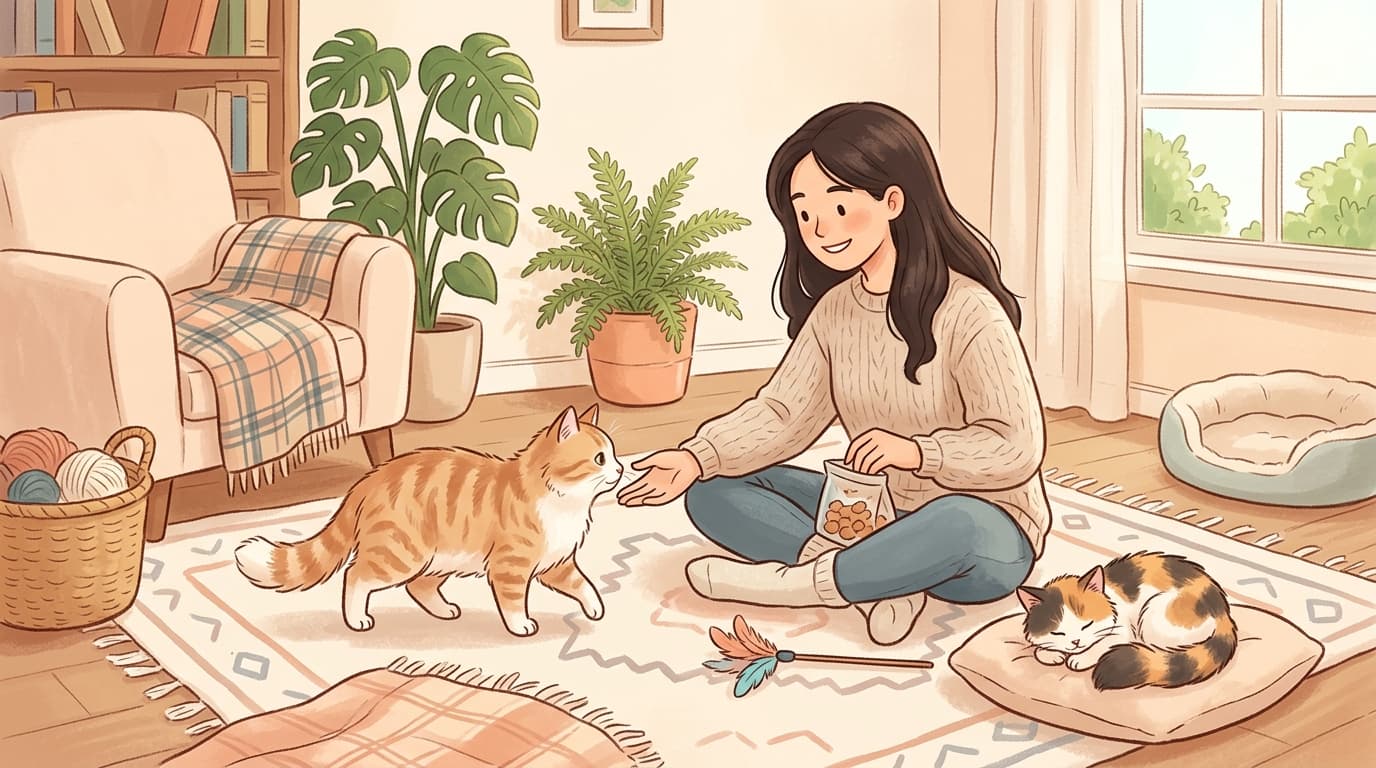
Why female cats often seem more alert (and more aware of you)
Many pet owners don’t realize how much their cat is tracking the environment every minute. Female cats often come across as especially watchful—the kind of cat who hears the hallway noise before you do, notices the new object on the counter instantly, and seems to predict your next move.
While some cats react first and think later, a lot of female cats look like they’re running a quick internal checklist: What changed? Is it safe? Does it affect my territory? Then they act.
The caretaking instinct: when your cat becomes your quiet nurse
There’s a reason some female cats suddenly become extra glued to you when you’re sick, sad, or having a rough week. Female brains tend to be wired strongly for monitoring and protection behaviors.
Even if she’s never had kittens, she may have an unusually sensitive “vulnerability radar.” To her, you’re part of her group—and if a key member seems off, she may park herself nearby, watch you closely, and keep tabs until you’re back to normal.
Scent architecture: how your female cat organizes the home
When your cat rubs her cheeks on furniture, doorways, or even your legs, she’s not just being affectionate. She’s placing facial pheromones—chemical messages that help create a familiar, secure map of “safe territory.”
Female cats often rely heavily on this kind of precise, low-conflict scent communication. It’s subtle and sophisticated compared to the more aggressive territorial marking people usually associate with males.
One small tip that can make a big difference: if you use strong cleaners everywhere, you may be wiping out the scent “signposts” that help your cat feel grounded. That can leave some cats unsettled, like their home suddenly stopped making sense.
Elite hunters at heart (even in a living room)
In many cat groups, females do a large share of successful hunting. They’re often patient, quiet, and tactical—built for waiting out the perfect moment rather than rushing.
This is why playtime with a female cat can feel so intense. She’s not only batting a toy around. She’s rehearsing the same skills that make cats incredibly effective at catching small, fast prey.
The resilience problem: female cats can hide pain too well
All cats tend to mask discomfort, but many female cats are especially good at staying composed. That toughness can be impressive—and risky.
If she changes something tiny (how she jumps, how she grooms, how she lands, how long she sleeps), treat it like a real clue. A female cat may not “complain” until she’s pushed past her limit.
Selective loyalty: being chosen is a big deal
Male cats are often more socially flexible, warming up to new people faster. Female cats tend to be more selective. Instead of spreading affection widely, they may form a deep preference for one specific person.
If your female cat has decided you’re her human, you didn’t win that role by accident. You passed a quiet test: consistency, respect, predictability, and trust.
A home with a female cat is a home with a leader
Living with a female cat teaches you that softness and strength can exist in the same body. Pay attention to her routines, respect her signals, and enjoy the bond—because if she’s chosen you, you’re not just loved. You’re trusted.
Continue reading

Does Your Cat Really Love You? 8 Quiet Signs of Trust Most People Miss
From slow tail-tip curls to choosing your seat, these 8 subtle behaviors can reveal how deeply your cat trusts you.

Why Your Cat Climbs on You: It’s Not “Just Love” (And What They’re Really Saying)
From lap-sitting to cheek rubs, your cat’s “cute” habits are secret messages about safety, scent, and trust.

Why Your Cat Walks on You at Night (And What They’re Really Trying to Tell You)
If your cat steps on your chest at night, it’s not random. Here are the real reasons—and how to respond without encouraging 5 a.m. wakeups.