Why Your Cat Gets Angry: Everyday Habits That Stress Cats Out
A lot of “random” cat outbursts aren’t random at all. If your cat gets angry after asking for attention, there’s usually a specific trigger you didn’t realize you were sending.
Most cats aren’t trying to be moody or mean. They’re reacting to feeling overwhelmed, cornered, or like they’ve lost control of their space.
The petting mistake that makes your cat get angry
One of the biggest misunderstandings is assuming cats enjoy being petted anywhere, anytime, for as long as you feel like doing it. Many cats actually tolerate touch in short bursts.
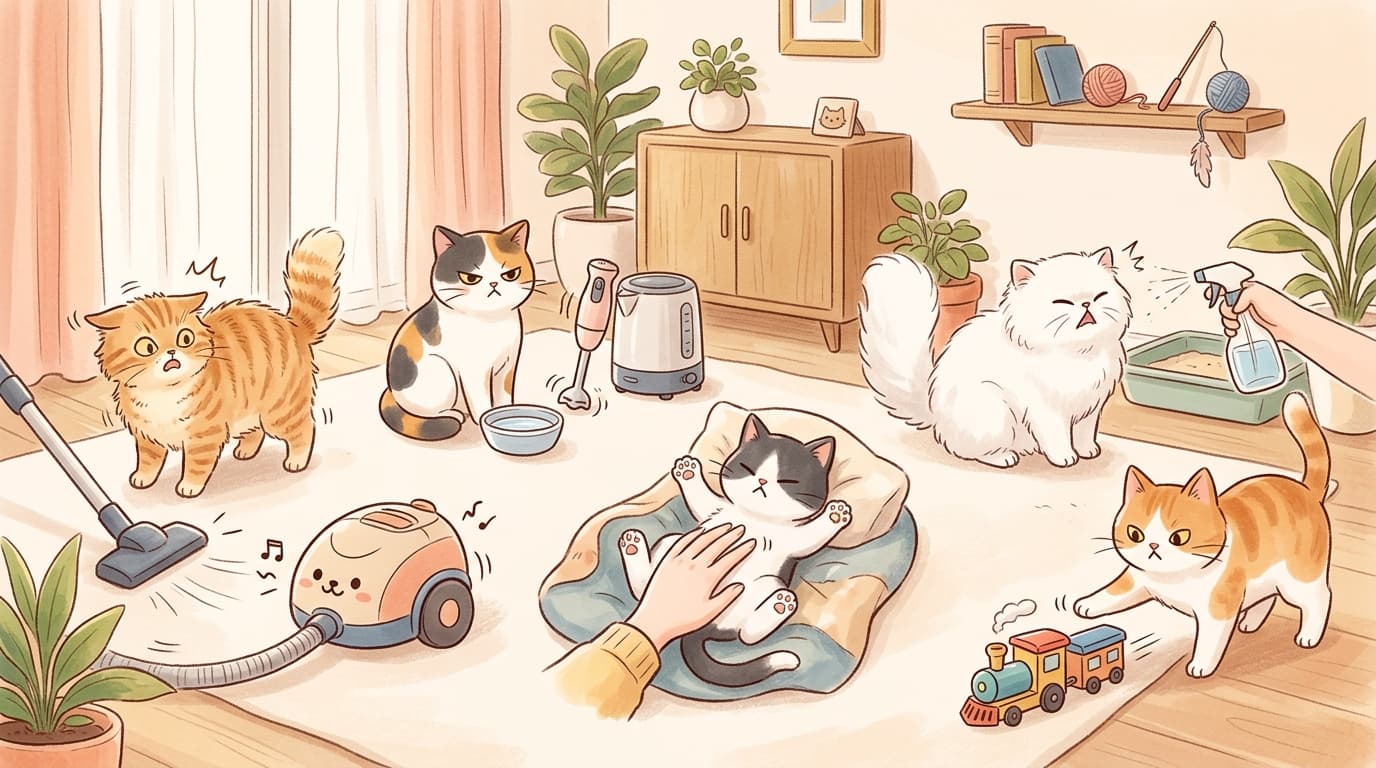
If you’ve ever noticed your cat leaning in for a few strokes and then suddenly swatting, that can be “I’m done now” rather than “I hate you.” The tricky part is that cats often ask for contact, then get overstimulated quickly.
What helps:
- Keep petting sessions short and pause often.
- Stick to the areas your cat clearly enjoys (many prefer cheeks, chin, and head).
- Let your cat choose when the interaction starts and ends.
Forcing interaction: picked up, passed around, or pushed to play
Another daily habit that can make your cat get angry is well-meaning pressure. Things like:
- Picking them up when they’re trying to walk away
- Holding them in your arms “just for a second”
- Bringing them close to visitors they don’t know
- Trying to play when they’re clearly resting or hiding
Cats do best when they feel they have options. When you remove the option to leave, their next step might be a scratch or bite—not out of spite, but because they feel trapped.
What helps:
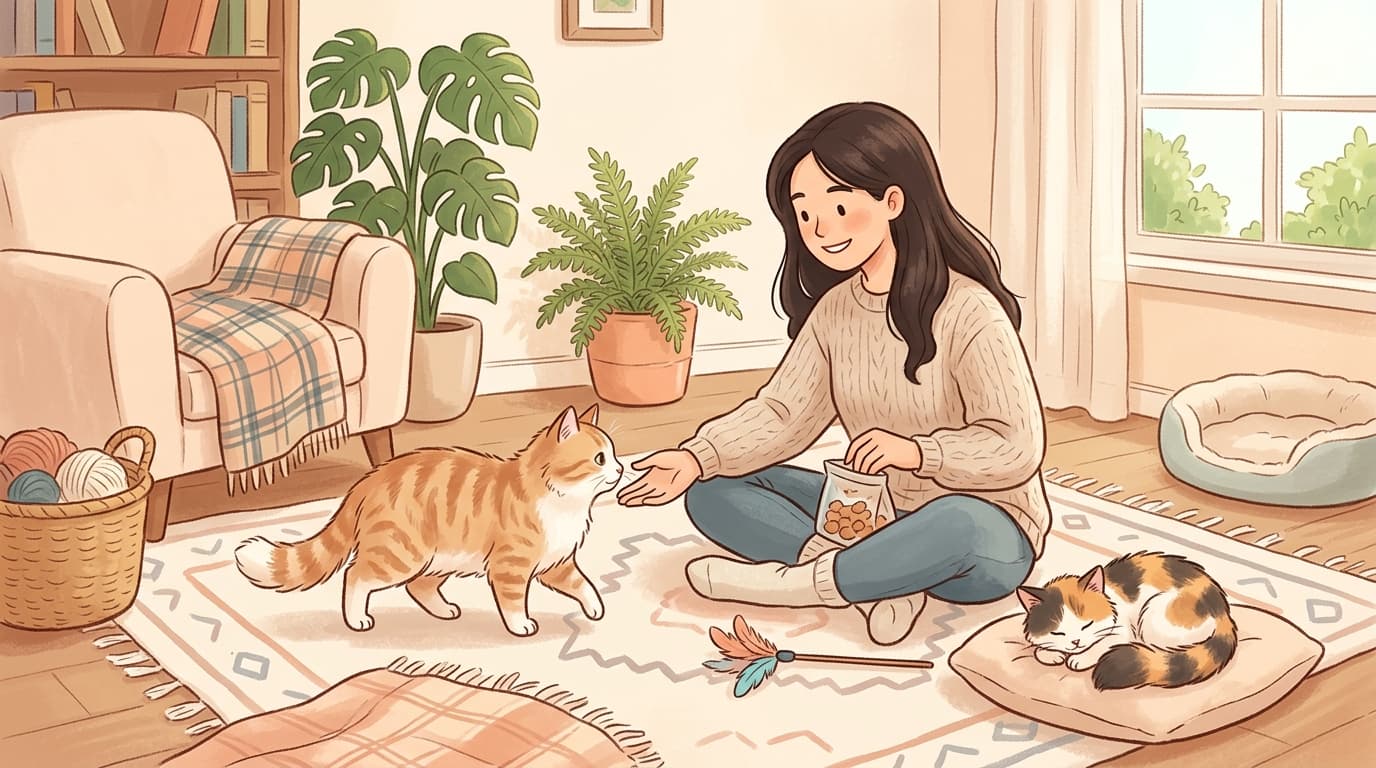
- Invite, don’t insist. Offer your hand, a toy, or a gentle scratch and see if they accept.
- Let your cat approach new people on their own schedule.
- If your cat walks away, treat that like a clear answer.
The “safe high place” your cat secretly needs
A lot of cats calm down faster when they can retreat somewhere elevated and secure. Being up high gives them distance, a better view of what’s happening, and a sense of control.
This matters more than most pet owners realize. A cat who has no good escape route may choose to defend their space instead.
Easy upgrades:
- A cat tree near a quiet corner
- A shelf or sturdy piece of furniture they’re allowed to use
- A cozy hideaway bed in a low-traffic room
Loud noises and sudden sounds can be a daily stress trigger
Some common household sounds are simply unpleasant for cats. Think:
- Vacuum cleaners
- Loud music
- Shouting
- A sudden doorbell
To you, it’s background noise. To your cat, it can feel like their environment has turned unpredictable.
What helps:
- Give your cat a quiet room to retreat to during noisy moments.
- If you know a loud event is coming (vacuuming, guests), set up their “safe zone” first.
Small changes can feel like a big deal to your cat
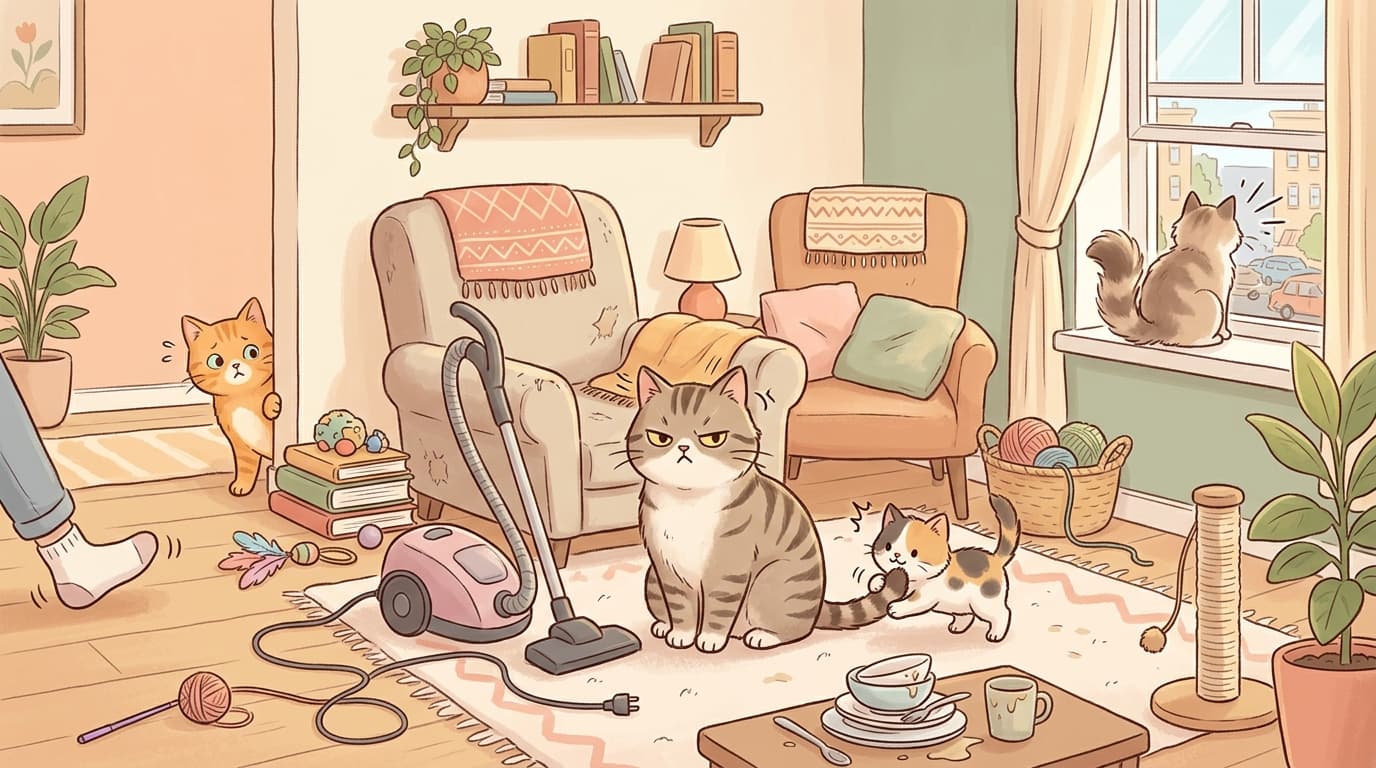
Cats are strongly attached to familiar routines and spaces. Even small changes can feel like their territory is being rearranged, such as:
- Moving furniture
- Introducing new objects or smells
- Switching rooms around
- Changes in daily schedule
Cats tend to do better when changes happen gradually, giving them time to investigate and adjust.
The warning signs you’re missing (right before the swat)
Cats usually show clear signals before they escalate. When those signals are ignored, the frustration builds and the message gets louder.
Watch for:
- Dilated pupils
- Ears pinned back
- Tail thumping or whipping
- A suddenly stiff, tense body
If you spot these, the best move is to pause what you’re doing and give your cat space. It’s one of the fastest ways to prevent scratches and rebuild trust.
Your cat isn’t “angry for no reason”
In most cases, a cat gets angry because something feels like a threat, an invasion, or a loss of control. The fix is often less about training your cat and more about adjusting your timing, touch, and respect for their boundaries.
Pay attention to the small signals, keep interactions on your cat’s terms, and you’ll usually see a calmer, more affectionate companion in return.
Meta description: Small daily habits can make your cat angry or stressed. Learn common triggers, warning signs, and how to handle them gently.
Continue reading

Where Your Cat Sleeps Says a Lot About Love (7 Favorite Spots Decoded)
From your feet to your pillow, your cat’s sleeping spot is a quiet love letter. Here’s what 7 common choices really mean.

Why Cats Knock Things Over: The Real Reasons Behind That Push-and-Scatter Habit
Cats knock things over due to hunting instincts, curiosity, and attention-seeking. Learn what it means and how to curb the habit.

Why Your Cat Follows You to the Bathroom (It’s Not Just Clinginess)
Your cat isn’t being nosy—bathroom follow-ups are driven by instinct, territory, curiosity, and a surprisingly sweet kind of loyalty.