Your Cat Doesn’t Experience Petting Like You Think (And How to Touch Them the Way They Actually Love)
For cats, “petting” feels like social grooming. Learn where to touch, what to avoid, and how to prevent overstimulation bites.
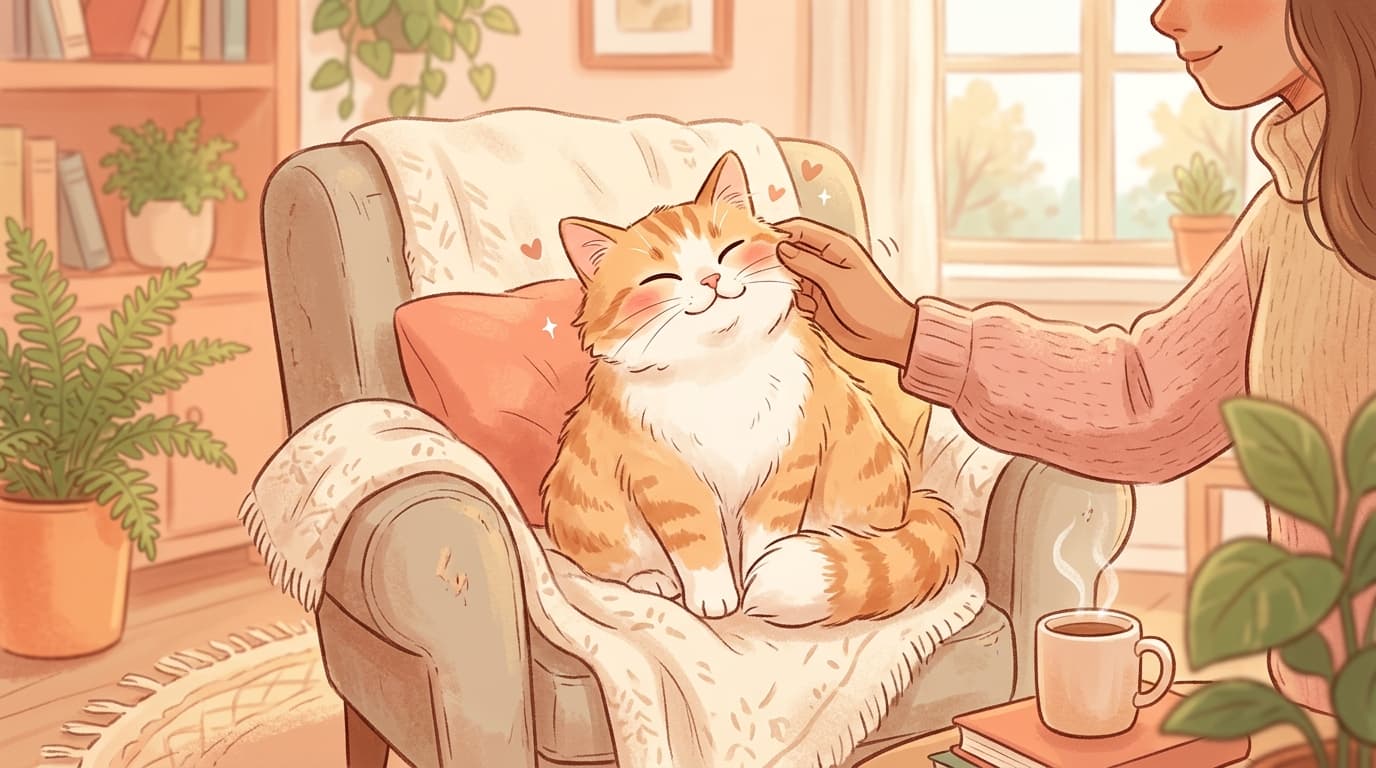
You run your hand over your cat’s head and it feels like pure affection on your side. Cozy, familiar, sweet. But in your cat’s brain, that touch lands in a totally different category—and once you understand it, the way you pet your cat will change for good.
Petting your cat is really “social grooming”
Cats don’t experience your hand the way humans experience a hug. For your cat, the closest emotional match to petting is something much older and more instinctive: grooming.
Think back to what a newborn kitten is like—tiny, fragile, and basically built to rely on mom. In those early weeks, touch isn’t just “nice.” It’s survival. A mother cat’s steady, rhythmic licking helps regulate her kitten’s body, supports basic functions, and sends the clearest message a baby animal can get: you’re safe, you belong.
That early wiring doesn’t disappear when cats grow up. Adult cats who trust each other often groom one another, especially in friendly groups. It’s one of their main ways of saying, “You’re part of my circle.”
So when your cat feels warmth, pressure, and repetition from your hand moving through their fur, their nervous system tends to file it under the same kind of experience: trusted social grooming from someone “safe.”
If you’ve ever noticed your cat melt and close their eyes under your hand, you’re not just petting—you’re speaking a language their body understands.
The best places to pet your cat (and why those spots work)
Not all touch feels the same to a cat. Where you pet your cat matters because different body areas carry different social meaning.
Many cats prefer:
- Cheeks
- Chin
- Top of the head
- Base of the ears
These are areas cats naturally focus on during friendly grooming. They’re also loaded with scent glands. When you rub or scratch these spots, you’re doing two things your cat tends to love: mimicking social grooming and helping spread familiar “safe” scent.
That’s why so many cats lean into chin scratches, push their face into your fingers, and look half-asleep with happiness. To your cat, those touches often read as comfort and trust.
The belly trap: trust doesn’t always mean “touch here”
A cat showing their belly can feel like an invitation. In cat language, it’s often more like, “I trust you enough to be vulnerable near you.” That’s a big deal—but it’s not automatically permission to reach in.
For many cats, belly touching flips a different switch: protection. The belly is a sensitive, exposed area, and a hand landing there can trigger defensive instincts even if your cat was purring a second ago.
So if your cat grabs your hand, bunny-kicks, or gives a quick warning bite, it doesn’t necessarily mean they’re being mean. It can simply mean your cat’s nervous system went from “safe grooming” to “uh-oh, vulnerable zone.”
Why your cat suddenly bites during petting (overstimulation)
Most pet owners have lived this scene: your cat is relaxed on your lap, purring… and then you get a surprise bite. Not a furious attack—more like a sharp “stop.”
Often, that’s overstimulation.
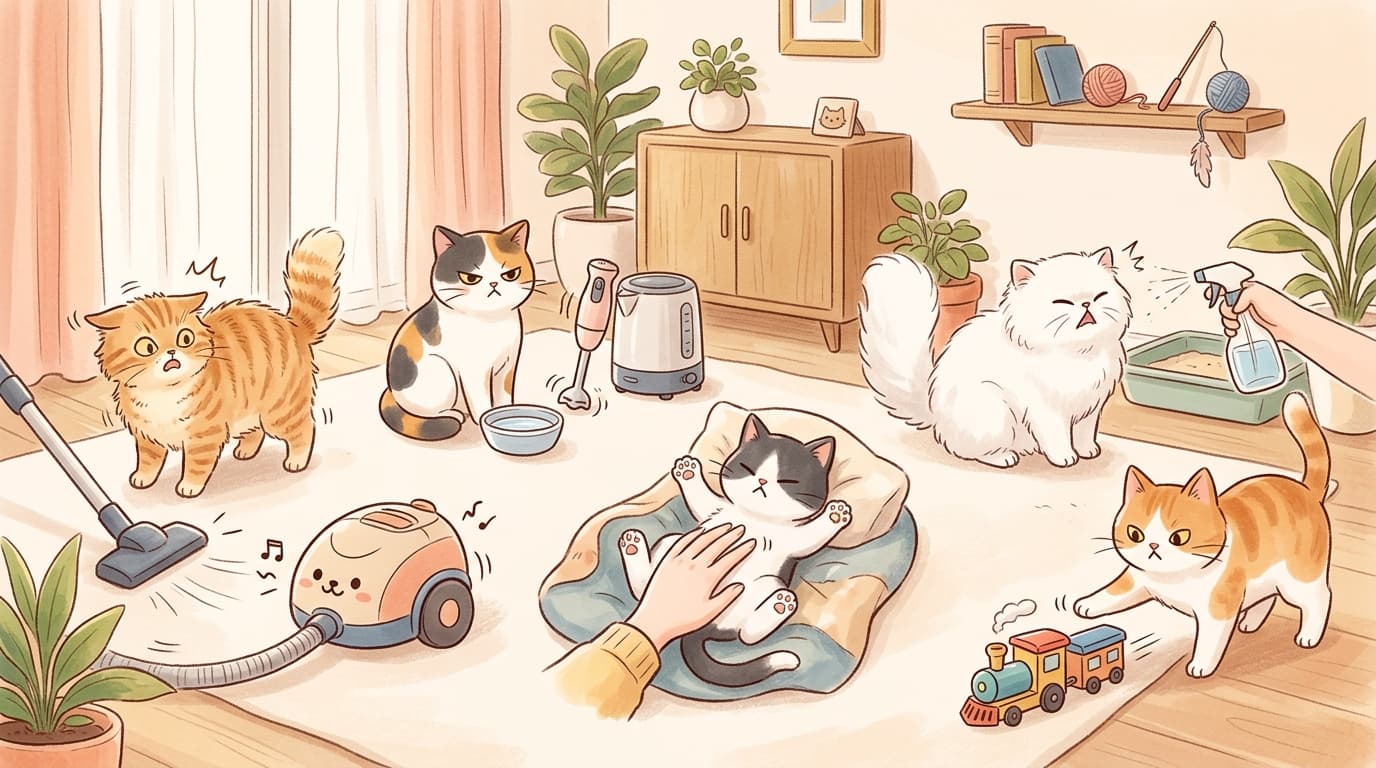
Even pleasant touch adds up in a cat’s nervous system. Compared with many dogs, cats tend to hit their “sensory limit” sooner. The same petting that felt amazing at minute one can start to feel irritating a few minutes later.
The bite is usually not the first signal. It’s the final punctuation after earlier warnings you might miss, like:
- Tail tip flicking in short, fast beats (more “metronome” than “lazy swish”)
- A ripple or twitch along the back skin
- Ears turning slightly back
- Subtle body tension under your hand
Once you start spotting those signs, you can stop before your cat feels they have to escalate.
What your cat is saying when they rub, head-butt, knead, and purr
Your cat also “pets” you back—just in cat ways.
Face rubbing
When your cat rubs their face on your hand or leg, it’s not just asking for attention. It’s also scent-marking: “You’re familiar. You’re mine. You belong with me.”
Head-butting (bunting)
That firm little forehead bump is one of the clearest friendly gestures cats have. It’s affectionate, social, and very much a “you’re part of my group” move.
Kneading
When your cat kneads your lap, they’re often tapping into a deep comfort memory from kittenhood. Most cat owners don’t realize how emotionally loaded this can be—it’s like your cat is time-traveling back to the safest feeling they’ve ever known.
Deep purring
Purring can mean contentment, but it can also be self-soothing. Those low vibrations are linked with physical regulation in cats, and they often purr hardest when they feel safe enough to fully relax.
How to pet your cat in a way that builds real trust
A few small changes can make petting feel better for your cat (and reduce those “out of nowhere” bites).
Let your cat start the conversation
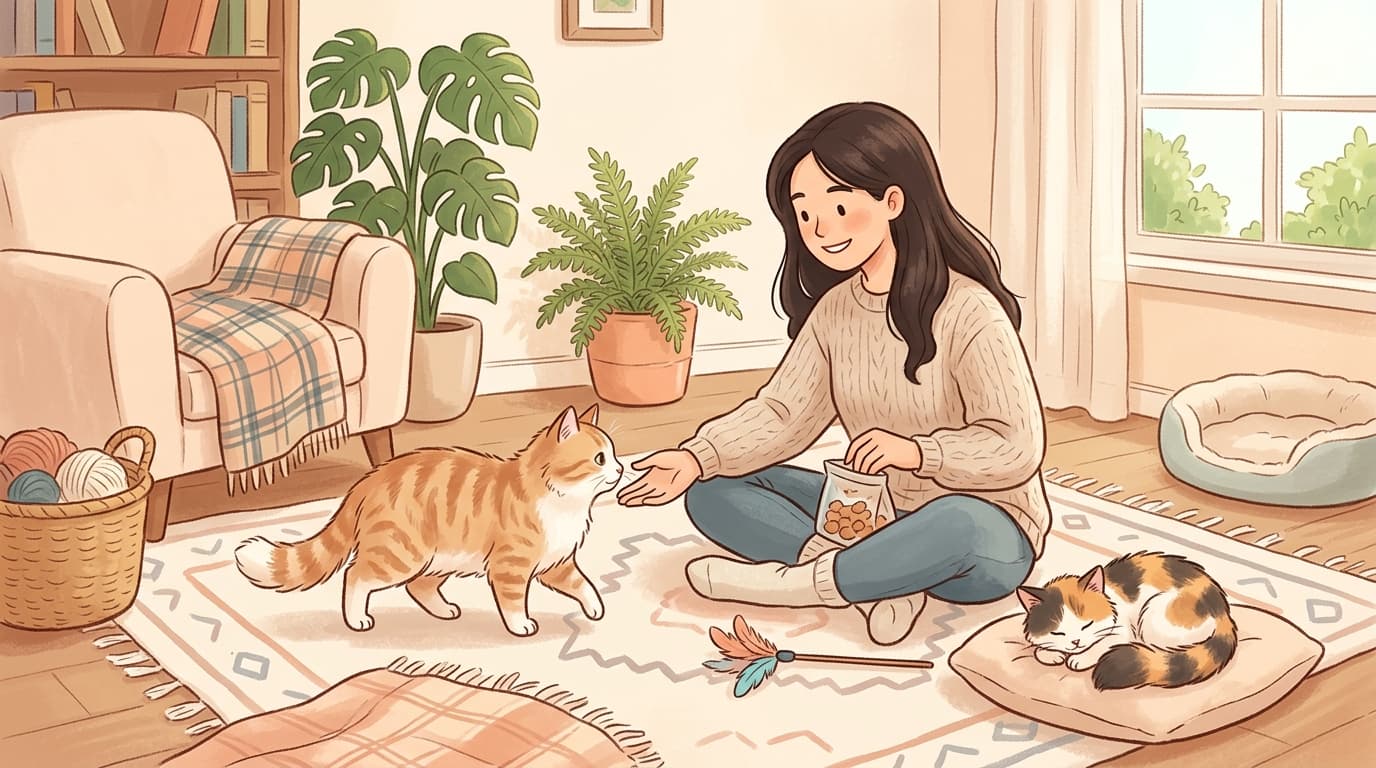
Whenever possible, wait for your cat to initiate: rubbing, head-butting, leaning in, or approaching calmly. That’s your clearest “yes.”
Stick to the social-grooming zones
Focus on head, cheeks, chin, and the base of the ears—especially if your cat is sensitive elsewhere.
Keep sessions short and end on a good note
Aim for brief, high-quality petting rather than long sessions your cat merely tolerates. A couple of minutes of “this is perfect” beats twenty minutes of “fine, I guess.”
Watch the tail for the earliest warning
If the tail starts quick, tight flicking, pause immediately. Stopping right then doesn’t ruin the moment—it protects it.
The takeaway
Petting your cat isn’t just a cute habit. To your cat, it can be a form of social grooming—an ancient, emotional signal that you’re safe and familiar.
The more you let your cat lead and the more you respect their sensory limits, the more your touch becomes something they seek out, not something they endure.
Continue reading

Does Your Cat Really Love You? 8 Quiet Signs of Trust Most People Miss
From slow tail-tip curls to choosing your seat, these 8 subtle behaviors can reveal how deeply your cat trusts you.

Why Your Cat Climbs on You: It’s Not “Just Love” (And What They’re Really Saying)
From lap-sitting to cheek rubs, your cat’s “cute” habits are secret messages about safety, scent, and trust.

Why Your Cat Walks on You at Night (And What They’re Really Trying to Tell You)
If your cat steps on your chest at night, it’s not random. Here are the real reasons—and how to respond without encouraging 5 a.m. wakeups.