10 Common Cat Owner Habits to Stop (Your Cat Will Feel the Difference Fast)
From forced cuddles to essential oils, these everyday habits can stress your cat. Here are 10 things to stop doing starting today.
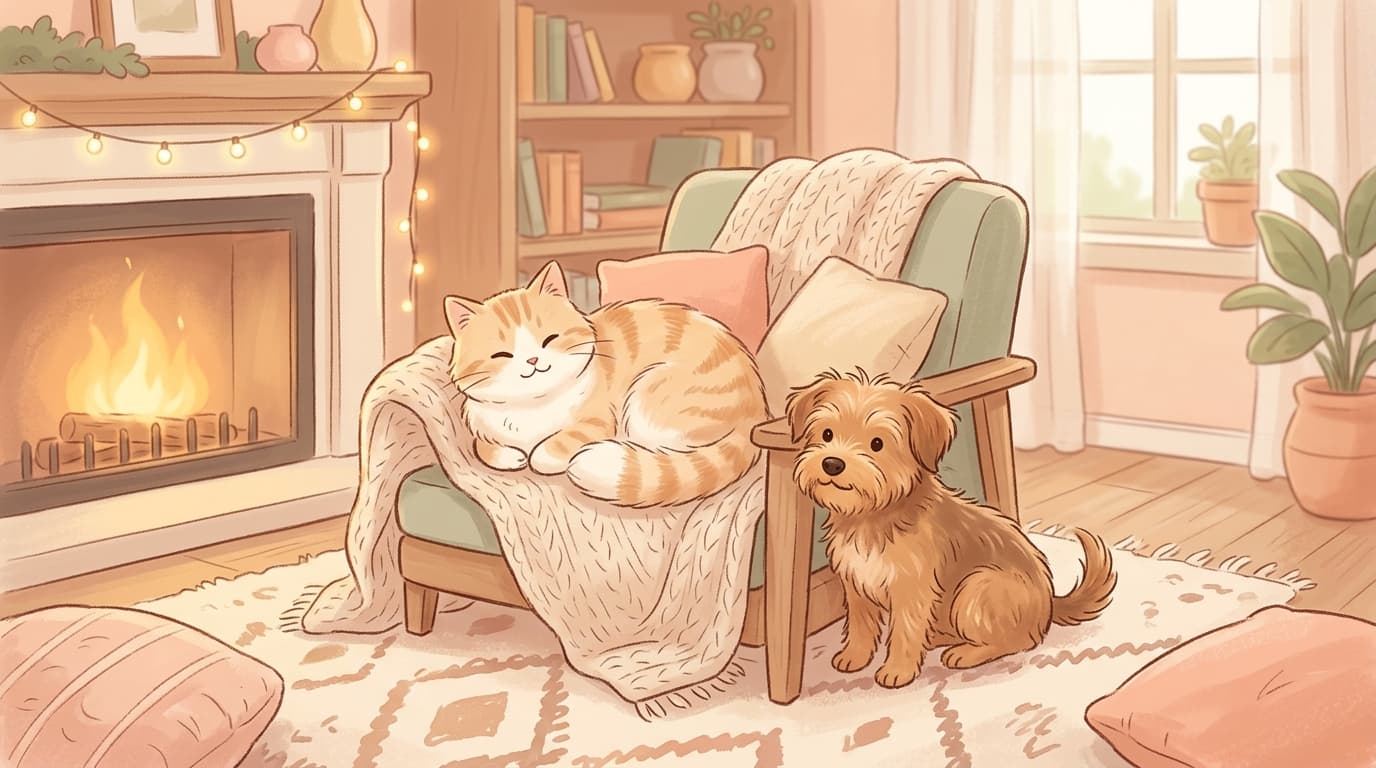
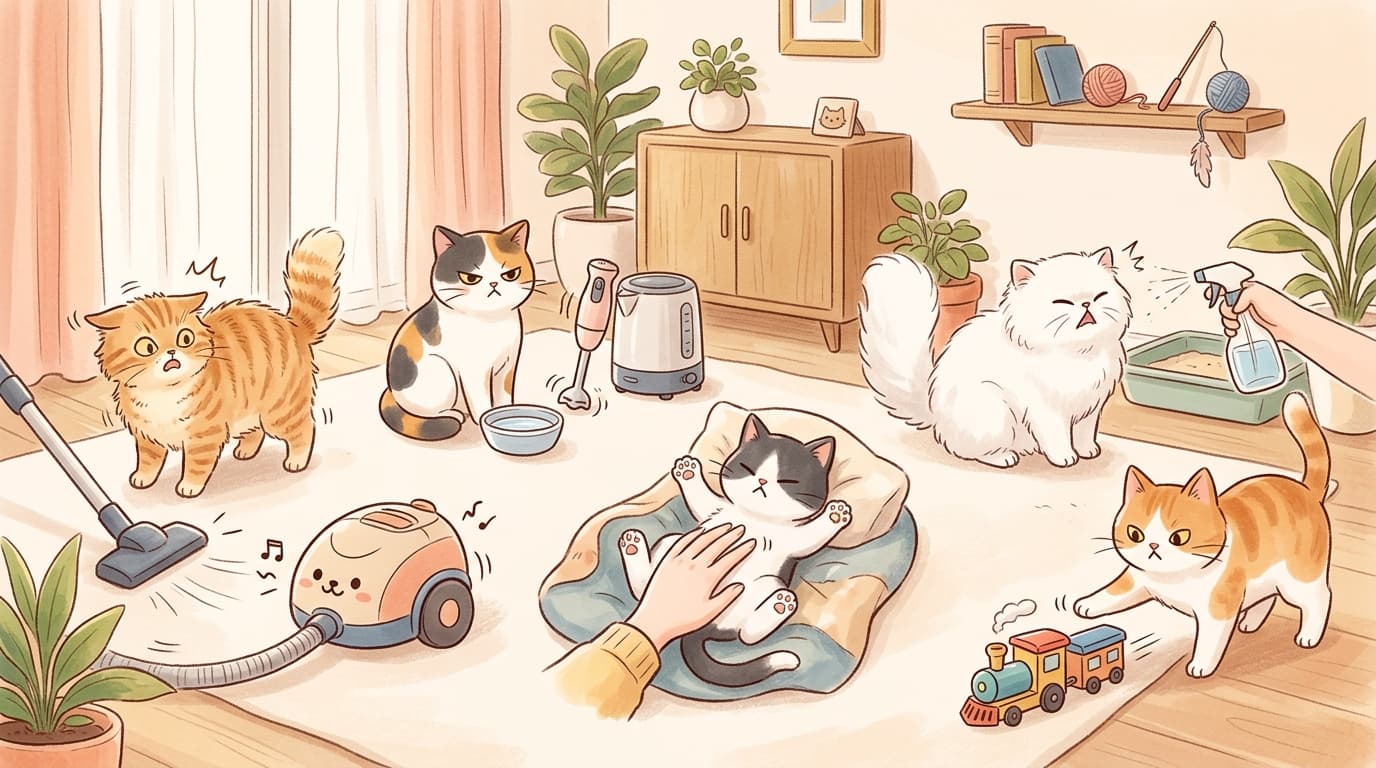
You can adore your cat and still accidentally stress them out. Some of the most “normal” human habits—affection, convenience, even home fragrance—can quietly chip away at your cat’s comfort and trust.
Below are 10 common things to stop doing with your cat, plus what to do instead so your home feels calmer for both of you.
1) Stop kissing your cat on the nose all the time
A nose kiss feels sweet to you, but your cat’s nose is basically a super-powered sensor. When your face gets close, strong human smells (coffee, toothpaste, perfume) can overwhelm them in a second.
Face-to-face contact can also read as intense or threatening in “cat language.” If your cat leans away, it’s often discomfort—not rejection.
Try instead: slow blinks, quiet companionship, and gentle chin or cheek rubs. If you’ve ever noticed your cat relax when you simply sit nearby, that’s not a coincidence.
2) Stop waking your cat up just to interact
Cats sleep a lot for a reason: it helps their bodies recover and keeps their systems running well. Repeatedly interrupting naps can build irritation and stress over time.
A tired, overstimulated cat may become more reactive, withdrawn, or grumpy—sometimes even aggressive.
Try instead: let your cat wake up naturally and choose the moment for affection or play. Attention on your cat’s terms builds trust faster.
3) Stop yelling to “discipline” bad behavior
Cats don’t connect yelling with a lesson the way humans do. If you shout after something happened, your cat mostly learns that you can become scary and loud without warning.
Over time, that stress can show up as hiding, swatting, over-grooming, or even peeing outside the litter box.
Try instead: calm redirection and prevention. Move scratching to a scratching post, block access to problem spots, and reward the behaviors you want to see.
4) Stop picking your cat up when they don’t want it
Being held against their will can trigger a strong survival response. To a cat, “I can’t move” can instantly feel like danger.
If you repeatedly scoop them up without permission, they may start avoiding you—especially when you approach.
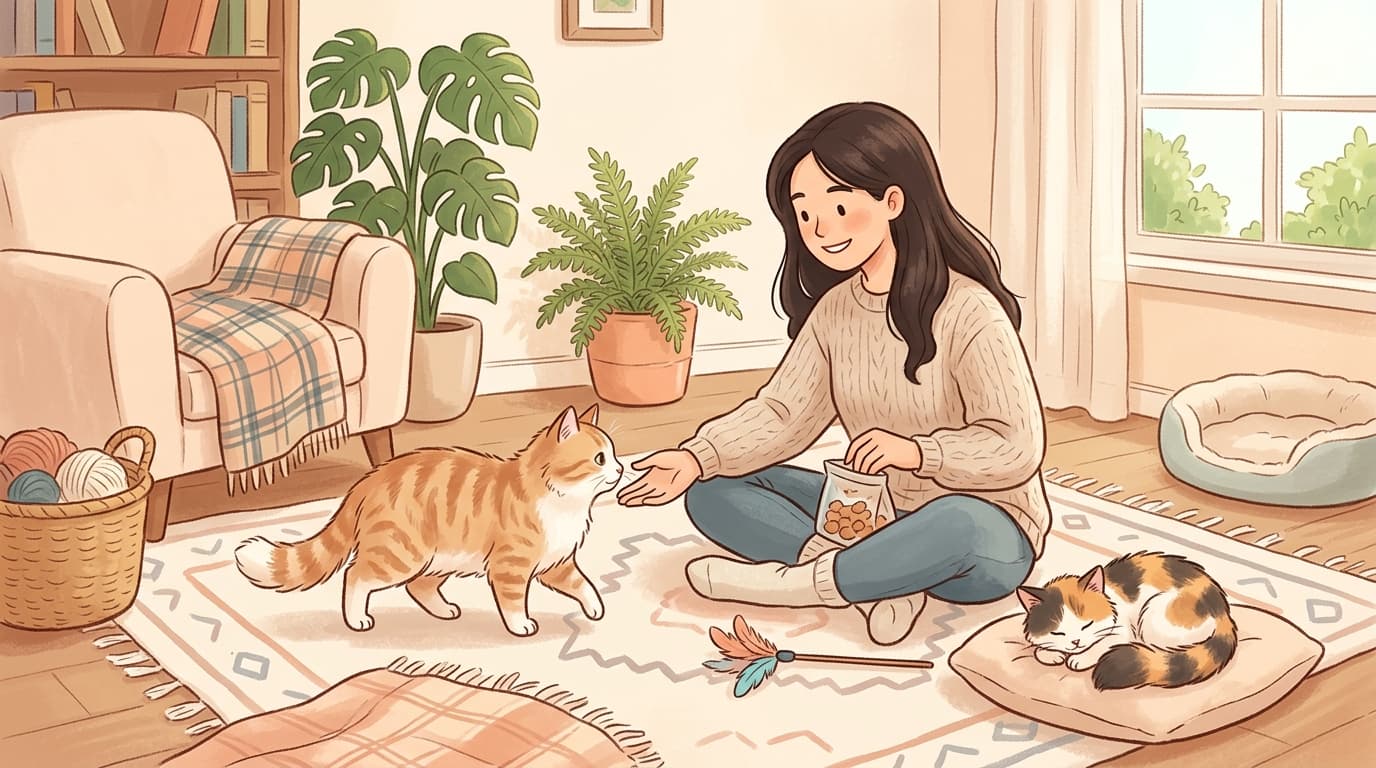
Try instead: invite, don’t grab. Offer a hand, let them come to you, and pay attention to body signals (stiffness, tail flicking, ears back). Some cats love laps—others prefer being close without being contained.
5) Stop using a spray bottle as punishment
A water spritz might stop a behavior in the moment, but it usually teaches fear, not understanding. Many cats simply learn to do the “forbidden” thing when you’re not around.
Worse, your cat can start associating your presence with unpredictability and stress.
Try instead: make the unwanted behavior difficult and the desired behavior easy. Provide climbing spots, scratching options, and consistent rewards for good choices.
6) Stop playing with your hands like they’re toys
It’s cute when a kitten pounces on fingers. It’s much less cute when an adult cat treats your hand like prey.
Hand-play teaches your cat that human skin is part of the hunting game. And cat bites can be serious—painful and prone to infection.
Try instead: use wand toys, balls, or plush “mice.” If teeth touch skin, end play immediately. Your cat learns fast that biting makes the fun stop.
7) Stop putting food and water right next to the litter box
It may feel practical in a small home, but cats are sensitive about eating near waste—even if the box is clean. Their sense of smell is intense, and that proximity can reduce how much they eat or drink.
And drinking too little is a big contributor to kidney and urinary issues in indoor cats.
Try instead: separate the litter box from food and water as much as you can. Even moving bowls a few meters can make a noticeable difference in your cat’s comfort.
8) Stop brushing off small behavior changes
Most pet owners don’t realize how hard cats work to hide discomfort. In the wild, looking weak is risky—so cats often mask pain until they can’t.
Subtle shifts can be early warning signs: sleeping more than usual, hiding, eating less, avoiding jumps they used to do easily, changing litter box habits, or acting “off” in ways you can’t quite name.
Try instead: treat patterns as information. Notice what’s different, when it started, and what else changed at home. Catching issues early can make a huge difference.
9) Stop using essential oils around your cat
Many essential oils that smell relaxing to humans can be toxic to cats—even in small amounts. Cats lack certain liver enzymes needed to process common compounds found in oils like tea tree, eucalyptus, peppermint, and citrus.
Diffusers can be especially risky because particles land on fur and paws, then get swallowed during grooming. Symptoms can build gradually: vomiting, breathing trouble, tremors, and potentially serious liver damage.
Try instead: fresh air and ventilation. If you love home fragrance, choose cat-safe alternatives and keep anything questionable completely out of your cat’s environment.
10) Stop leaving windows open without real cat-proof protection
It’s easy to think, “My cat has sat in that window for years.” Accidents still happen in an instant—one bird, one loud noise, one slip.
Falls from height are so common they have a nickname: “high-rise syndrome.” Regular insect screens aren’t designed to hold a cat’s weight and can pop out with a single push.
Try instead: install sturdy, cat-rated window screens or guards. Your cat can enjoy sun and fresh air without the risk.
A calmer cat starts with small changes
Most of these habits come from love or convenience, not bad intentions. The good news is that tiny adjustments—respecting boundaries, reducing stress, and making your home safer—often lead to a noticeably more relaxed, trusting cat.
Your cat may never say “thank you,” but you’ll see it in softer body language, steadier routines, and a home that feels more peaceful.
Continue reading

How Cats Decide Who to Trust (and How to Earn It Gently)
Cats don’t give trust by default. Learn the signals they watch—control, body language, routine, scent, and patience—to build a stronger bond.

5 Everyday Things Your Cat Hates (and How to Stop Accidental Tantrums)
From the “wrong” petting spots to noisy rooms and sudden changes, these everyday habits can stress your cat and trigger swats.

Do Cats See Ghosts? Why Your Cat Stares at “Nothing”
Cats may not see ghosts, but their night vision and super-hearing can make them react to things you can’t detect.