6 Simple Things Your Cat Secretly Wants You to Do (Most Owners Miss These)
From food “hunting” to vertical space, these 6 small changes can make your cat calmer, happier, and more at home.
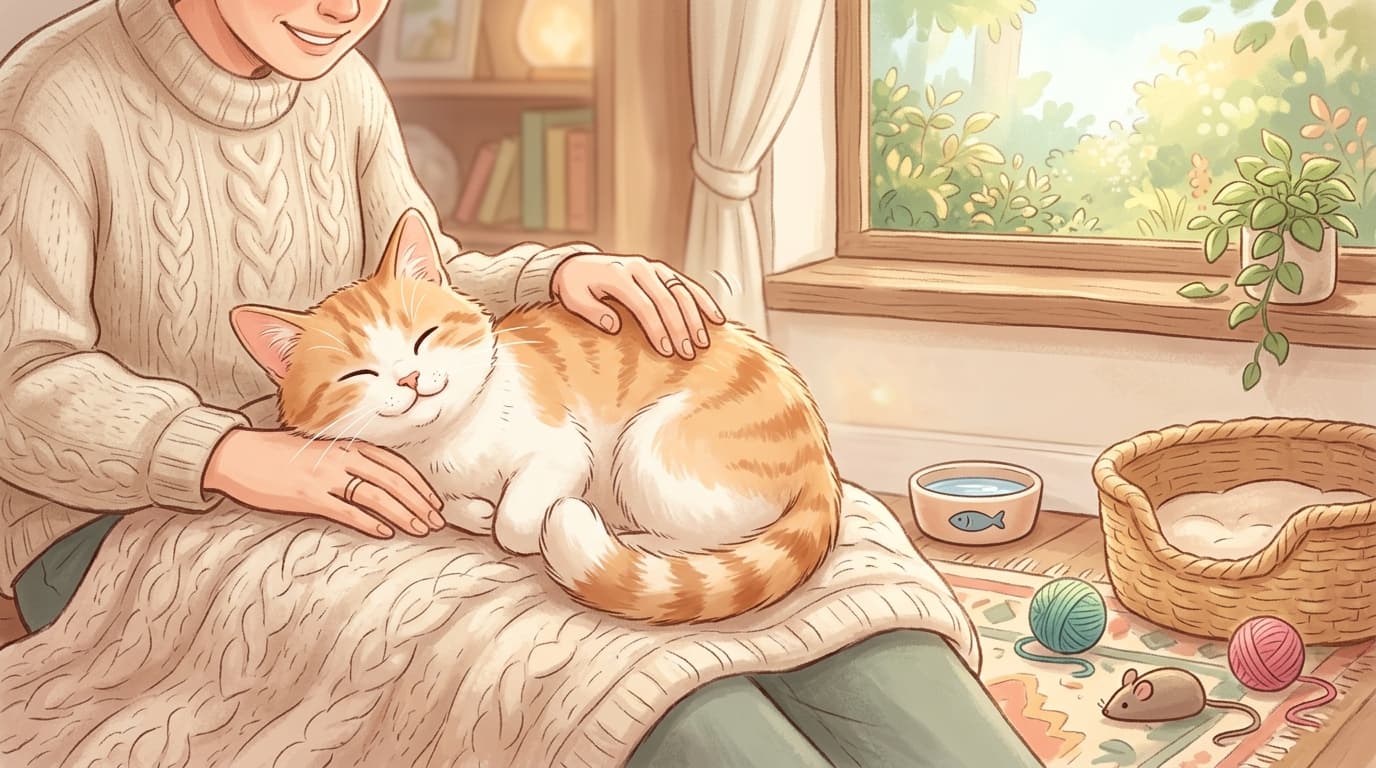
Your cat can have good food, a warm home, and plenty of cuddles—and still feel oddly restless or “off.” A lot of the behaviors we label as random (night zoomies, counter chaos, ankle attacks) are usually your cat asking for something more basic: a life that makes sense to their instincts.
Below are six small, realistic changes that can make your cat noticeably calmer, more confident, and more connected to you.
1) Let your cat “hunt” for food (even in a safe indoor home)
If you’ve ever noticed your cat acting like a tiny tornado right after you filled the bowl, it’s not because they’re ungrateful. For cats, eating isn’t the main event—earning the meal is.
In the wild, cats spend a huge chunk of their awake time stalking, chasing, pouncing, missing, trying again. That mental loop is the point. A full bowl that requires zero effort removes the daily challenge your cat’s brain is built for.
What to do instead (easy version):
- Split your cat’s daily food into smaller portions.
- Hide a few little piles around the house (behind a chair leg, near a scratching post, on a low shelf).
- Rotate hiding spots so it doesn’t turn into a boring routine.
What to do instead (upgrade):
- Use puzzle feeders, treat balls, snuffle mats, or DIY “paper cup” games.
- Feed at least one meal per day through an activity feeder.
Many owners notice that giving cats a way to work for food reduces stressy behaviors and can even help with weight control, simply because your cat is finally using their brain.
2) Use a cat water fountain (moving water usually wins)
A lot of cats ignore a still water bowl and then magically appear the second a faucet turns on. That’s not a quirky personality trait—it’s a survival preference.
Moving water tends to smell fresher, stays more oxygenated, and doesn’t give off the same “stale puddle” vibe that still water can. Cats are also wired to notice motion and sound, so running water is easier to “trust” and more interesting.
This matters because many cats don’t naturally drink much. In nature, they get a lot of their moisture from prey, so the average house cat can be a low-drinker by default.