Choosing a Cat by Coat Color: What You Should Know Before You Adopt
Your cat’s coat color can hint at temperament and care needs. Here’s how orange, black, white, tabby, tuxedo and more often differ.
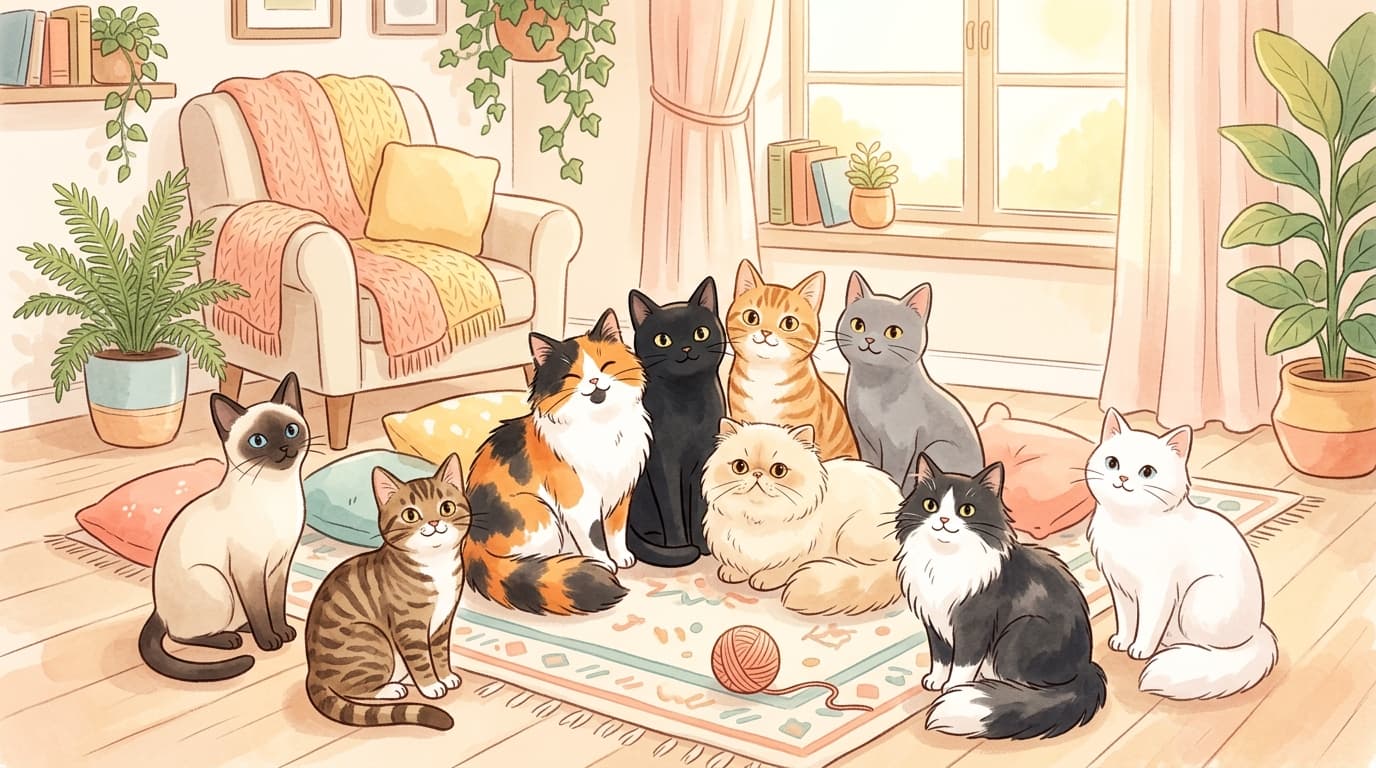
Picking a cat by coat color feels harmless—until you realize you’ve brought home a personality (and a set of needs) you weren’t expecting. Most pet owners don’t realize that certain coat colors and patterns are linked with common traits and even a few practical care challenges.
Why choosing a cat by coat color can backfire
Coat color shouldn’t be the only reason you choose a cat, but it also shouldn’t be ignored. The look that melts your heart can come with a temperament that doesn’t match your household—like a high-energy cat in a noisy home, or a super social cat left alone all day.
Think of color as a “clue,” not a guarantee. Individual personality, early socialization, and environment still matter a lot.
Orange (or yellow) cats: bold energy, big loyalty
Orange cats have a reputation for being friendly, and many are. But orange cats—especially males—are often described as more intense and more likely to show dominant, strong-willed behavior.
That doesn’t mean they’re “bad.” It means they may test boundaries and require more patience and consistent handling. The upside is huge: that same intensity can show up as deep loyalty. If you live alone and want a cat who bonds hard with one person and follows you from room to room, an orange cat can be a dream.
Black cats: misunderstood, often incredibly social
Black cats tend to spend longer in shelters and are returned more often, largely because of unconscious bias—people assume they’ll be distant or “mysterious” before they even meet them.
In reality, black cats raised in affectionate environments are often among the most social. There’s also a commonly shared idea that black-coated cats may have certain genetic advantages tied to melanin that support immune strength. And if you’ve ever had a black cat decide you’re their person, you know it can feel like you earned it.
White cats: beautiful—and sometimes extra responsibility
White cats are adoption magnets, but they can come with a real-life challenge many people don’t anticipate: a high percentage of white cats, especially those with blue eyes, are born with partial or total deafness.