How Cats Secretly Test You Every Day (And What They’re Really Looking For)
Your cat isn’t just “being a cat.” In tiny, almost invisible ways, they’re running little social experiments on you all day long—checking whether you’re safe, predictable, and worth trusting.
If you’ve ever noticed your cat acting affectionate one minute and distant the next, you’ve already seen these tests in action.
The quiet truth: cats are always watching
Cats are masters of low-key observation. They can look half-asleep on a windowsill and still track everything: your footsteps, your tone of voice, how quickly you move, and whether you’re the kind of person who respects a boundary.
That’s where the “how cats secretly test you” idea really starts. Their tests aren’t tricks or games in the human sense. They’re everyday moments where your cat gathers information and updates their opinion of you.
The “ignore you at the door” test
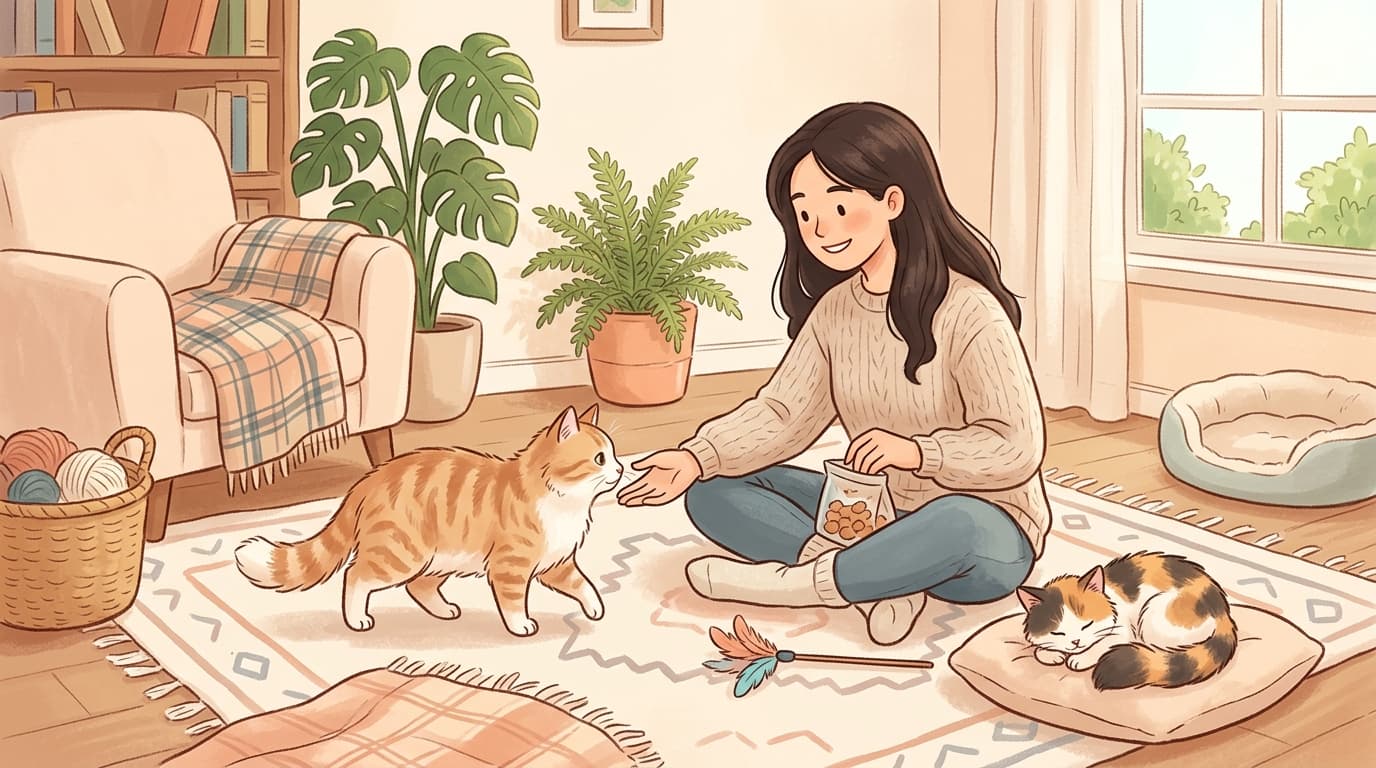
One of the most confusing cat behaviors is coming home to… nothing. You say their name, you get silence. You walk closer, they glance at you and look away.
It can feel like rejection, but often it’s a patience and boundaries test. Your cat is basically asking:
- Will you get pushy if I don’t respond?
- Will you crowd me because you want affection right now?
- Do you understand that my timing isn’t your timing?
And the funny part is, many cats will stroll over the moment you stop trying. That’s not random. That’s your cat rewarding calm, respectful behavior.
The “I’ll sit near you” experiment
When your cat settles beside you on the couch or curls up near your legs, yes—it can be affection. But it can also be a very deliberate check-in.
Your cat is watching what you do next. Do you stay relaxed and predictable? Or do you instantly reach, grab, squeeze, and turn their peaceful moment into a full-contact cuddle session?
Most pet owners don’t realize how much cats value control over the interaction. Sitting near you is often your cat saying, “I’m willing to be close—don’t make me regret it.”
The sudden exit: how cats end a test fast
You know that moment: your cat rubs against you, purrs, seems totally into it… and then vanishes like you flipped a switch.
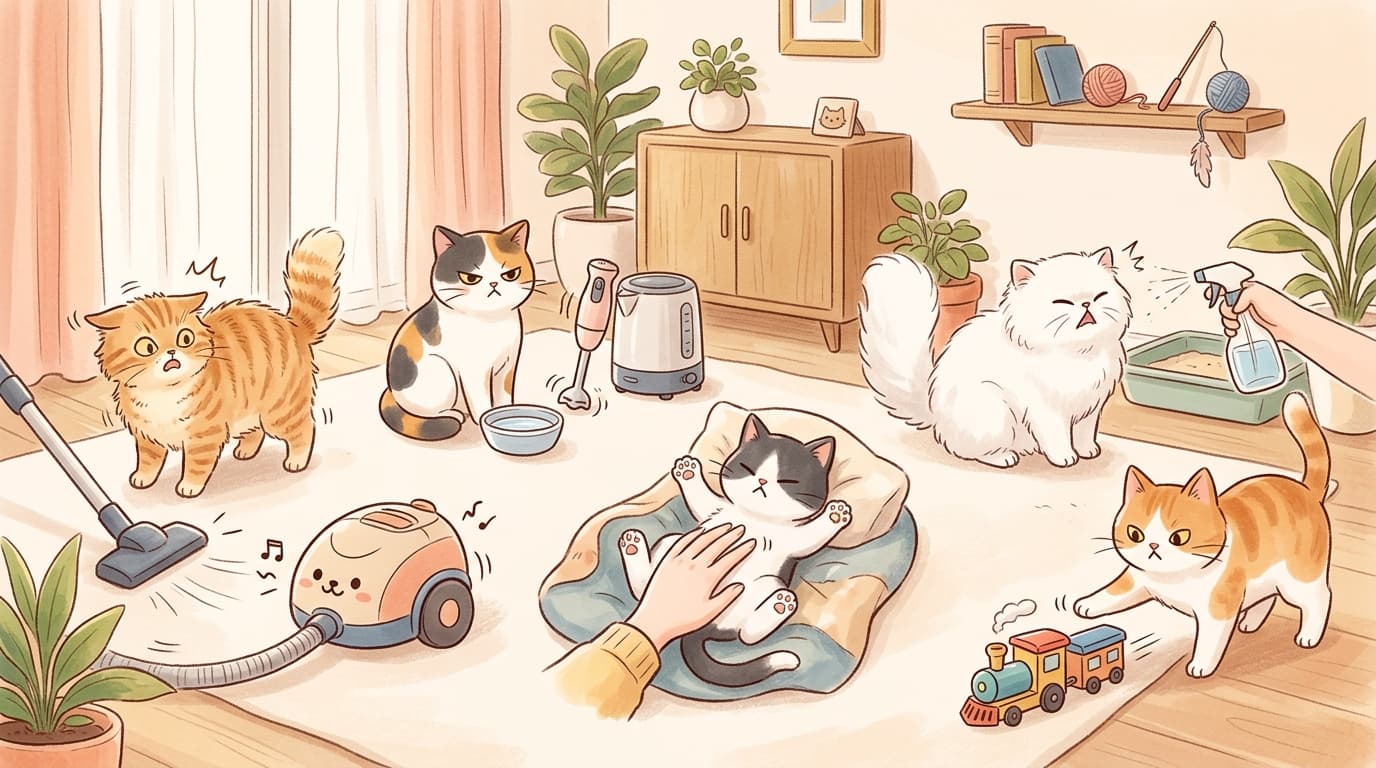
That quick departure is often the result of a “nope” answer to their safety question. Maybe your movements got too fast. Maybe your hands were too eager. Maybe your energy changed.
To you, it’s confusing. To your cat, it’s simple data collection: closeness felt safe until it didn’t.
Routine is part of how cats secretly test you
Cats don’t just test your hands—they test your consistency.
Feeding times, bedtime habits, the usual spots they nap, your normal schedule… these patterns help your cat feel oriented. When something changes (you come home late, you act different, the household energy shifts), your cat notices immediately.
And then you might see:
- More distance than usual
- Extra staring or “monitoring” from across the room
- Odd behavior that seems to come out of nowhere
Often, your cat is recalibrating. They’re re-checking: “Are you still the same safe person I know?”
What cats are actually grading you on
The tricky part is that cats don’t hand you a rulebook. Their scoring system is based on things that feel invisible to humans.
Here’s what tends to matter most:
- Calm energy: steady, not chaotic
- Predictability: your behavior makes sense to them
- Respect for distance: you don’t force contact
- Sensitivity to timing: you read the moment instead of pushing your agenda
You usually can’t “win” these tests by performing a specific trick. But you can lose them by accident—by being too intense, too loud, too grabby, or too impatient.
The signs you passed: deep rest and real trust
Every so often, your cat gives you a moment that feels different.
They stay longer than usual. They fall into a deeper sleep near you. They look loose and comfortable instead of ready to spring away.
And yes—sometimes you’ll see the belly.
A lot of people read a belly display as an invitation to pet, but for many cats it’s simply a trust signal: “I feel safe enough to be vulnerable near you.” When your cat does that and stays relaxed, it’s one of the clearest signs that your calm, respectful behavior has been working.
Why the test never really ends
Cats keep testing because it’s how they make sense of relationships. Trust, for them, isn’t a one-time achievement—it’s something that gets refreshed through everyday interactions.
That’s also why life with a cat feels so special. The bond doesn’t run on autopilot. It’s built in small moments, over and over, until one day you realize your cat chose you—again.
Takeaway: If you want to pass your cat’s daily tests, aim for steady energy, gentle patience, and respect for their “not right now.” Your cat notices more than you think, and they remember how you made them feel.
Meta description: Cats test your patience, boundaries, and consistency daily. Learn the subtle signs—and how to earn real feline trust.
Continue reading

15 Human Foods Cats Can Safely Enjoy (And Why They’re So Drawn to Your Plate)
Your cat isn’t being picky—instinct drives their food choices. Here are 15 cat-friendly human foods and how to offer them safely.

Why Your Cat Touches Your Face With Their Paw (And What They’re Trying to Tell You)
A paw on your face can mean affection, attention, play, scent-marking, or even “give me space.” Learn the clues to read it right.

16 Five-Second Habits That Make Your Dog Feel Truly Loved (No Treats Required)
These 16 tiny, five-second habits help your dog feel safe, seen, and deeply loved—without extra toys, treats, or long walks.