5 Small Things That Make Your Cat Feel Truly Loved (No Treats Required)
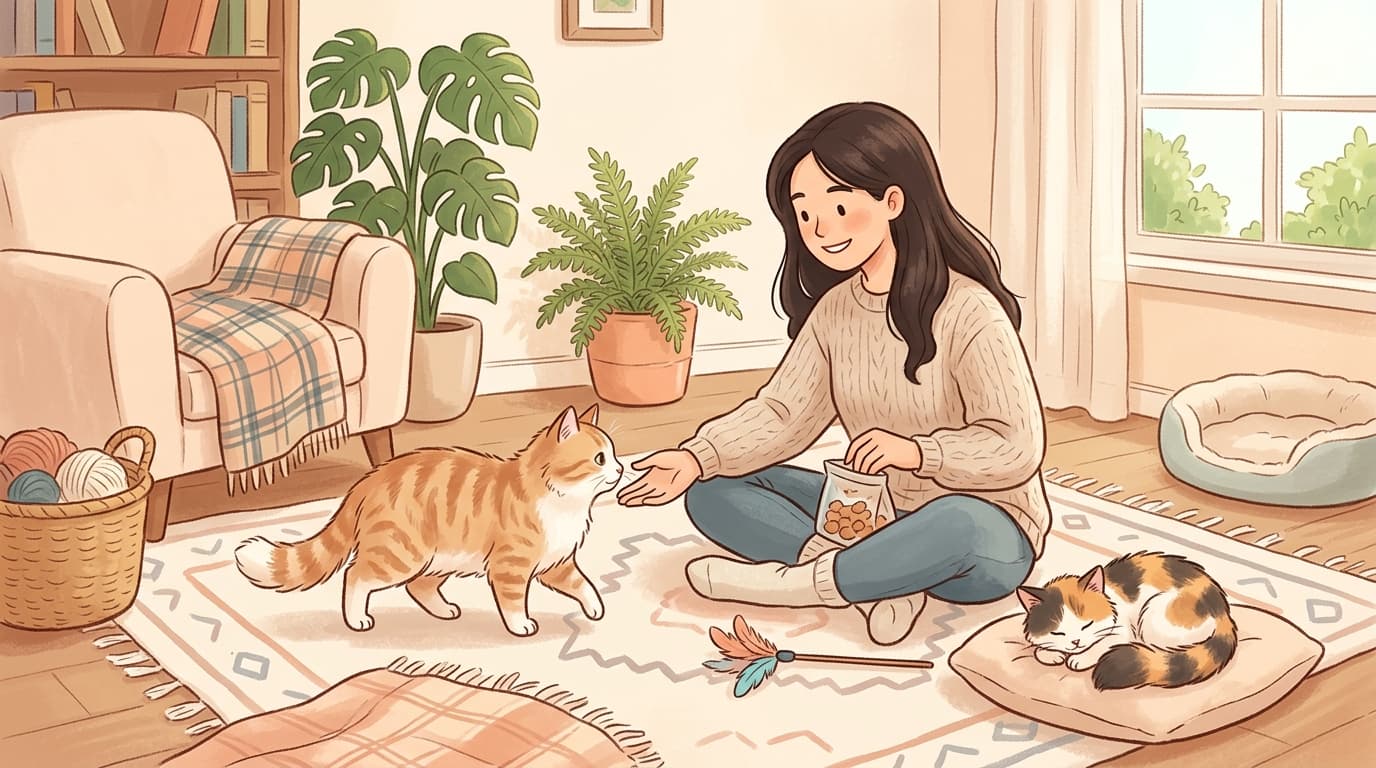
Give your cat what they actually want: a high perch, calm proximity, a nose-first greeting, floor time, and a replied-to meow.
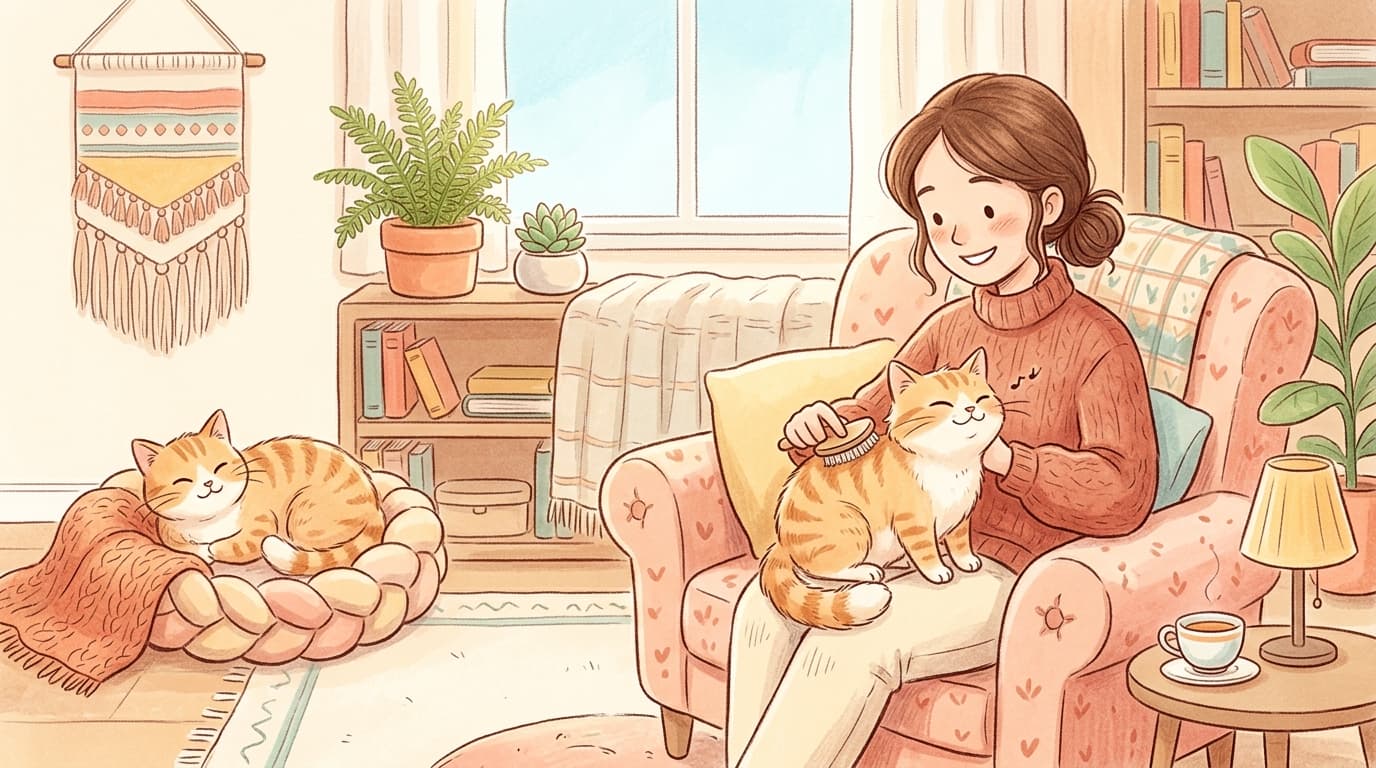
Most cats aren’t waiting for a new toy or a fancier bowl. They’re waiting for you to understand a few quiet signals—little moments that tell them they’re safe, respected, and genuinely loved.
If you’ve ever reached to pet your cat and watched them calmly stand up and leave, you’ve already seen how “love” can look totally different in cat language.
The one shift that changes everything: respect your cat’s terms
A lot of cat bonding comes down to a simple idea: your cat wants to feel in control of their own body and space. Once you start interacting in ways that let your cat choose “yes” or “no,” their trust tends to grow fast.
The five actions below all work for the same reason: they reduce pressure and increase safety. And for a cat, safety is love.
1) Give your cat a high “throne” that nobody messes with
If your cat keeps climbing the fridge, the top of the bookshelf, or the highest kitchen cabinet, they’re not being naughty. They’re doing what cats are wired to do: get vertical.
Height is security. From up high, your cat can watch the room, track movement, and relax without feeling cornered. Instead of constantly lifting them down, set up one approved high spot that’s theirs.
Try this tonight:
- Clear a high shelf (or the top level of a sturdy cat tree)
- Keep it mostly empty so it feels like a dedicated perch
- Make it a “no bothering” zone—no grabbing, no sudden petting, no kids reaching up
Many cats get noticeably calmer once they have a reliable lookout point. You may even see less hiding, because they finally have a place that feels like control.
2) Pass the “calm proximity” test (by doing nothing)
Cats often build trust through closeness, not contact. So when your cat sits a few feet away from you—same room, same vibe, no touching—they may be asking a quiet question: “Can I exist near you without being handled?”
Most pet owners don’t realize this is a test until they fail it. The classic moment: your cat sits nearby, you reach out to pet them, and they leave like you broke a rule you didn’t know existed.