Why Cats Knead: The Sweet Habit That Can Also Signal Stress
Cat kneading can mean comfort and bonding—or self-soothing during stress. Learn why cats knead and when to pay attention.
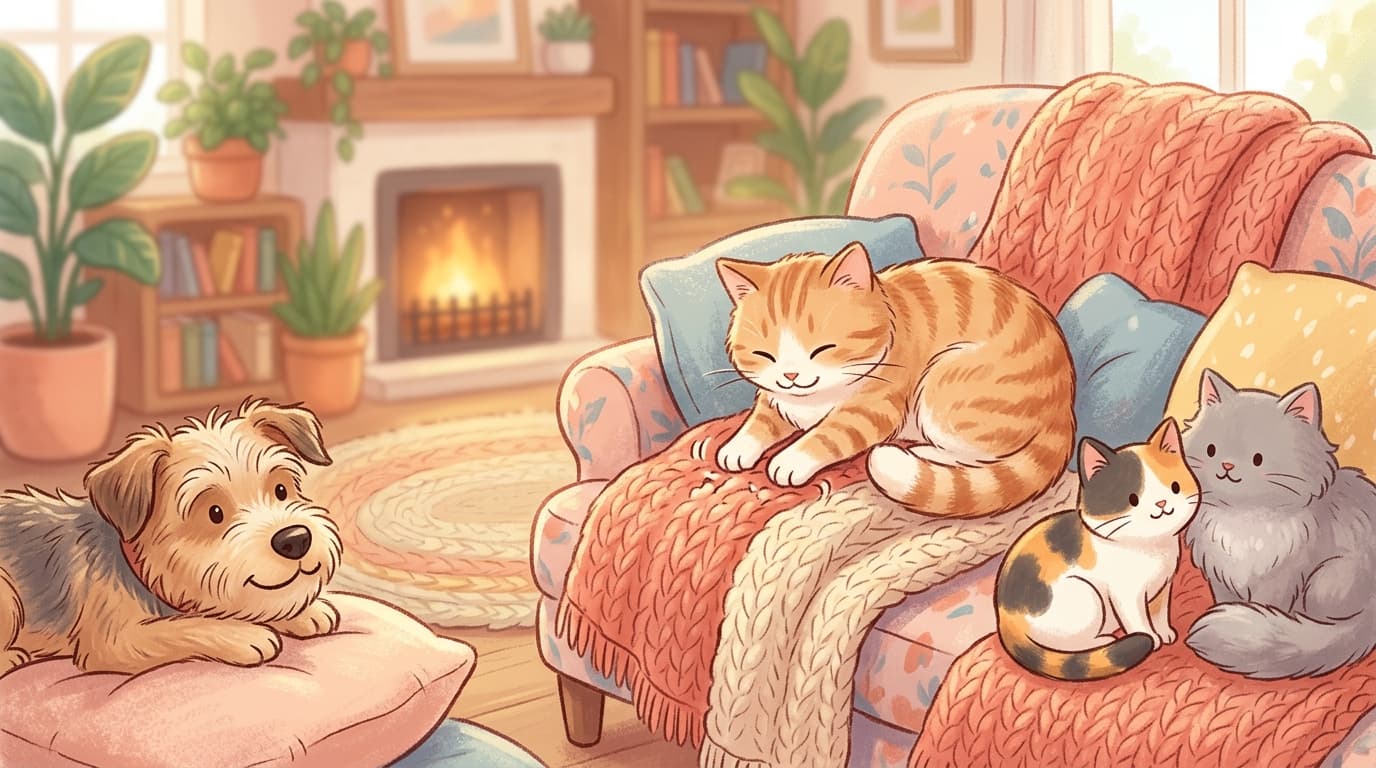
Your cat climbs into your lap, starts pressing their paws in and out, and suddenly you’re the world’s coziest piece of dough. It’s adorable—most of the time. But cat kneading isn’t always just a love note.
What cat kneading really is (and where it comes from)
Cat kneading starts incredibly early in life. When kittens nurse, they rhythmically push their front paws against their mother’s belly. That motion helps stimulate milk flow, and it also settles them down.
Even after a cat is fully grown, that “kneading pattern” can stick around. Think of it like muscle memory tied to comfort: the same action that once meant warmth, safety, and food can still feel soothing years later.
The feel-good chemicals behind cat kneading
When an adult cat kneads, they’re not just moving their paws—they’re tapping into the same calming brain pathways from kittenhood. This can trigger the release of endorphins (the body’s natural feel-good chemicals) and oxytocin (often linked to bonding and connection).
That’s why, in many homes, cat kneading shows up during the best moments: your cat is settled, relaxed, and choosing to be close to you.
When cat kneading means “I’m calming myself down”
Here’s the twist most pet owners don’t realize: those same calming chemicals can also be a cat’s way of coping when they’re nervous.
If your cat is dealing with stress—like a move, a new person or pet in the household, or even the disruption of a vet visit—you might notice kneading becomes more frequent or more intense. In these cases, cat kneading can act as a displacement behavior: something your cat does to regulate big feelings when they’re not fully comfortable.
If you’ve ever noticed your cat suddenly kneading like crazy during a chaotic week, it may not be extra affection—it may be self-soothing.
How to tell “cozy kneading” from stress kneading
Kneading is usually a good sign, but the context matters.