Why Cats Knead: The Sweet Habit That Can Also Signal Stress
Cat kneading can mean comfort and bonding—or self-soothing during stress. Learn why cats knead and when to pay attention.
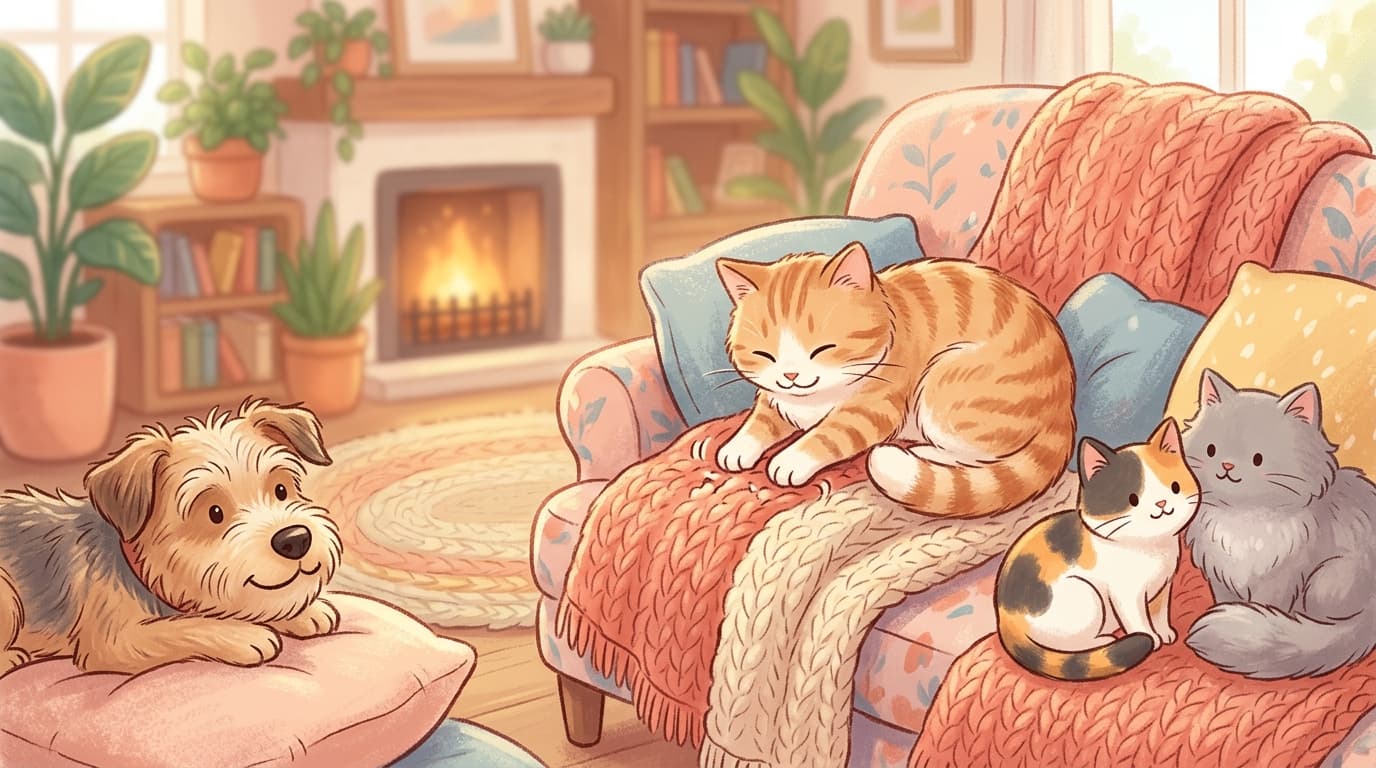
Your cat climbs into your lap, starts pressing their paws in and out, and suddenly you’re the world’s coziest piece of dough. It’s adorable—most of the time. But cat kneading isn’t always just a love note.
What cat kneading really is (and where it comes from)
Cat kneading starts incredibly early in life. When kittens nurse, they rhythmically push their front paws against their mother’s belly. That motion helps stimulate milk flow, and it also settles them down.
Even after a cat is fully grown, that “kneading pattern” can stick around. Think of it like muscle memory tied to comfort: the same action that once meant warmth, safety, and food can still feel soothing years later.
The feel-good chemicals behind cat kneading
When an adult cat kneads, they’re not just moving their paws—they’re tapping into the same calming brain pathways from kittenhood. This can trigger the release of endorphins (the body’s natural feel-good chemicals) and oxytocin (often linked to bonding and connection).
That’s why, in many homes, cat kneading shows up during the best moments: your cat is settled, relaxed, and choosing to be close to you.
When cat kneading means “I’m calming myself down”
Here’s the twist most pet owners don’t realize: those same calming chemicals can also be a cat’s way of coping when they’re nervous.
If your cat is dealing with stress—like a move, a new person or pet in the household, or even the disruption of a vet visit—you might notice kneading becomes more frequent or more intense. In these cases, cat kneading can act as a displacement behavior: something your cat does to regulate big feelings when they’re not fully comfortable.
If you’ve ever noticed your cat suddenly kneading like crazy during a chaotic week, it may not be extra affection—it may be self-soothing.
How to tell “cozy kneading” from stress kneading
Kneading is usually a good sign, but the context matters.
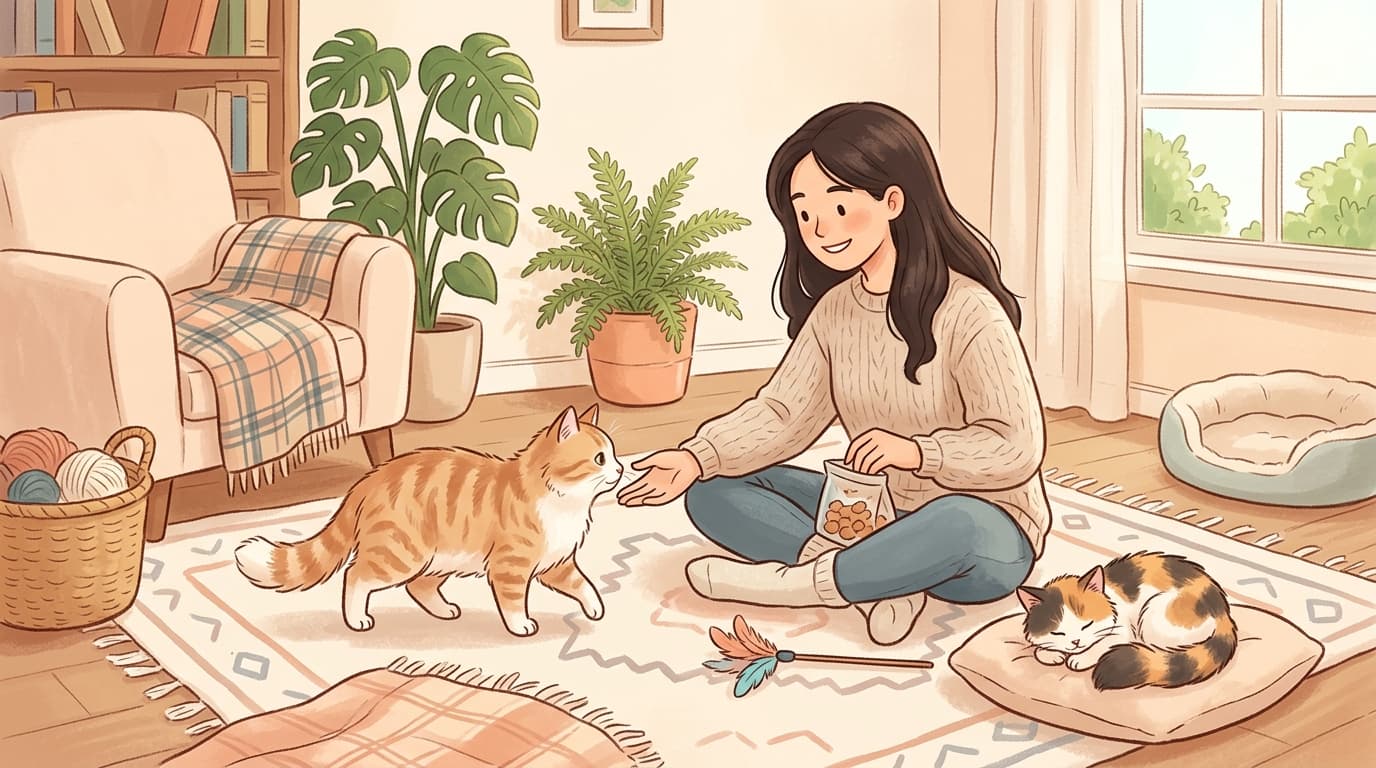
Signs it’s comfort and affection
- Your cat’s body looks loose and relaxed
- Gentle purring (not tense or urgent)
- They settle in afterward—curl up, doze off, or simply lounge
Signs it may be stress-related
- Kneading looks repetitive or almost compulsive
- The intensity ramps up compared to their normal behavior
- You also see other stress signals, such as:
- Hiding more than usual
- Excessive meowing
- Peeing outside the litter box
- Low energy or seeming “down”
On its own, kneading isn’t automatically a problem—but paired with other changes, it can be a clue that something in your cat’s world feels off.
What you can do if your cat’s kneading seems tied to anxiety
Start by looking at what changed recently. New smells, new routines, visitors, construction noise, rearranged furniture—cats notice all of it.
A few simple ways to support your cat:
- Keep routines predictable (feeding times, play, quiet time)
- Make sure they have a safe retreat (a cozy bed, a hiding spot, a quiet room)
- Add gentle enrichment (short play sessions, puzzle feeders, window perches)
- Watch for patterns: does the kneading spike after specific events?
If the kneading seems compulsive or comes with litter box issues, withdrawal, or other strong stress signs, talk with your veterinarian to rule out underlying problems and get tailored help.
The takeaway
Cat kneading is often your cat’s way of saying, “I feel safe with you.” But sometimes it’s also their way of saying, “I’m trying to feel safe.” Paying attention to the whole picture—body language, routines, and any new stress signals—helps you respond with the comfort your cat is looking for.
Continue reading

How Cats Decide Who to Trust (and How to Earn It Gently)
Cats don’t give trust by default. Learn the signals they watch—control, body language, routine, scent, and patience—to build a stronger bond.

5 Everyday Things Your Cat Hates (and How to Stop Accidental Tantrums)
From the “wrong” petting spots to noisy rooms and sudden changes, these everyday habits can stress your cat and trigger swats.

Do Cats See Ghosts? Why Your Cat Stares at “Nothing”
Cats may not see ghosts, but their night vision and super-hearing can make them react to things you can’t detect.