Signs Your Cat Is Unhappy: Body Language and Behaviors You Shouldn’t Ignore
Learn the most common signs your cat is unhappy—from tail signals to hiding—plus simple ways to help them feel safe again.
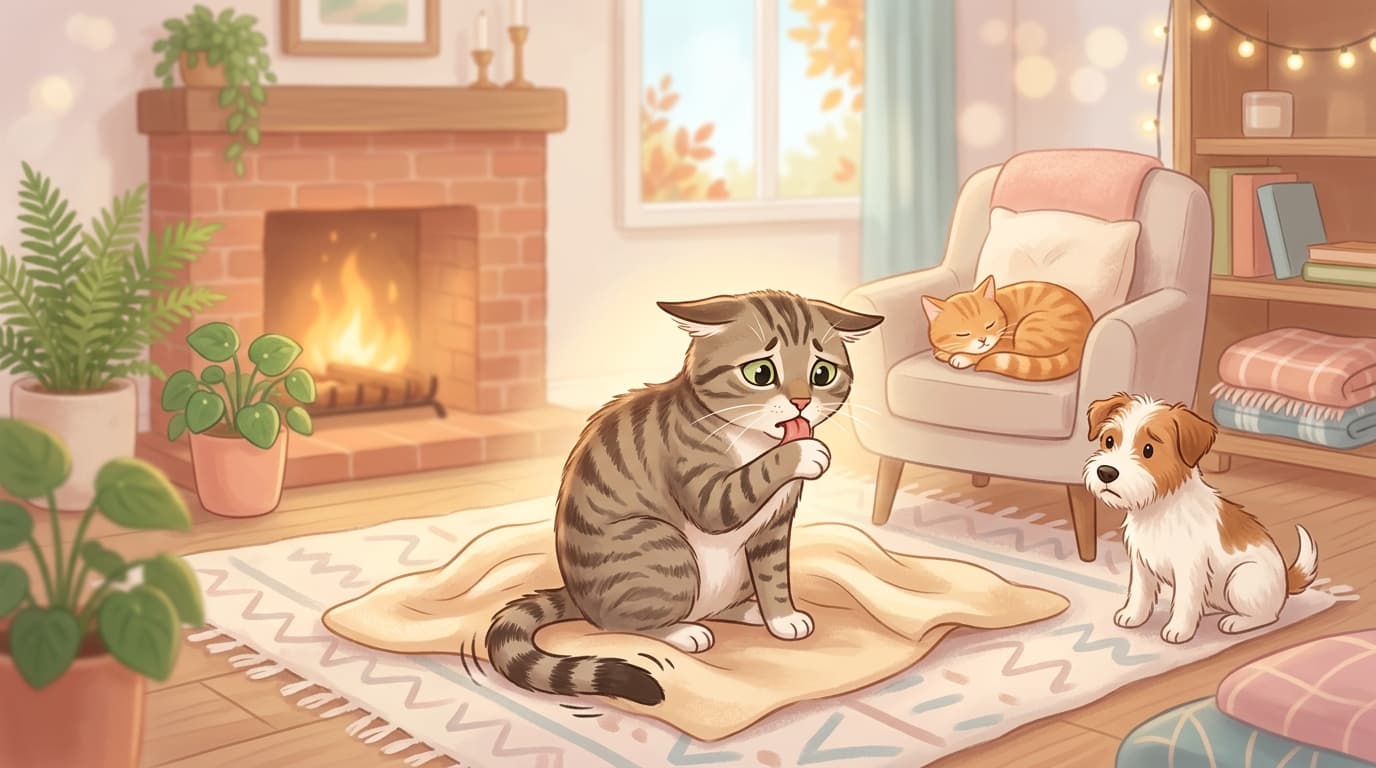
Cats are masters at acting “fine” even when something feels off. Most pet owners don’t realize how much cats communicate through tiny shifts in posture, routine, and sound. If you can spot the signs your cat is unhappy early, you can often fix the problem before it snowballs.
Quick tail clues: what a low or fast tail can mean
A cat’s tail is basically a mood flag. If your cat’s tail is held low, tucked, or whipping back and forth quickly, that’s usually not playful excitement—it’s tension.
- Tail down often shows your cat feels unsure, nervous, or insecure in the moment.
- Fast tail flicking can mean irritation or overstimulation (think: “I’m done with this now”).
If you’ve ever been petting your cat and suddenly the tail starts snapping, that’s your cue to pause and give them space.
“Back arched, fur up” isn’t drama—it’s fear
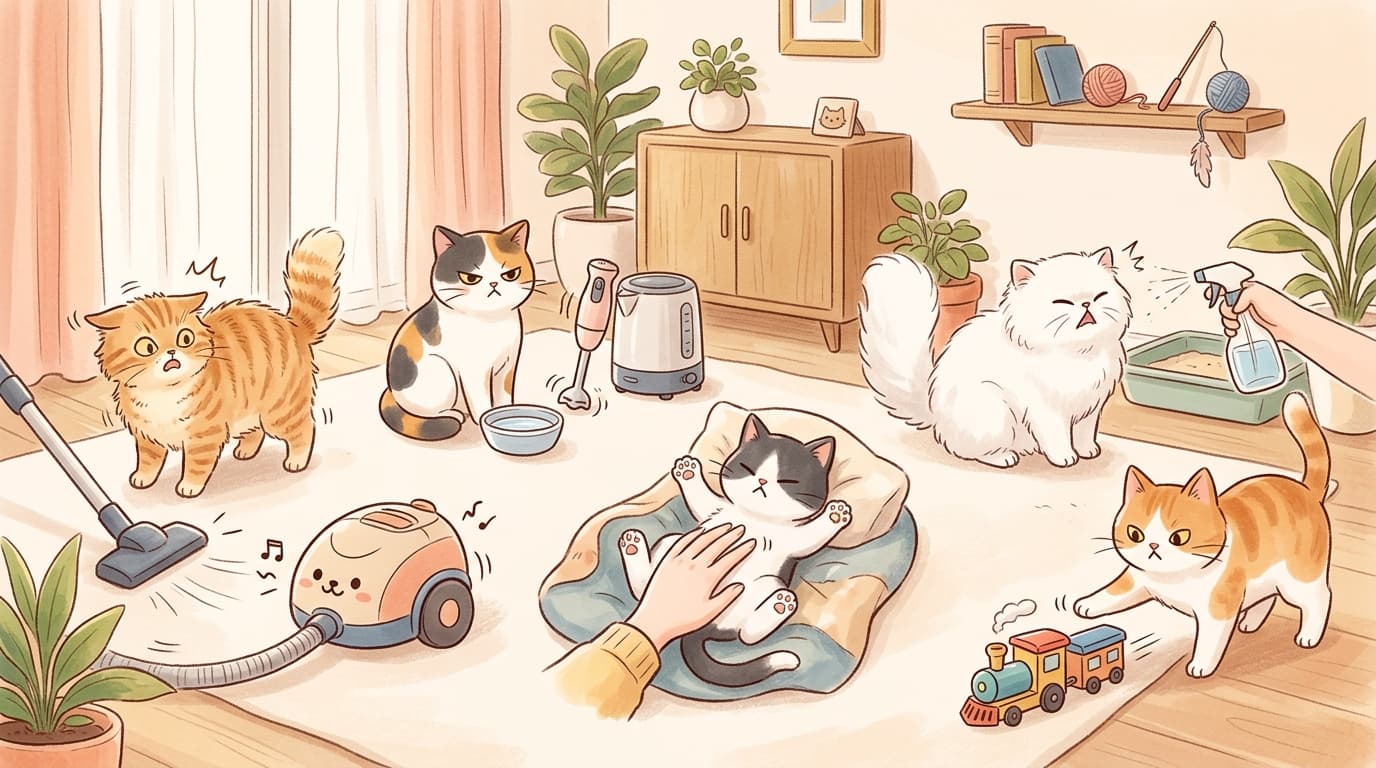
An arched back with bristling hair is one of the clearest signs your cat is unhappy or scared. Your cat is trying to look bigger to protect themselves.
This can happen after a loud noise, a new pet in the home, a tense interaction, or even a surprise touch. In that moment, your cat isn’t being “spicy”—they’re asking for distance.
The tucked-paws sleep position: cozy… or cautious
Cats often sleep curled up, but if your cat regularly sleeps with paws tucked tightly under their body, it can sometimes be a sign they don’t fully feel safe. It’s a protective posture—like they’re staying ready to move.
Pay attention to context. If your cat also startles easily, hides more, or avoids certain rooms, that “loaf” position may be less about comfort and more about caution.
Squinting or constant blinking can signal stress (or pain)
A relaxed cat may give slow blinks, but frequent squinting or constant blinking can be different—more like discomfort than affection.
If you notice this alongside other changes (less activity, hiding, mood shifts), treat it as a real clue that something is bothering your cat.