Why Your Cat Suddenly Stops Sleeping With You (And What They’ve Been Saying All Along)
Cats don’t share your bed just for warmth. Learn what it means, what sleep positions say, and why a sudden change deserves attention.
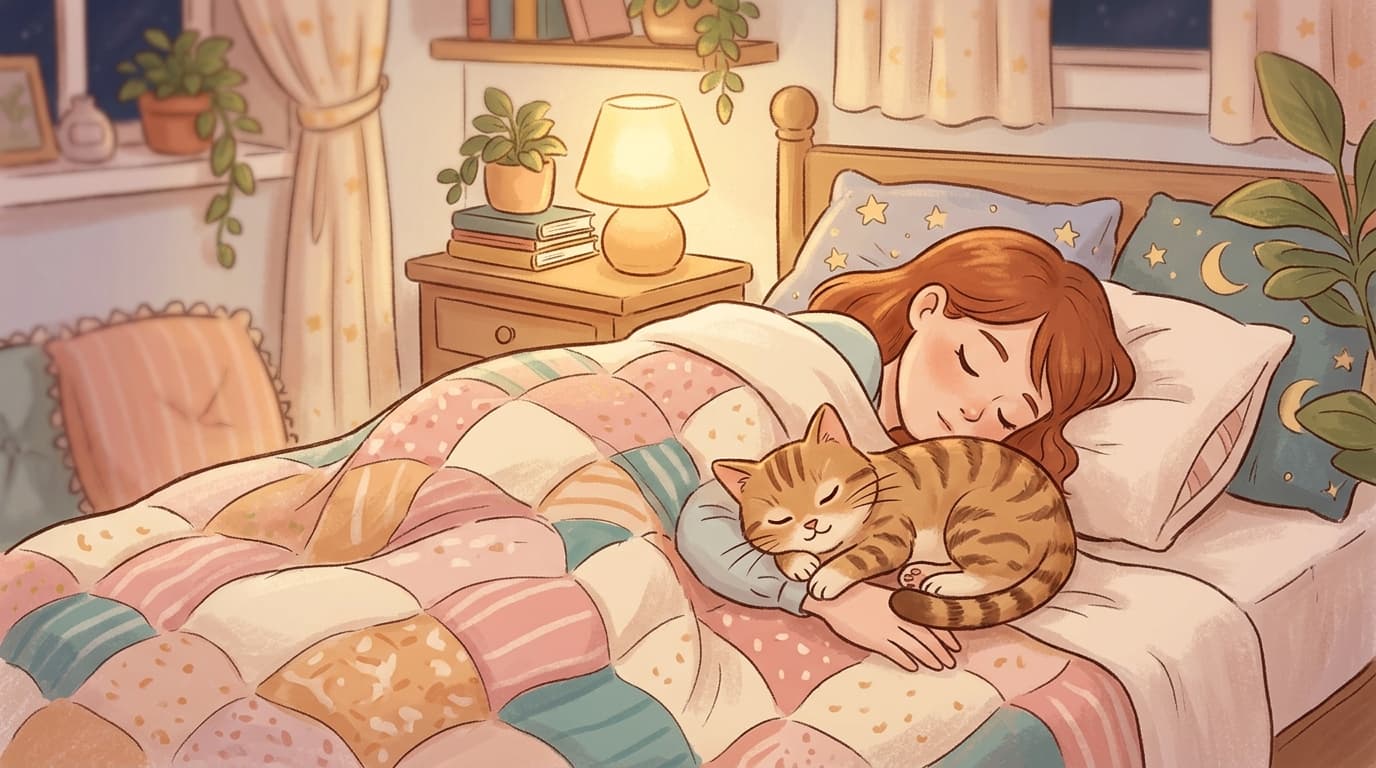
Your cat choosing to sleep beside you isn’t a cute accident—it’s one of the most emotionally loaded things they can do. And if they suddenly stop, it can feel weirdly personal, even if you don’t realize how much meaning that little nighttime routine held.
Sleeping with you isn’t about warmth (your cat has options)
Most pet owners assume bed-sharing is simple: you’re warm, your cat is cold, end of story. But cats are basically heat-seeking geniuses. They can find a sunny patch, a recently used laptop, a radiator, or a pile of fresh laundry without any help from you.
So if your cat keeps choosing your bed night after night, it’s usually because sleep is when they’re most vulnerable. Instinct tells a cat to rest somewhere hidden and safe. Curling up next to a human—someone much larger, louder, and unpredictable by “cat logic”—only happens when your cat feels deeply secure with you.
Your cat is creating a shared “family scent”
If you’ve ever noticed your cat rubbing their face, head, or body against you right before settling down, that’s not random affection. Cats have scent glands on their cheeks, forehead, and near the base of the tail. Rubbing deposits their scent on you.
But the sweet part is what happens next: by sleeping pressed close, your cat helps blend your scents together into a shared smell. In cat social groups, a common scent is one way they recognize who belongs. It’s like your cat is quietly reinforcing, “You’re one of mine.”
It also explains why your cat may sniff you intensely when you come home from somewhere new. To them, you smell “off,” like the shared scent got diluted—and bedtime cuddling can be part of resetting that familiar, comforting identity.
Your cat may see themselves as your nighttime lookout
Where your cat sleeps on the bed often isn’t a coincidence. Some cats post up near your head, others choose your feet, and some wedge themselves against your back.
That positioning can be surprisingly strategic. Even the most pampered indoor cat still has ancient instincts. In group-living cat communities, someone staying alert while others rest had real survival value. Your cat may not be able to “protect” you in the human sense, but in their mind, they’ve taken a shift guarding the space you share.