Why Your Dog or Cat Feels Like Your Child (and What They Actually Feel Back)
Attachment theory and oxytocin explain why pets feel like family—and how to love them deeply without humanizing them.
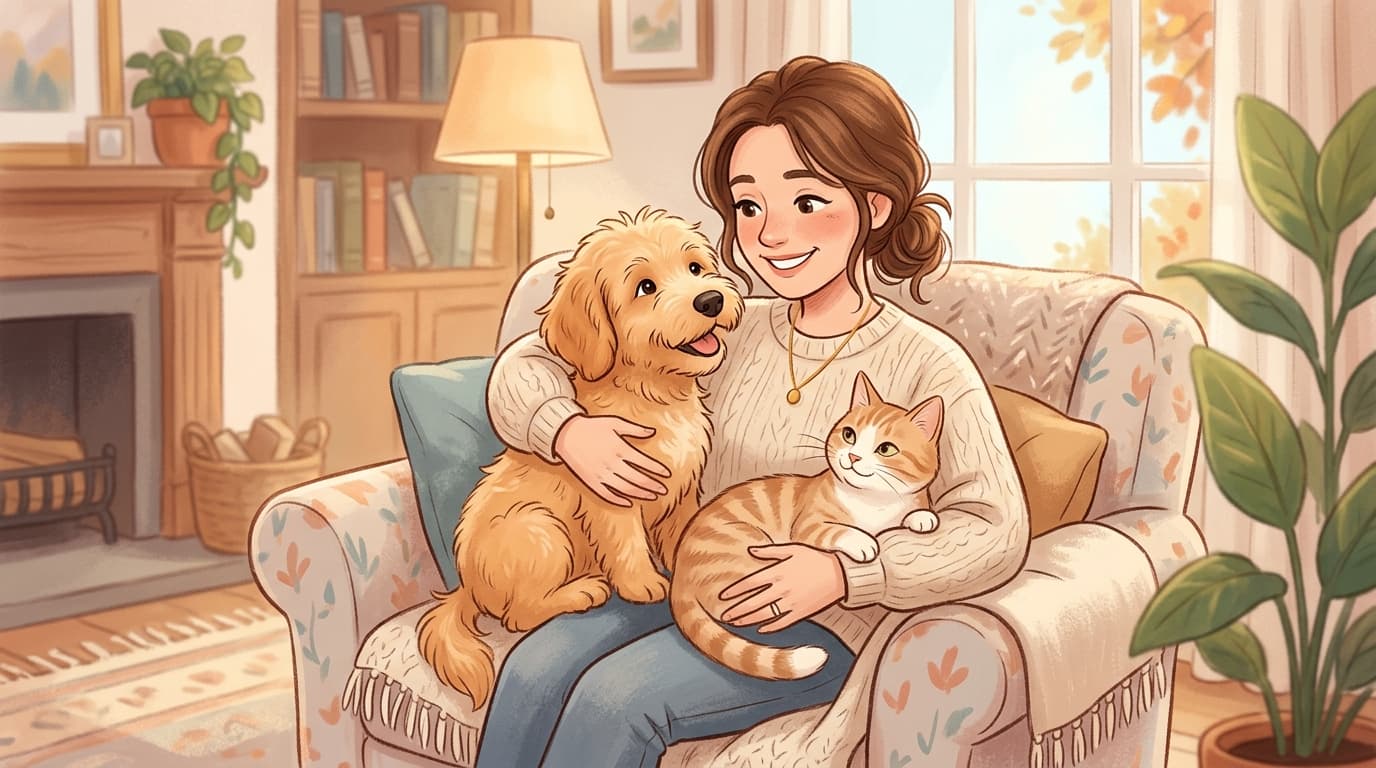
Some bonds don’t feel casual. The kind you have with your dog or cat can feel oddly similar to the love you’d have for a child—and no, that doesn’t automatically mean you’re being dramatic.
There’s a real psychological and biological reason your pet feels like family, and it goes way beyond “they’re just cute.”
Why your dog or cat feels like your child: attachment theory
Back in the 1960s, psychoanalyst John Bowlby introduced attachment theory to explain why babies form intense bonds with their caregivers. It wasn’t just about affection—it was about safety. A child attaches to the person who becomes their secure base: the one who protects them, comforts them, and helps them feel okay in the world.
What many pet owners don’t realize is that a similar attachment pattern can form between humans and animals.
Your dog or cat can treat you as their reference figure—the one they look to when they’re unsure, stressed, excited, or simply checking that everything is normal. If you’ve ever noticed your dog following you from room to room, or your cat appearing the moment you sit down, that “I need to be near you” behavior often has an attachment-flavored explanation.
The oxytocin effect: the “love hormone” works on both sides
Attachment is the emotional story. Oxytocin is the chemical one.
Oxytocin is often called the “love hormone” because it’s linked to bonding and closeness. Humans release it during warm social moments—think hugging a partner, cuddling a baby, or feeling safe with someone you trust.
And yes, it can rise with pets too.
Spending time together, petting your dog or cat, and even sharing quiet attention can trigger oxytocin release in you. The really sweet part is that it’s not one-sided: they can experience oxytocin changes in those same bonding moments, which helps explain why the connection feels so mutual.
Eye contact and bonding: what the research suggests
A well-known study by Nagasawa and colleagues (2015) found something fascinating in dogs: when dogs and humans looked into each other’s eyes, oxytocin levels increased in both. In other words, a simple gaze didn’t just feel meaningful—it was tied to measurable changes in the body.
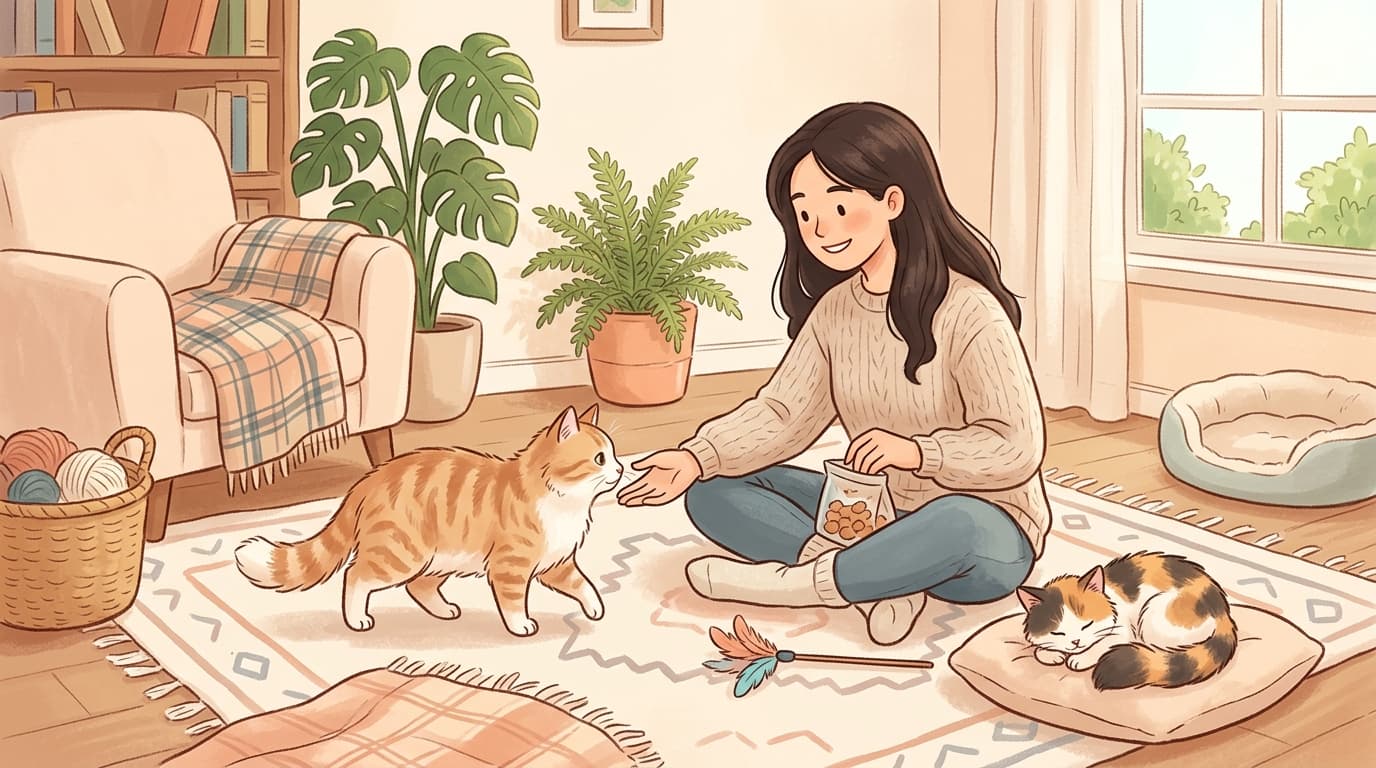
Similar bonding effects have also been observed in cats, suggesting that the human–cat relationship can involve comparable “connection chemistry,” even if cats show it in their own, more subtle style.
So if you’ve ever had that quiet moment where your dog stares at you like you’re their whole world—or your cat slow-blinks and settles nearby—your brain may be responding through the same bonding pathways it uses for close human relationships.
Loving your pet like a child isn’t the same as humanizing them
Here’s the important nuance: feeling parental love toward your pet is not the same thing as treating them like a human.
Humanizing (or anthropomorphizing in an unhelpful way) is when we assign pets emotions, motivations, or needs that don’t fit their species. For example:
- Assuming your cat knocked something over “to get revenge”
- Thinking your dog feels “guilty” in the same moral way a person would
- Treating a healthy dog like a baby—such as putting them in a stroller when they don’t need it—because it feels emotionally right to you
That doesn’t mean you’re a bad pet parent. It just means it’s easy to love so hard that you start translating everything through a human lens.
And ironically, that can make it harder to meet your pet’s real needs.
How to love your dog or cat deeply (without misunderstanding them)
If you want the best version of that “they’re my child” bond, aim for love plus clarity.
- Learn their species language. Dogs and cats communicate differently, and they cope with stress differently too.
- Respect what makes them feel safe. Some pets want constant contact; others want closeness with space.
- Give them what they actually need, not what would comfort a human. Routine, enrichment, play, rest, and predictable boundaries often matter more than extra “human-style” fussing.
- Let them be wonderfully animal. Your pet doesn’t need to become a little person to be family.
The takeaway
Seeing your dog or cat as your child isn’t weird—it’s a reflection of how attachment and oxytocin can wire you together. The best kind of pet love is the kind that stays tender while still honoring who they are.
They don’t need you to treat them like humans. They need you to treat them like the remarkable animals who chose you as their safe place.
Continue reading

How Cats Decide Who to Trust (and How to Earn It Gently)
Cats don’t give trust by default. Learn the signals they watch—control, body language, routine, scent, and patience—to build a stronger bond.

5 Everyday Things Your Cat Hates (and How to Stop Accidental Tantrums)
From the “wrong” petting spots to noisy rooms and sudden changes, these everyday habits can stress your cat and trigger swats.

Do Cats See Ghosts? Why Your Cat Stares at “Nothing”
Cats may not see ghosts, but their night vision and super-hearing can make them react to things you can’t detect.