How Cats Apologize: 6 Subtle “Sorry” Signals Most Owners Miss
Cats do apologize—just quietly. Learn 6 subtle “sorry” signals (and how to respond) after tension with your cat.
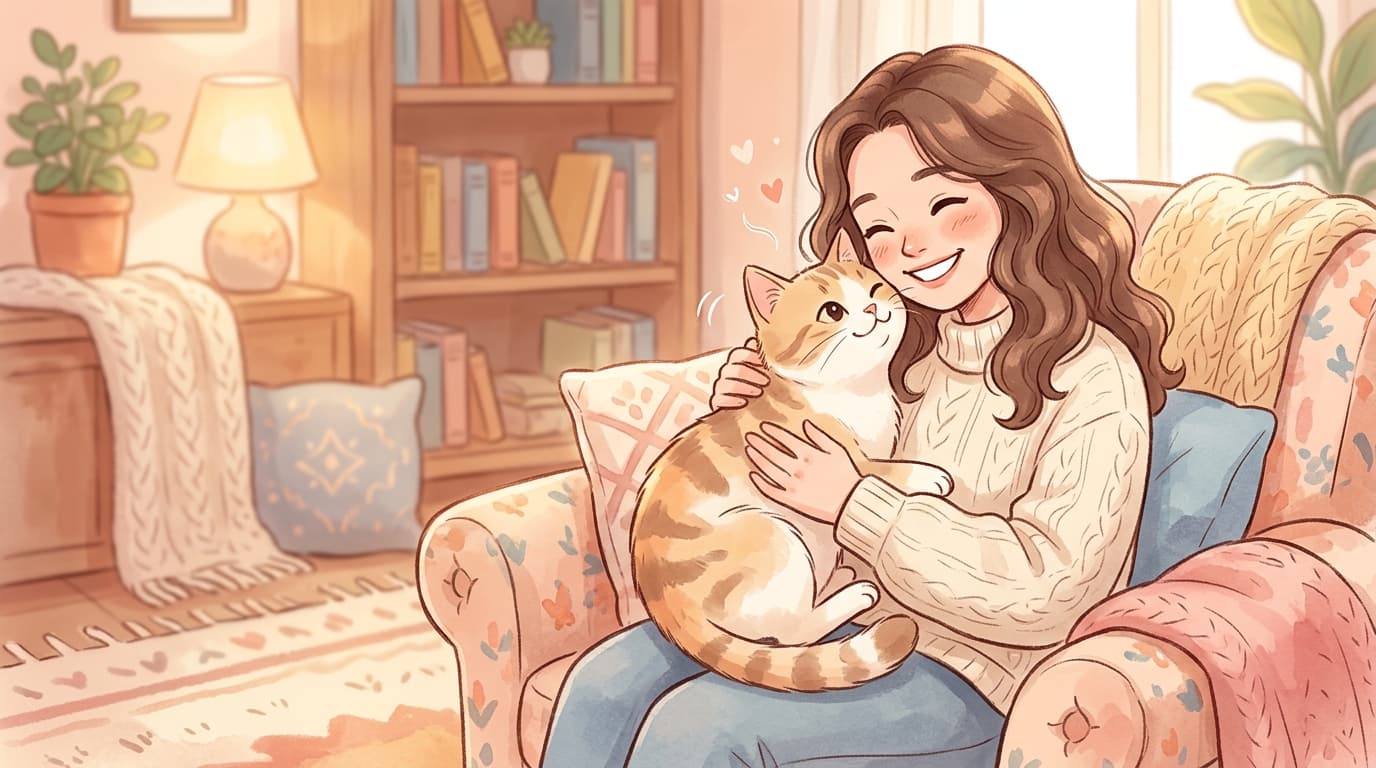
Your cat knocks something over, scratches the sofa, or launches into a 3 a.m. sprint—and you react like any normal person. Then they stare at you like you’re the one being dramatic. But what most pet owners don’t realize is what often happens later: your cat tries to make things right, just in a language that’s easy to miss.
Do cats apologize—or do they just move on?
Cats don’t apologize with guilt the way humans do. They don’t “confess,” they don’t sulk on purpose, and they definitely don’t do big, obvious gestures to win you back.
What they do have are reconciliation behaviors: small, intentional signals that show they’re trying to reduce tension and restore the feeling of safety between you. If you’ve ever thought, “My cat has zero remorse,” there’s a good chance you simply didn’t recognize the apology attempt.
1) The slow blink after a tense moment
You’ve probably heard that a slow blink is a sign of trust. What’s easy to miss is when it matters most: right after you’ve scolded your cat, raised your voice, or even just given “the look.”
In that moment, your cat is choosing to soften the situation. A slow blink is like your cat saying, “I’m not a threat. I’m choosing calm.” And it’s not just sentimental—research has found that when humans respond warmly to a cat’s slow blink, cats relax more.
How to respond: Pause. Relax your shoulders. Slowly blink back once or twice. No lecture, no reaching—just a calm “message received.”
2) The surprise head-butt (bunting) that shows up later
After a disagreement, your cat may stroll up with total confidence and press their forehead or cheek into you. It can feel almost rude, like they’re demanding affection after causing chaos.
But head-butting is also a scent-based reset. Cats have scent glands around the face, and rubbing those areas on you leaves familiar chemical markers that help them feel secure. After tension, your body language and even your stress can change the “vibe” for your cat—so they try to rewrite the moment with a comforting, familiar scent exchange.
How to respond: Let it happen. Stay neutral and still, and allow the rub. Think of it as your cat re-labeling you as “safe” again.