
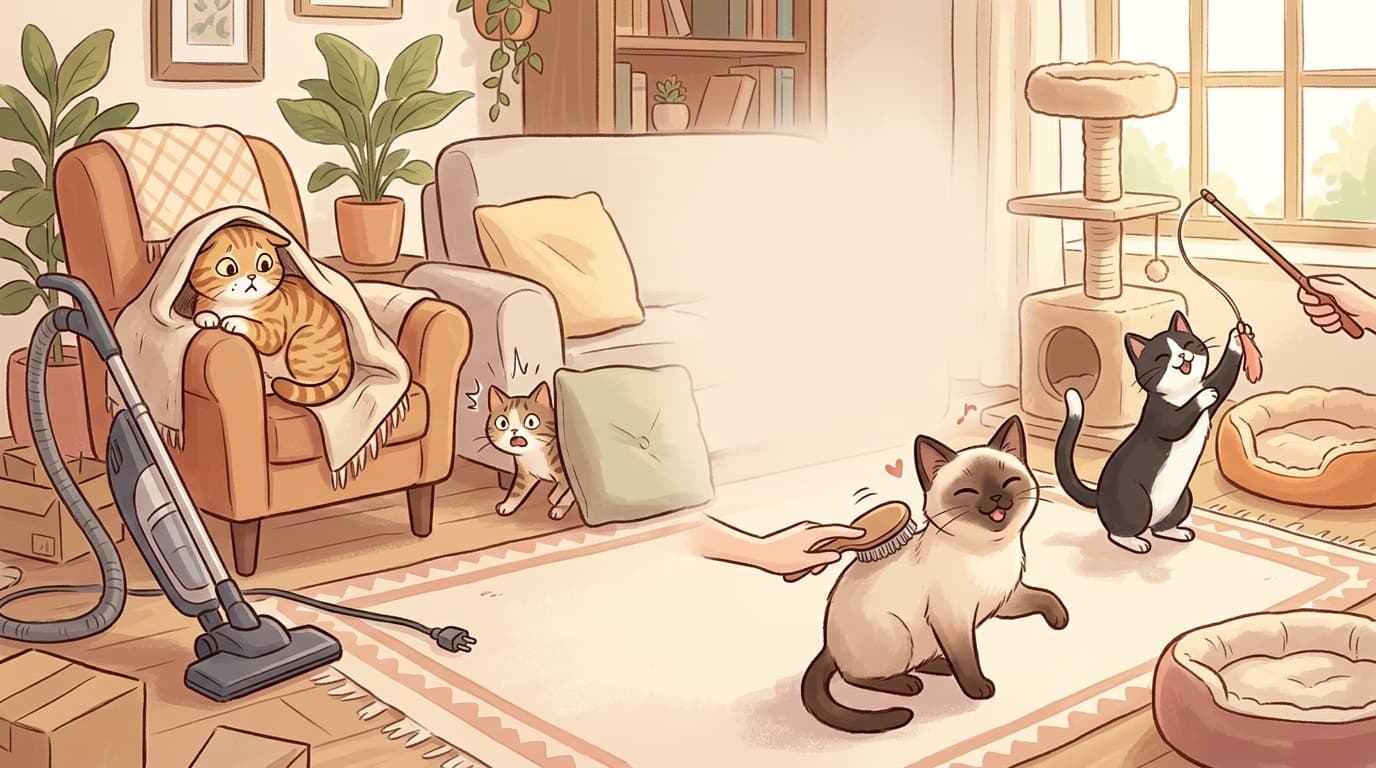
 № 109
№ 1096 Everyday Habits That Secretly Stress Your Cat (and What to Do Instead)
Common routines—yelling, boring days, dry-only food, wrong petting, bad litter spots, long absences—can quietly stress your cat.
5 min read
§ Index
The complete reading room. Use a tag to narrow the list, or search directly.
№ 109Common routines—yelling, boring days, dry-only food, wrong petting, bad litter spots, long absences—can quietly stress your cat.
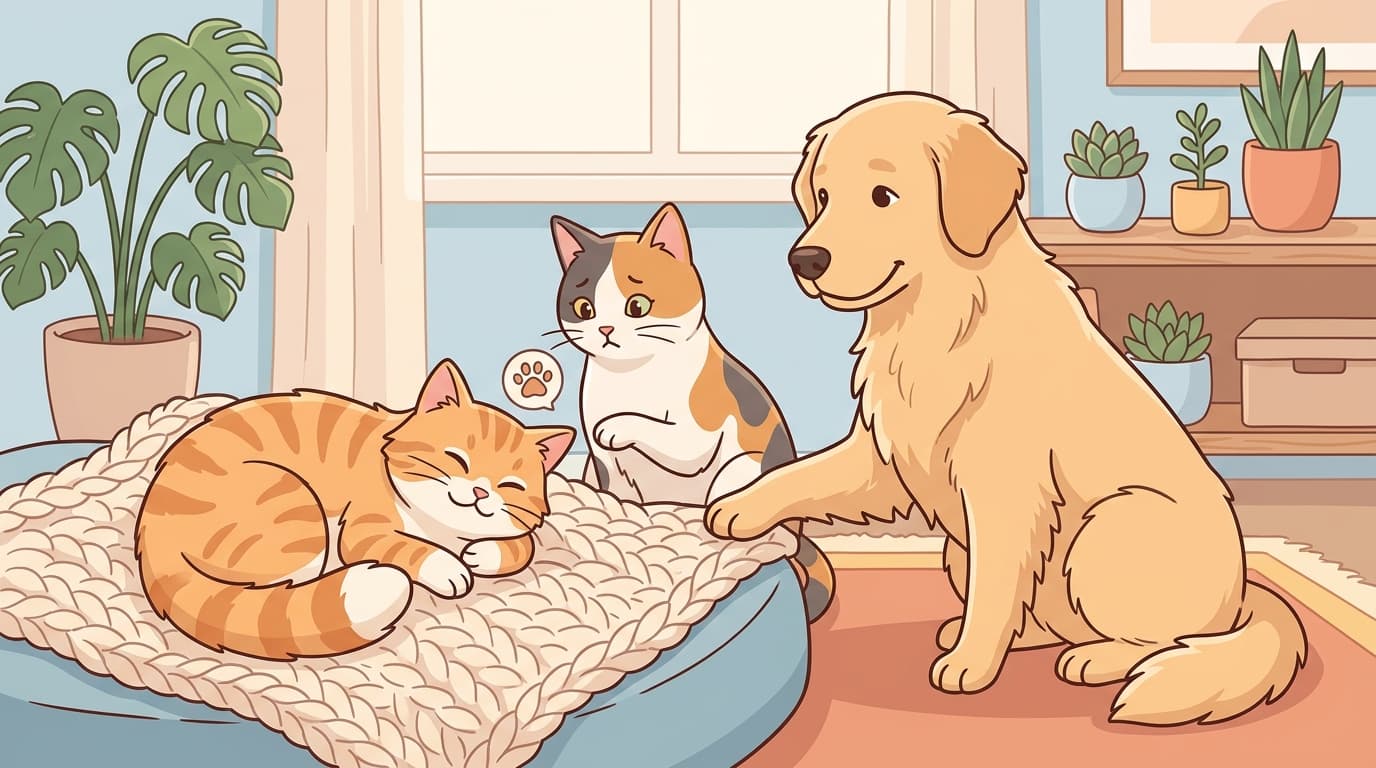 № 110
№ 110Cats hide illness. Learn 12 subtle warning signs—weight loss, thirst, litter box changes, hiding, breathing issues, and more.
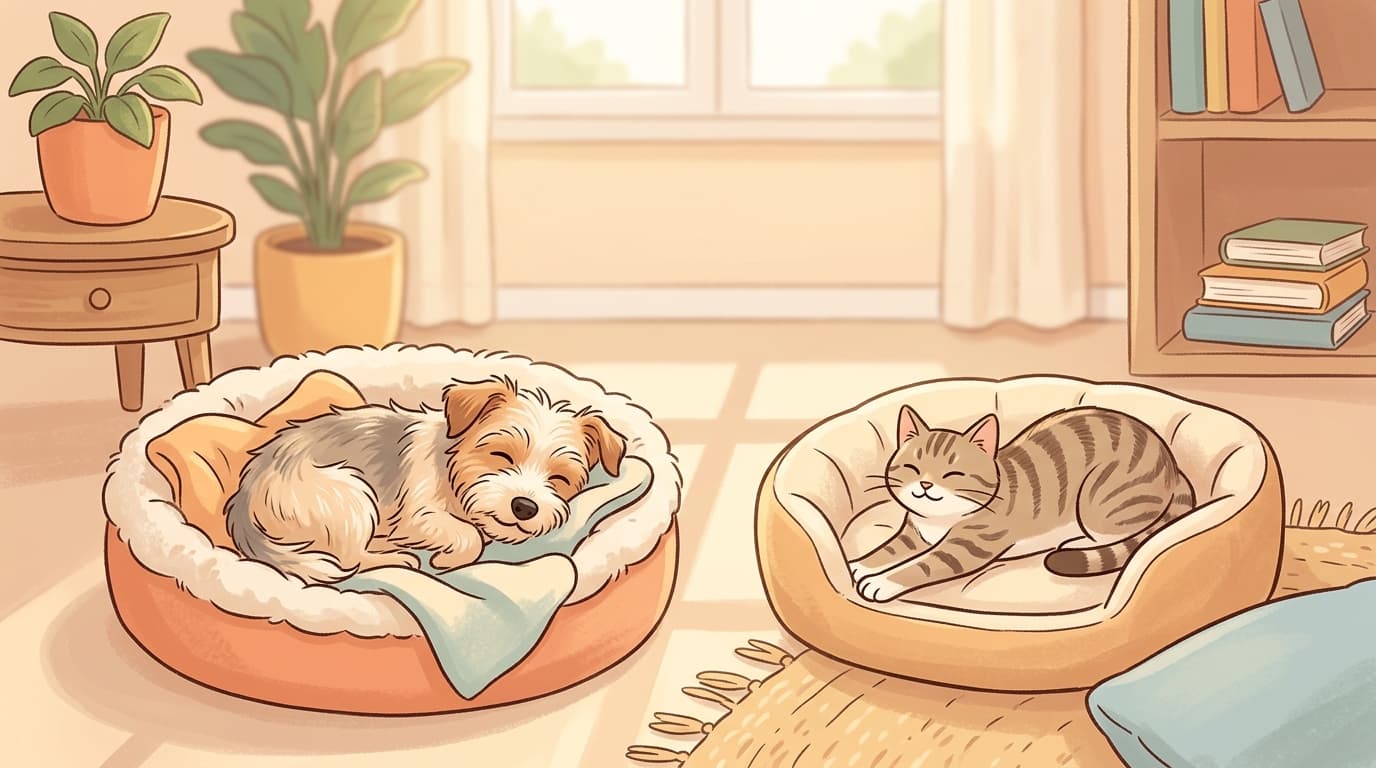 № 111
№ 111A too-small bed, the wrong spot, and over-washing can keep your dog tense. Fix these dog bed mistakes for deeper, calmer sleep.
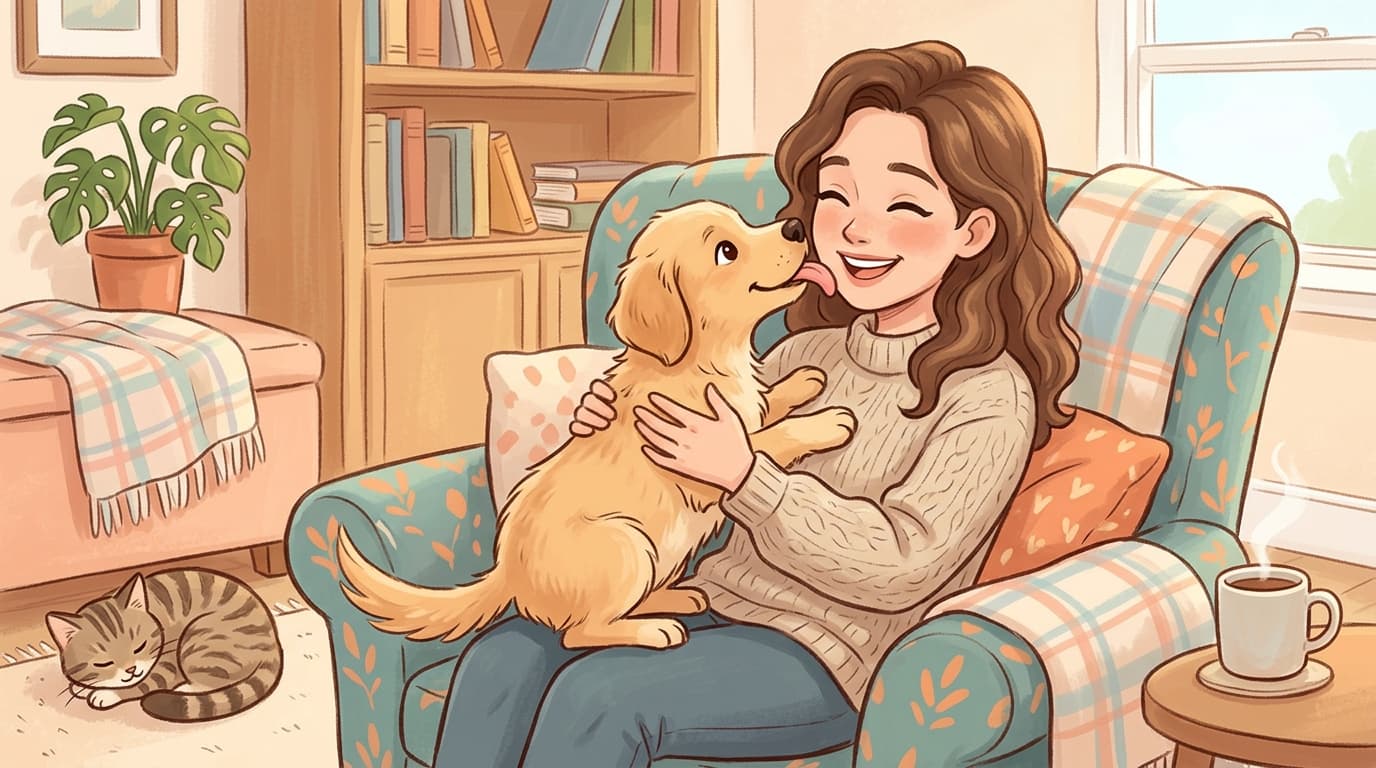 № 112
№ 112Your dog’s licking isn’t always “kisses.” Learn the 7 common lick messages—bonding, investigating, stress, and the one spot you shouldn’t ignore.
 № 113
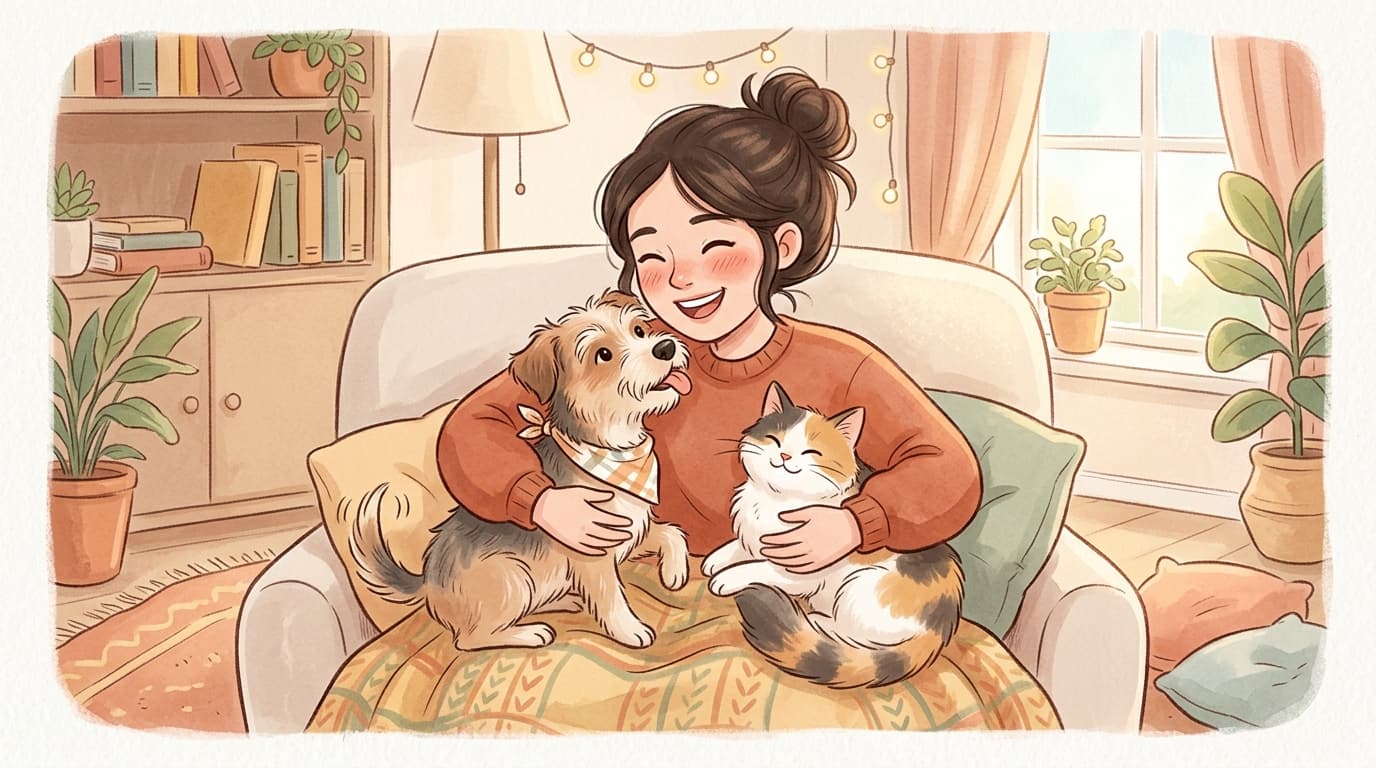
№ 113Attachment theory and oxytocin explain why your pet feels like family—plus how to love them deeply without humanizing them.
 № 114
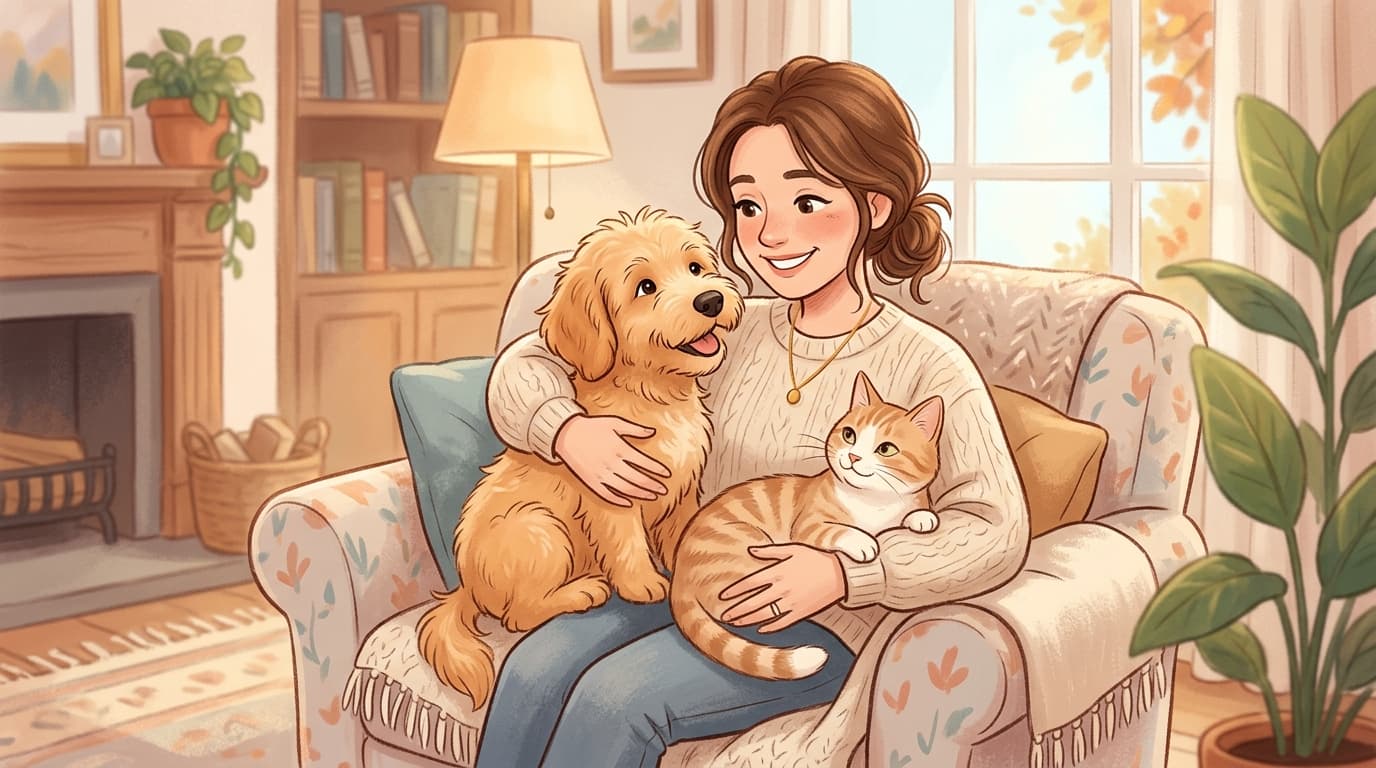
№ 114Attachment theory and oxytocin explain why pets feel like family—and how to love them deeply without humanizing them.
 № 115
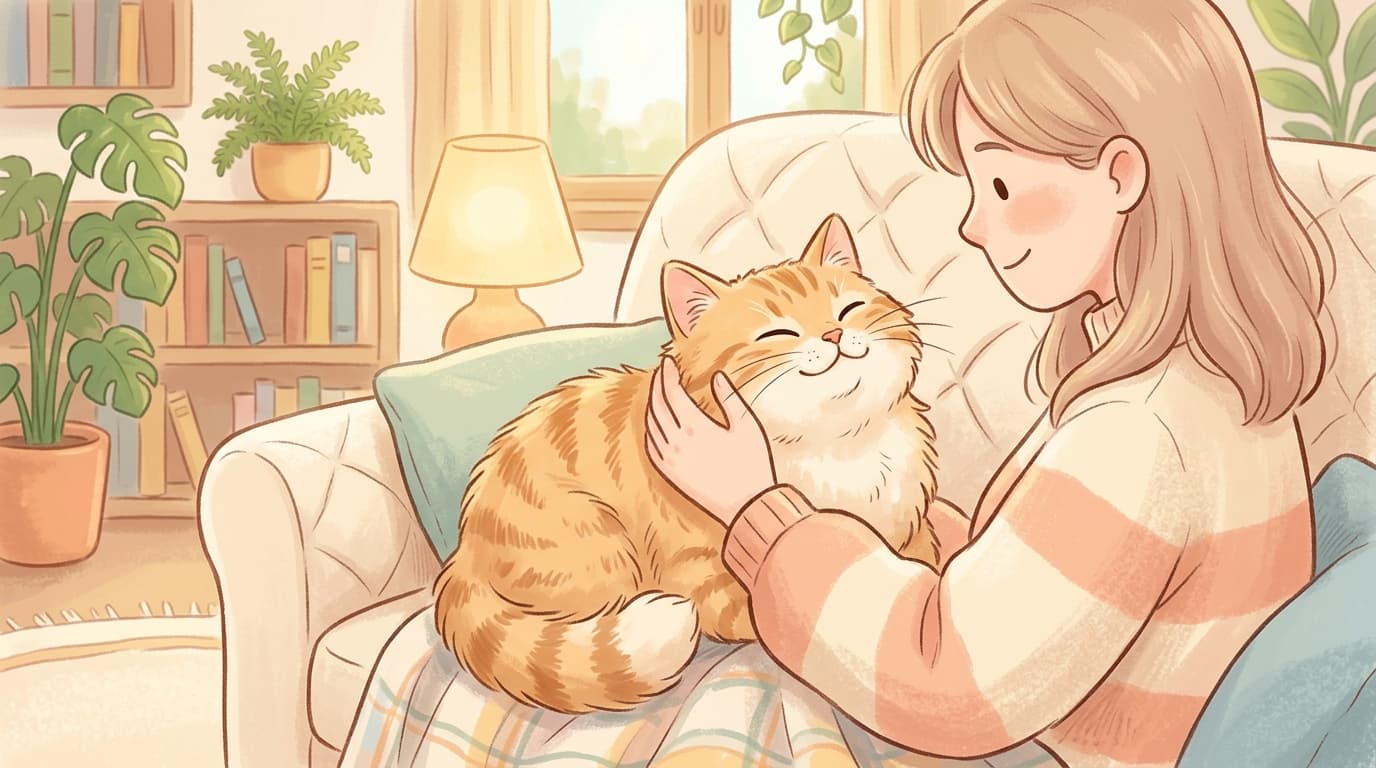
№ 115Your cat reads petting as scent-sharing and stimulation. Learn where to touch, when to stop, and how to let your cat lead contact.
 № 116
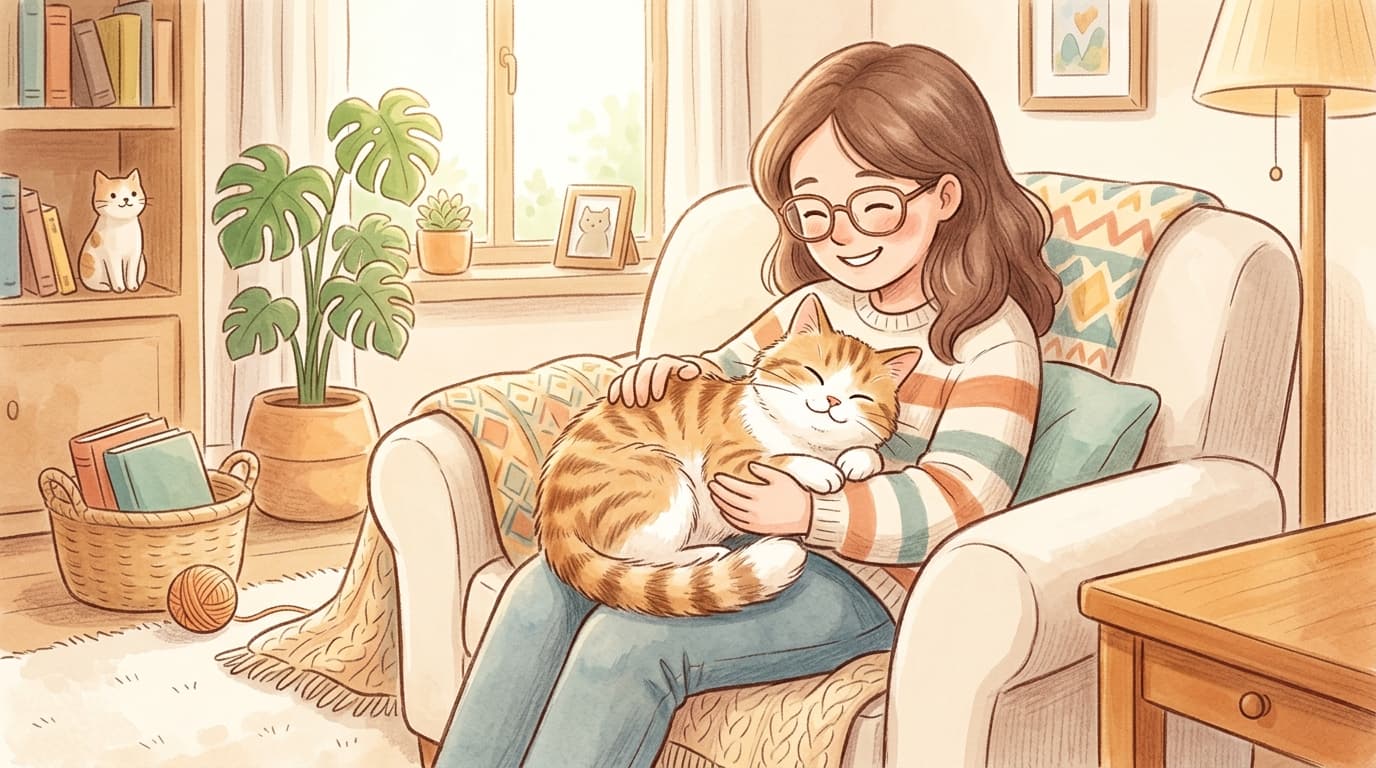
№ 116From tail-up greetings to sleeping on your clothes, these 15 behaviors can reveal a deep, family-level bond with your cat.
 № 117
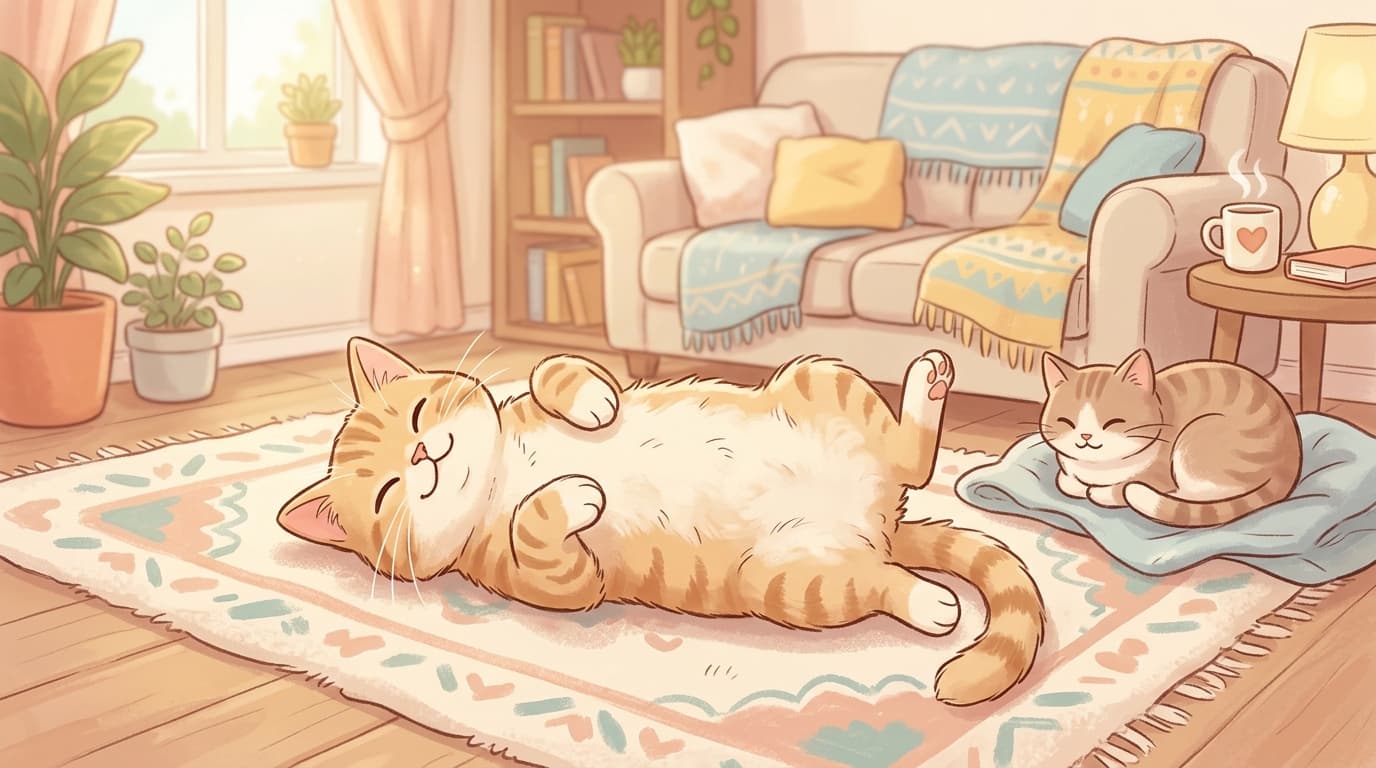
№ 117A cat belly display can mean trust, stress, or cooling off. Learn the body language signs so you don’t get scratched.
 № 118
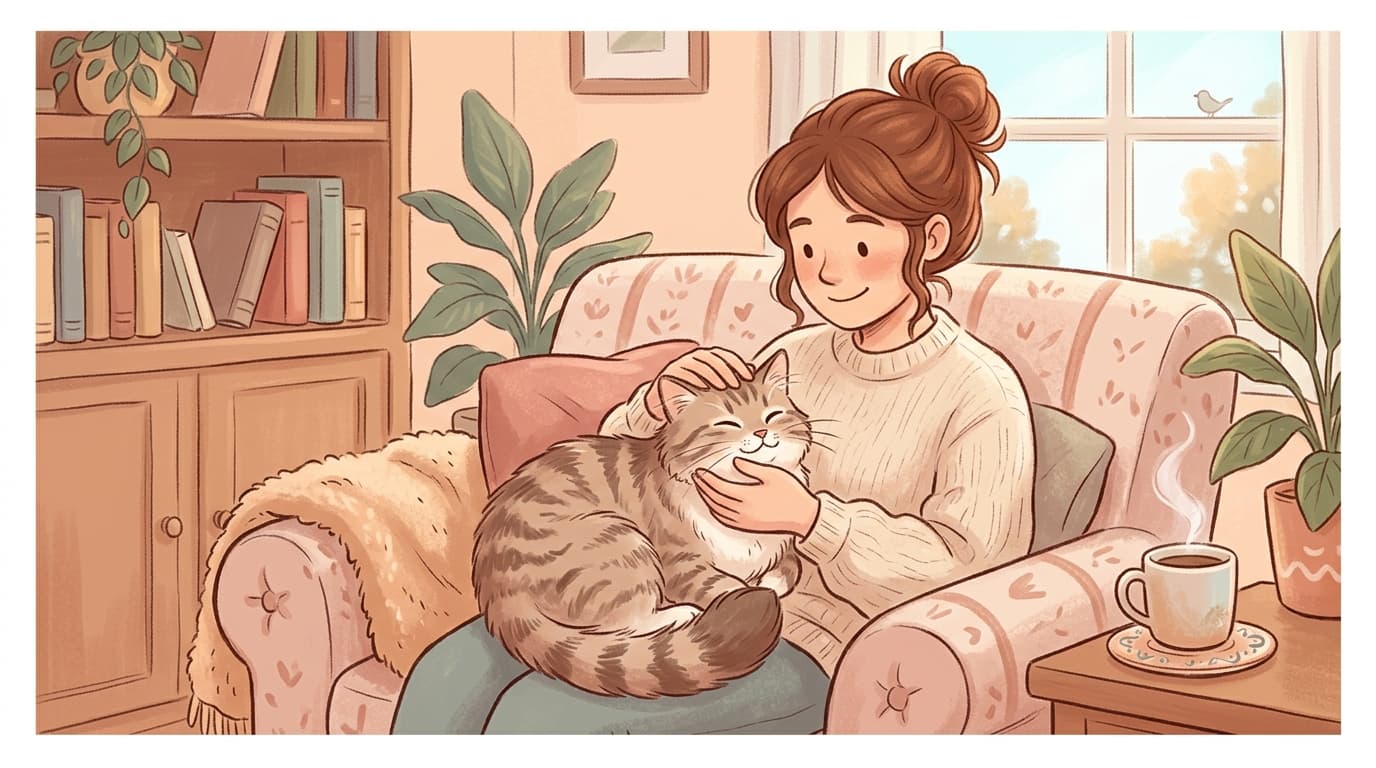
№ 118From tail-tremble greetings to head bumps, these 10 behaviors suggest your cat trusts you like a mother figure.
 № 119
№ 119Meet the 3 strongest dogs in the world—Kangal, English Mastiff, and Rottweiler—and see how their power compares to a lion.
 № 120
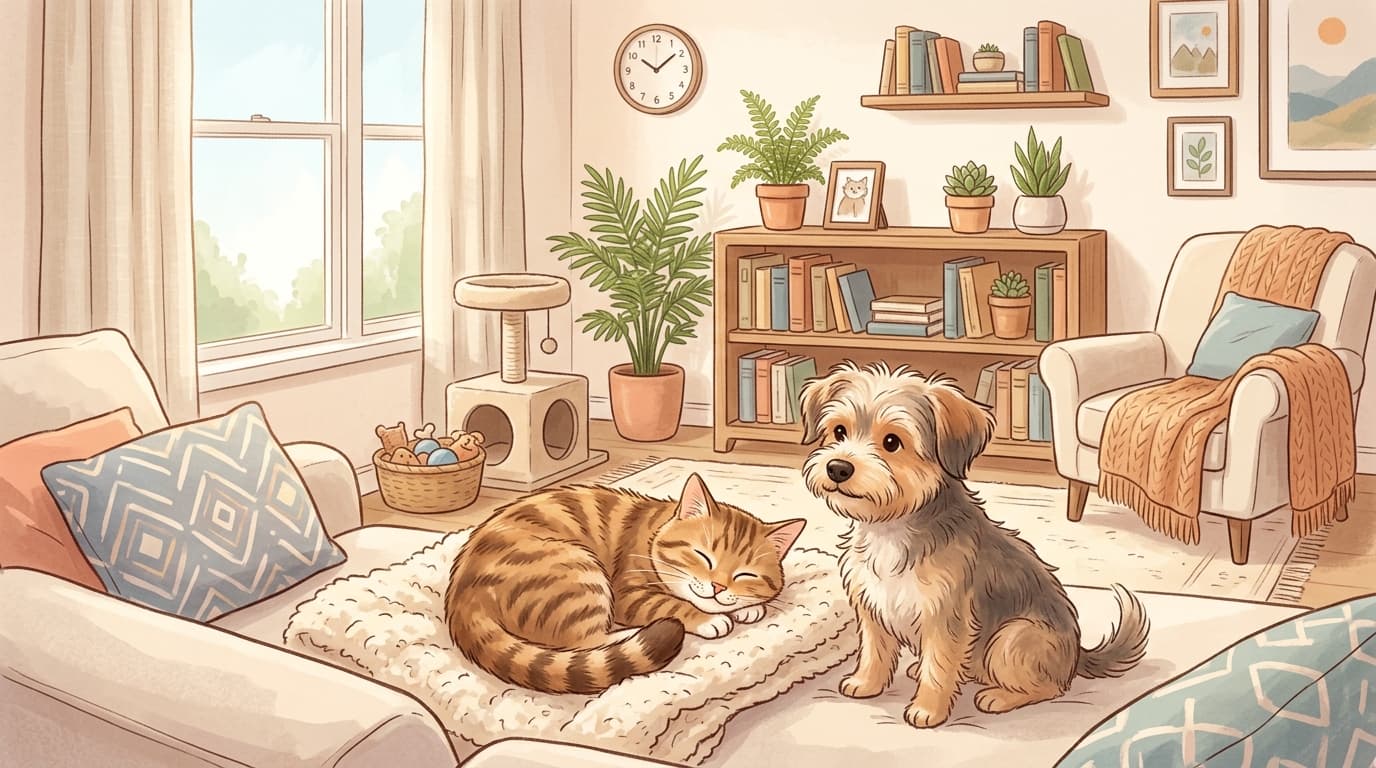
№ 120Cats are independent, but not indifferent. Learn how long cats can be alone—and 5 simple ways to reduce stress while you’re gone.