
 № 121
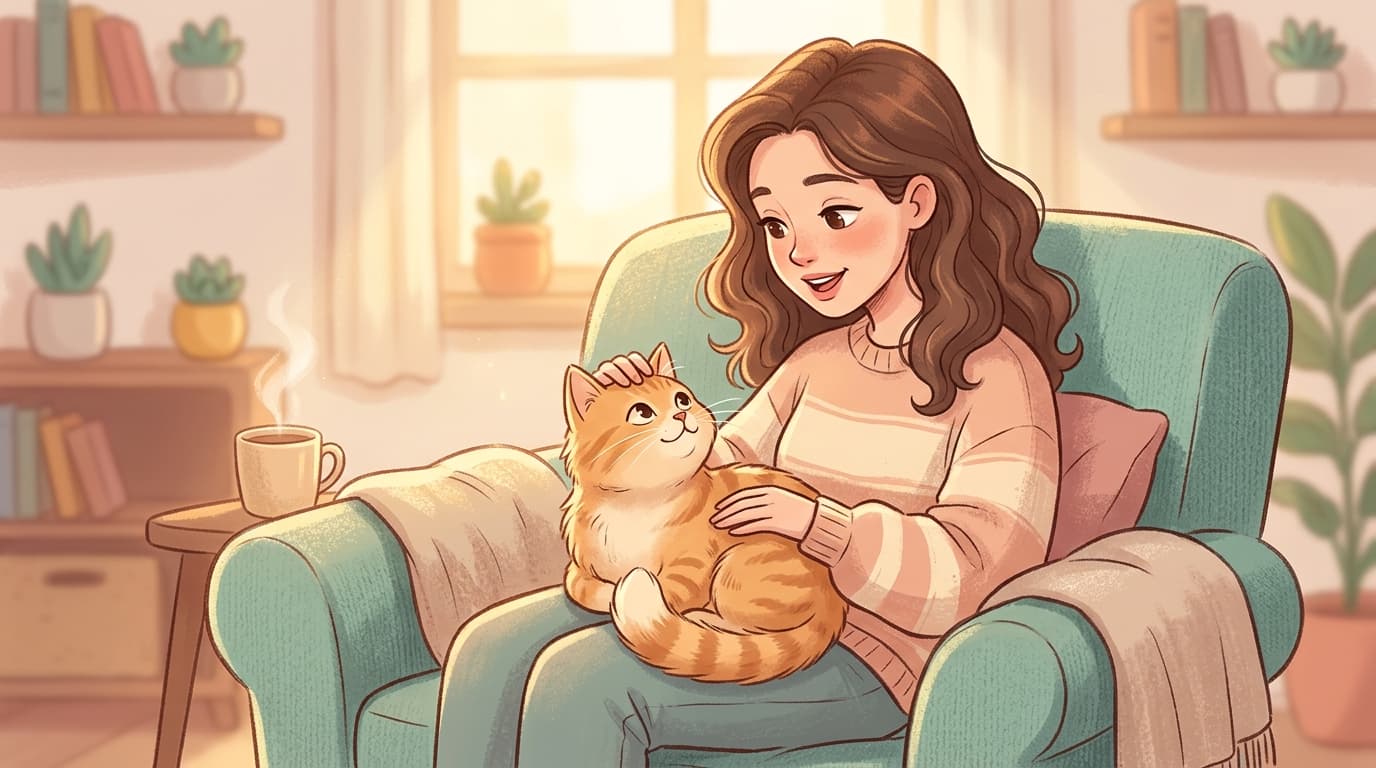
№ 121Why Talking to Your Cat Builds Trust (Even If She Doesn’t Understand the Words)
Your cat may not understand words, but your voice signals safety, routine, and emotion. Learn how talking builds a calmer, closer bond.
4 min read
§ Index
The complete reading room. Use a tag to narrow the list, or search directly.
№ 121Your cat may not understand words, but your voice signals safety, routine, and emotion. Learn how talking builds a calmer, closer bond.
 № 122
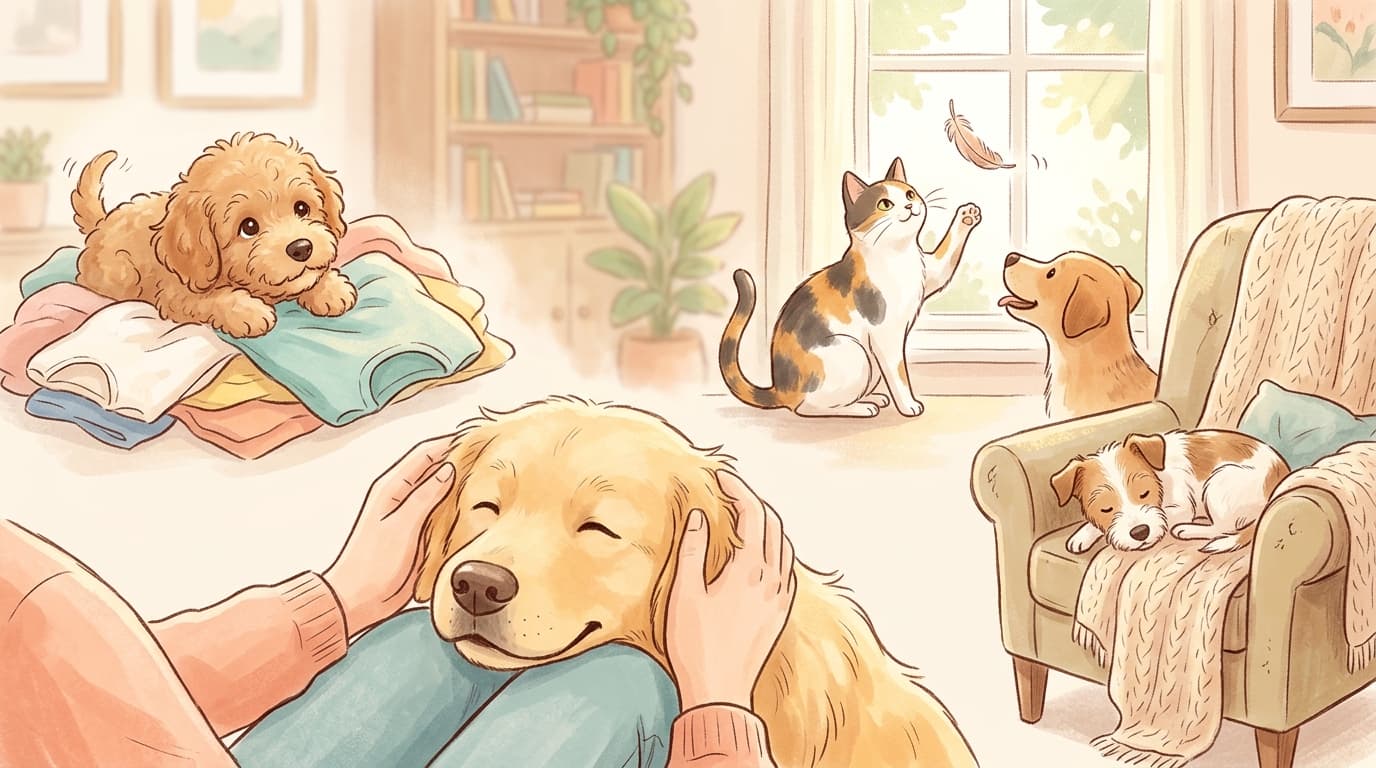
№ 122From “sniff walks” to quiet togetherness, these simple habits can make your dog feel calmer, safer, and more connected to you.
 № 123
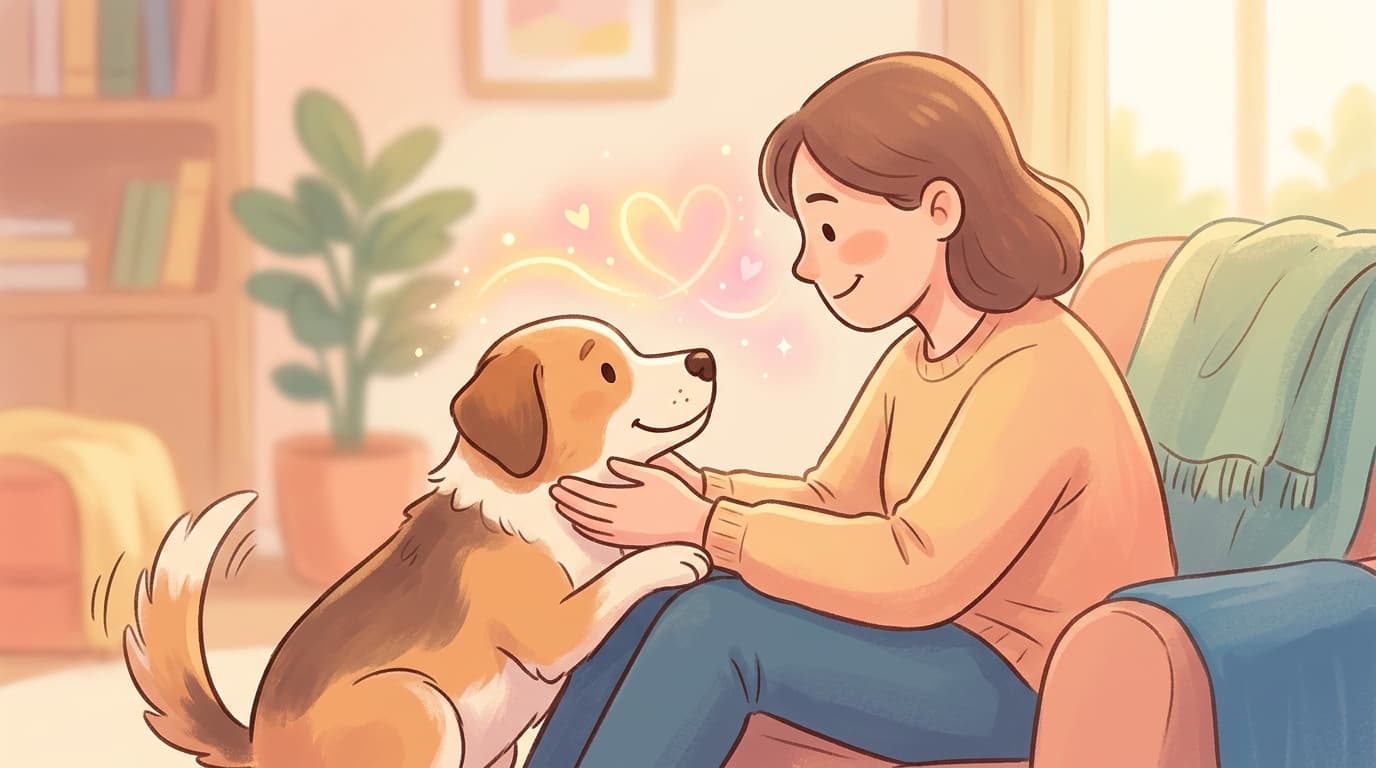
№ 123That intense dog eye contact can trigger an oxytocin “bond loop” in both of you—one reason your connection feels so strong.
 № 124
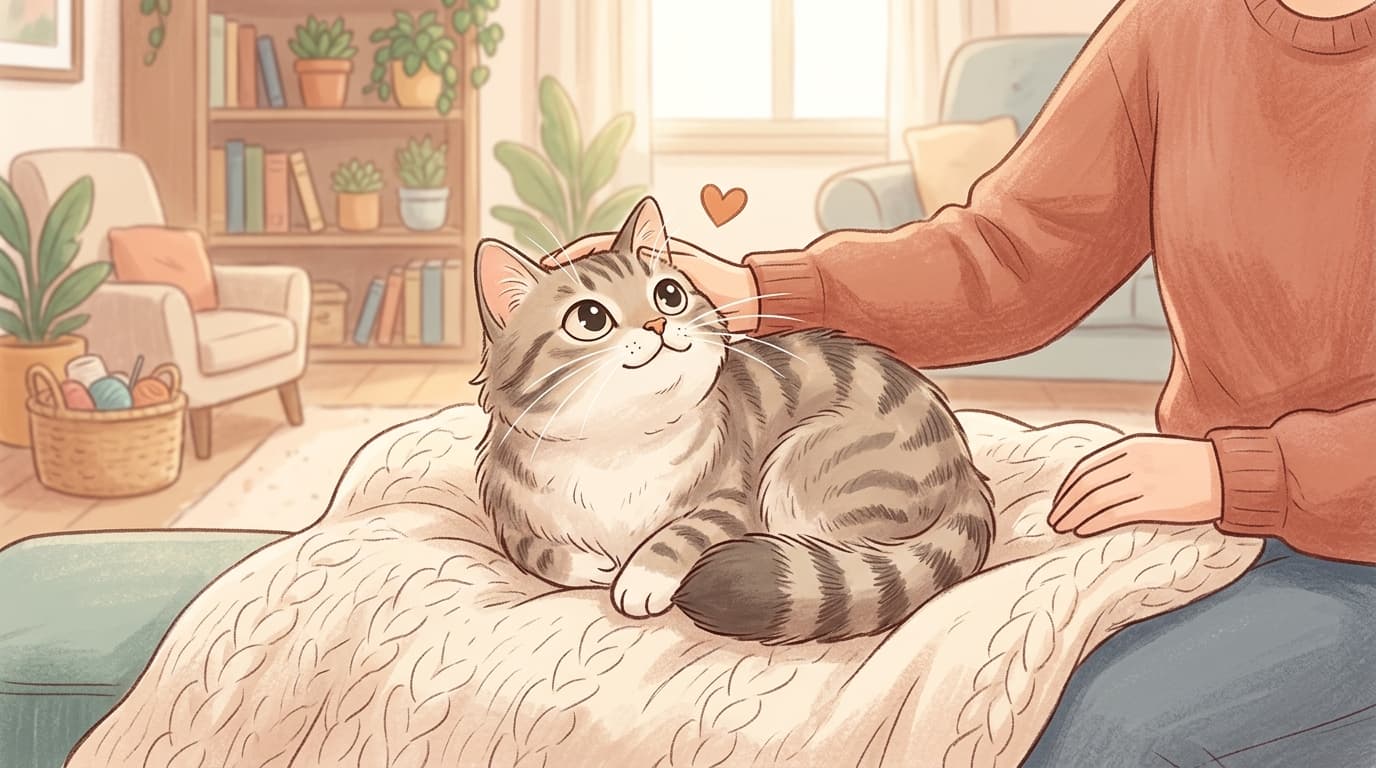
№ 124Cats don’t see you as a big clumsy cat. To them, you’re a steady source of safety, scent-family, and predictable comfort.
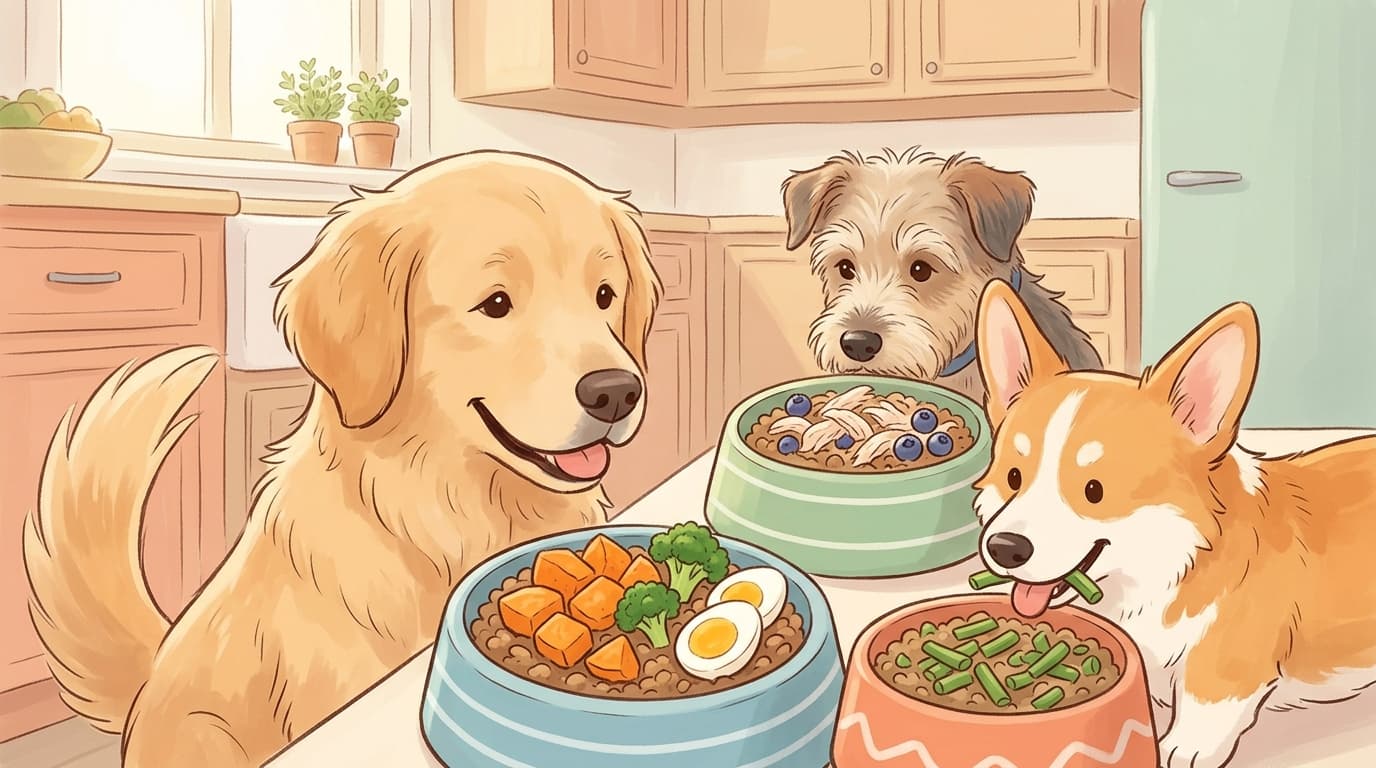 № 125
№ 125From pumpkin to sardines, these 11 human foods can support digestion, skin, joints, teeth, and brain health in dogs.
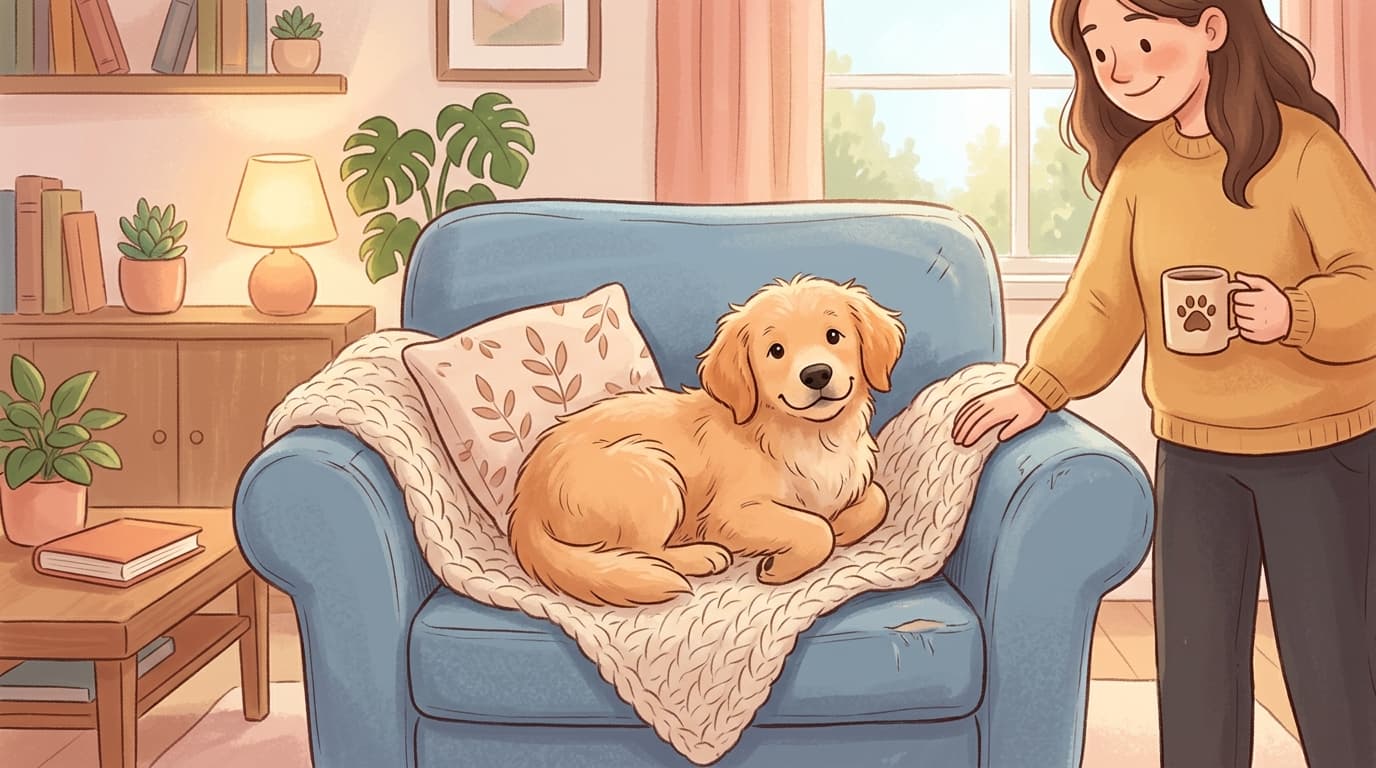 № 126
№ 126Your dog isn’t being rude when they take your spot. Here are the scent, comfort, and attachment reasons dogs “steal” your seat.
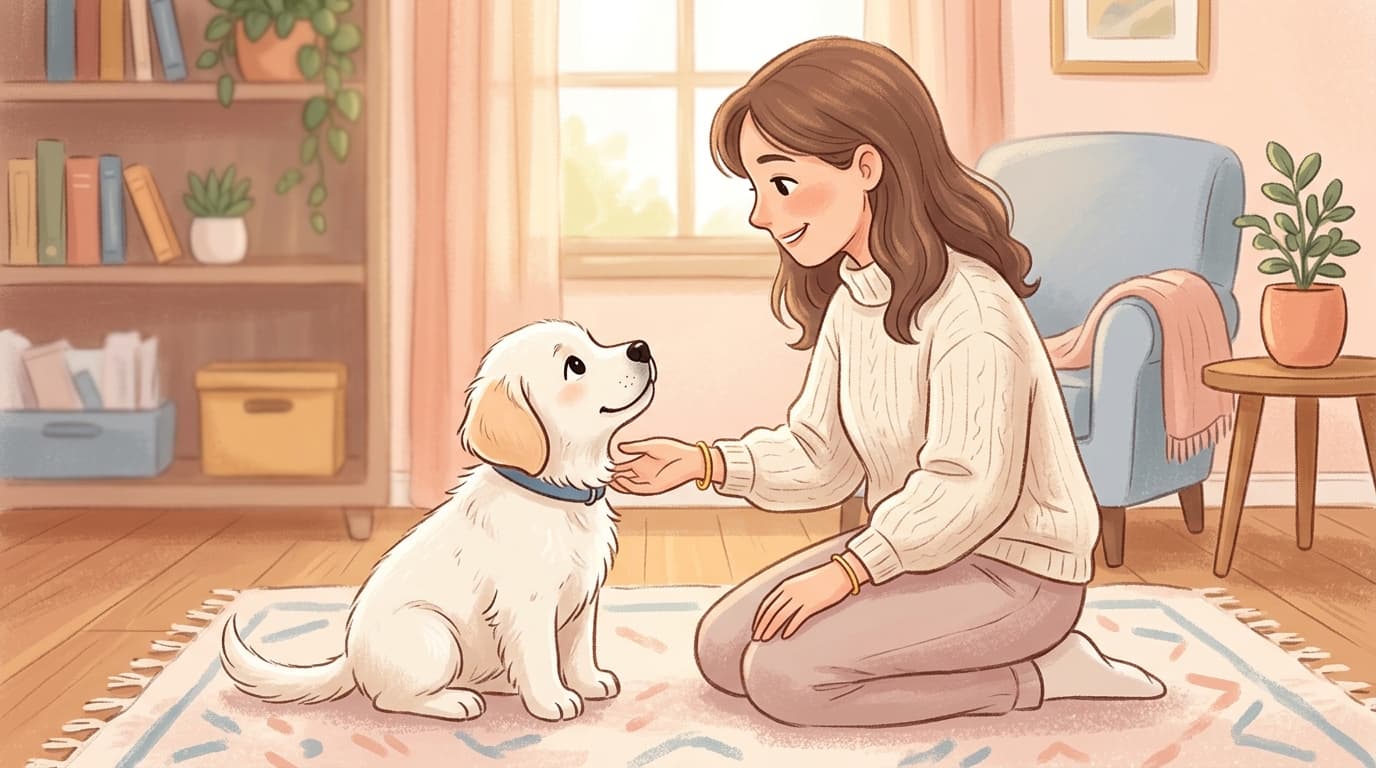 № 127
№ 127Your dog judges you in quiet moments—fear, nudges, mistakes, walks, and pain. Small responses shape trust more than you think.
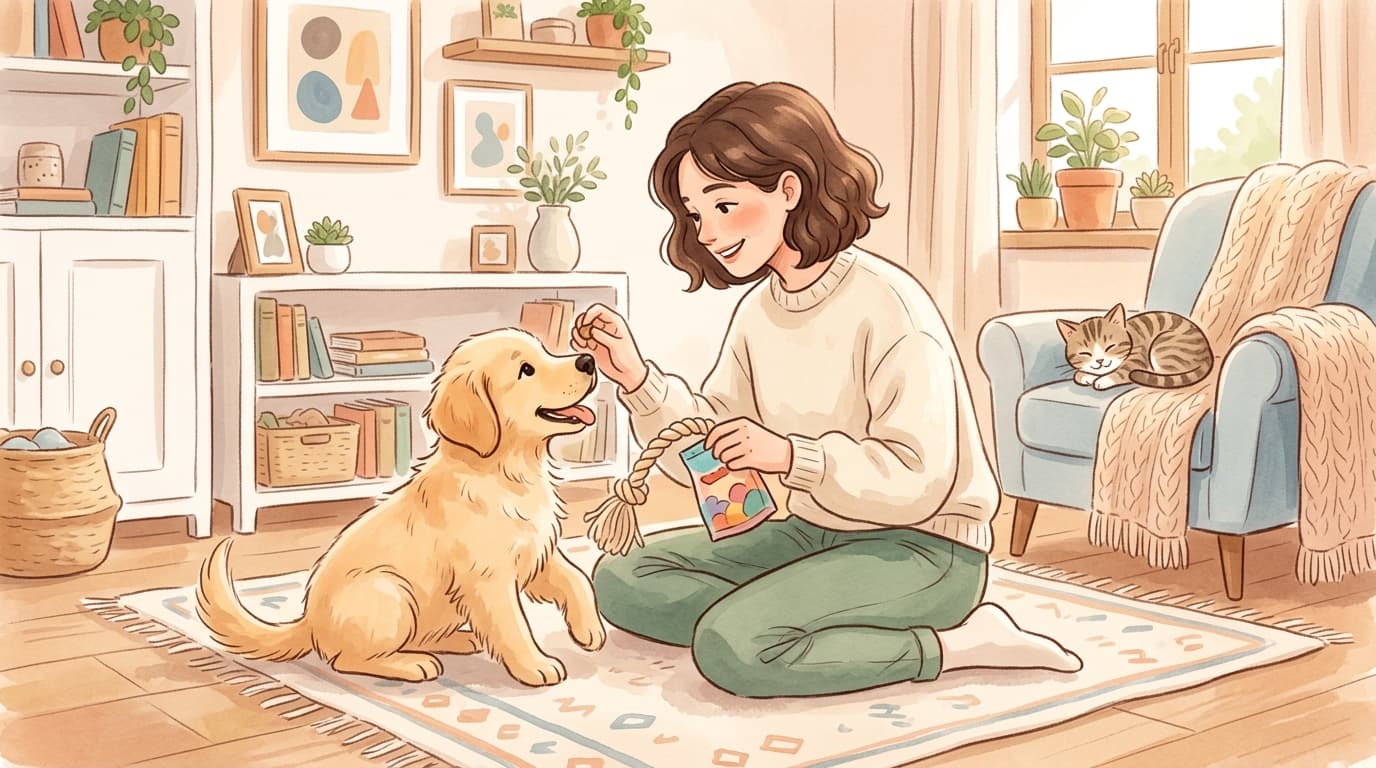 № 128
№ 128A new survey suggests dog training choices reflect our ethics, not just what “works.” Here’s why punishment persists and what to do instead.
 № 129
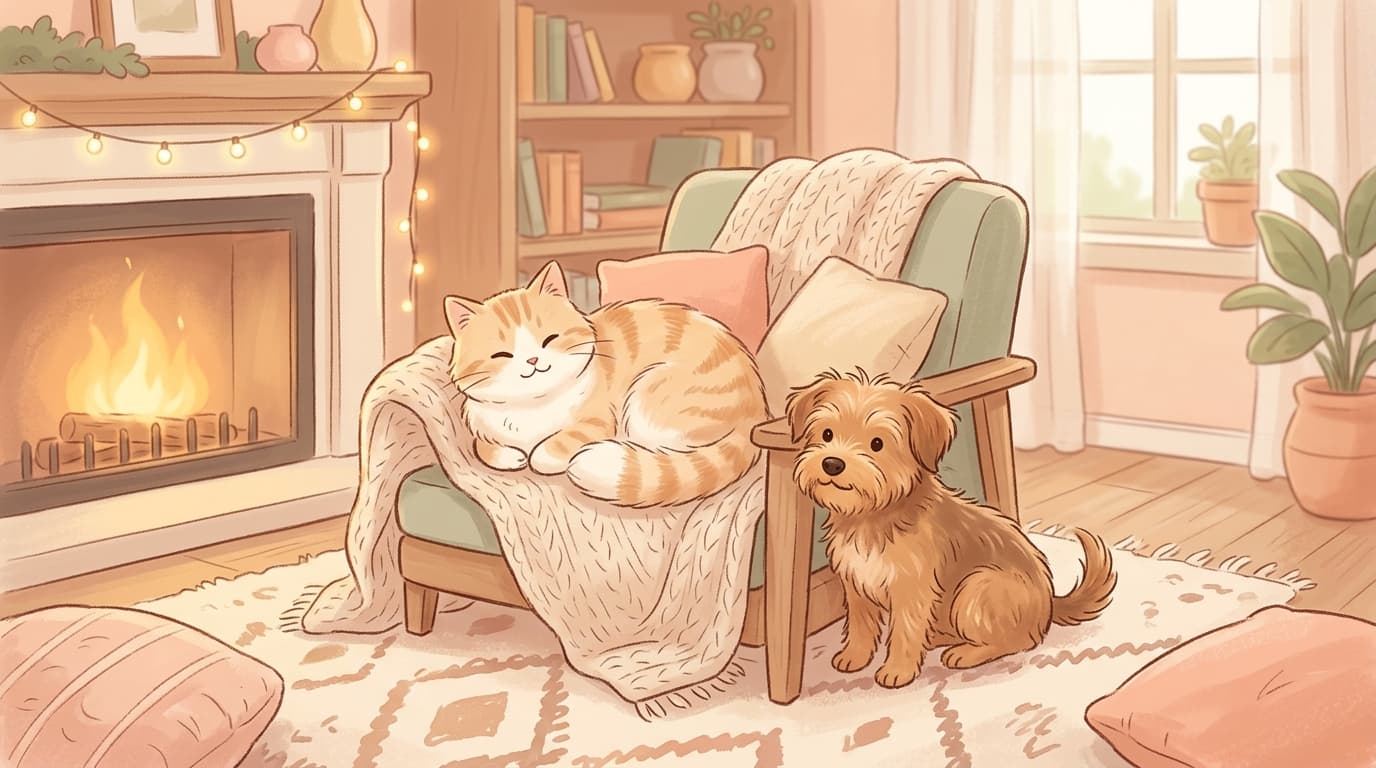
№ 129From forced cuddles to essential oils, these everyday habits can stress your cat. Here are 10 things to stop doing starting today.
 № 130
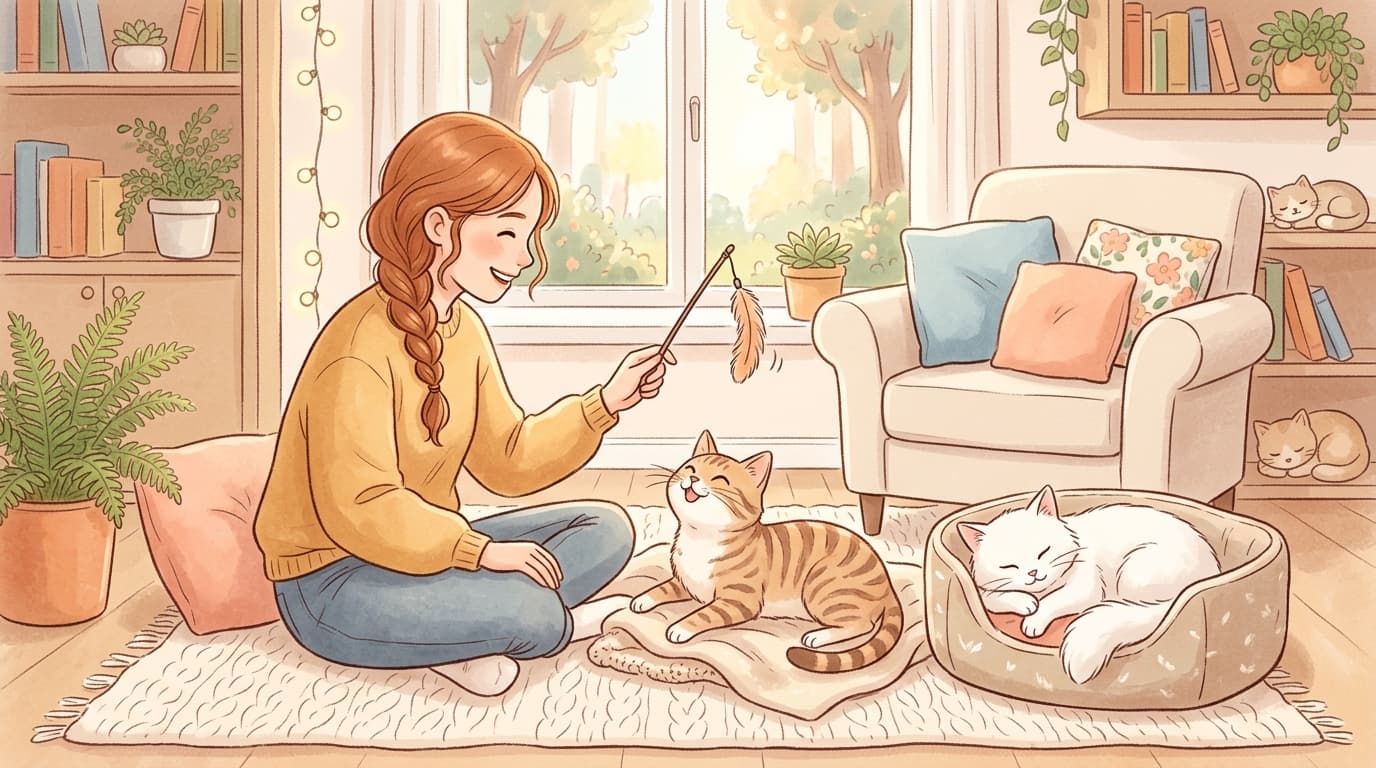
№ 130From forced hugs to strong scents, these common habits can damage trust. Fix them and your cat will feel safer around you.
 № 131
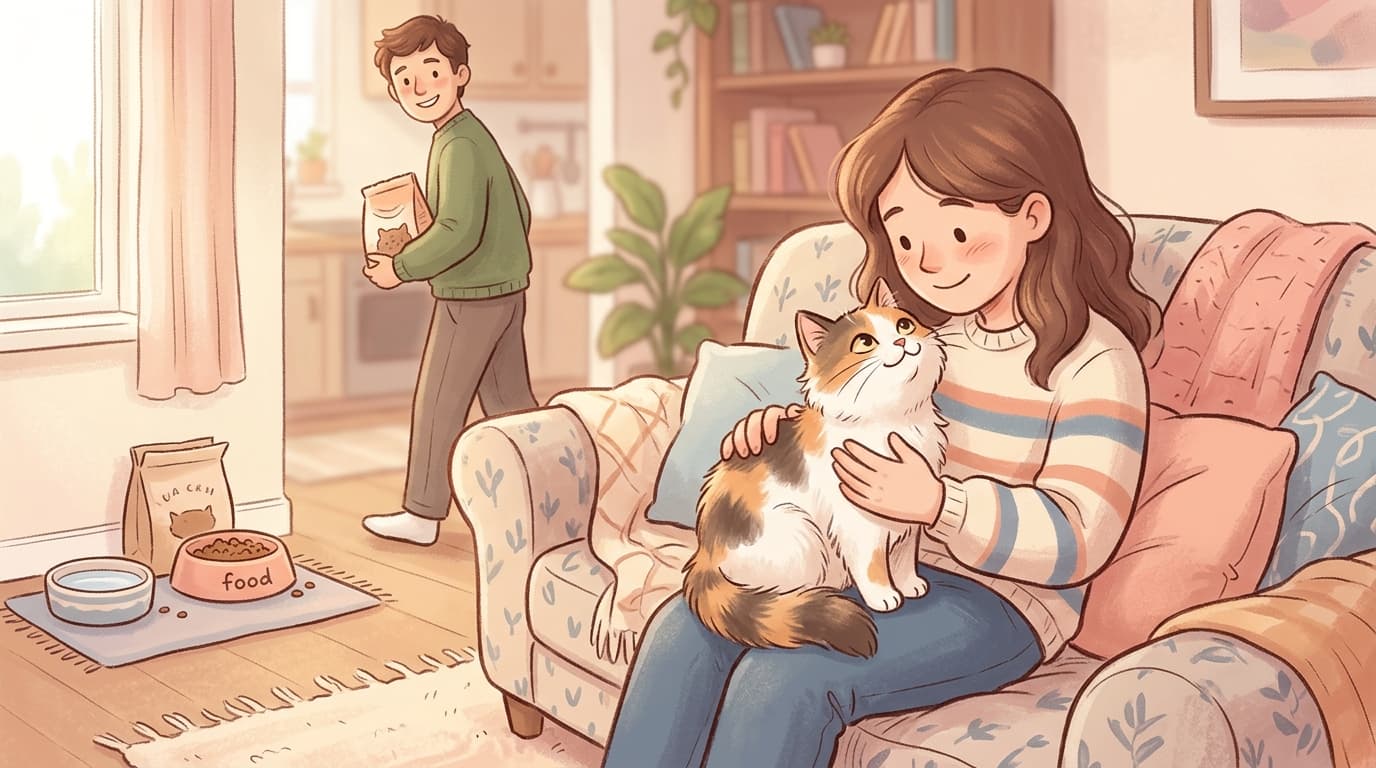
№ 131Your cat’s favorite person usually isn’t the “food human.” It’s the one who feels safest, calmest, and most predictable to be around.
 № 132
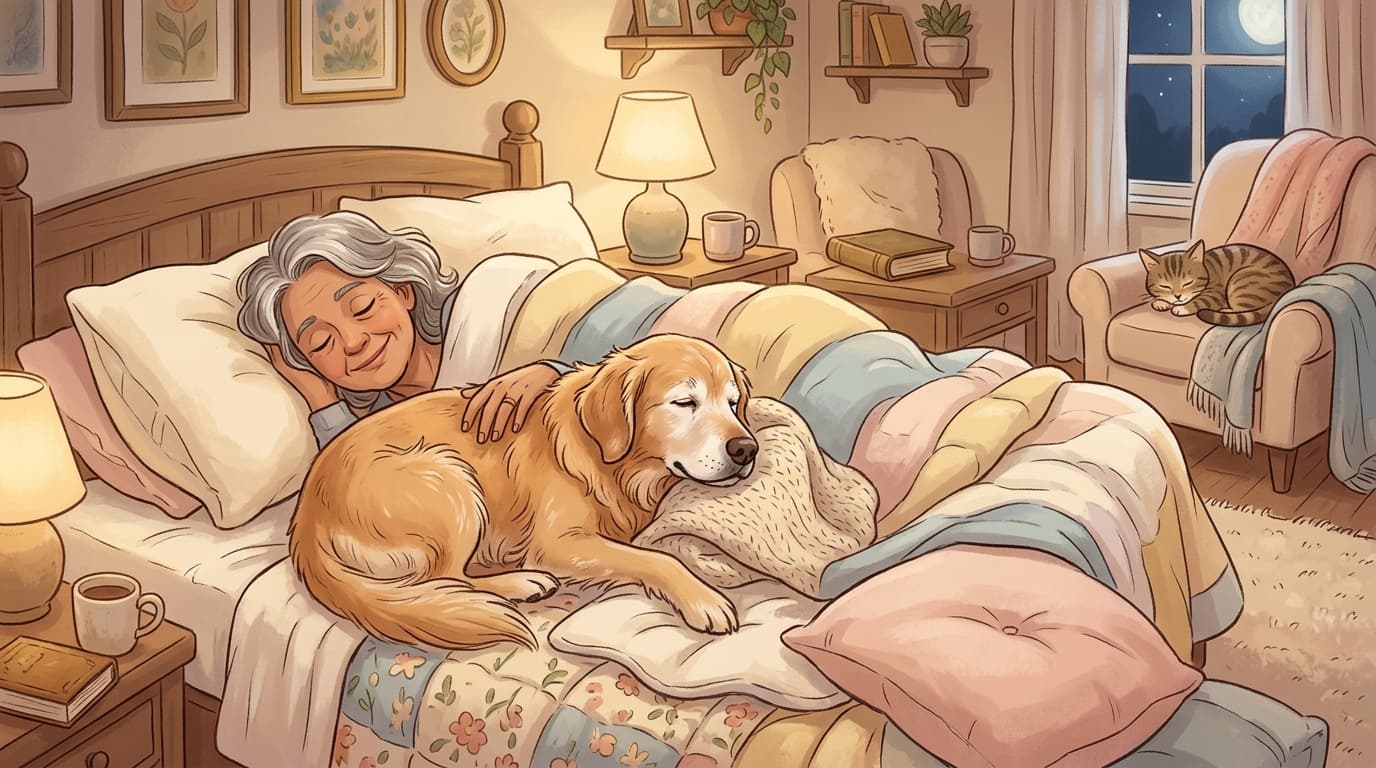
№ 132If you’re over 50 and your dog sleeps with you, it’s more than comfort—it’s trust, bonding chemistry, and a nightly security ritual.