
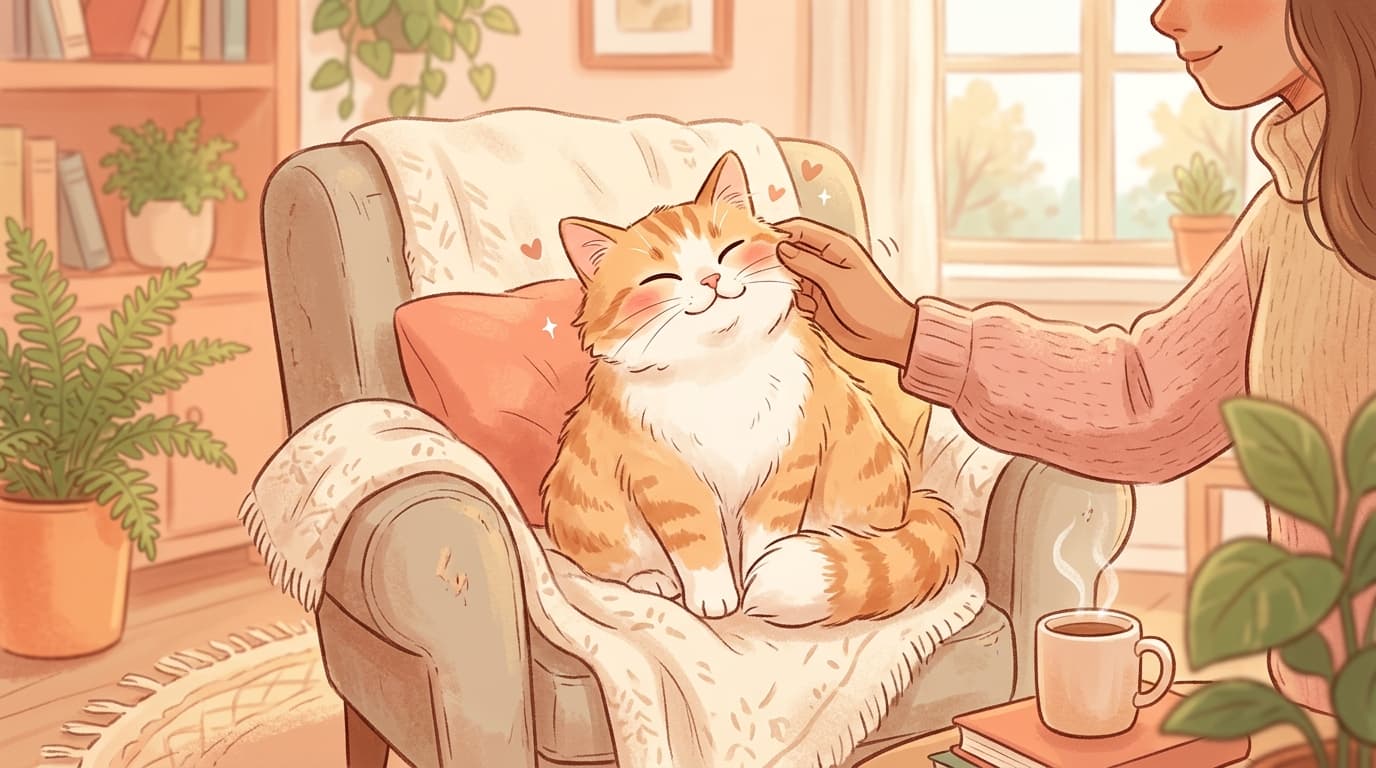
 № 49
№ 49Your Cat Doesn’t Experience Petting Like You Think (And How to Touch Them the Way They Actually Love)
For cats, “petting” feels like social grooming. Learn where to touch, what to avoid, and how to prevent overstimulation bites.
5 min read
§ Index
№ 49For cats, “petting” feels like social grooming. Learn where to touch, what to avoid, and how to prevent overstimulation bites.
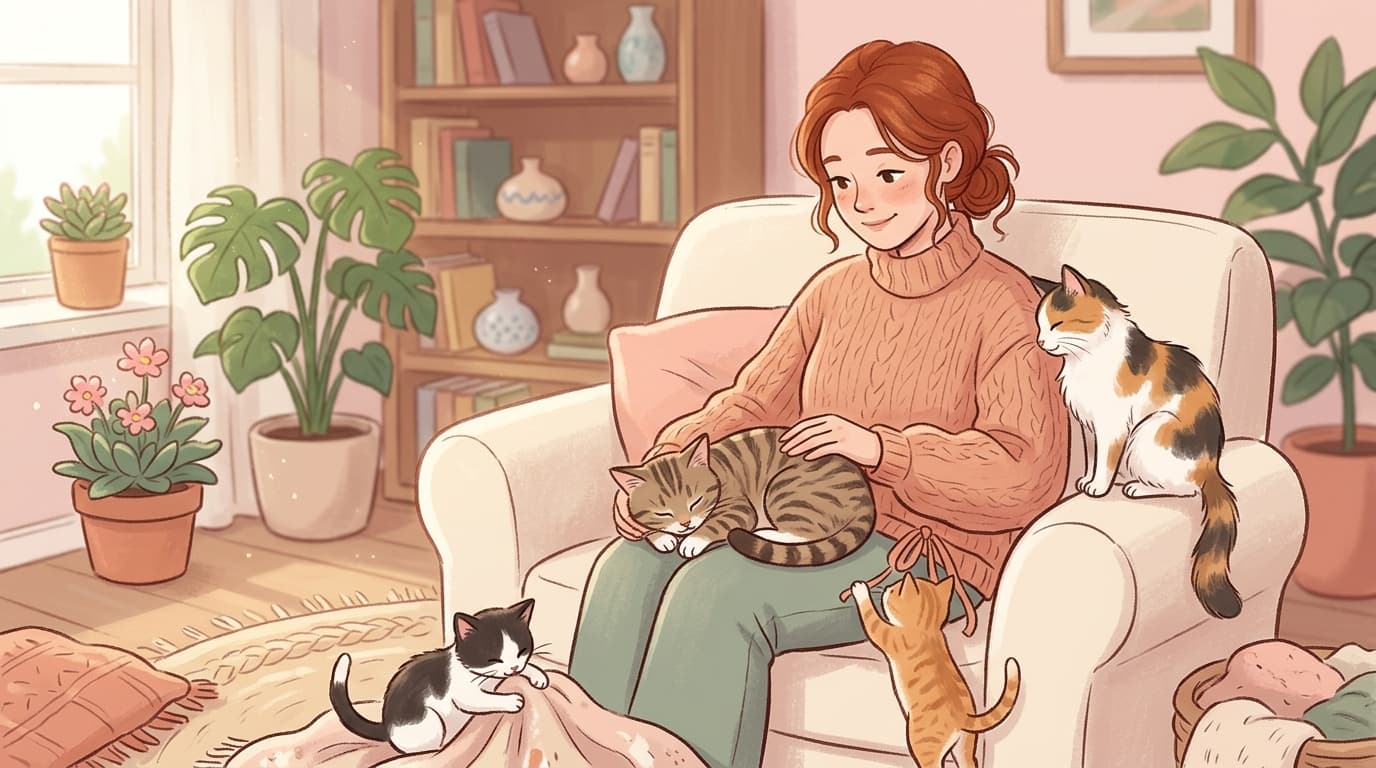 № 50
№ 50From kneading to greeting you at the door, these 5 behaviors can mean your cat sees you as their safe, mother-like figure.
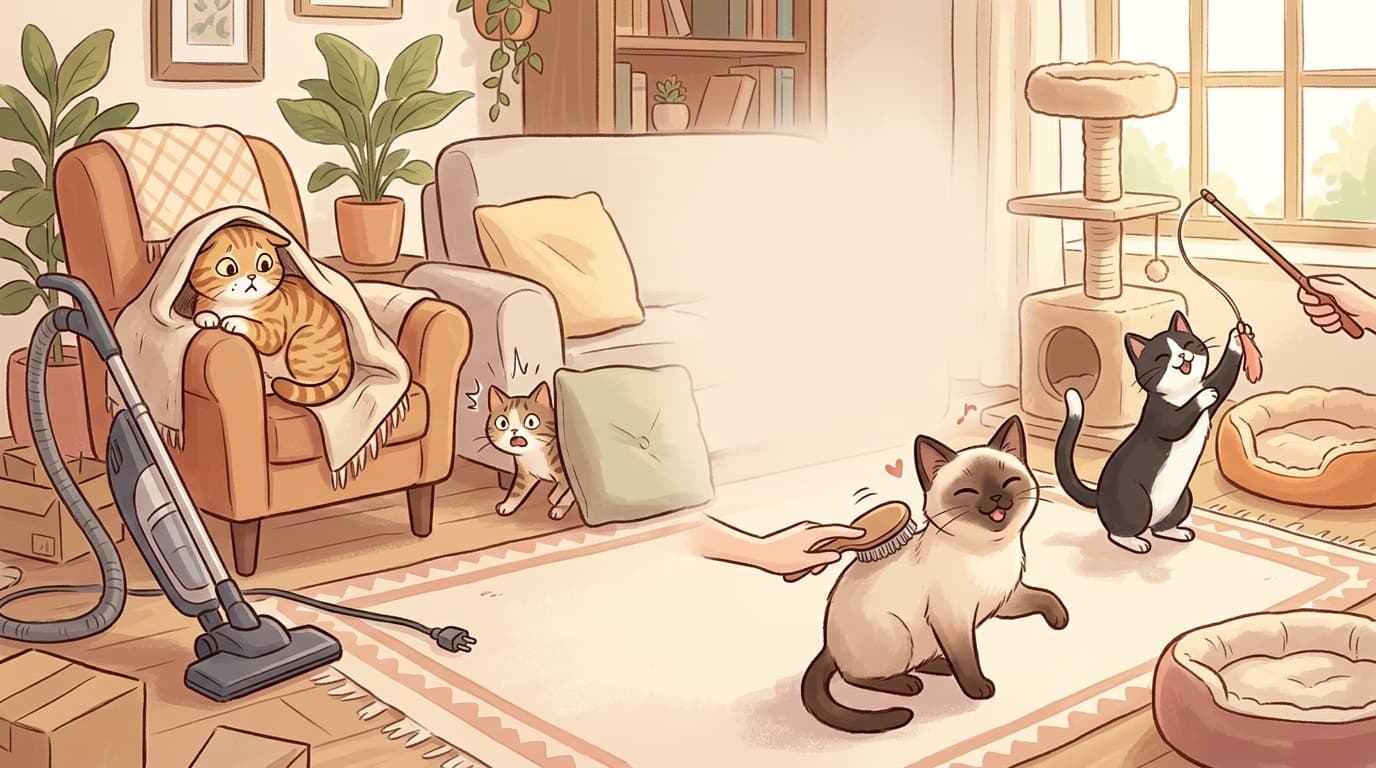 № 51
№ 51Common routines—yelling, boring days, dry-only food, wrong petting, bad litter spots, long absences—can quietly stress your cat.
 № 52
№ 52Cats hide illness. Learn 12 subtle warning signs—weight loss, thirst, litter box changes, hiding, breathing issues, and more.
 № 53
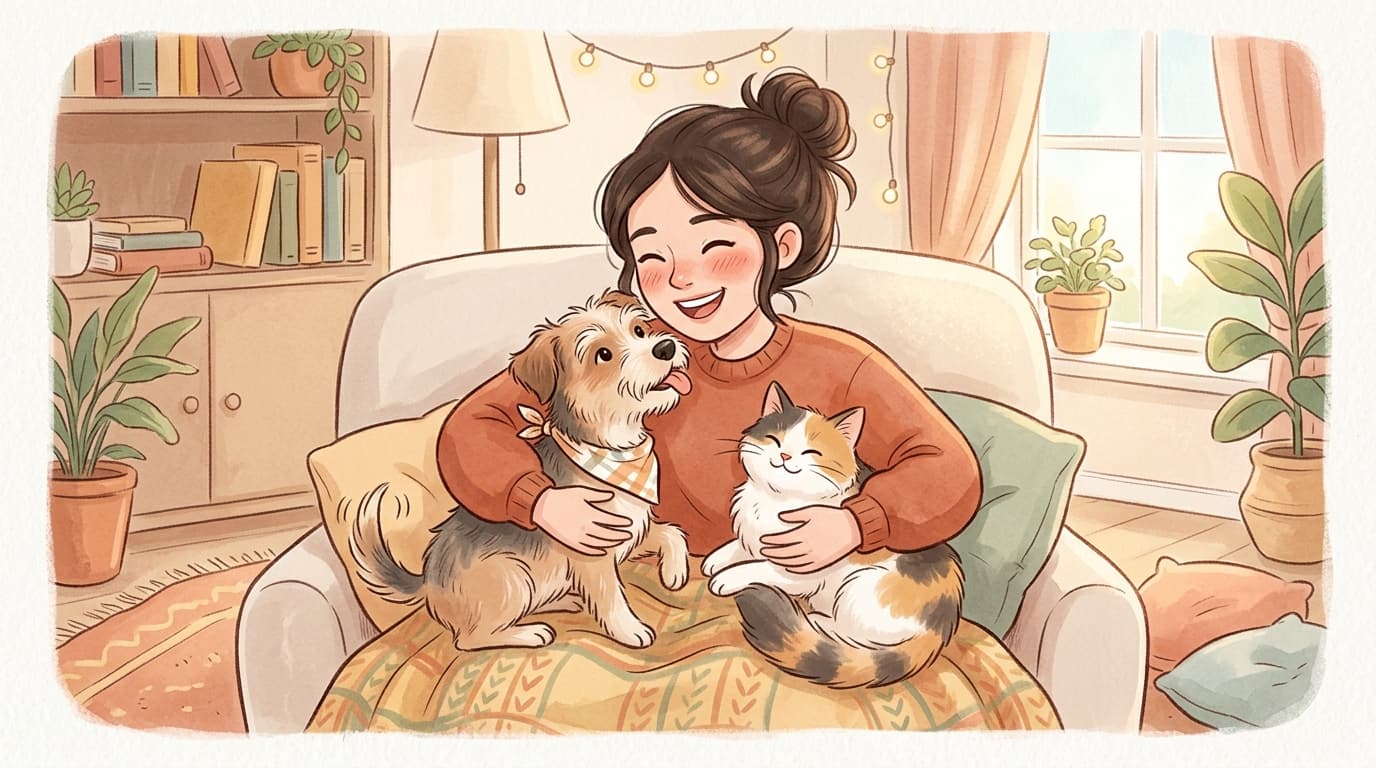
№ 53Attachment theory and oxytocin explain why your pet feels like family—plus how to love them deeply without humanizing them.
 № 54
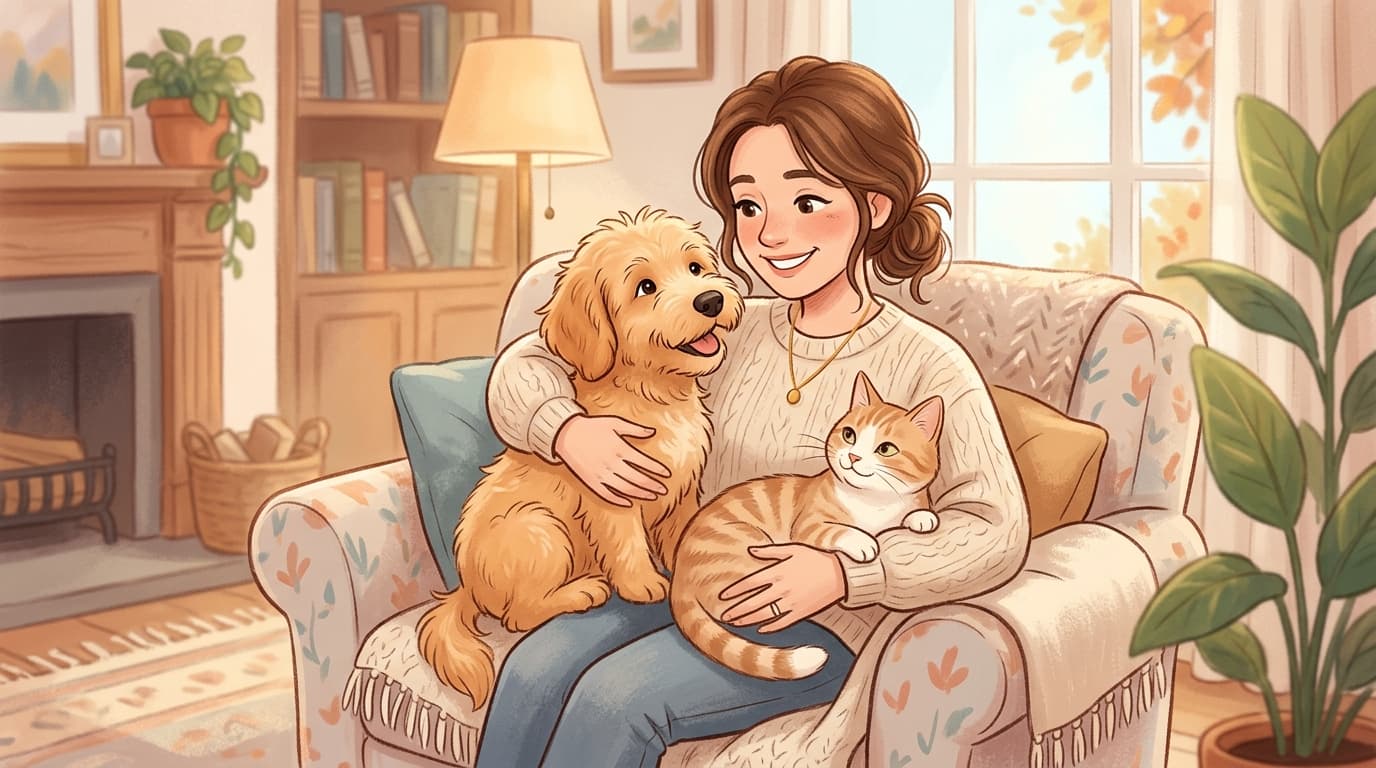
№ 54Attachment theory and oxytocin explain why pets feel like family—and how to love them deeply without humanizing them.
 № 55
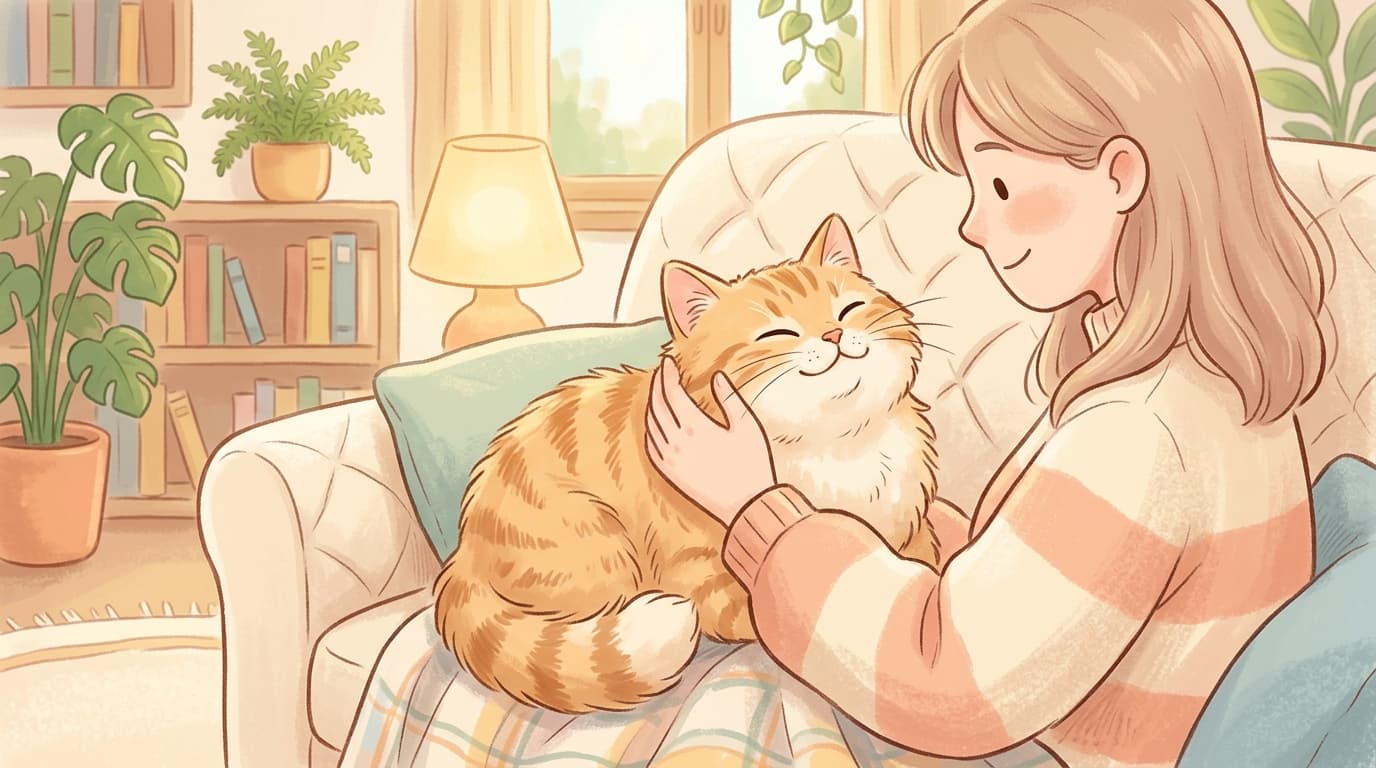
№ 55Your cat reads petting as scent-sharing and stimulation. Learn where to touch, when to stop, and how to let your cat lead contact.
 № 56
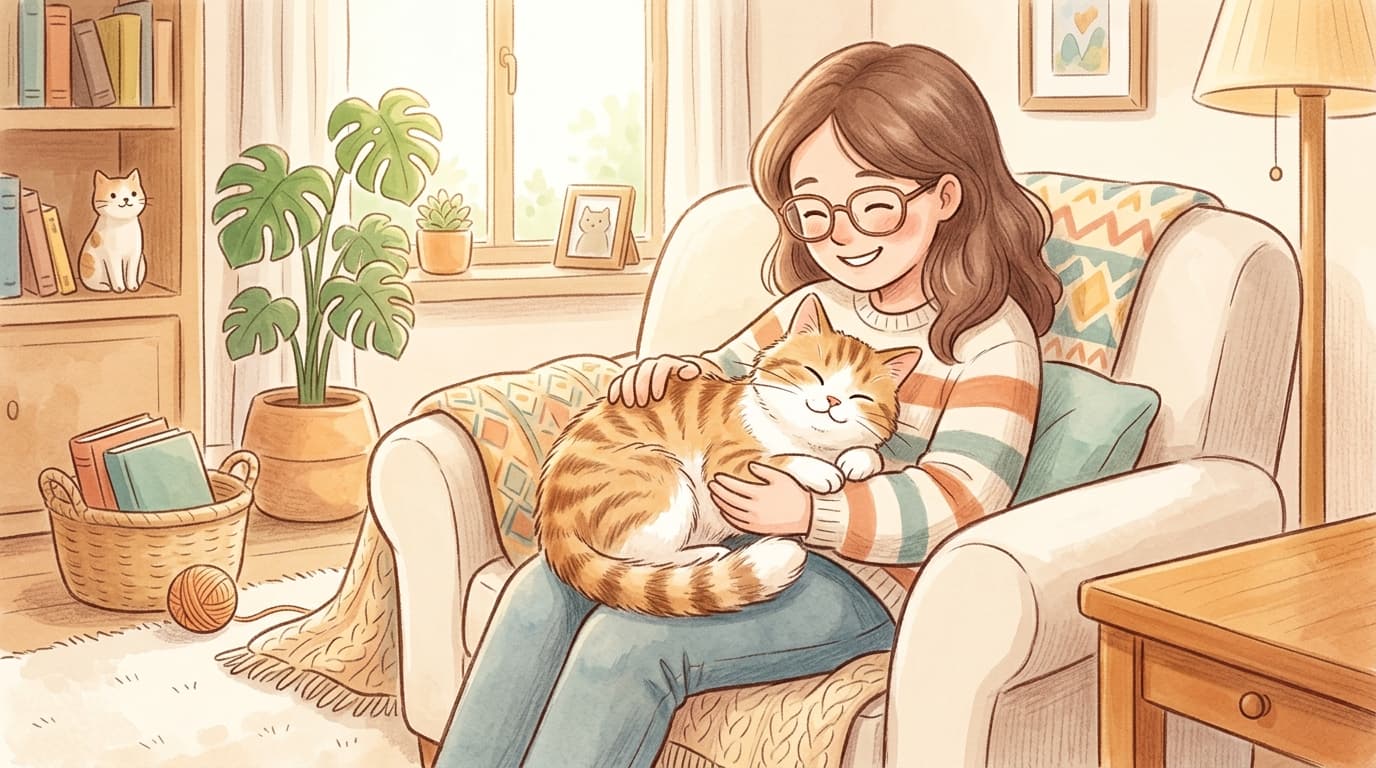
№ 56From tail-up greetings to sleeping on your clothes, these 15 behaviors can reveal a deep, family-level bond with your cat.
 № 57
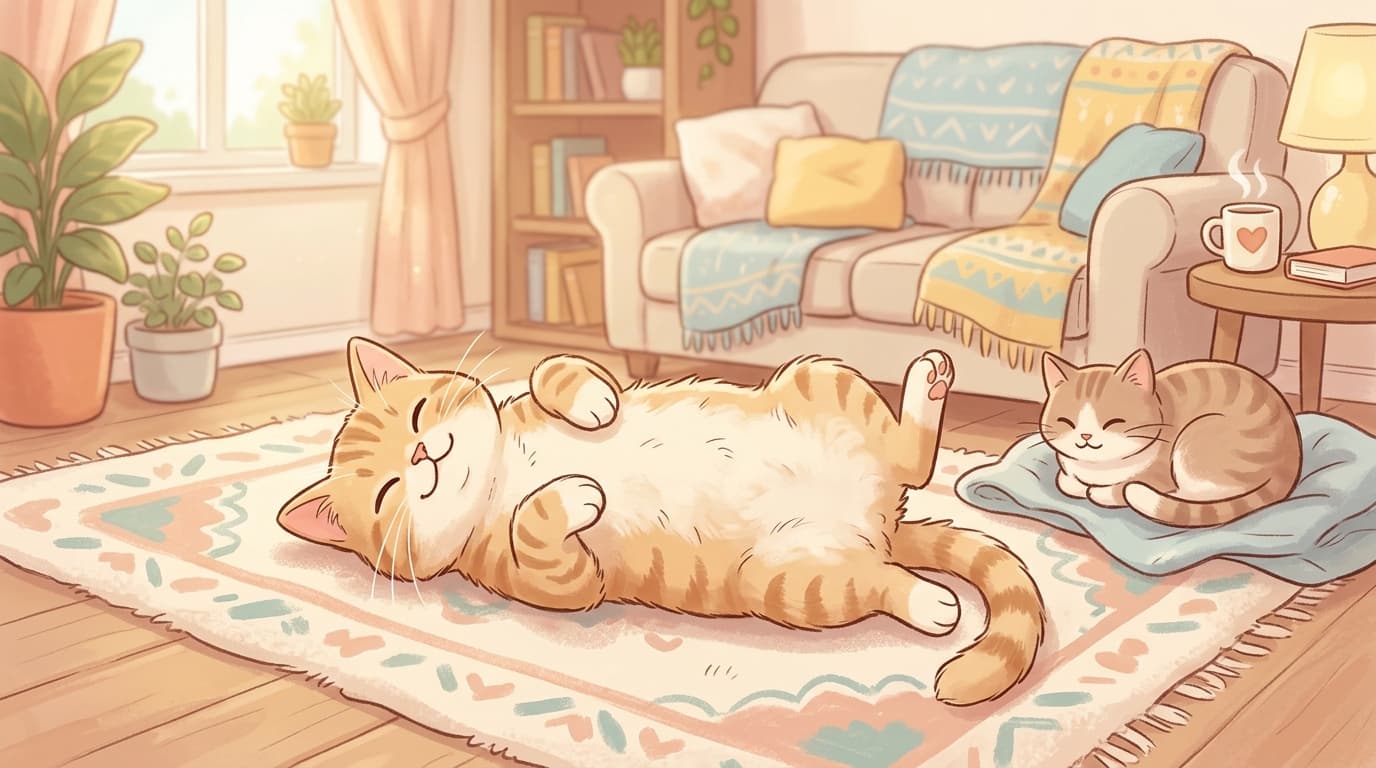
№ 57A cat belly display can mean trust, stress, or cooling off. Learn the body language signs so you don’t get scratched.
 № 58
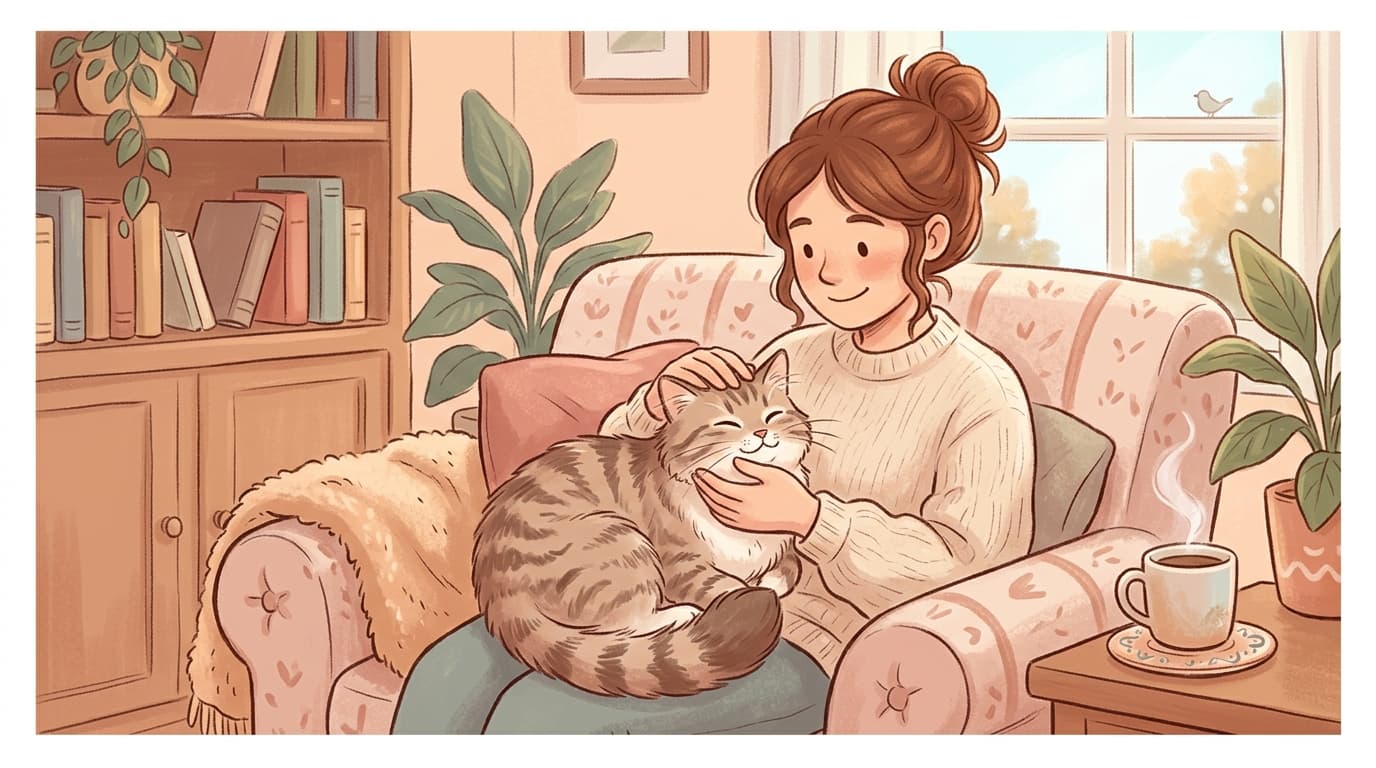
№ 58From tail-tremble greetings to head bumps, these 10 behaviors suggest your cat trusts you like a mother figure.
 № 59
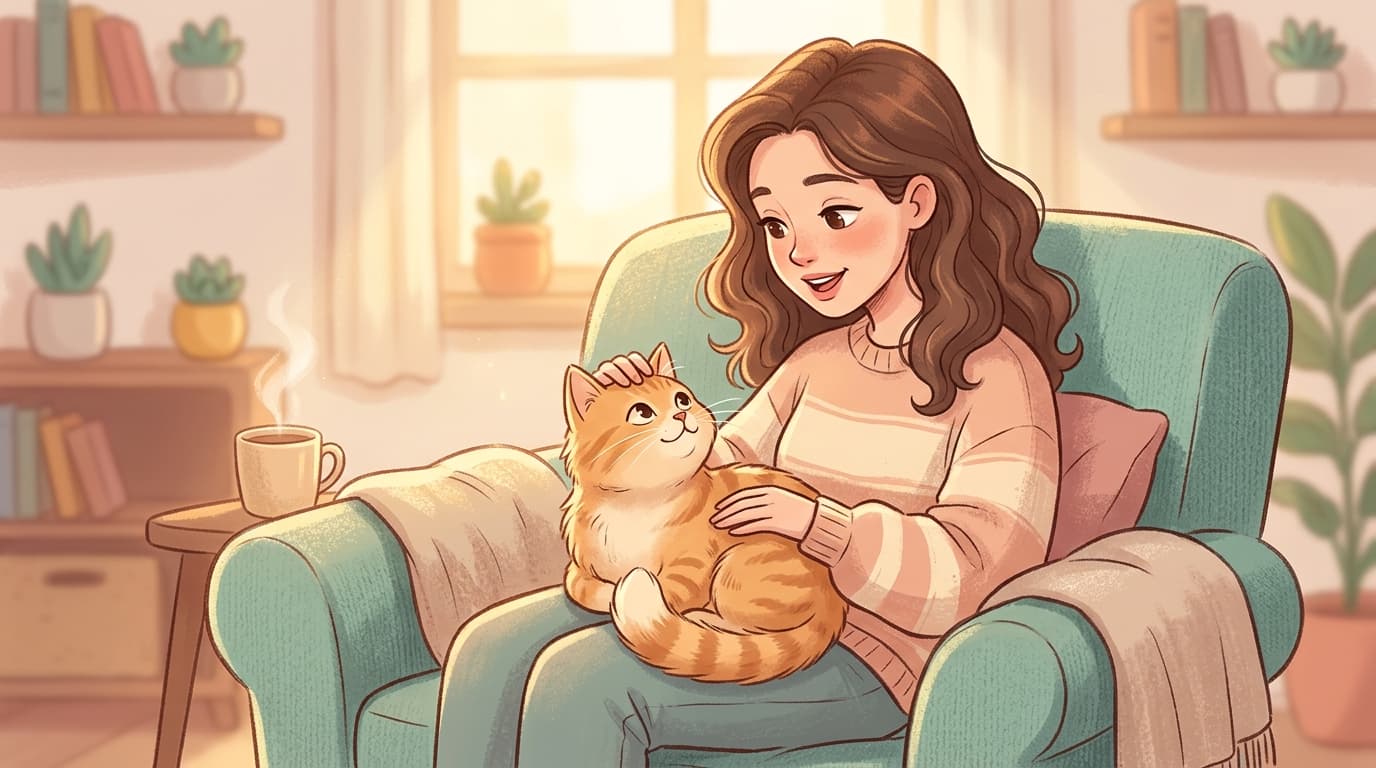
№ 59Your cat may not understand words, but your voice signals safety, routine, and emotion. Learn how talking builds a calmer, closer bond.
 № 60
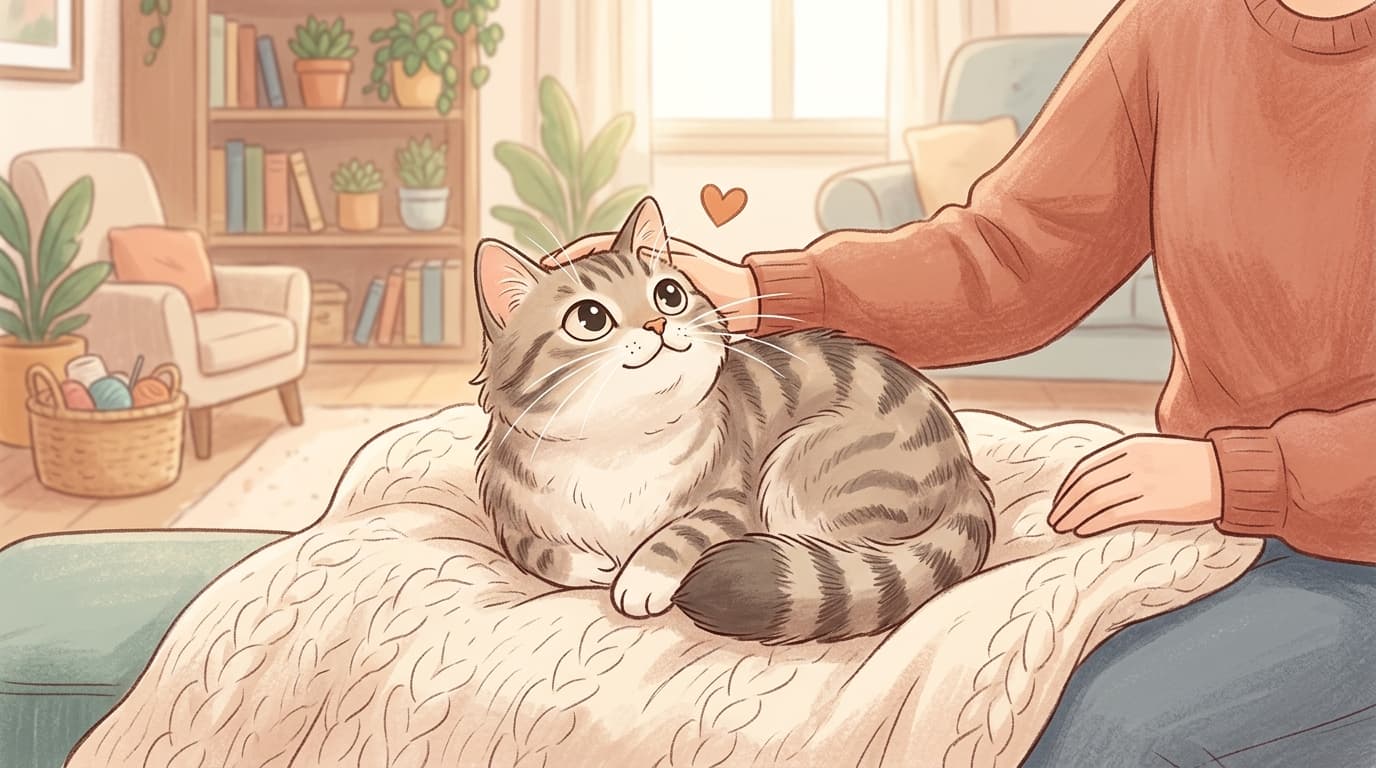
№ 60Cats don’t see you as a big clumsy cat. To them, you’re a steady source of safety, scent-family, and predictable comfort.